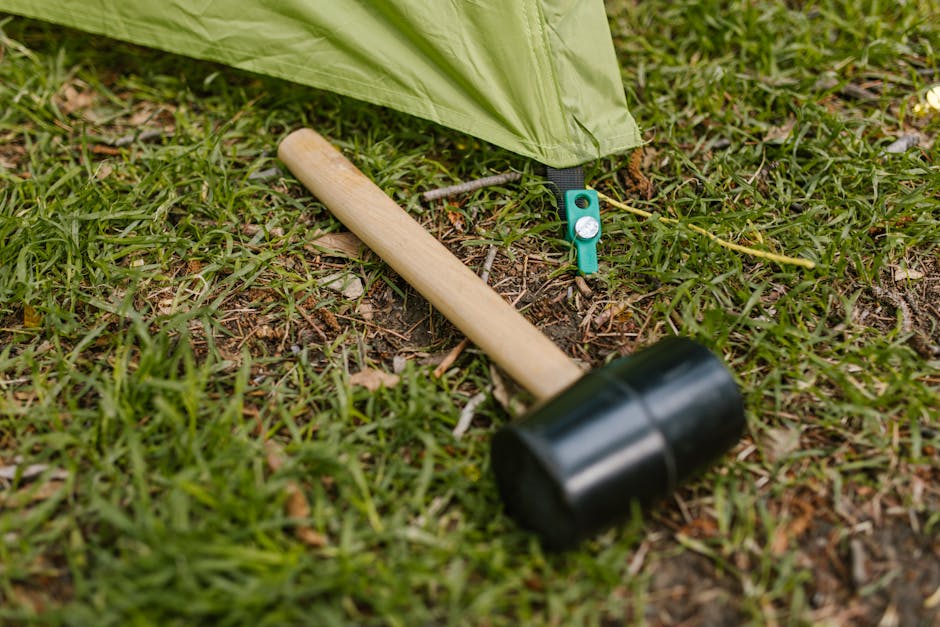
Setting up your tent might seem simple, but if you don’t use your tent stakes the right way, your shelter could collapse or blow away. You want your tent to stay secure no matter the weather, and that all starts with knowing exactly how to use tent stakes.
In this guide, you’ll discover easy steps and smart tips to make sure your tent stays firmly in place every time you camp. Keep reading, and you’ll never worry about a loose tent again.
Choosing The Right Tent Stakes
Tent stakes hold your tent firmly to the ground. Choosing the right stakes can keep your tent safe in wind and rain. Different tents and soils need different stakes.
Learn about the types, materials, and sizes of tent stakes. This helps you pick the best stakes for your camping trip.
Types Of Tent Stakes
There are many kinds of tent stakes. Each type works well in certain soils and weather. Some are light, some are strong, some dig deep.
- Wire stakes: thin and light, good for soft soil.
- Plastic stakes: cheap and light, for small tents.
- Aluminum stakes: strong and light, good for all soils.
- Steel stakes: very strong, best for rocky or hard ground.
- Snow stakes: wide and flat, hold well in snow.
Material Matters
The material of your stakes affects weight and strength. Choose a material that fits your needs and camping style.
| Material | Weight | Strength | Best Use |
| Aluminum | Light | Strong | Most camping conditions |
| Steel | Heavy | Very Strong | Rocky or hard soil |
| Plastic | Very Light | Weak | Soft soil, small tents |
| Wire | Light | Moderate | Soft or sandy soil |
Stake Length And Thickness
Longer and thicker stakes hold better in loose or soft soil. Thin stakes work well in firm ground. The right size prevents bending and pulling out.
- Short stakes: good for hard or rocky ground
- Long stakes: hold well in sand, snow, or soft soil
- Thick stakes: resist bending in tough ground
- Thin stakes: lightweight, easy to carry

Credit: www.youtube.com
Preparing The Ground
Before you use tent stakes, it’s important to prepare the ground. This ensures your tent stays secure and stable.
Proper preparation involves checking the soil and removing obstacles. Sometimes, you may need to adjust the ground’s condition.
Assessing Soil Conditions
First, check the type of soil where you plan to set up your tent. The soil can be sandy, rocky, or grassy.
Different soil types require different stakes. Choose the right stake for the ground to ensure a firm hold.
- Sandy soil needs longer stakes.
- Rocky soil needs strong, sturdy stakes.
- Grassy soil is usually easy for most stakes.
Clearing Debris
Remove any debris from the area where you will place the tent. Rocks, branches, and leaves can affect stake placement.
Clear the area carefully to create a flat, even surface. This helps the stakes go in easily and hold better.
- Pick up rocks and branches.
- Sweep away leaves and twigs.
- Check for hidden roots or hard objects.
Moistening Hard Soil
If the soil is hard, it might be difficult to insert stakes. Moistening the ground can help.
Use water to soften the soil. This makes it easier to drive the stakes in without bending them.
| Steps to Moisten Soil |
| Sprinkle water over the hard ground. |
| Wait a few minutes for the soil to absorb. |
| Test with a stake to see if it’s easier to insert. |
Correct Stake Placement
Placing tent stakes correctly keeps your tent stable and safe. Proper placement stops the tent from moving or blowing away.
Learn how to position stakes for the best hold. Follow these tips to make your camping setup stronger.
Ideal Angles For Driving Stakes
Drive stakes into the ground at a 45-degree angle. Point the stake away from the tent to increase tension.
- Use a hammer or mallet to push the stake in firmly.
- Keep the top of the stake flush with the ground or slightly above.
- Avoid driving stakes straight down; this weakens their hold.
Distance From Tent Edges
Place stakes far enough from the tent edges to create strong tension. Too close or too far reduces stability.
| Distance from Tent Edge | Purpose |
| 6 to 12 inches | Secure small tents or soft ground |
| 12 to 18 inches | Ideal for medium tents on firm soil |
| 18 to 24 inches | Best for large tents or windy conditions |
Securing Guy Lines
Attach guy lines tightly to stakes for added support. Check lines often to keep tension even.
- Tie knots that won’t slip, like the taut-line hitch.
- Adjust lines after wind or rain to maintain firmness.
- Use reflective guy lines for visibility at night.
Driving Tent Stakes Effectively
Driving tent stakes is key to keeping your tent stable. Doing it right helps your tent stand strong in wind and rain.
Use the right tools and check the stakes often. This will make your camping safer and more comfortable.
Using A Mallet Or Hammer
A mallet or hammer helps you drive stakes into the ground easily. Use a rubber mallet to avoid damage to the stakes.
Hold the stake steady and hit the top with firm, controlled blows. Avoid hitting too hard to prevent bending the stake.
Avoiding Common Mistakes
Don’t push stakes in at a straight angle. This can make them pull out easily. Angle stakes away from the tent.
Do not use rocks or heavy objects to hammer stakes. This can cause injury or damage your stakes.
- Place stakes at a 45-degree angle from the tent
- Use the right tool like a mallet or hammer
- Check ground for rocks or hard spots before driving
- Do not hit stakes too hard or at odd angles
Checking Stake Stability
After driving stakes, tug on the tent ropes to test hold. Stakes should not move or wiggle.
Check stakes regularly, especially after strong winds or rain. Replace any loose or bent stakes right away.
Advanced Tips For Different Terrains
Tent stakes work best when matched to the ground type. Different soils and surfaces need special care. Using the right technique keeps your tent secure.
Learn how to handle rocky, sandy, and icy grounds. These tips help you hold your tent firm in tough spots.
Rocky Or Hard Ground Solutions
Hard or rocky ground makes it hard to push stakes in. Use durable metal stakes that can handle pressure. Avoid plastic or thin stakes as they may bend or break.
Try tapping stakes in at a low angle. This adds strength and stops them from popping out. If the ground is very tough, look for cracks or softer spots to insert stakes.
- Use heavy-duty metal stakes
- Drive stakes at a 45-degree angle
- Find cracks or softer soil to insert stakes
- Use a rock or hammer to tap stakes firmly
- Consider using screw-in stakes for extra grip
Sandy Soil Techniques
Sandy soil is loose and does not hold stakes well. Use long, wide stakes or sand-specific anchors. These provide more surface area to grip the sand.
Place a heavy object on the stake or bury it horizontally to improve hold. You can also fill a bag with sand and attach it to your tent lines for extra weight.
- Use long or wide stakes designed for sand
- Bury stakes deeper or horizontally for more grip
- Attach sandbags or heavy objects to tent lines
- Check stakes often as sand shifts easily
Snow And Ice Considerations
Snow and ice need special stakes that work with slippery surfaces. Use snow stakes or deadman anchors made for these conditions. These stakes are often longer and wider than normal ones.
Dig a trench in the snow and bury the stake horizontally. Pack snow firmly over it to keep it from moving. Check stakes regularly as melting can loosen them.
- Use snow-specific or deadman stakes
- Bury stakes horizontally in packed snow
- Fill trench with snow and press firmly
- Recheck tension and stake position daily
- Use ice screws if camping on ice sheets

Credit: www.amazon.com
Maintaining And Storing Tent Stakes
Taking care of your tent stakes helps them last longer and work better. Proper maintenance keeps them strong and rust-free.
Storing your stakes the right way makes them easy to find for your next trip. Follow these tips to keep them in good shape.
Cleaning After Use
Remove dirt and mud from your tent stakes after each camping trip. Use water and a soft brush to clean them well.
Dry the stakes completely before storing them. Wet stakes can cause rust or weaken the metal over time.
Preventing Rust And Damage
- Keep stakes dry after cleaning.
- Apply a light coat of oil to metal stakes to stop rust.
- Store stakes in a cool, dry place away from moisture.
- Check stakes for bends or cracks before each use.
- Avoid hammering on rocks to prevent damage.
Organizing For Easy Access
| Method | Details |
|---|---|
| Stake Bag | Use a dedicated bag with compartments to separate stakes by type or size. |
| Magnetic Strip | Attach a magnetic strip inside your gear box to hold metal stakes securely. |
| Storage Box | Place stakes in a labeled box for quick identification and easy transport. |

Credit: www.amazon.com
Frequently Asked Questions
What Are The Best Materials For Tent Stakes?
The best tent stakes are made from aluminum, steel, or plastic. Aluminum is lightweight and strong. Steel offers durability for tough terrains. Plastic stakes are good for soft soil but less durable.
How Do You Properly Insert Tent Stakes?
Insert tent stakes at a 45-degree angle away from the tent. Push them deep into the ground for stability. This method ensures your tent stays secure in wind and rain.
Can Tent Stakes Be Used On Rocky Ground?
Yes, but use specialized rocky ground stakes or rock anchors. Regular stakes may bend or break on rocky surfaces. Always carry appropriate stakes for the terrain you expect.
How Do You Remove Tent Stakes Safely?
Pull tent stakes straight up to avoid damage. Use a stake puller or pliers if needed. Removing stakes carefully preserves them for future use.
Conclusion
Using tent stakes correctly keeps your tent stable and safe. Choose the right type for the ground you camp on. Push or hammer stakes firmly into the soil at an angle. Check each stake to make sure it holds tight.
This simple step prevents your tent from blowing away. Practice setting stakes before your trip for confidence. Enjoy your outdoor adventure with a strong, secure tent. Small efforts make big differences in camping comfort. Stay prepared and camp with peace of mind.