If you want to get the most out of your fishing trips, knowing how to tie monofilament fishing line is a must. Your knot needs to be strong and reliable, or you risk losing your catch—and your patience.
In this guide, you’ll learn simple, step-by-step techniques that anyone can master. Whether you’re new to fishing or just want to improve your skills, these tips will help you tie knots that hold tight every time. Keep reading, and you’ll be ready to fish with confidence on your very next outing.

Credit: www.youtube.com
Choosing The Right Monofilament Line
Choosing the right monofilament fishing line is important for a good fishing experience. The right line helps you catch fish without breaking or tangling.
This guide explains how to pick the best monofilament line by looking at line strength, diameter, and types of lines.
Line Strength And Diameter
Line strength shows how much weight the line can hold without breaking. Diameter means how thick the line is. Thicker lines are stronger but less flexible.
| Line Strength (Pounds) | Diameter (Inches) | Best Use |
|---|---|---|
| 4 – 8 | 0.008 – 0.010 | Light fishing, small fish |
| 10 – 14 | 0.012 – 0.015 | Medium fishing, bass, trout |
| 16 – 30 | 0.016 – 0.022 | Heavy fishing, big fish |
Types Of Monofilament Lines
Monofilament lines come in different types. Each type has special features for fishing in various waters and conditions.
- Standard Monofilament: Good all-round line for beginners.
- Fluorocarbon Coated: Less visible in water and more resistant to abrasion.
- High-Strength: Stronger line for big fish and tough fishing spots.
- Low-Stretch: Offers better hook setting and control.
Credit: medium.com
Essential Tools For Knot Tying
Tying knots is an essential skill for every angler. It ensures your fishing line is secure and ready for action.
The right tools make knot tying easier and more efficient. Let’s explore the basics you need.
Scissors And Clippers
Scissors and clippers are vital for cutting fishing line neatly. A clean cut helps in tying strong knots.
- Choose stainless steel scissors for durability
- Use line clippers for precise cuts
- Keep tools sharp for best results
Hook And Lure Selection
Choosing the right hook and lure is crucial for successful fishing. It affects how the fish will bite.
| Type | Best Use |
| Bait Hook | Live bait fishing |
| Jig Lure | Deep water fishing |
| Spinner Lure | Attracting fish in clear water |
Preparing The Line
Preparing your monofilament fishing line correctly is important for strong knots. Proper preparation helps avoid slips and breaks.
This guide covers how to cut the line and moisten it before tying your knots.
Cutting The Line Properly
Use sharp scissors or a line cutter to cut the monofilament line. A clean cut helps the knot hold better.
- Cut the line straight across without fraying
- Avoid biting or tearing the line with your teeth
- Cut slightly longer than you think you need for easier handling
- Keep the cut end smooth and even
Moistening The Line
Moistening the line before tightening the knot reduces friction. This helps the knot slide smoothly and prevents damage.
| Moistening Method | Benefits |
|---|---|
| Water | Easiest and most common |
| Saliva | Quick and accessible |
| Fishing line conditioner | Protects line and knots |
Basic Knots For Monofilament
Tying the right knot is important for fishing with monofilament line. It helps keep your line strong and secure.
This guide covers three simple knots that work well with monofilament. Each knot is easy to learn and reliable on the water.
Improved Clinch Knot
The improved clinch knot is popular for tying hooks and lures. It is strong and holds well with monofilament line.
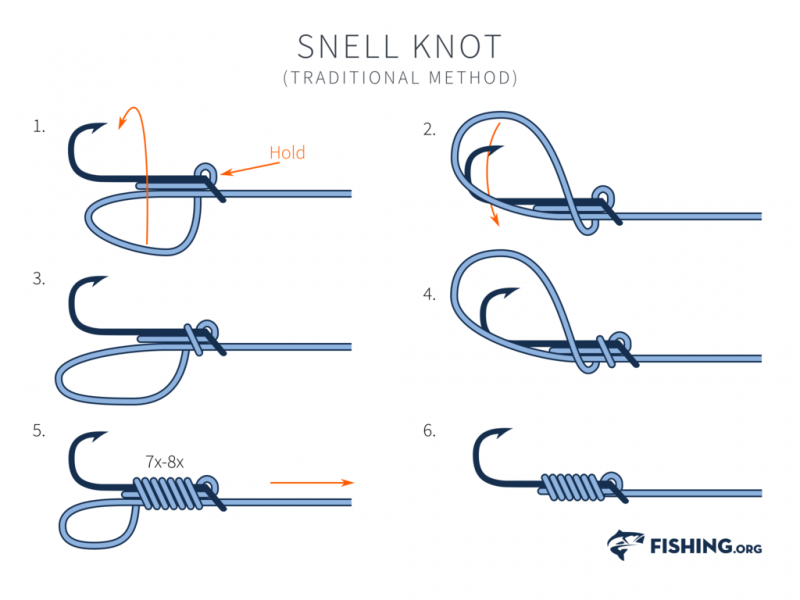
To tie this knot, pass the line through the eye of the hook. Wrap the tag end around the main line five to seven times. Then, thread the tag end back through the loop near the eye and pull tight.
- Pass line through hook eye
- Wrap tag end 5-7 times
- Thread tag end through loop
- Tighten knot firmly
Palomar Knot
The Palomar knot is strong and simple. It works great with monofilament and resists slipping.
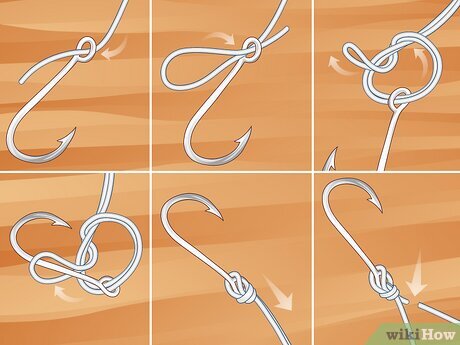
Double about six inches of line and pass it through the hook eye. Tie a loose overhand knot with the doubled line. Pass the hook through the loop and pull both ends tight.
- Double the line
- Pass loop through hook eye
- Make loose overhand knot
- Pass hook through loop
- Pull tight
Uni Knot
The Uni knot is versatile and easy to adjust. It works well for tying monofilament to hooks, lures, or swivels.
Pass the line through the eye and make a loop alongside the standing line. Wrap the tag end around both lines five to six times. Pull the tag end to tighten the knot and slide it down.
- Pass line through hook eye
- Form loop next to standing line
- Wrap tag end 5-6 times
- Tighten knot and slide it down
Step-by-step Knot Tying Guide
Tying knots in monofilament fishing line is important for a strong hold. Good knots help keep your catch secure.
This guide shows easy steps to tie three common knots: the Improved Clinch, the Palomar, and the Uni Knot.
Tying The Improved Clinch Knot
The Improved Clinch Knot is simple and works well with monofilament lines. It holds tight to hooks and lures.
- Thread the line through the hook eye.
- Wrap the tag end around the main line 5-7 times.
- Pass the tag end through the small loop near the eye.
- Then, pass it through the big loop you just made.
- Moisten the knot and pull both ends to tighten.
- Trim the excess tag end close to the knot.
Tying The Palomar Knot
The Palomar Knot is strong and easy to tie. It works great with braided and monofilament lines.
- Double about 6 inches of line and pass it through the hook eye.
- Tie a loose overhand knot with the doubled line.
- Pass the hook through the loop of the overhand knot.
- Pull on both the standing line and tag end to tighten.
- Moisten the knot before fully tightening.
- Cut the tag end close to the knot.
Tying The Uni Knot
The Uni Knot is versatile and holds well with monofilament. It is easy to adjust before tightening.
- Pass the line through the hook eye and double back.
- Form a loop by laying the tag end alongside the doubled line.
- Make 5-6 turns with the tag end around the doubled line and through the loop.
- Moisten the knot and pull the tag end to tighten coils.
- Slide the knot down to the hook eye.
- Pull the main line to secure the knot.
- Trim the tag end close to the knot.
Tips For Strong And Secure Knots
Tying knots with monofilament fishing line needs care to keep them strong. Poor knots can break and lose fish.
Use these tips to avoid common problems and make sure your knots hold tight every time.
Avoiding Line Twist
Line twist weakens your fishing line and causes tangles. It happens when the line spins as you reel in.
- Use a swivel to reduce line twist.
- Keep the line straight when tying knots.
- Let the lure or bait sink naturally without forcing the line.
- Check the reel spool and line to avoid twists before fishing.
Checking Knot Tightness
Knots must be tight to hold under pressure. Loose knots can slip or come undone.
| Check Method | What to Do |
| Visual Inspection | Look for even coils and no gaps in the knot. |
| Pull Test | Pull the line firmly to feel if the knot holds. |
| Wet the Knot | Wet the line before tightening to reduce friction and tighten better. |
Trimming Excess Line
Cutting the excess line close to the knot prevents snags and keeps knots secure.
Follow these steps to trim the line correctly:
- Use sharp scissors or nail clippers.
- Leave about 2-3 millimeters of tag end to avoid slipping.
- Check the knot again after trimming.
Common Knot Mistakes To Avoid
Tying knots with monofilament fishing line can be tricky. Small mistakes weaken your knot and cause line breaks.
Focus on avoiding common errors to keep your knots strong and reliable on every fishing trip.
Over-tightening
Pulling the knot too tight too fast can damage the fishing line. It can cause cuts or weak spots that break easily.
Instead, tighten the knot slowly and evenly. This keeps the line intact and the knot secure.
Improper Loop Formation
Making loops that are too small or uneven leads to weak knots. The line may slip or not hold under pressure.
- Use a loop size that matches the knot type
- Keep loops neat and symmetrical
- Check the loop before tightening
- Practice forming loops with spare line
Skipping Moistening
Dry knots create friction and heat. This weakens the monofilament and can cause the knot to fail.
| Step | Reason |
|---|---|
| Moisten knot | Reduces friction and heat during tightening |
| Use water or saliva | Lubricates the line to prevent damage |
| Always moisten before final pull | Ensures knot strength and longevity |
Maintaining Your Knots
Keeping your monofilament fishing line knots strong is key to a good fishing experience. Regular care helps avoid losing fish or gear.
Simple checks and timely replacements can keep your knots reliable and safe on every trip.
Regular Knot Inspection
Look at your knots often for signs of wear or damage. Check for frays, looseness, or slipping lines. Early detection can prevent breakage.
- Examine knots before and after fishing.
- Pull lightly on knots to test their strength.
- Look for cracks or cuts in the line near the knot.
- Make sure knots have not loosened or slipped.
Replacing Worn Knots
Change knots that show damage or weakness. A fresh knot can save your line and catch. Use the right technique for tying new knots.
| Signs to Replace Knot | Action |
| Line fraying near knot | Cut and retie knot |
| Knot slips under tension | Retie with a stronger knot |
| Knot looks loose or untied | Retighten or remake knot |
| Line has cuts or abrasions | Replace line section and knot |

Credit: www.reddit.com
Frequently Asked Questions
How Do You Tie A Strong Knot With Monofilament Line?
To tie a strong knot, use the improved clinch knot or Palomar knot. These knots hold well and resist slipping. Wet the line before tightening to reduce friction and strengthen the knot. Trim excess line for a neat finish.
What Is The Best Knot For Monofilament Fishing Line?
The Palomar knot is widely recommended for monofilament lines. It’s easy to tie and very strong. It maintains line strength and is suitable for various fishing conditions. This knot is reliable for securing hooks, lures, and swivels.
Can I Reuse Monofilament Fishing Line After Tying Knots?
Yes, you can reuse monofilament line if it’s not damaged. Check for abrasions or nicks before reuse. Cut off any frayed sections and retie fresh knots. Properly stored monofilament maintains its strength and flexibility for multiple uses.
How Do I Prevent Monofilament Line From Slipping When Tying?
To prevent slipping, double the line before tying and moisten it. Use knots designed for monofilament, like the improved clinch or Palomar knot. Tighten knots slowly and evenly to ensure a secure hold without damaging the line.
Conclusion
Tying monofilament fishing line is simple with practice. Use the right knots for strong, secure connections. Take your time to avoid mistakes and weak spots. Keep your line tight and wet the knot before pulling. Good knots help catch more fish and prevent line breaks.
Try different knots to see what works best for you. Enjoy your fishing trips with confidence and better gear handling. Practice often and your skills will improve quickly. Fishing becomes more fun when you trust your knots.