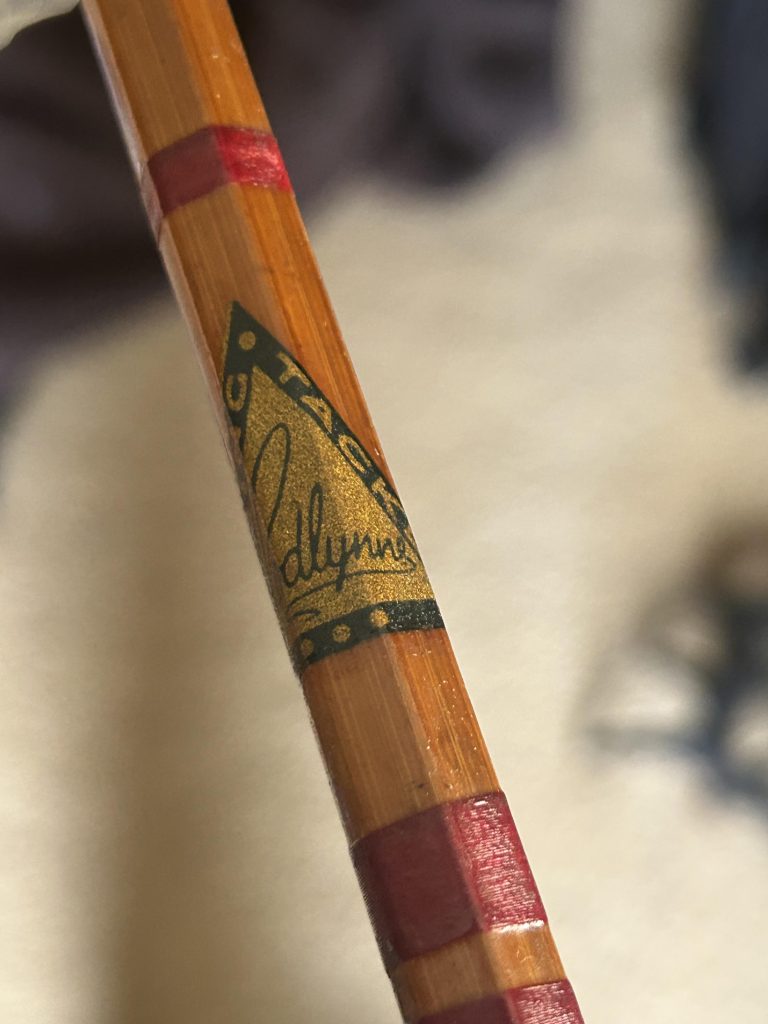
Have you ever wondered when the fishing rod was first invented? If you enjoy fishing or are curious about how this simple tool came to be, you’re in the right place.
Understanding the origins of the fishing rod can change the way you see your time by the water. Keep reading, and you’ll discover surprising facts that connect your fishing experience to centuries of history. This knowledge might just make your next fishing trip even more meaningful.

Credit: www.thomasturner.com
Early Fishing Tools
Fishing is one of the oldest activities humans have done. People used simple tools to catch fish long ago.
Before modern rods, early fishing tools helped humans survive and gather food.
Ancient Fishing Techniques
Long ago, people caught fish using many easy techniques. They used their hands, nets, and traps.
Some ancient methods included spearing fish with sharp sticks or using baskets to trap fish in rivers.
- Hand fishing in shallow water
- Using nets made from plant fibers
- Spearing fish with pointed sticks
- Building fish traps from wood and stones
Materials Used In Early Rods
Early fishing rods were simple and made from natural materials. People used wood, bamboo, and reeds.
They tied fishing lines from animal hair or plant fibers. Hooks came from bones or shells.
- Wooden sticks or bamboo for the rod
- Animal hair or plant fibers for lines
- Bone, shell, or stone hooks
- Natural glue or resin to fix parts together

Credit: mysterytacklebox.com
First Known Fishing Rods
Fishing rods have been used for many centuries. They helped early humans catch fish for food.
These early rods were simple and made from natural materials. They were essential tools for survival and trade.
Historical Evidence
Archaeologists found evidence of fishing rods from ancient times. They discovered fishing hooks and rod pieces in Egypt.
Some rods were made from bamboo and other strong woods. These materials were available in their environment.
- Ancient Egypt: Rods used around 2000 BC
- China: Bamboo rods from 4th century BC
- Europe: Evidence from Roman times
Cultural Variations
Different cultures developed unique fishing rods. Materials and techniques varied based on resources and needs.
In Asia, bamboo was the preferred choice. In Europe, wood and metal were common materials.
| Region | Material | Era |
| Asia | Bamboo | 4th century BC |
| Europe | Wood and metal | Roman times |
| Africa | Reeds and wood | 2000 BC |
Medieval Fishing Rods
Fishing rods have been used for many centuries. In medieval times, people relied on simple rods to catch fish for food.
These early fishing rods were made from natural materials like wood and bamboo. They were easy to carry and use near rivers or lakes.
Innovations In Design
Medieval fishing rods saw changes that made fishing easier. Rods became longer and more flexible over time.
People added simple reels to help pull in the fishing line. Hooks were also improved to catch fish better.
- Longer rods allowed fishing from shore or boats
- Stronger lines helped catch bigger fish
- Early reels stored and released line smoothly
- Hooks shaped for different fish types
Fishing In Europe And Asia
Fishing was important in both Europe and Asia during medieval times. Each region used its own rod styles and materials.
In Europe, rods were often made of ash wood. Asian rods used bamboo, which was light and strong.
- European rods were sturdy for river fishing
- Asian bamboo rods were flexible and light
- Fishing methods adapted to local fish species
- Both regions shared knowledge through trade
Industrial Era Advances
The fishing rod saw big changes during the Industrial Era. New materials and ways to make rods helped fishing grow.
These advances made rods stronger, lighter, and easier to buy for many people.
Introduction Of New Materials
New materials replaced heavy wood and bamboo. Steel, fiberglass, and later carbon fiber made rods lighter and stronger.
- Steel made rods tougher and more flexible.
- Fiberglass allowed rods to bend without breaking.
- Carbon fiber made rods very light and strong.
Mass Production Impact
Mass production lowered costs and made fishing rods available to many people. Factories used machines to build rods fast.
| Year | Production Change | Effect |
|---|---|---|
| 1800s | Handmade rods only | Expensive and rare |
| Mid-1800s | Early machine tools | Lower cost, more rods |
| 1900s | Full mass production | Wide availability |
Modern Fishing Rod Development
Fishing rods have changed a lot since their invention. Modern rods use new materials and designs. These changes help anglers catch fish more easily.
Today’s fishing rods are lighter, stronger, and more flexible. Technology plays a big role in making better rods for different fishing styles.
Technological Improvements
Fishing rods have improved with new materials and construction methods. Carbon fiber and fiberglass are common now. They make rods strong but light.
- Carbon fiber offers high strength and low weight.
- Fiberglass rods are flexible and durable.
- Graphite rods provide sensitivity to feel fish bites.
- Modern rods use better reel seats and guides.
- Some rods have special coatings to resist water and damage.
Popular Rod Types Today
Anglers choose rods based on fishing style and fish species. Different rods work best in different water and conditions.
| Rod Type | Description | Common Use |
| Spinning Rod | Light and flexible | Small to medium fish |
| Baitcasting Rod | Strong and accurate | Large fish and heavy lures |
| Fly Rod | Long and thin | Fly fishing in rivers |
| Trolling Rod | Heavy and sturdy | Fishing from boats |
| Telescopic Rod | Collapsible and portable | Travel and casual fishing |
Fishing Rods Around The World
Fishing rods have a long history across many cultures. Different regions shaped their own styles for fishing rods.
This diversity reflects local fish types, materials, and fishing methods.
Regional Styles
Asia is known for its bamboo rods. These rods are light and flexible, ideal for river fishing.
In Europe, fishing rods often use fiberglass or carbon fiber. These materials add strength and durability.
- Japan uses split bamboo rods for fly fishing.
- Scandinavia prefers strong rods for deep-sea fishing.
- North America has a variety of rods for freshwater and saltwater fishing.
Traditional Vs. Modern Rods
Traditional rods were made from natural materials like wood and bamboo. They required careful crafting.
Modern rods use synthetic materials. These rods are lighter and stronger.
| Type | Material | Weight | Flexibility |
| Traditional | Bamboo, Wood | Heavier | High |
| Modern | Fiberglass, Carbon Fiber | Lighter | Variable |
Future Of Fishing Rods
Fishing rods have changed a lot since they were first invented. New ideas and materials help rods work better.
In the future, fishing rods will use new technology and eco-friendly parts. This will help fishing stay fun and safe.
Emerging Technologies
New technology helps make fishing rods lighter and stronger. Some rods will have smart sensors to track fish and water conditions.
These sensors can tell you the best spots to fish. Some rods may also connect to apps on your phone for easy use.
- Smart sensors for fish detection
- Lightweight and strong materials
- Wireless connection to mobile apps
- Improved reel and line control
Sustainable Materials
Fishing rods will use more natural and recycled materials. This helps protect oceans and rivers from pollution.
Materials like bamboo and recycled plastics are becoming popular. They are strong and better for the environment.
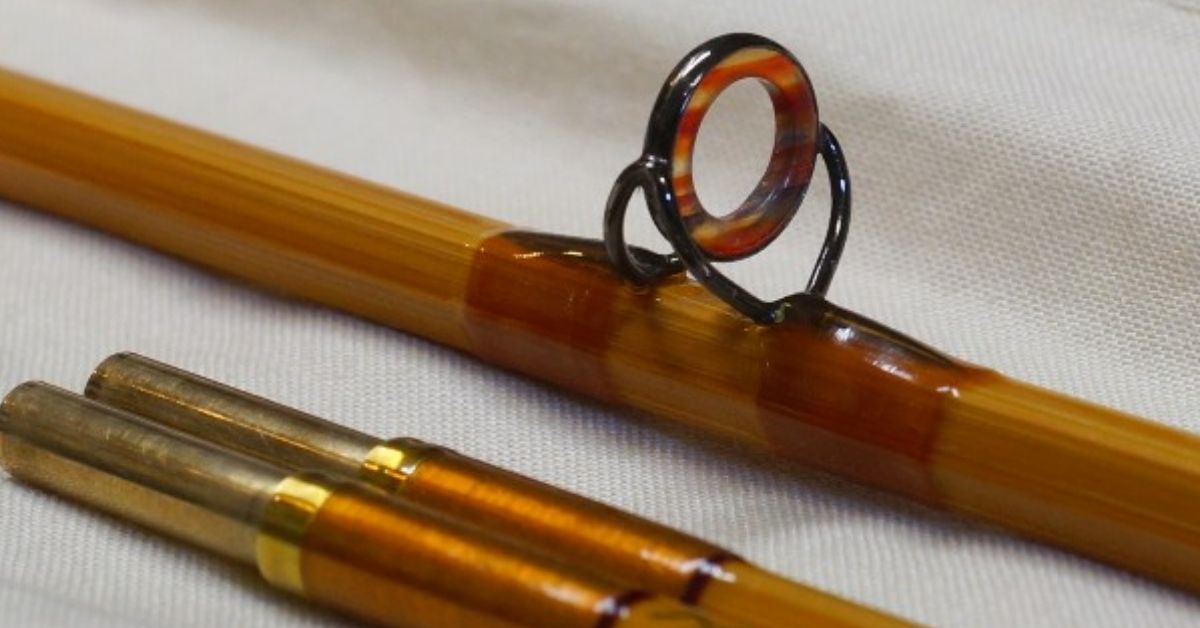
- Bamboo rods for natural strength
- Recycled plastics to reduce waste
- Biodegradable parts to limit pollution
- Eco-friendly coatings and finishes
Credit: mysterytacklebox.com
Frequently Asked Questions
When Was The Fishing Rod First Invented?
The fishing rod was first invented around 2,000 BC. Early rods were simple, made from wood or bamboo, used primarily for basic fishing.
Who Invented The Modern Fishing Rod?
The modern fishing rod evolved in the 17th century in England. Innovations included flexible materials and reel attachments, improving fishing efficiency.
How Did Fishing Rods Evolve Over Time?
Fishing rods evolved from basic wooden sticks to lightweight materials like fiberglass and carbon fiber. This improved durability and ease of use.
Why Is The Fishing Rod Important In Fishing History?
Fishing rods revolutionized fishing by increasing reach and control. They made fishing more efficient and accessible, influencing food supply and recreation.
Conclusion
The fishing rod has a long and interesting history. People used simple tools to catch fish long ago. Over time, the rod became better and easier to use. Today, it helps many enjoy fishing as a hobby. Knowing its past makes fishing more special.
The rod shows how humans improve tools to meet needs. Whether for fun or food, fishing rods remain important. They connect us to nature and tradition. This history reminds us how small ideas grow big. Fishing rods tell a story of patience and skill.