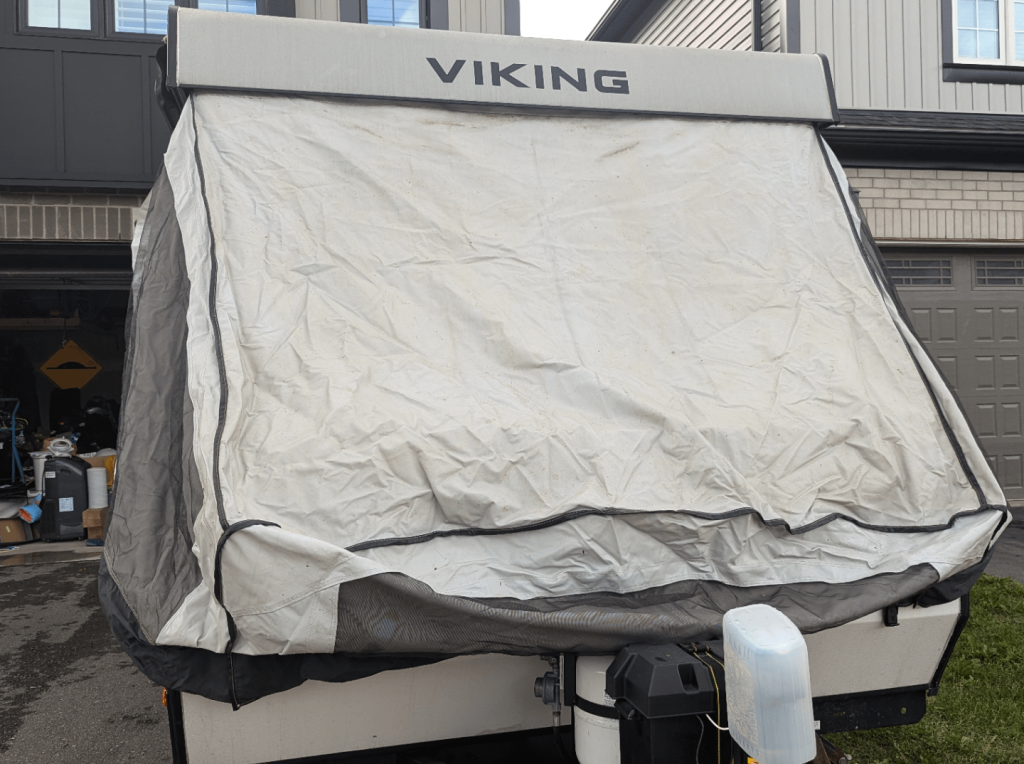
Your tent trailer’s canvas is more than just fabric—it’s your shelter, your comfort, and your protection from the elements. But over time, dirt, mildew, and stains can build up, making it look worn and even risking damage.
You might think cleaning it is tough or that harsh chemicals are needed, but that’s not true. With the right steps, you can easily bring back your canvas’s fresh, clean look and extend its life. Keep reading, and you’ll discover simple, effective ways to clean your tent trailer canvas without hassle or harm.
Your next outdoor adventure deserves a canvas that looks and performs its best.
Materials Needed
Cleaning the canvas on your tent trailer keeps it looking good and lasting longer. You need the right tools and materials to do the job well.
This list covers all the basic items to have before you start cleaning your tent trailer canvas.
Cleaning Solution
Use a mild soap or a special canvas cleaner. Avoid harsh chemicals that can damage the fabric or waterproof coating.
Soft Brushes And Sponges
Soft brushes help remove dirt without harming the canvas. Sponges are good for applying soap and rinsing gently.
- Soft-bristle brush
- Non-abrasive sponge
- Microfiber cloth for drying
Water Source
Access to clean water is important. Use a garden hose with a gentle spray nozzle or buckets of water for rinsing.
Protective Gear
Wear gloves to protect your hands from soap and dirt. Sunglasses and a hat can protect you from sun exposure during cleaning.
Additional Tools
| Item | Purpose |
|---|---|
| Soft towel | Drying the canvas without scratching |
| Spray bottle | Applying cleaning solution evenly |
| Bucket | Mixing soap and water |

Credit: www.campfiretravelers.com
Preparing The Tent Trailer
Cleaning a tent trailer’s canvas is important for its longevity. Proper preparation makes the cleaning process easier and more effective.
Start by gathering all necessary cleaning supplies. Ensure your work area is ready and safe for cleaning.
Remove Loose Dirt
Before washing, remove dirt and debris from the canvas. This helps prevent scratches and makes cleaning easier.
Use a soft brush or broom to sweep off loose dirt. Be gentle to avoid damaging the fabric.
- Check for twigs and leaves stuck in seams
- Inspect for any tears or damage
- Ensure zippers and fastenings are clear
Set Up A Cleaning Area
Choose a suitable area to clean your tent trailer. This will keep the cleaning process smooth and efficient.
Ensure you have access to water and a safe space to let the canvas dry. Avoid areas with sharp objects.
- Select a flat, open space
- Ensure the area is free of rocks and debris
- Keep cleaning supplies within reach
Choosing The Right Cleaner
Cleaning the canvas on your tent trailer keeps it strong and looking good. Choosing the right cleaner is very important. The wrong cleaner can damage the fabric or leave stains.
This guide helps you pick between natural and commercial cleaners. It also explains why avoiding harmful chemicals matters for your canvas.
Natural Vs Commercial Cleaners
Natural cleaners use ingredients from nature like vinegar and baking soda. They are gentle on the canvas and safe for the environment. Commercial cleaners are made in factories and often have strong chemicals.
Natural cleaners work well for light dirt and stains. Commercial cleaners may remove tough stains but can harm the fabric if not used carefully.
- Natural cleaners are safe and eco-friendly
- Commercial cleaners are stronger but may contain harsh chemicals
- Test any cleaner on a small area first
- Follow instructions to avoid damage
Avoiding Harmful Chemicals
Some chemicals can weaken the canvas fibers or remove waterproof coatings. Avoid cleaners with bleach, ammonia, or strong acids. These can cause permanent damage.
Choose cleaners labeled safe for canvas or outdoor fabrics. Use mild soap and water if unsure. Rinse well to remove all soap residue after cleaning.
- Do not use bleach or ammonia
- Avoid harsh acids and solvents
- Use gentle soap or natural cleaners
- Rinse canvas thoroughly after cleaning

Credit: www.club4x4.com.au
Step-by-step Cleaning Process
Cleaning the canvas on your tent trailer keeps it looking good and lasting longer. Dirt and stains can build up over time. A proper cleaning helps protect the fabric from damage.
Follow these simple steps to clean your tent trailer canvas safely and effectively.
Wet The Canvas
Start by wetting the entire canvas with clean water. Use a hose or a bucket to make sure the fabric is fully soaked. This helps loosen dirt before cleaning.
Do not use hot water, as it can damage the canvas fibers.
Apply Cleaner Gently
Use a mild soap or a cleaner made for canvas fabrics. Apply it carefully to avoid harsh chemicals. Spot test a small area first to check for color changes.
Spread the cleaner evenly on the canvas using a soft cloth or sponge.
Scrub With Soft Brush
Use a soft-bristled brush to scrub the canvas gently. Work in circular motions to remove dirt and stains. Avoid scrubbing too hard to protect the fabric.
- Focus on stained or dirty areas
- Keep the brush soft to avoid damage
- Use light pressure while scrubbing
Rinse Thoroughly
Rinse the canvas well with clean water to remove all soap and dirt. Make sure no cleaner remains on the fabric. Leftover soap can cause stains or weaken the canvas.
Allow the canvas to dry completely before folding or storing your tent trailer.
Drying And Maintenance
Keeping your tent trailer’s canvas clean helps it last longer. Drying and regular maintenance are key to prevent damage.
Proper care stops mold, mildew, and fabric wear. Follow simple steps to protect your canvas after cleaning.
Proper Drying Techniques
Always dry the canvas fully after cleaning. Wet fabric can cause mold and bad smells.
Use a shaded spot with good airflow. Avoid direct sunlight to keep the fabric strong.
- Spread the canvas flat or hang it loosely
- Use fans if drying inside a garage or tent
- Wait until the canvas feels dry to the touch
- Check corners and seams for trapped moisture
Regular Upkeep Tips
Inspect the canvas often for dirt, stains, or damage. Clean it gently to avoid wear.
Use soft brushes and mild soap. Avoid harsh chemicals that harm fabric and waterproofing.
- Brush off dirt before washing
- Spot clean stains quickly
- Apply waterproofing treatments yearly
- Store canvas dry and rolled, not folded
- Fix small tears or loose stitching fast

Credit: www.reddit.com
Preventing Mold And Mildew
Mold and mildew can damage canvas on your tent trailer. They cause stains and weaken fabric. Keeping your canvas clean and dry helps prevent these problems.
Regular care and smart storage choices stop mold and mildew from growing. Using protective sprays adds an extra layer of defense.
Storage Best Practices
Store your tent trailer canvas in a dry, well-ventilated place. Avoid folding it when wet or damp. Moisture encourages mold and mildew growth.
- Dry the canvas completely before storage
- Use breathable storage bags or covers
- Keep the canvas away from direct sunlight
- Check the canvas regularly for damp spots
- Air out the canvas every few weeks
Using Protective Sprays
Protective sprays create a barrier on your canvas. They help repel water and prevent mold spores from settling. Choose sprays made for canvas material.
| Spray Type | Function | Application Tips |
| Water Repellent | Stops water absorption | Apply evenly on dry canvas |
| Anti-Mold Spray | Kills mold spores | Use after cleaning and drying |
| UV Protector | Prevents sun damage | Spray before storing outside |
Troubleshooting Common Issues
Cleaning canvas on a tent trailer can be tricky. You might face stubborn stains or damage. Fixing these problems helps keep your canvas strong and looking good.
This guide covers ways to remove tough stains and handle tears or holes in the canvas.
Removing Stubborn Stains
Some stains do not wash away with regular cleaning. You need special care to remove them without hurting the canvas.
- Mix mild soap with warm water. Avoid harsh chemicals.
- Use a soft brush to gently scrub the stained area.
- For mold or mildew, apply a solution of equal parts water and white vinegar.
- Rinse the area well with clean water after treatment.
- Let the canvas dry fully before folding or storing.
Handling Tears Or Damage
Tears or holes weaken the canvas and let in water. Fixing these issues quickly stops them from getting worse.
| Damage Type | Repair Method | Materials Needed |
| Small Tear | Use strong fabric glue or sew with heavy-duty thread. | Fabric glue, needle, heavy thread |
| Hole | Patch with a canvas patch. Glue or sew patch in place. | Canvas patch, fabric glue, needle, thread |
| Frayed Edges | Trim frays and seal edges with seam sealer. | Scissors, seam sealer |
Frequently Asked Questions
How Often Should I Clean Canvas On Tent Trailers?
Clean canvas on tent trailers at least twice a year. Regular cleaning prevents mold, mildew, and fabric damage. After camping trips, inspect and clean to maintain durability and appearance.
What Is The Best Cleaner For Tent Trailer Canvas?
Use a mild, non-detergent soap or specialized canvas cleaner. Avoid harsh chemicals or bleach as they damage fabric and waterproof coatings. Always test cleaner on a small area first.
How Do I Remove Mold From Tent Trailer Canvas?
Mix water with white vinegar or a gentle mildew remover. Scrub affected areas softly with a brush. Rinse thoroughly and dry completely to prevent mold from returning.
Can I Use A Pressure Washer On Tent Trailer Canvas?
Avoid pressure washers as they can damage canvas fibers and coatings. Use a soft brush or sponge with gentle cleaning solutions instead for safe and effective cleaning.
Conclusion
Cleaning your tent trailer’s canvas keeps it strong and fresh. Use gentle soap and warm water for best results. Avoid harsh chemicals that can damage the fabric. Regular cleaning stops dirt and mildew buildup early. Let the canvas dry completely before storing it away.
Small efforts help your tent last for many trips. Taking care now saves time and money later. Ready for your next outdoor adventure? A clean canvas makes every trip better.