
Are you struggling to move your grow tents in Schedule 1 without causing delays or damage? You’re not alone.
Moving grow tents can feel overwhelming, especially when you need to stick to a strict timeline. But what if you could make the process smooth and stress-free? You’ll discover simple, practical steps to move your grow tents efficiently while staying on schedule.
Keep reading, and you’ll learn how to save time, avoid common mistakes, and keep your plants happy throughout the move. Your grow tent setup deserves the best care, and we’re here to help you make it happen.

Credit: www.youtube.com
Preparing Your Grow Tent
Moving your grow tent needs good preparation. This helps keep plants safe and healthy.
Start by gathering tools, cleaning the area, and checking the tent condition.
Gather Essential Tools
Having the right tools makes moving easier and safer. Prepare these items before you start.
- Screwdriver or wrench to loosen and tighten parts
- Zip ties or rope to secure loose parts
- Plastic sheets or tarp to cover the tent
- Gloves to protect your hands
- Flashlight for better visibility if needed
Clear And Clean The Space
Clear the area around the tent to avoid accidents. Clean the space to keep plants healthy.
| Task | Details |
| Remove obstacles | Move furniture or items blocking the path |
| Sweep the floor | Clear dust and dirt from the tent area |
| Wipe surfaces | Clean shelves and walls inside the tent |
| Check lighting | Make sure there is enough light for the move |
Check Tent Condition
Inspect your grow tent for damage. Fix small problems before moving it.
- Look for tears or holes in the fabric
- Check zippers and seams for wear
- Examine poles and frames for bends or breaks
- Test ventilation ports and fans
- Replace or repair damaged parts if needed
Safely Removing Plants
Moving grow tents requires care. Plants can be sensitive and need gentle handling. Ensuring their safety is key during relocation.
Proper techniques help in maintaining plant health. This guide will help with tips and methods for safe plant removal.
Watering And Pruning Tips
Before moving, check if your plants need water. Moist soil helps reduce stress during transport.
Prune any dead leaves. This reduces the plant’s burden and helps it cope better during the move.
- Water plants lightly to keep soil moist
- Trim dead or excess leaves
- Avoid heavy watering to prevent spillage
Handling Delicate Plants
Delicate plants need special care. Handle them with both hands to avoid damage.
Use soft cloth or bubble wrap for extra protection. This shields them from bumps during the move.
- Support stems with soft cloth
- Use bubble wrap for fragile parts
- Lift gently with both hands
Temporary Storage Solutions
Find a safe spot for plants if you need to pause the move. Avoid places with direct sunlight or strong winds.
Use boxes or trays to keep plants stable. This helps in preventing them from tipping over.
- Choose a shaded, wind-free area
- Use sturdy boxes or trays
- Ensure plants are secure and upright
Disassembling The Grow Tent
Moving a grow tent requires careful disassembly. This keeps your equipment safe and ready for the next setup.
Follow these steps to disconnect parts, take down the frame, and pack everything correctly.
Disconnecting Electrical Components
Unplug all electrical devices from power sources. This includes lights, fans, and timers. Handle cords gently to avoid damage.
- Turn off all devices before unplugging.
- Label cords for easy reassembly.
- Wrap cords loosely to prevent tangles.
- Store small electrical parts in a safe container.
Taking Down Tent Frame
Start by removing fabric covers carefully. Then, dismantle the metal poles one by one. Lay parts flat to avoid bending.
| Frame Part | Action |
| Top bars | Lift and slide out |
| Vertical poles | Detach from corners |
| Connectors | Remove from poles |
| Base frame | Disassemble last |
Packing Accessories And Equipment
Gather all smaller parts and accessories. Keep items like clips, screws, and filters in one place.
- Use labeled bags for small parts.
- Keep fragile items wrapped in soft cloth.
- Store filters in sealed plastic bags.
- Pack equipment in sturdy boxes.
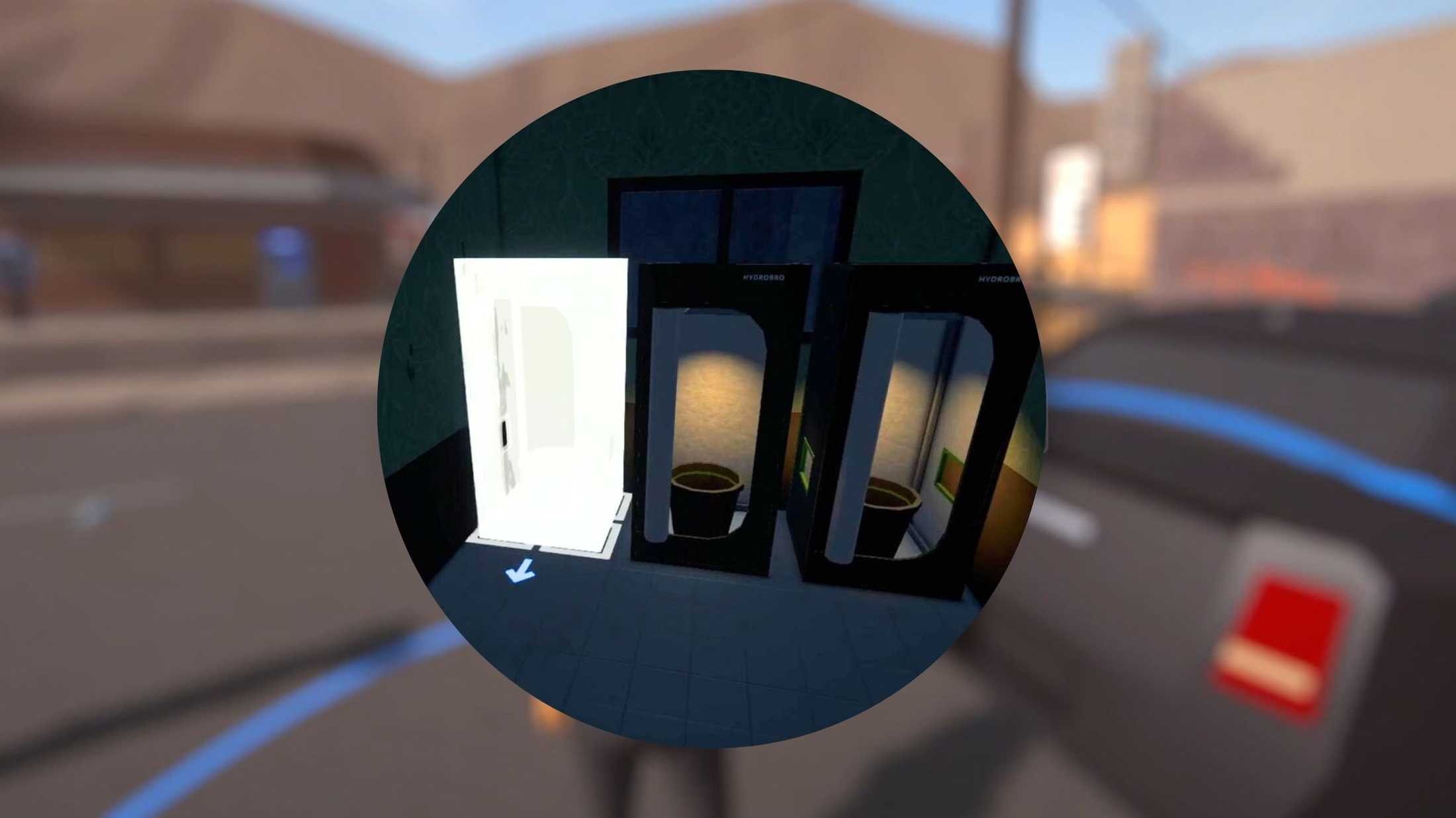
Credit: www.thegamer.com
Transporting The Tent
Moving a grow tent requires care to keep it in good condition. Proper transport helps avoid damage.
Follow simple steps to protect the tent and its parts during the move.
Protecting Tent Materials
Grow tents have delicate materials that need protection. Avoid tearing the fabric or bending poles.
- Remove all plants and soil before moving
- Clean the tent to prevent mold or dirt buildup
- Fold the tent carefully without sharp creases
- Wrap poles in bubble wrap or soft cloth
- Use a sturdy bag or box to hold tent parts
Organizing Equipment For Moving
Keep all tent accessories and tools organized. This saves time and avoids loss.
| Item | Packing Tip |
| Poles | Wrap and bundle separately |
| Fabric | Fold and place in protective bag |
| Lights | Use original boxes or padded containers |
| Fans and Filters | Remove and pack in secure boxes |
| Cables and Connectors | Label and store in zip bags |
Transport Safety Tips
Safe transport prevents damage and keeps you safe. Secure the tent and equipment well.
- Place the tent and parts on flat surfaces in the vehicle
- Use straps or bungee cords to hold items in place
- Drive slowly on rough roads to avoid shaking
- Check the load regularly during long trips
- Keep sharp objects away from tent materials
Setting Up In The New Location
Moving your grow tent to a new spot needs careful setup. This helps your plants stay healthy and grow well.
Follow clear steps to set up the tent. This keeps your system working smoothly in the new area.
Choosing The Right Spot
Pick a place with enough space for your grow tent. Make sure there is room to open and work around it.
Check if the spot has a power source nearby. Your tent needs electricity for lights and fans.
- Avoid damp or wet areas to stop mold growth
- Choose a quiet place to reduce noise disturbance
- Keep away from direct sunlight to control temperature
- Ensure good airflow around the tent
Reassembling Frame And Cover
Put the frame parts together tightly. Check that all corners fit well to keep the tent stable.
Next, cover the frame with the grow tent fabric. Pull the cover evenly to avoid wrinkles or gaps.
- Match the frame parts with the tent’s corners
- Use the zippers carefully to avoid damage
- Secure all openings to keep light inside
Reinstalling Lighting And Ventilation
Hang the grow lights in the right spots inside the tent. Follow the height guide to avoid burning plants.
Set up the ventilation system next. Attach fans and filters to keep air fresh and control temperature.
- Use adjustable hooks for light height changes
- Place fans to pull air through the tent
- Check all electrical connections for safety
- Test the system before adding plants

Credit: www.youtube.com
Restarting Your Grow Schedule
Moving grow tents can disrupt your plant’s growth cycle. Restarting your grow schedule helps plants adjust quickly. It keeps your plants healthy and growing strong.
Careful planning makes the transition smooth. This guide covers key steps to restart your grow schedule after moving your tent.
Monitoring Plant Health
Check your plants daily for any signs of stress. Look for yellowing leaves, drooping, or spots. Early detection helps prevent bigger problems.
Keep a journal to record changes in your plants. This shows how they respond after moving the grow tent.
- Inspect leaves and stems closely
- Note any color or texture changes
- Watch for pests or mold
- Record observations in a notebook
Adjusting Environmental Controls
After moving your grow tent, check temperature and humidity levels. Plants need stable conditions to grow well. Adjust lights and fans to maintain balance.
Use timers and sensors to automate control. This reduces stress on your plants and keeps your schedule consistent.
- Measure temperature daily
- Keep humidity in the right range
- Set lights to correct hours
- Use fans for air circulation
- Use timers for all equipment
Maintaining Routine Care
Keep feeding and watering on a regular schedule. Plants need routine care to recover from moving. Avoid overwatering or overfeeding.
Trim dead leaves and check soil moisture often. Regular care helps plants stay healthy and strong.
- Water plants as per their needs
- Feed with balanced nutrients
- Remove dead or yellow leaves
- Check soil moisture every day
- Keep a consistent light schedule
Frequently Asked Questions
How Do I Safely Move Grow Tents In Schedule 1?
To move grow tents safely, first turn off all equipment. Remove plants carefully and pack lights, fans, and filters securely. Use protective covers for the tent fabric to avoid damage. Move the tent slowly to prevent tears or misalignment. Reassemble and check all connections after relocation.
What Tools Are Needed To Move A Grow Tent?
Essential tools include screwdrivers, pliers, and zip ties for disassembly. Use a protective tarp or blanket to carry tent parts. Gloves help protect your hands during the move. A checklist ensures all components are packed and prevents loss or damage.
How Often Should Grow Tents Be Relocated?
Grow tents should be moved only when necessary, such as space optimization or facility changes. Frequent moves can stress plants and equipment. Plan relocation during non-flowering stages to minimize impact on plant growth and maintain a stable environment.
Can Plants Stay Inside During Tent Relocation?
It is best to remove plants before moving the tent. Plants are sensitive to sudden light and environment changes. Moving with plants inside risks damage and stress. Prepare a temporary safe space with appropriate light and temperature for plants during relocation.
Conclusion
Moving grow tents in Schedule 1 requires careful planning and care. Keep the plants safe during the move. Check the tent structure for any damage before setting it up again. Follow the rules for Schedule 1 plants to avoid problems.
Stay organized with your schedule to keep plants healthy. Small steps make a big difference in success. Taking time helps your plants grow strong and healthy. Moving tents does not have to be hard or stressful. With patience and care, you can manage the process well.