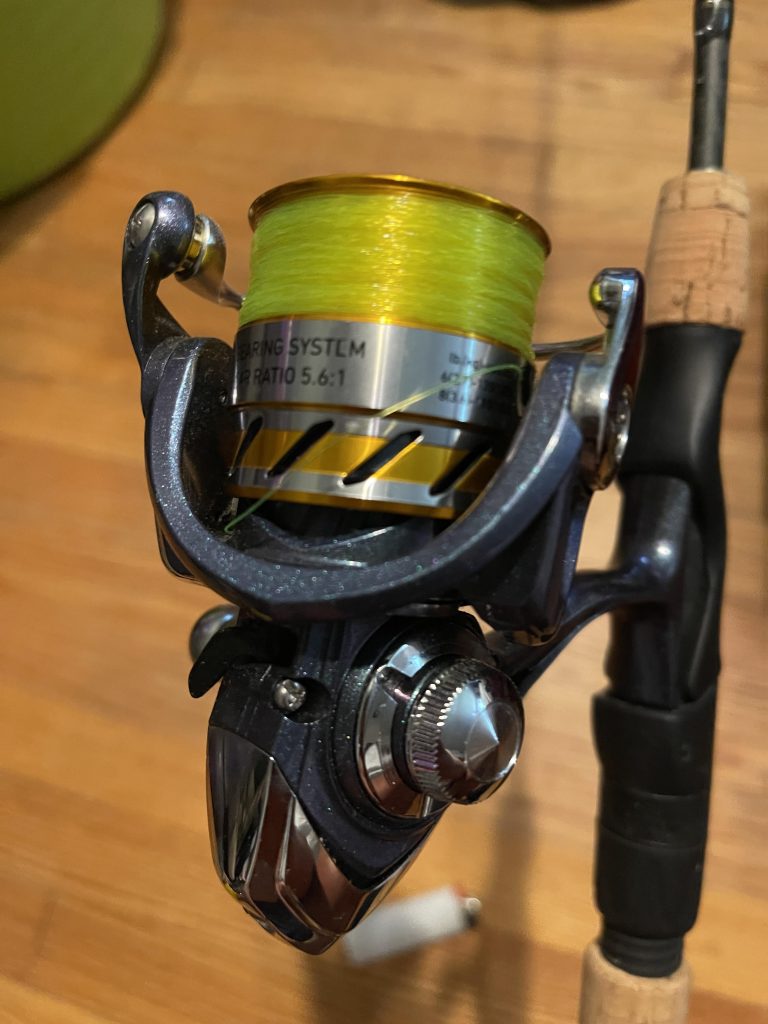
Have you ever been out fishing, only to find your rod won’t reel in when you need it most? It’s frustrating, right?
You’re ready for that big catch, but your gear just won’t cooperate. If you’re wondering, “Why is my fishing rod not reeling in? ” you’re not alone. This problem can happen to anyone, and it often comes down to a few simple issues you can fix yourself.
Keep reading, and you’ll learn exactly what might be stopping your reel from working smoothly—and how to get back to catching fish in no time.
Common Causes Of Reel Issues
If your fishing rod is not reeling in properly, the problem is often with the reel. Many common issues can cause this problem.
Understanding these issues helps you fix your reel and enjoy fishing again. Here are some common causes to check.
Line Tangling And Snags
Line tangling happens when the fishing line loops or knots on the reel. This stops the line from moving smoothly.
Snags occur when the line catches on something underwater or on the rod. Both tangles and snags make reeling hard.
- Check for knots and loops on the line
- Look for debris or weeds caught in the line
- Untangle the line carefully before reeling
- Replace old or damaged fishing line
Drag System Problems
The drag system controls how much resistance the fish feels when pulling the line. If it is set wrong, reeling can be difficult.
Sometimes the drag is too tight or too loose. Dirt or damage inside the drag system can also cause problems.
- Check the drag setting and adjust it properly
- Clean the drag washers regularly
- Replace worn drag parts if needed
- Test the drag before fishing
Reel Handle Malfunctions
If the reel handle feels stiff or does not turn, it may be broken or stuck. Handle issues stop the reel from working well.
Loose screws, broken gears, or lack of lubrication can cause the handle to malfunction.
- Tighten any loose screws on the handle
- Check for damaged or broken parts
- Apply lubricant to the handle and moving parts
- Replace the handle if it is cracked or bent
Gear And Bearing Wear
Gears and bearings help the reel spin smoothly. If they wear out, the reel may jam or feel rough.
Over time, dirt and salt can damage these parts. Regular cleaning and maintenance keep them working well.
- Inspect gears for signs of wear or damage
- Clean bearings and gears to remove dirt
- Lubricate parts with proper oil or grease
- Replace worn gears or bearings promptly

Credit: www.reddit.com
Inspecting Your Fishing Rod
If your fishing rod is not reeling in, there might be a problem. Checking the rod carefully can help you fix it. This guide will show you what to look for.
By inspecting the reel setup, line condition, and rod guides, you can pinpoint the issue. Let’s explore each part to ensure your rod works well.
Checking The Reel Setup
The reel is crucial for catching fish. First, ensure it is attached properly to the rod. Check if the screws are tight and the reel is secure.
Next, see if the drag setting is correct. A loose drag might cause the line to slip. Adjust it until you feel resistance when pulling the line.
- Ensure the reel is clean and free of sand or dirt
- Check that the handle turns smoothly without sticking
- Make sure the line is spooled correctly on the reel
Examining The Line Condition
The fishing line plays a key role. Check for knots, tangles, or frays. These can stop the line from moving smoothly through the guides.
Gently pull on the line to ensure it is not stuck. If it is tangled, unwind it carefully. Replace the line if it looks worn or damaged.
- Look for any weak spots along the line
- Check the line strength with a gentle pull test
- Ensure the line is the right type for your reel
Assessing The Rod Guides
The rod guides help the line travel smoothly. Inspect each guide for cracks or chips. Damaged guides can snag the line, causing problems.
Run your fingers over the guides to feel for rough edges. If a guide is damaged, it might need replacement or repair to function properly.
- Ensure guides are aligned in a straight line
- Check for rust or corrosion on metal guides
- Make sure the guides are firmly attached to the rod
Simple Fixes To Try At Home
Fishing rods may stop reeling for simple reasons. You can fix many problems at home without tools.
Try these easy tips to get your reel working smoothly again. Check each area carefully.
Untangling The Line
Tangled fishing line can stop your reel from turning. Look for knots or loops on the spool.
Gently pull the line to loosen knots. Use your fingers to untangle without breaking the line.
- Remove tight knots carefully
- Pull line evenly from the spool
- Keep the line smooth and straight
Lubricating The Reel
Dirt and rust can make your reel stiff. Lubricate moving parts to help it spin freely.
Use light oil designed for fishing reels. Apply a few drops to the handle, gears, and bearings.
- Clean reel before oiling
- Apply oil sparingly
- Turn handle to spread lubricant
Adjusting The Drag
Drag controls how much resistance the fish feels. If it is too tight, the reel may not turn.
Turn the drag knob to lower the tension. Test by pulling the line to check smoothness.
- Turn knob counterclockwise to loosen
- Test drag by hand
- Set drag for smooth line release
Tightening Loose Parts
Loose screws or handles can stop your reel from working well. Check all parts for tightness.
Use a screwdriver to tighten loose screws. Make sure the handle and spool are secure.
- Check handle screws
- Tighten spool cap
- Secure side plates if needed
When To Replace Parts
Your fishing rod may stop reeling in because some parts are worn out. Knowing when to replace these parts can save you time and effort on the water.
Check your gear regularly for damage or wear. Replacing parts at the right time keeps your rod working well and prevents bigger problems.
Signs Of Gear Damage
Gear damage can cause your reel to jam or not work smoothly. Look for cracks, bends, or broken teeth on the gears.
If the gear teeth are worn or missing, the reel will not turn properly. Replace damaged gears to keep reeling smooth and easy.
- Cracked or broken gear teeth
- Gears that slip or skip when turning
- Unusual noise from the reel
Worn Out Bearings
Bearings help the reel spin freely. Over time, they can wear out and cause rough or stiff reeling.
If you feel grinding or hear noise when turning the handle, your bearings may need replacement. New bearings make reeling smooth again.
- Grinding or rough feel when turning
- Noise from inside the reel
- Reel does not spin freely
Broken Handles And Knobs
Handles and knobs let you turn the reel easily. If they break or become loose, reeling becomes hard or impossible.
Replace broken handles or knobs to restore control and comfort. Make sure the new parts fit your rod model.
- Cracked or snapped handles
- Loose or wobbly knobs
- Handles that do not turn smoothly
Preventive Maintenance Tips
Keeping your fishing rod in good shape helps it work well every time. Preventive maintenance stops problems before they start.
Simple care routines improve your rod’s lifespan and performance. Follow these tips to keep your reel smooth and strong.
Regular Cleaning Routines
Clean your fishing rod and reel after every use. Dirt and salt can build up and cause damage over time.
Use fresh water and a soft cloth to wipe all parts gently. Avoid harsh chemicals that can harm the reel’s finish.
- Rinse with fresh water after saltwater fishing
- Dry all parts completely before storing
- Use a small brush to clean hard-to-reach spots
Proper Storage Practices
Store your fishing rod in a dry place away from direct sunlight. Heat and moisture can weaken the rod and reel.
Keep your rod standing or hanging to avoid bending. Use rod holders or racks to protect the shape.
- Avoid storing with the line under tension
- Keep reels loosened to reduce stress on parts
- Cover the rod and reel to prevent dust build-up
Using Quality Lines And Reels
Choose fishing lines that match your rod and reel strength. Poor quality lines can cause jams and reduce casting distance.
Use reels made from sturdy materials. Check for smooth operation before each fishing trip to avoid surprises.
- Select lines suited for your fishing style
- Replace old or frayed lines promptly
- Inspect reels for wear and oil moving parts regularly

Credit: www.reddit.com
Professional Repairs And Servicing
A fishing rod that does not reel in properly can spoil your fishing trips. Professional repairs and servicing help fix these problems quickly and safely. Experts know how to handle delicate reel parts without causing damage.
Regular maintenance by skilled technicians keeps your reel working smoothly. It extends the life of your fishing gear and improves your fishing experience.
Finding A Reliable Technician
Look for a technician who has experience with fishing reels. Check reviews and ask for recommendations from other anglers. A good technician will diagnose the problem and explain the repair process clearly.
- Check certifications or training in fishing gear repair
- Ask about the types of reels they service
- Compare prices and services from multiple shops
- Look for guarantees on repairs
Cost Vs. Repair Benefits
Repairing your fishing reel can be cheaper than buying a new one. It saves money and reduces waste. Consider the age and condition of your reel before deciding.
| Repair Type | Average Cost | Benefit |
| Cleaning and Lubrication | $20 – $40 | Improves smoothness and performance |
| Replacing Broken Parts | $30 – $70 | Restores full function |
| Full Reel Overhaul | $50 – $100 | Extends reel lifespan |
When To Upgrade Your Reel
Sometimes repairs are not enough. If your reel is old or parts are hard to find, it might be time to upgrade. New reels offer better technology and durability.
- Your reel has frequent breakdowns
- Repair costs exceed half the price of a new reel
- Parts are no longer available
- You want features like better drag or lighter weight

Credit: www.reddit.com
Frequently Asked Questions
Why Is My Fishing Rod Not Reeling Smoothly?
Your reel might be dirty or rusty. Clean and lubricate the reel regularly. Check for tangled or damaged line causing resistance.
How To Fix A Stuck Fishing Reel?
A stuck reel often results from debris or corrosion. Disassemble, clean, and lubricate the reel parts carefully to restore smooth operation.
Can Fishing Line Issues Stop Reeling?
Yes, line tangles or knots can jam the reel. Inspect and replace damaged or old fishing line for better performance.
Does Reel Drag Affect Reeling Performance?
Improper drag settings can hinder reeling. Adjust drag tension according to fish size and line strength to ensure smooth reeling.
Conclusion
A fishing rod that won’t reel can be frustrating. Check the reel for dirt or damage first. Make sure the line is not tangled or stuck. Tighten the drag if it feels loose. Regular cleaning helps the reel work smoothly.
Small problems often cause big reel issues. Fixing these can bring back your fishing fun. Keep your gear in good shape for best results. Don’t let a stuck reel stop your day outdoors. Simple steps can make a big difference.