Have you ever picked up a fishing rod and wondered, “What does the action really mean?” Understanding rod action can change the way you fish. It affects how your rod bends, how you cast, and how you feel the fish on the line.
Knowing this can make your fishing trips more successful and enjoyable. If you want to catch more fish and get the most out of your gear, keep reading. This simple idea might just transform your fishing experience.

Credit: anglersresource.net
Action On Fishing Rods
Fishing rods come with different actions. The action of a fishing rod affects how it bends. This is important for casting and catching fish.
Understanding rod action helps in choosing the right rod. Each type of action suits different fishing styles.
Defining Rod Action
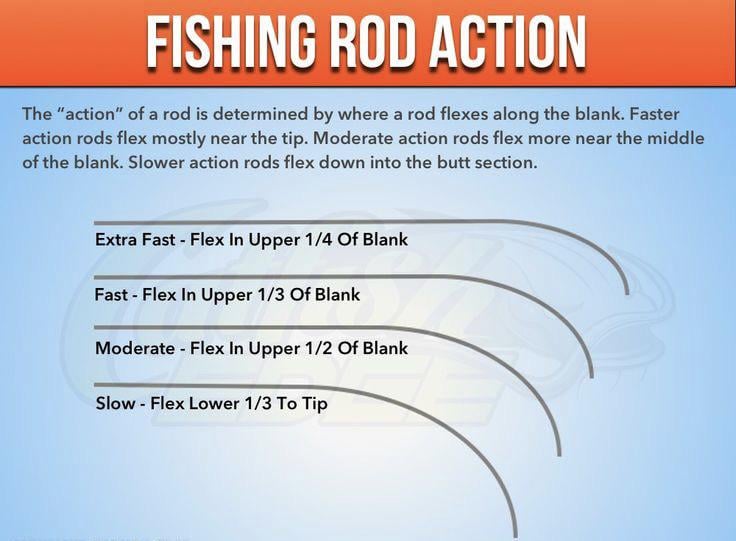
Rod action describes where a rod bends. This can be at the tip, middle, or near the handle. It affects how the rod feels and performs.
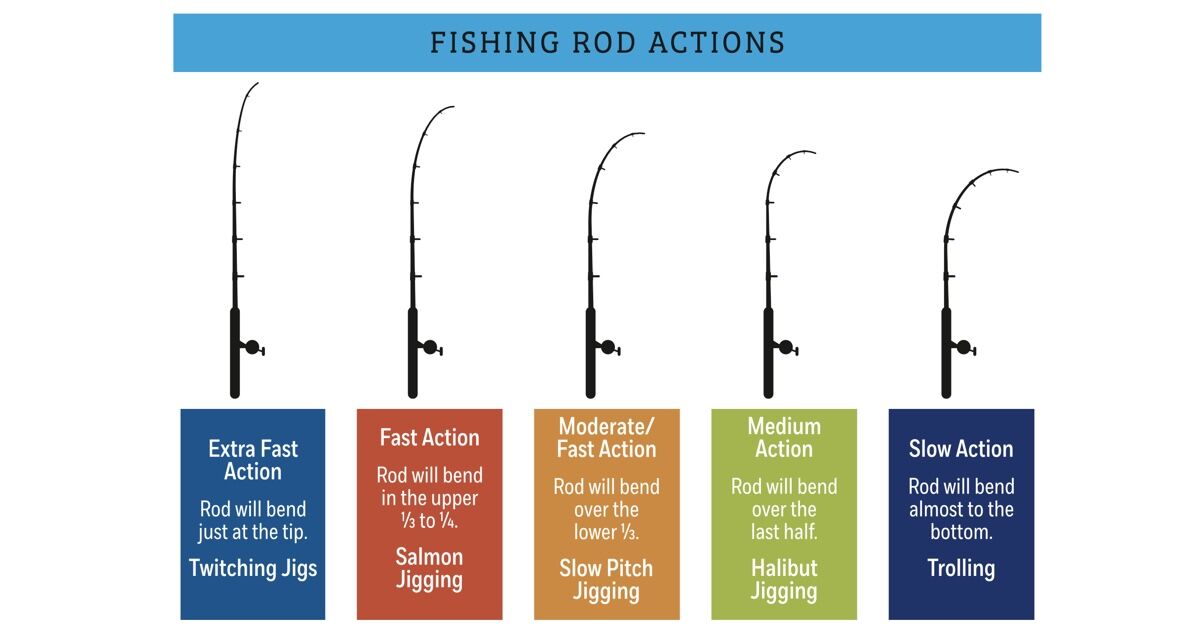
Faster action rods bend near the tip. Slower action rods bend closer to the handle. Medium action rods bend in the middle.
Types Of Rod Action
There are three main types of rod action: fast, medium, and slow. Each type is used for different fishing techniques.
- Fast action rods are good for long casts and big fish.
- Medium action rods are versatile and good for various fish sizes.
- Slow action rods are best for small fish and short casts.
Fast Action Rods
Fast action rods bend mostly at the tip. This design makes them very sensitive. Anglers can feel bites quickly.
These rods offer strong power for quick hook sets. They help cast lures with precision and speed.
Characteristics
Fast action rods have a stiff backbone and a flexible tip. The tip bends about 20-30% of the rod length.
- Quick tip response for better bite detection
- Powerful backbone for strong hook sets
- Allows long and accurate casts
- Usually made with graphite or composite materials
- Suitable for heavier lures and lines
Best Uses
Fast action rods work well for many fishing styles. They suit anglers who want control and quick action.
| Fishing Style | Reason for Use |
| Bass Fishing | Quick hook sets in heavy cover |
| Saltwater Fishing | Handling strong fish and heavy lures |
| Topwater Fishing | Fast rod tip action for lure control |
| Jigging | Precise lure placement and feel |
Medium Action Rods
The action of a fishing rod shows how much the rod bends when you put pressure on it. Medium action rods bend in the middle of the blank. This gives a good balance between strength and flexibility.
Medium action rods are popular because they work well for many types of fishing. They offer enough power to catch medium-sized fish and enough bend to feel the bite.
Characteristics
Medium action rods bend about halfway down the rod. This means the top half is flexible, and the bottom half is firm. They provide a good mix of control and sensitivity.
- Flexible tip for better hook setting
- Stiff midsection for stronger hook pulls
- Good balance of power and sensitivity
- Suitable for various fishing lines and lures
Best Uses
Medium action rods work well for many fish types and fishing styles. They are great for casting medium-weight lures and handling fish that fight hard but are not very large.
- Catching bass and trout
- Fishing in lakes, rivers, and ponds
- Using soft plastic baits and crankbaits
- General purpose fishing for beginners and experts
Credit: islandfishermanmagazine.com
Slow Action Rods
The action of a fishing rod shows how much it bends when you apply pressure. Slow action rods bend mostly from the handle to the tip. They have a gentle curve and flex throughout the whole rod.
Slow action rods are great for certain fishing styles. They help control the fish better and reduce line breaks. Understanding their features helps you pick the right rod.
Characteristics
Slow action rods bend deeply and flex from the handle to the tip. They have a soft and smooth feel. These rods cast lighter lures well and provide good shock absorption.
- Bends evenly along the rod length
- Flexible and soft action
- Good for casting light baits
- Absorbs sudden fish movements
- Slower hook setting speed
Best Uses
Slow action rods work well for small fish and light lures. They are ideal for fishing in areas with a lot of cover. These rods help prevent the line from breaking on strong fights.
- Fishing with soft plastic baits
- Targeting small to medium fish
- Fishing in weeds or brush
- Using light line and lures
- Catch and release fishing
Impact Of Action On Casting
The action of a fishing rod tells how fast the rod bends and recovers. It affects how you cast your line and handle the lure.
Understanding rod action helps improve casting distance and accuracy. It also gives better control over your fishing technique.
Casting Distance
Rod action plays a key role in how far you can cast. Fast action rods bend near the tip and snap back quickly. This helps send the lure farther.
- Fast action rods give longer casts with less effort.
- Medium action rods bend more and cast at moderate distances.
- Slow action rods bend the entire length, casting shorter distances.
Accuracy And Control
Rod action also affects how precise your casts are. Fast action rods offer better control for accurate placement of the lure.
| Rod Action | Accuracy | Control |
| Fast | High | High |
| Medium | Moderate | Moderate |
| Slow | Lower | Lower |
Action And Fish Species
The action of a fishing rod shows how much the rod bends when you pull it. It affects how you feel the fish and how you fight it.
Different fish need different rod actions. Choosing the right action helps catch fish more easily and safely.
Matching Rod Action To Target Fish
Light action rods bend easily and work well for small fish. Medium action rods bend less and suit medium fish. Heavy action rods are stiff and good for big fish.
Soft rod actions let you feel small bites. Stiff rods give power to pull big fish out of cover.
Examples By Species
Trout fishing works best with light or ultralight action rods. These rods help you feel gentle bites and cast small lures far.
- Light action rods for trout under 5 pounds
- Ultralight rods for very small trout or panfish
Bass fishing usually uses medium action rods. They provide a good balance of sensitivity and power to catch bass in various places.
- Medium action rods for bass up to 10 pounds
- Medium-heavy rods for bigger bass and heavy cover
For big fish like pike or catfish, heavy action rods are best. They offer strength to fight large, strong fish.
- Heavy action rods for pike and large catfish
- Extra heavy rods for very large fish or deep water fishing
Choosing The Right Action
The action of a fishing rod tells how much the rod bends when you pull on it. It affects how you cast and fight fish.
Choosing the right action helps you fish better and enjoy your time on the water.
Fishing Techniques
Different fishing styles need rods with different actions. Fast action rods bend near the tip. They work well for long casts and quick hook sets.
Slow action rods bend from the middle to the base. They are good for casting light baits and fighting small fish gently.
- Fast action for heavy lures and big fish
- Medium action for versatile fishing
- Slow action for light lures and small fish
Personal Preference
Your comfort and style also matter when choosing rod action. Some anglers like rods that feel stiff. Others prefer rods that flex more.
Try different rods to see what feels right. The best rod action is one that fits your strength and fishing habits.

Credit: www.reddit.com
Maintenance Tips For Rod Action
Understanding rod action helps you keep your fishing rod in good shape. Proper care keeps its flexibility and strength.
Follow simple maintenance steps to protect your rod’s action and improve its life span.
Preserving Flexibility
Flexibility is key to a rod’s action. Keep your rod flexible by storing it right and cleaning it regularly.
- Store the rod in a cool, dry place away from direct sunlight.
- Clean the rod with fresh water after each use to remove dirt and salt.
- Use a soft cloth to wipe the rod dry after cleaning.
- Check guides and joints for dirt and clean them gently.
- Use rod sleeves or cases to protect the rod during transport.
Avoiding Damage
Damage can change the rod’s action and reduce its performance. Handle your rod with care to avoid breaks.
| Cause | How to Avoid |
|---|---|
| Overbending | Do not force the rod beyond its natural bend limit. |
| Impact | Avoid dropping or hitting the rod on hard surfaces. |
| Corrosion | Rinse the rod after use in saltwater and dry it well. |
| Improper Storage | Store rods horizontally or hang them to prevent warping. |
| Loose Guides | Check guides regularly and tighten or replace if loose. |
Frequently Asked Questions
What Does “action” Mean On A Fishing Rod?
Action refers to how much and where the fishing rod bends when pressure is applied. It affects casting and fish fighting performance.
How Does Rod Action Affect Casting Distance?
Faster action rods bend less and release the lure quicker. This results in longer and more accurate casts for skilled anglers.
Which Rod Action Is Best For Beginners?
Medium action rods are ideal for beginners. They offer a good balance of flexibility and power for various fishing situations.
Can Rod Action Impact Fish Fighting Ability?
Yes, fast action rods provide more sensitivity and hook-setting power. Slow action rods offer better shock absorption during fights.
Conclusion
Knowing the action of a fishing rod helps you choose the right one. It tells how fast the rod bends and recovers. Fast action rods bend near the tip, giving more sensitivity. Slow action rods bend more, giving smoother casts.
Matching the rod action to your fishing style improves your experience. It makes casting easier and helps control the fish better. Remember, understanding rod action saves time and effort on the water. Choose wisely for more fun and success while fishing.