Keeping your grow tent clean is one of the smartest steps you can take to ensure healthy plants and a successful harvest. You might not realize it, but dirt, mold, and pests can quickly build up in your tent, putting your plants at risk.
If you want to avoid common problems and keep your grow space fresh and safe, learning how to clean your grow tent properly is essential. In this guide, you’ll discover simple, effective tips that make cleaning quick and stress-free. Ready to protect your plants and boost your grow?
Let’s dive in!
Credit: blimburnseeds.com
Preparing For Cleaning
Cleaning your grow tent is important to keep plants healthy. Proper preparation makes cleaning easier and safer.
Before you start, get everything ready. This helps avoid damage to your plants and equipment.
Gathering Cleaning Supplies
Collect all cleaning tools before you begin. Use safe and effective supplies to avoid harming plants.
- Mild soap or plant-safe detergent
- Soft cloths or sponges
- Spray bottle with water
- Disposable gloves
- Trash bags for waste
- Disinfectant safe for grow tents
Removing Plants And Equipment
Take out all plants carefully to avoid damage. Move equipment like lights and fans away from the tent.
Clean equipment separately to keep it in good condition. Clearing the tent helps you clean every corner well.
- Handle plants gently to avoid stress
- Unplug and remove electrical items
- Place equipment on a clean surface
- Check plants for pests before storing
Ensuring Proper Ventilation
Good airflow helps dry the tent after cleaning. Open vents and doors to let fresh air in.
Ventilation also reduces mold and mildew growth. Use fans if needed to speed up drying.
- Open all windows and vents
- Use fans to increase air circulation
- Keep the tent dry after cleaning
- Avoid sealing the tent until fully dry
Cleaning The Interior
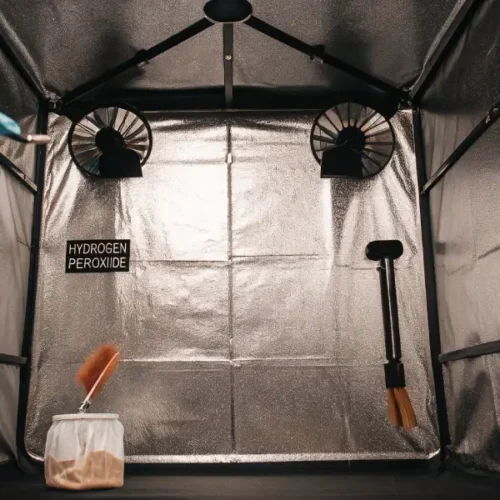
Keeping your grow tent clean is important. It helps plants stay healthy and grow strong. Regular cleaning of the interior keeps pests and diseases away.
Focus on cleaning the walls, floor, and reflective materials. This will create a safe and productive environment for your plants.
Wiping Down Walls And Surfaces
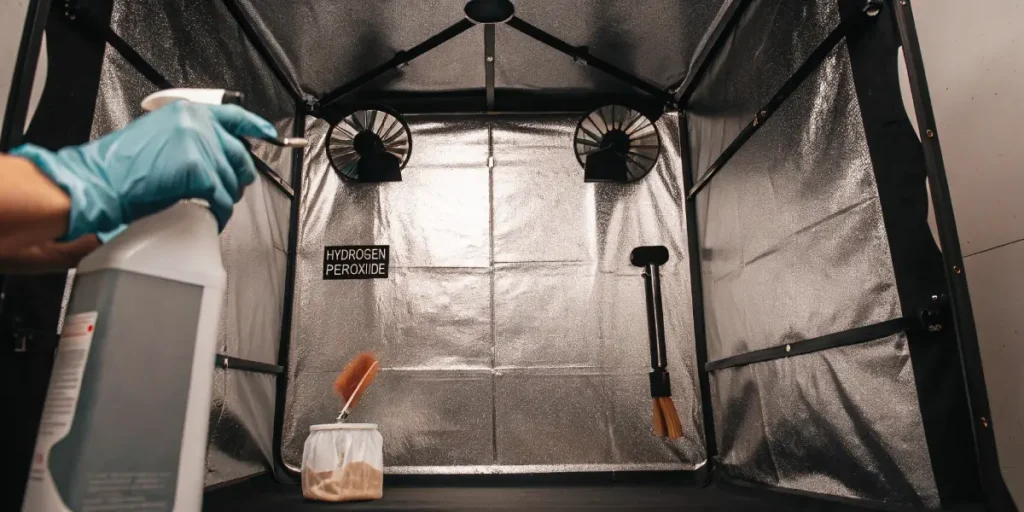
Use a soft cloth to wipe down the walls. A gentle cleaner like soapy water works well. Avoid harsh chemicals that may harm plants.
Pay attention to corners and edges. Dust and dirt often hide in these areas. A clean surface helps light reflect better for plant growth.
Sanitizing The Floor
The floor can collect dirt and debris. Sweep or vacuum to remove particles. After that, use a mop with a mild disinfectant.
Ensure the floor is dry after cleaning. A dry floor prevents mold and bacteria from growing. Keeping the floor clean is vital for plant health.
Cleaning Reflective Materials
Reflective materials enhance light for plants. Dirty surfaces reduce their effectiveness. Use a clean cloth and gentle cleaner to wipe them.
Check for any damage or wear. Replace materials if they no longer reflect light well. Good reflection supports better plant growth.
Maintaining Ventilation And Filters
Cleaning your grow tent’s ventilation and filters is key to healthy plants. Good airflow stops mold and pests.
Keep vents and filters clean for fresh air and better growth. Regular checks save you time and money.
Cleaning Air Filters
Air filters catch dust and particles from the air. Dirty filters reduce airflow and hurt plant health.
- Turn off the fan before cleaning.
- Remove the filter gently from the vent.
- Use a soft brush or vacuum to clean dust.
- Wash with mild soap and water if reusable.
- Let the filter dry completely before reinstalling.
Checking Ventilation Ducts
Ventilation ducts carry air in and out of your tent. Blocked or torn ducts cause poor airflow.
| Check Point | What to Look For | Action Needed |
| Duct Connections | Loose or detached parts | Tighten or reattach securely |
| Duct Surface | Cracks, holes, or tears | Patch or replace damaged sections |
| Duct Cleanliness | Dust buildup inside ducts | Clean with a damp cloth or brush |
Replacing Carbon Filters
Carbon filters remove odors and harmful gases. Over time, they lose effectiveness.
- Turn off all power to your ventilation system.
- Detach the old carbon filter carefully.
- Check the size and type of your current filter.
- Install the new carbon filter firmly in place.
- Test the ventilation for proper airflow and odor control.
Disinfecting Tools And Equipment
Cleaning your grow tent tools is very important. It helps stop disease and pests. You need to disinfect all your equipment regularly.
Disinfecting keeps plants healthy and growing well. Use safe and strong cleaners for the best results.
Sterilizing Pruning Tools
Pruning tools like scissors and shears can spread germs. Clean them after each use to stop infections.
Use rubbing alcohol or a bleach solution to sterilize your tools. Wipe blades carefully and let them dry before storing.
- Remove dirt and sap with water and soap
- Dip or wipe tools with 70% rubbing alcohol
- Or soak in 10% bleach solution for 10 minutes
- Dry tools completely before next use
Cleaning Pots And Trays
Pots and trays hold soil and plants. They can carry pests and mold if not cleaned well.
Wash pots and trays with soap and water. After washing, disinfect them with a safe solution.
- Rinse off dirt and debris first
- Use warm water and mild soap to scrub
- Soak in diluted bleach or hydrogen peroxide
- Rinse thoroughly and let air dry
Handling Electrical Equipment
Electrical parts need careful cleaning to avoid damage and shock. Never soak or spray water on them.
Use a dry cloth or a slightly damp cloth with alcohol to clean switches and cords. Make sure devices are unplugged before cleaning.
- Unplug all electrical equipment first
- Use a dry cloth to remove dust
- For sticky spots, use a cloth with rubbing alcohol
- Keep liquids away from plugs and sockets
- Allow equipment to dry fully before plugging back in
Preventing Mold And Pests
Keeping your grow tent clean helps stop mold and pests. These problems can harm your plants and reduce growth.
Using the right methods keeps your tent safe and your plants healthy. This guide covers natural pest deterrents, humidity control, and inspection tips.
Using Natural Pest Deterrents
Natural pest deterrents keep bugs away without chemicals. They protect plants and the environment inside your tent.
- Use neem oil spray to repel insects.
- Place sticky traps to catch flying pests.
- Add beneficial insects like ladybugs to eat harmful bugs.
- Use garlic or peppermint sprays as natural repellents.
- Keep the tent clean to reduce pest hiding spots.
Controlling Humidity Levels
High humidity causes mold growth and attracts pests. Control moisture to keep your tent safe.
| Humidity Level | Effect |
| Below 40% | Plants may dry out and slow growth. |
| 40% to 60% | Ideal for most plants and mold prevention. |
| Above 60% | Increases risk of mold and pests. |
Use a dehumidifier or fan to keep humidity in the ideal range. Monitor daily with a hygrometer.
Regular Inspection Tips
Check your grow tent often to catch problems early. Regular inspections stop mold and pests before they spread.
- Look under leaves and on stems for bugs or eggs.
- Inspect soil for mold or fungus patches.
- Check all corners and seams for moisture buildup.
- Clean any dirt or debris found during inspection.
- Record inspection dates to keep a maintenance schedule.
Credit: blimburnseeds.com
Routine Maintenance Tips
Keeping your grow tent clean helps your plants stay healthy. Dirt and pests can harm your plants.
Regular cleaning stops problems before they grow. Simple steps make your tent safe and fresh.
Setting A Cleaning Schedule
Create a cleaning plan that fits your grow tent size and plant types. Stick to it to keep dirt low.
- Check the tent weekly for dust and spills.
- Clean surfaces every two weeks with mild soap.
- Disinfect the tent monthly to kill germs.
- Replace or wash filters as needed.
Quick Daily Cleanups
Spend a few minutes daily to tidy your tent. This stops dirt build-up and pest problems.
- Remove dead leaves and plant debris.
- Wipe off water spills to avoid mold.
- Check for pests on leaves and soil.
- Keep tools and pots clean and stored.
Tracking Plant Health
Healthy plants show good signs. Track these to spot issues early and keep plants strong.
| Sign | What It Means | Action |
| Yellow Leaves | Possible nutrient lack | Check soil and feed plants |
| Wilting | Too little or too much water | Adjust watering schedule |
| Spots or Holes | Pest damage | Inspect and treat pests |
| Slow Growth | Light or nutrient issue | Check light and soil quality |
Credit: www.youtube.com
Frequently Asked Questions
How Often Should I Clean My Grow Tent?
Clean your grow tent every 1-2 weeks to prevent mold and pests. Regular cleaning maintains plant health and improves yield.
What Cleaning Solutions Are Safe For Grow Tents?
Use a mixture of water and mild soap or hydrogen peroxide. Avoid harsh chemicals that may harm plants or damage tent fabric.
How Do I Remove Odors From A Grow Tent?
Clean surfaces thoroughly and use activated charcoal filters or odor neutralizers. Proper ventilation also helps reduce unwanted smells effectively.
Can I Use Bleach To Clean My Grow Tent?
Yes, dilute bleach with water (1:10 ratio) to disinfect. Rinse well and dry completely to avoid chemical residue harming plants.
Conclusion
Cleaning your grow tent keeps plants healthy and pests away. Regular care saves time and prevents problems later. Use gentle cleaners and dry everything well. Check all corners and replace damaged parts. A clean tent helps plants grow strong and fresh.
Keep a routine, and your grow space stays safe. Simple steps make a big difference in the end. Clean tent, happy plants, better harvests. Easy to do, worth the effort every time.