
Creating a strong baseball batting lineup can be the key to winning your next game. But how do you decide who bats first, second, or last?
If you’re feeling overwhelmed or unsure where to start, you’re not alone. The good news is, with a few simple tips and strategies, you can build a lineup that maximizes your team’s strengths and keeps the pressure on your opponents.
Keep reading, and you’ll discover exactly how to make a baseball batting lineup that gives your team the best chance to score runs and come out on top.

Credit: www.etsy.com
Basics Of A Batting Lineup
A baseball batting lineup is the order players bat during a game. The lineup affects how well the team scores runs.
Each player has a role based on their skills. Coaches arrange players to create the best scoring chances.
Roles Of Each Batting Position
Each spot in the batting order has a special role. Players fit these roles based on their speed, power, and hitting ability.
- 1st batter (Leadoff):Fast and good at getting on base.
- 2nd batter:Good at making contact and moving runners.
- 3rd batter:Best all-around hitter with power and average.
- 4th batter (Cleanup):Strong hitter who drives in runs.
- 5th batter:Another power hitter to back up the cleanup.
- 6th to 9th batters:Usually less strong hitters but can help the lineup stay balanced.
Common Batting Order Patterns
Teams use common patterns to build a lineup. These patterns help spread out hitters and create scoring chances.
- Fast players usually bat first and second.
- The best hitter bats third to set up runs.
- Power hitters bat fourth and fifth to drive in runners.
- Contact hitters fill the middle spots to keep the lineup going.
- Weaker hitters bat last to turn the lineup over.
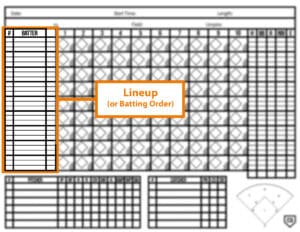
Credit: gorout.com
Analyzing Player Strengths
Creating a baseball batting lineup requires understanding each player’s abilities. Analyzing player strengths is key to crafting a winning team.
Focus on hitting skills, speed, and defensive abilities to make informed decisions. This guide will help you assess each aspect effectively.
Assessing Hitting Skills
Evaluate how well players can hit the ball. Look at their batting averages and power-hitting abilities. Consistent hitters should bat early in the lineup.
Power hitters can drive in runs, so position them strategically. Balance is key to prevent weak spots in the lineup.
- Check batting averages for consistency
- Identify players with strong power-hitting
- Balance the lineup with a mix of skills
Evaluating Speed And Base Running
Speed on the bases can change the game’s dynamics. Players with quick feet create scoring opportunities. They can also distract pitchers and catchers.
Fast runners should be placed ahead of power hitters. This arrangement maximizes the chance of scoring with extra-base hits.
- Identify players with high base-stealing rates
- Position fast runners before power hitters
- Use speed to pressure the defense
Considering Defensive Abilities
Defensive skills are crucial for team success. Strong defenders can prevent runs and support pitchers. Analyze fielding percentages and range.
Players with exceptional defense often bring stability. They should be placed in key positions to make vital plays.
- Review fielding percentages for accuracy
- Evaluate player range and reaction time
- Position strong defenders in critical areas
Crafting The Lineup
Creating a good baseball batting lineup helps your team score more runs. It takes planning and knowing your players well.
This guide explains how to arrange hitters to make the lineup strong and balanced.
Selecting The Leadoff Hitter
The leadoff hitter should be fast and good at getting on base. This player starts the scoring chances.
Choose someone with a high on-base percentage and good contact skills. They set the tone for the team.
Choosing The Power Hitters
Power hitters are the players who can hit home runs and extra-base hits. Put them where they can drive in runs.
Usually, power hitters bat third, fourth, or fifth to bring runners home.
- Third spot: good bat control and power
- Fourth spot: the strongest power hitter
- Fifth spot: backup power hitter
Placing Contact Hitters Strategically
Contact hitters make consistent, solid contact with the ball. They help move runners and keep innings alive.
Place contact hitters in spots where they can advance runners or avoid strikeouts.
- Second spot: good at bunting and hitting behind runners
- Sixth spot: steady hitter to support power batters
- Bottom spots: players who can get on base and surprise the defense
Balancing Left And Right-handed Batters
Mix left and right-handed hitters to keep the pitcher guessing. It also helps against different pitchers.
A balanced lineup makes it harder for the opposing team to choose pitchers and defensive shifts.
- Alternate left and right-handed batters
- Avoid long stretches of same-handed hitters
- Place hitters based on pitcher matchups and player strengths
Advanced Strategies
Creating a strong baseball batting lineup takes more than just placing your best hitters first. Advanced strategies help you get the most from each player. These approaches improve your chances of scoring runs and winning.
Understanding the opposing team and using data can guide your lineup choices. This helps balance power, speed, and skill in the right order.
Adjusting Lineup For Opposing Pitchers
Each pitcher has strengths and weaknesses. Adjust your batting order to exploit these. For example, if the pitcher struggles with left-handed hitters, place more lefties near the top.
Also, consider pitch types and speed. Hitters who perform better against fastballs should face fastball pitchers earlier.
- Identify pitcher’s weak spots
- Place hitters who match those spots early
- Swap lineup spots if the pitcher changes
Incorporating Player Matchups
Some hitters do better against certain pitchers. Use past performance to decide who faces whom. This keeps your lineup flexible and strong.
Matchups also include batter vs. pitcher handedness. Right-handed hitters often hit better against left-handed pitchers and vice versa.
- Review hitter vs. pitcher records
- Adjust batting order based on strengths
- Consider pinch hitters for tough matchups
Using Data Analytics In Lineup Decisions
Data analytics can show which lineup orders score the most runs. Use stats like on-base percentage and slugging to place hitters smartly.
Advanced stats also reveal who performs well in clutch situations. These players can bat in key spots to drive in runs.
| Statistic | What It Shows | Lineup Use |
|---|---|---|
| On-Base Percentage (OBP) | How often a player reaches base | Place high OBP hitters near top |
| Slugging Percentage (SLG) | Power hitting ability | Put power hitters in cleanup spots |
| Clutch Hitting | Performance under pressure | Use clutch hitters in run-scoring spots |
Common Mistakes To Avoid
Creating a baseball batting lineup takes more than just placing the best hitters first. Mistakes can lower your team’s chances to score and win.
It is important to know which errors to avoid when setting your lineup. This helps your team perform better at bat.
Overloading Power Hitters Early
Putting too many power hitters at the top can hurt your lineup. You may run out of strong batters later in the order.
This can make it harder to bring runners home in the middle and end innings. Spread power hitters to keep pressure on the defense.
- Limit power hitters to two or three in the first five spots
- Place contact hitters to balance the lineup
- Keep strong hitters near the bottom to support late innings
Ignoring Player Fatigue
Not considering player tiredness can lower batting performance. Fatigued players may miss good pitches or make poor swings.
Rotate players or adjust the lineup to keep hitters fresh. This helps maintain energy and focus throughout the game.
- Watch for signs of tiredness in players
- Rest key hitters when needed
- Use substitutions wisely to keep players sharp
Neglecting Situational Hitting
Not planning for game situations can hurt your team’s chances. Batters should adjust their approach based on the inning and runners on base.
Teach players to hit behind runners or bunt when needed. This helps move runners and score more runs.
- Prepare players for different game scenarios
- Encourage smart hitting over power in key moments
- Use lineup spots to place situational hitters strategically

Credit: www.youtube.com
Testing And Refining Your Lineup
Creating a strong baseball batting lineup takes testing and refining. You must watch how players perform and make changes. This helps your team get better at hitting and scoring runs.
Refining your lineup is an ongoing process. You keep adjusting based on real data and player input. This guide covers key ways to test and improve your batting order.
Monitoring Performance Metrics
Tracking player stats shows how well your lineup works. Look at hits, strikeouts, walks, and runs scored. These numbers help you see who is hot or cold at the plate.
| Metric | Description | Why It Matters |
| Batting Average | Hits divided by at-bats | Shows hitting consistency |
| On-Base Percentage | Times on base divided by plate appearances | Measures ability to avoid outs |
| Slugging Percentage | Total bases divided by at-bats | Shows power hitting |
| Runs Batted In (RBI) | Runs scored because of a player’s hit | Shows clutch performance |
Making Mid-game Adjustments
Adjust your lineup during the game to respond to how players perform. Swap hitters who struggle with others who may have better chances. Watch the opposing pitcher’s style and change accordingly.
- Move faster runners higher to steal bases
- Place strong hitters after those who get on base
- Use pinch hitters if a player is tired or cold
- Shift hitters based on the pitcher’s pitch type
Soliciting Player Feedback
Ask players how they feel about their spots in the lineup. They may share useful ideas on timing and matchups. Player confidence can improve if they have input.
Questions to ask your players:
- How comfortable are you with your current batting order spot?
- Do you prefer hitting before or after certain teammates?
- Are there pitchers you hit better against?
- Do you feel confident facing the current pitcher?
Frequently Asked Questions
What Is A Baseball Batting Lineup?
A baseball batting lineup is the order in which players bat during a game. It optimizes team scoring chances. Coaches arrange players based on skills, speed, and hitting ability to maximize offensive performance.
How Do You Decide The First Batter?
The first batter, or leadoff hitter, is usually fast with strong on-base skills. Their job is to reach base and create scoring opportunities early in the game.
Why Is Batting Order Important In Baseball?
Batting order affects game momentum and scoring. A well-planned lineup balances power hitters and contact hitters, increasing the chance to score runs consistently throughout the game.
How Many Players Are In A Batting Lineup?
A standard baseball batting lineup consists of nine players. Each player bats in a specific order that repeats every inning, giving each a chance to contribute offensively.
Conclusion
Creating a strong baseball batting lineup takes thought and practice. Choose players based on their skills and strengths. Balance hitters who can get on base with those who can hit for power. Keep the lineup flexible to adapt during the game.
Watching how players perform helps improve your decisions. A good lineup boosts the team’s chance to score runs. Try different orders and see what works best. Enjoy the process of building a team that plays well together. Keep learning and adjusting for better results next time.