Are you tired of your fishing line snapping at the worst moments? Putting new fishing line on your reel the right way can make all the difference between a great catch and frustration.
Whether you’re a beginner or just need a quick refresher, this simple guide will walk you through every step. By the end, you’ll feel confident and ready to hit the water with a perfectly spooled reel. Keep reading—your next big catch could depend on it!
Choosing The Right Fishing Line
Choosing the right fishing line is key to a good fishing experience. The line affects how you cast, catch, and handle fish.
This guide helps you pick the right line by looking at types, strength, thickness, and matching to your reel and rod.
Types Of Fishing Lines
There are three main types of fishing lines: monofilament, fluorocarbon, and braided. Each has its own features.
- Monofilament:Easy to handle and stretchable, good for beginners.
- Fluorocarbon:Less visible underwater and more resistant to abrasion.
- Braided:Very strong and thin, but more visible in clear water.
Line Strength And Thickness
Line strength is measured in pounds and shows how much weight it can hold. Thickness affects casting and line visibility.
| Line Type | Typical Strength (lbs) | Thickness (mm) |
| Monofilament | 4-20 | 0.10-0.35 |
| Fluorocarbon | 6-25 | 0.09-0.30 |
| Braided | 10-50 | 0.06-0.25 |
Matching Line To Reel And Rod
Your reel and rod have recommended line strengths and types. Using the correct line keeps your setup balanced.
- Check the reel spool capacity to choose the right line length and thickness.
- Match the line strength to the rod’s power rating.
- Use lighter lines for light rods and heavier lines for strong rods.
- Consider the type of fish you want to catch and the fishing environment.

Credit: windrider.com
Preparing Your Reel
Before you put new fishing line on your reel, it’s important to prepare it properly. This ensures smooth operation and helps avoid tangles. Let’s go through the steps to get your reel ready.
Proper preparation includes removing the old line, cleaning the reel, and checking the components. These steps will make your fishing experience better.
Removing Old Line
Start by removing the old line from your reel. This will prevent any tangling with the new line. Use scissors or a line cutter to make this task easy.
Discard the old line in a responsible way. Some places have recycling bins just for fishing line.
Cleaning The Reel
Cleaning your reel helps it last longer. Use a soft cloth to wipe away dirt and salt. Focus on the spool, handle, and any moving parts.
A gentle brush can reach small spaces. Avoid getting water inside the reel as it can cause damage.
Checking Reel Components
Check all parts of your reel before adding new line. Make sure the handle turns smoothly and the drag works well. Look for any damage or wear.
Replace any worn-out parts. A well-maintained reel performs better and lasts longer.
Setting Up The Spool
Putting new fishing line on your reel starts with setting up the spool correctly. This step helps your line wind evenly and stay strong.
Follow simple steps to attach the line, secure it well, and avoid twists during winding.
Attaching The New Line
Begin by placing the new fishing line spool on a flat surface. Make sure the line comes off the spool in the right direction.
Hold the line tight and thread it through the reel’s guide or hole. This helps keep the line straight as you wind it.
Securing The Line To The Spool
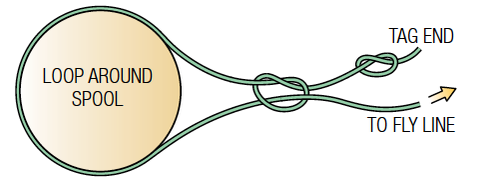
Tie the line to the reel spool using a strong knot. A common knot is the arbor knot, which holds the line firmly.
After tying, pull the line tight to make sure it is secure before you start winding it onto the reel.
- Wrap the line around the spool
- Tie an arbor knot or similar secure knot
- Pull the knot tight to prevent slipping
Preventing Line Twist
Line twist can cause tangles and weaken your fishing line. To stop this, keep tension on the line as you wind it.
Make sure the spool of new line spins the same way as your reel spool when winding. This reduces twisting.
- Keep steady tension on the line
- Let the new spool spin freely in the right direction
- Wind the line slowly and evenly

Credit: www.youtube.com
Spooling The Line
Putting new fishing line on your reel helps you fish better. Proper spooling avoids tangles and line breaks. It makes casting smooth and easy.
This guide covers how to spool the line with proper tension, wind it evenly, and fill the spool correctly.
Maintaining Proper Tension
Keep the right tension on the fishing line while spooling. Too loose, and the line will tangle. Too tight, and it can stretch or break.
- Attach the line to the reel spool securely.
- Hold the line firmly between your fingers as you spool.
- Keep a steady pull while winding the line onto the spool.
- Check tension regularly to avoid slack or over-tightening.
Winding The Line Evenly
Wind the line in an even pattern across the spool. Uneven winding causes knots and poor casting.
- Move the line guide back and forth as you spool.
- Avoid stacking line in one spot.
- Keep the line flat and smooth on the spool.
Filling The Spool Correctly
Fill the spool to the right level. Too little line reduces casting distance. Too much causes tangles.
| Fill Level | Description |
| Below Rim | Leave about 1/8 inch from the spool edge |
| Overfilled | Line may spill over and tangle |
| Underfilled | Short casting distance and line twisting |
Finishing Touches
After spooling the new fishing line onto your reel, you need to complete a few final steps. These steps keep the line secure and ready for fishing.
Finishing touches help prevent problems while casting and improve your fishing experience.
Trimming Excess Line
Cut off any extra line that hangs past the reel spool. Too much line can cause tangles or knots.
Use sharp scissors or a line cutter to trim the line close to the reel spool.
- Leave about 1/8 inch of line beyond the spool edge
- Avoid cutting the line too short to prevent slipping
- Keep the cut clean to avoid fraying
Securing The Line End
Secure the line end to stop it from unraveling. Tie a small knot or use the reel’s line clip if available.
This keeps the line in place during transport or storage.
- Tie a loose overhand knot around the spool
- Use the reel’s built-in line holder if it has one
- Make sure the knot is tight but not too tight to damage the line
Testing The Setup
Pull the line gently to check it is secure on the reel. The line should not slip or loosen.
Cast a few practice casts to feel the line’s smoothness and check for any issues.
- Make sure the drag system works well with the new line
- Watch for any signs of line twisting or tangling
- Adjust the tension or rewinding if needed
Common Mistakes To Avoid
Putting new fishing line on a reel seems simple. Many anglers make avoidable errors that cause problems later.
This guide covers common mistakes to watch out for. Fixing these helps your fishing gear work better and last longer.
Overfilling The Spool
Adding too much line to the spool causes tangles and reduces casting distance. It also makes the line prone to breaking.
- Fill the spool to about 1/8 inch below the rim.
- Check the reel’s manual for recommended line capacity.
- Use a line counter or marker to measure the right amount.
- Avoid stuffing the spool tightly with line.
Ignoring Line Twist
Line twist weakens the fishing line and causes knots. It happens when the line spins during casting or reeling in.
| Cause of Line Twist | How to Avoid |
|---|---|
| Reeling against the drag | Keep drag loose when letting line out |
| Improper spooling | Attach line spool so it spins freely |
| Using wrong knots | Use knots designed to reduce twist |
| Overfilling spool | Fill spool correctly to prevent line slipping |
Using Incorrect Line Type
Choosing the wrong line can cause poor performance and damage your reel. Different fishing styles need specific line types.
- Match the line type to your reel and fishing method.
- Use monofilament for general fishing and flexibility.
- Choose braided line for strength and sensitivity.
- Pick fluorocarbon for invisibility underwater.
- Check the line’s test weight to fit your fish target.
Credit: monsterbass.com
Frequently Asked Questions
How Do I Start Putting New Fishing Line On A Reel?
Begin by removing old line and cleaning the reel. Attach the new line to the spool with a secure knot. Hold the line taut and wind it evenly onto the spool. Avoid overfilling to prevent tangles during fishing.
What Type Of Fishing Line Fits Best On Reels?
Choose a fishing line based on your fishing style and reel type. Monofilament is versatile, braid offers strength, and fluorocarbon is nearly invisible underwater. Check your reel’s specifications for line weight capacity to ensure compatibility.
How Much Fishing Line Should I Put On My Reel?
Fill the reel spool to about 1/8 inch below the rim. This prevents line slippage and tangling. Overfilling can cause casting problems, while underfilling reduces casting distance.
Can I Reuse Old Fishing Line On My Reel?
It’s best to avoid reusing old fishing line. Over time, line weakens from wear, UV exposure, and water damage. Replacing old line ensures better strength, casting performance, and reduces the risk of breakage.
Conclusion
Putting new fishing line on your reel is simple and quick. Follow each step carefully to avoid tangles and knots. A fresh line helps you cast better and catch more fish. Take your time and check the line’s tightness often.
Practice a few times to feel confident. Soon, changing your fishing line will become a smooth part of your fishing routine. Enjoy your time by the water with a well-prepared reel. Happy fishing!