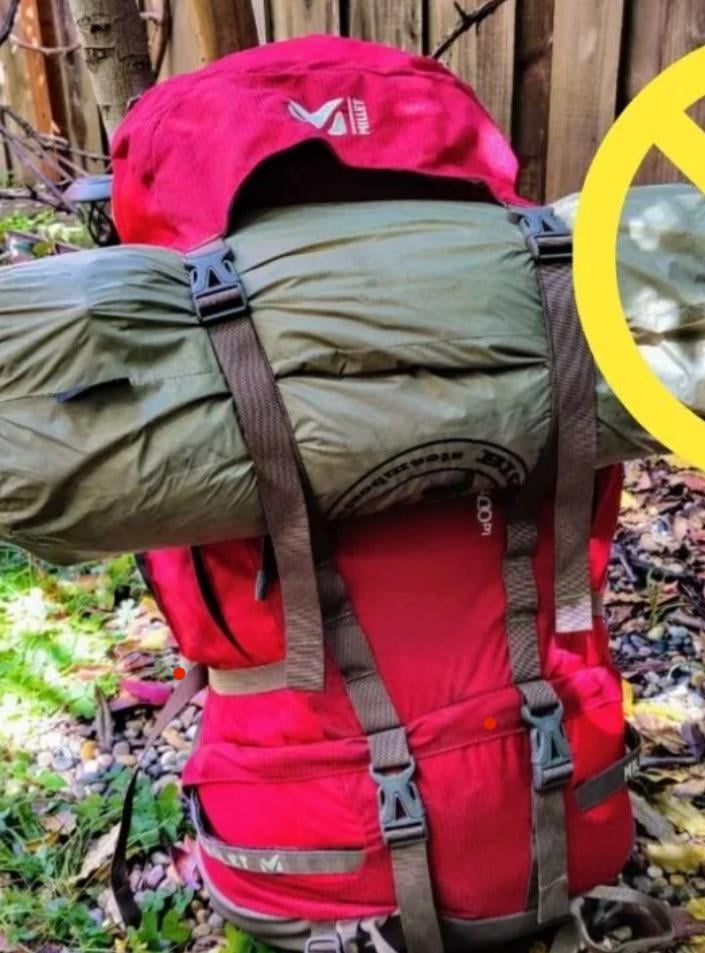
If you love hiking or camping, you know how important it is to pack smart. One key skill is attaching your sleeping bag to your backpack the right way.
Doing this properly keeps your gear secure and easy to carry, so you can focus on enjoying your adventure. Wondering how to do it quickly and safely? Keep reading, and you’ll learn simple, effective tips that make a real difference on the trail.
Your back and your sleeping bag will thank you!
Choosing The Right Sleeping Bag
Picking the right sleeping bag is key for a good camping trip. It keeps you warm and fits your backpack well.
Think about the weather, your sleeping style, and how you will carry it. This helps you choose the best bag.
Types Of Sleeping Bags
Sleeping bags come in many shapes and materials. Each type suits different needs and weather conditions.
- Rectangular:Good for comfort and room to move. Best in mild weather.
- Mummy:Tapered shape for better heat retention. Ideal for cold weather.
- Semi-rectangular:Mix of comfort and warmth. Fits many campers.
- Double bags:Made for two people. Useful for couples or extra space.
Size And Weight Considerations
Size and weight matter for backpacking. Heavy or large bags can slow you down.
Choose a sleeping bag that fits your height and packs small. Lightweight bags save space and energy.
- Pick a bag length that matches your height plus extra room.
- Look for bags with compressible materials to save space.
- Consider the bag’s weight compared to your total pack weight.

Credit: www.youtube.com
Selecting A Compatible Backpack
Attaching a sleeping bag to a backpack needs the right gear. Not all backpacks fit every sleeping bag.
Choosing a compatible backpack makes carrying easier and safer on trails.
Backpack Features For Attachment
Look for backpacks with specific features that help attach a sleeping bag securely. A good backpack has enough space and strong points for gear.
- External straps to hold bulky items
- Compression straps to tighten the load
- Spacious bottom compartments
- Durable fabric and stitching
Straps And Loops To Look For
Straps and loops on a backpack make it easy to attach a sleeping bag without extra gear. These parts should be strong and well placed.
| Strap Type | Purpose | Best Use |
| Compression Straps | Tighten load and hold gear | Wrap around rolled sleeping bags |
| Gear Loops | Attach carabiners or straps | Hang sleeping bags or other items |
| Bottom Straps | Hold bulky gear underneath | Secure sleeping bags at base |
Preparation Before Attachment
Attaching a sleeping bag to a backpack needs some preparation. This helps keep your gear safe and easy to carry.
Getting your sleeping bag ready before attaching it prevents damage and makes your pack balanced.
Packing The Sleeping Bag
Roll or stuff your sleeping bag tightly to save space. A smaller bundle fits better on your backpack.
Use a compression sack if you have one. It keeps the sleeping bag compact and secure.
- Lay the sleeping bag flat and roll it from one end
- Place the rolled bag into a compression sack
- Tighten the sack straps to reduce size
- If no sack, secure with straps or cords
Securing Loose Straps
Check your backpack for loose straps before attaching the bag. Loose straps can get caught or cause imbalance.
Tie or tuck loose straps to keep them from dangling. This keeps your pack neat and safe on the trail.
- Gather loose straps on your backpack
- Use knots or Velcro to secure them
- Make sure no straps block zippers or pockets
- Double-check before attaching the sleeping bag
Methods To Attach A Sleeping Bag
Attaching a sleeping bag to a backpack helps save space inside. It also keeps your gear organized and easy to access. There are several ways to secure a sleeping bag outside your pack.
This guide explains common methods to attach a sleeping bag safely and securely to your backpack.
Using Compression Straps
Many backpacks have compression straps on the sides or bottom. These straps tighten to hold bulky items like sleeping bags. Use these straps to attach your sleeping bag firmly.
- Roll or stuff the sleeping bag tightly to reduce size.
- Place the sleeping bag under the compression straps.
- Tighten the straps evenly to hold the bag in place.
- Check that the bag does not shift while walking.
Using External Loops And Straps
Some backpacks include external loops or daisy chains for extra gear. You can use these loops with straps or cords to attach a sleeping bag.
| Tool | Use |
|---|---|
| Carabiners | Clip the sleeping bag sack to loops for quick attachment. |
| Straps | Wrap around the sleeping bag and secure to the loops. |
| Cords | Tie the sleeping bag tightly and attach to loops. |
Using A Sleeping Bag Sack
A sleeping bag sack protects the bag and makes it easier to carry. You can attach the sack to your backpack using various methods.
Here are common ways to attach a sleeping bag sack:
- Use the sack’s straps to connect to backpack loops or straps.
- Place the sack inside a side pocket if it fits.
- Secure the sack under compression straps for a tight hold.
Tips For Secure Attachment
Attaching a sleeping bag to your backpack can be tricky. It is important to secure it properly to avoid any mishaps on the trail.
Follow these tips to ensure your sleeping bag stays in place and your gear remains in good condition.
Balancing Weight
Distributing weight evenly is key for comfort and stability. Make sure your sleeping bag does not throw off your balance.
- Place the sleeping bag at the bottom of the backpack.
- Use compression straps to secure it tightly.
- Ensure the weight is centered for easy carrying.
Avoiding Damage To Gear
Protect your sleeping bag and backpack from damage by securing them properly. This will extend the life of your gear.
Use a waterproof cover to shield your sleeping bag from rain and dirt. This keeps your sleeping bag dry and clean, ensuring a comfortable night’s sleep.

Credit: www.reddit.com
Common Mistakes To Avoid
Attaching a sleeping bag to a backpack seems easy. But many hikers make simple errors that cause problems on the trail.
These mistakes can lead to discomfort, damage, or lost gear. Avoid them to have a better hiking experience.
Overloading The Backpack
Putting too much weight on your backpack can cause pain and poor balance. Overloading makes walking harder and tires you faster.
Attaching a heavy sleeping bag outside the pack adds extra weight and affects your center of gravity. This can make your backpack unstable.
- Do not attach a sleeping bag that is too big or heavy for your pack
- Keep the weight balanced by placing heavier items inside the backpack
- Use compression straps to reduce bulk and secure the sleeping bag tightly
- Check your backpack’s weight limit before adding extra gear
Improper Strap Tightening
Loose or uneven straps can cause the sleeping bag to swing or fall off. This makes hiking unsafe and annoying.
Tightening straps too much can damage your sleeping bag or backpack. It can also make it harder to access your gear quickly.
- Adjust straps evenly on both sides to keep the load stable
- Use straps designed for sleeping bags or gear attachment
- Check straps during your hike to make sure they stay secure
- Do not over-tighten straps to avoid damaging your gear
Maintaining Your Sleeping Bag And Backpack
Keeping your sleeping bag and backpack clean helps them last longer. Proper care also makes your gear comfortable and ready for your next trip.
Learn simple steps to clean and store your gear. This prevents damage and keeps everything fresh.
Cleaning After Use
After camping, remove dirt and odors from your sleeping bag and backpack. Clean them carefully to avoid wear and tear.
- Shake out dirt and debris outside.
- Spot clean stains with mild soap and water.
- Use a front-loading washing machine for full washes on sleeping bags.
- Air dry both items completely before storage.
- Avoid harsh detergents or fabric softeners.
Storage Tips
Proper storage keeps your sleeping bag fluffy and your backpack in good shape. Avoid tight compression and damp places.
| Item | Storage Method | Reason |
| Sleeping Bag | Hang loosely or store in a large cotton sack | Preserves loft and insulation |
| Backpack | Store in a dry, cool place with straps loosened | Maintains shape and prevents mold |

Credit: www.reddit.com
Frequently Asked Questions
How Do You Securely Attach A Sleeping Bag To A Backpack?
Use compression straps or external loops on your backpack. Roll the sleeping bag tightly and place it at the bottom or outside. Secure with buckles or carabiners to prevent movement during hiking.
What’s The Best Position For A Sleeping Bag On A Backpack?
Attach the sleeping bag at the bottom or outside of the pack. This balances weight and saves space inside. Ensure it’s tightly secured to avoid swinging or damage.
Can You Use Straps Or Cords To Attach A Sleeping Bag?
Yes, durable straps or cords work well to fasten your sleeping bag. Use adjustable straps or bungee cords for a snug fit. Avoid loose knots that might loosen while walking.
Should A Sleeping Bag Be Inside Or Outside The Backpack?
It depends on space and weather conditions. Inside protects from dirt and moisture but uses pack space. Outside saves room but needs secure, weatherproof attachment.
Conclusion
Attaching a sleeping bag to your backpack saves space inside. Use straps or cords to keep it secure and tight. Make sure it does not swing or bounce while walking. Place it where it feels balanced and does not bother you.
Check the attachment often during your trip. A well-attached sleeping bag makes hiking easier and more comfortable. Keep practicing these steps for better packing skills. Enjoy your outdoor adventures with less hassle.