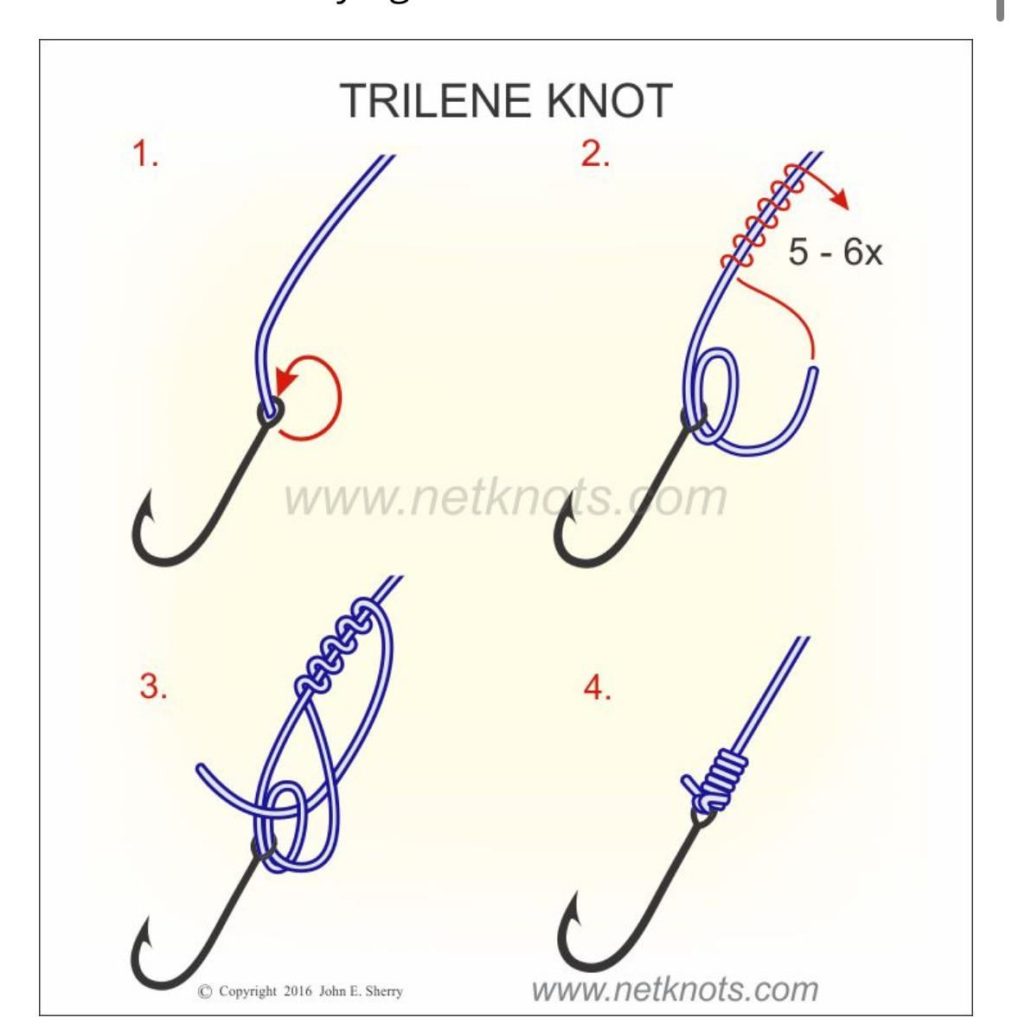
Have you ever cast your fishing line only to find it loose and floppy, making it hard to feel a bite or reel in a catch? If you’re wondering why your fishing line is so loose, you’re not alone.
This common problem can ruin your fishing experience and leave you frustrated by the water. But don’t worry—understanding the reasons behind a loose line can help you fix it fast and get back to enjoying your time fishing. Keep reading to discover the simple tricks and expert tips that will tighten your line and improve every cast you make.
Common Causes Of Loose Fishing Line
Loose fishing line can cause many problems while fishing. It makes casting hard and reduces your chance of catching fish. Knowing the common causes helps fix the issue quickly.
This article explains five main reasons why your fishing line might be loose. Understanding these causes will help you keep your line tight and ready for action.
Improper Spooling Techniques
Spooling your fishing line incorrectly is a common cause of loose line. If the line is not wound tightly or evenly, it can slip and become loose during use.
- Failing to apply tension while spooling
- Overfilling the reel spool
- Using the wrong type of line for your reel
- Not removing twists or tangles before spooling
Worn Out Reel Components
Parts inside your reel can wear down over time. Gears and bearings may not hold the line tight if they are damaged or old.
Regular maintenance and replacing worn parts can prevent loose line caused by reel problems.
Incorrect Drag Settings
The drag system controls how much resistance the fish feels. If the drag is set too loose, the line will slack easily.
| Drag Setting | Effect on Line |
|---|---|
| Too Loose | Line slips and becomes loose during pulls |
| Too Tight | Line may break under pressure |
| Properly Set | Maintains line tension without breakage |
Line Stretch And Memory
Fishing lines stretch over time, especially nylon lines. This stretch causes the line to feel loose. Line memory makes the line keep coils from the spool, leading to slack.
Using low-stretch lines and regularly replacing old line helps reduce these issues.
Damaged Or Old Fishing Line
Old or damaged fishing line loses strength and can become loose. Sunlight, salt, and water wear down the line over time.
- Check line for cracks or frays before fishing
- Replace line regularly, especially if exposed to harsh conditions
- Store line properly to avoid damage

Credit: www.thefisherman.com
How To Identify Loose Line Issues
Loose fishing lines can cause problems when you’re casting. Understanding why your line is loose helps improve your fishing experience.
Learn how to spot issues that make your fishing line slack. This guide will help you catch more fish and enjoy your time on the water.
Signs Of Slack During Casting
Slack in your fishing line can happen during casting. It affects your ability to cast far and accurately.
Watch for these signs to know if your line is too loose. Correcting them can improve your casting performance.
- Line sags noticeably when casting
- Difficulty feeling the lure or bait
- Reduced casting distance
Detecting Line Twist And Tangles
Line twist and tangles are common causes of loose lines. They can make your line less effective and harder to manage.
Identify twisted or tangled lines to keep your fishing smooth. Knowing the signs helps you fix them before they become a problem.
- Line looks coiled or kinked
- Knots form unexpectedly
- Line loops around the reel
Checking Reel And Rod Compatibility
Using the right reel and rod together is important. They must match to prevent loose lines.
Check if your reel and rod are compatible. This helps ensure your fishing line stays tight and effective.
- Ensure reel size fits rod specifications
- Check rod action matches reel type
- Use line weight suitable for both
Quick Fixes For Loose Line Problems
Loose fishing line can cause missed catches and frustration. Fixing it quickly helps you get back to fishing.
Some common causes include poor spooling, wrong drag setting, damaged line, or lack of reel care.
Re-spooling The Line Correctly
Improper spooling often leads to loose or tangled line. Make sure to spool the line tight and evenly.
- Start by attaching the line to the reel spool firmly.
- Keep tension on the line while winding it onto the reel.
- Fill the spool to about 1/8 inch from the edge.
- Avoid overlapping or crossing the line too much.
Adjusting Drag For Optimal Tension
The drag controls how much resistance the fish feels. Too loose drag makes the line slack.
| Drag Setting | Effect on Line |
| Too Loose | Line becomes slack and loose |
| Too Tight | Line may break under pressure |
| Optimal | Line stays tight but allows fish to pull |
Replacing Damaged Line
Old or damaged line stretches and loosens easily. Replace it to keep your setup strong.
- Check for frays, nicks, or discoloration.
- Replace line if it feels weak or rough.
- Use the right line type and strength for your fishing style.
Maintaining Reel And Rod
Clean and lubricate your reel regularly. Dirt and rust can cause the line to loosen or slip.
- Rinse reel with fresh water after use
- Apply reel oil to moving parts
- Inspect rod guides for damage
- Store equipment in a dry place

Credit: www.reddit.com
Preventing Loose Line In Future Trips
Loose fishing line can cause frustration during your fishing trips. It may lead to missed catches or tangles. Preventing it helps you enjoy fishing more.
By choosing the right line, inspecting your gear often, and storing your equipment properly, you can keep your line tight and ready.
Choosing The Right Line Type
Select a line that fits your fishing style and the fish you want to catch. Different lines stretch and hold tension differently.
Monofilament lines stretch more, which can cause looseness. Braided lines have less stretch and stay tight better.
- Use braided line for better tension and strength
- Choose monofilament for easier knot tying
- Try fluorocarbon for low visibility and good sensitivity
Regular Gear Inspection
Check your reel and rod before every trip. Look for worn parts or loose screws that can cause line slack.
Inspect the line itself for frays or weak spots. Replace damaged line to keep strength and tightness.
- Examine the reel spool for dirt or damage
- Tighten all screws and parts on the rod and reel
- Change old or worn fishing line
Proper Storage And Handling
Store your fishing line in a cool, dry place away from sunlight. Heat and sun can weaken the line and cause looseness.
Handle your line carefully when spooling it onto the reel. Avoid twisting or over-tightening it.
- Keep line away from sharp objects and chemicals
- Store reels in cases or bags to protect them
- Load line evenly on the spool to avoid tangles
Credit: www.berkley-fishing.com
Frequently Asked Questions
Why Is My Fishing Line Always Loose On The Reel?
A loose fishing line often results from improper spool tension or a poorly wound line. Check your reel’s drag settings and ensure the line is evenly wrapped. Adjust the spool tension knob before casting to maintain firm line control and prevent slack.
How Can I Fix A Loose Fishing Line Quickly?
To fix a loose fishing line, tighten the reel’s drag system and rewind the line evenly. Use your fingers to remove slack and check for any knots or tangles. Proper reel maintenance and correct spool tension prevent loose line issues.
Does A Loose Fishing Line Affect Casting Distance?
Yes, a loose fishing line reduces casting distance. Slack in the line causes poor energy transfer during the cast. Tightening the line and adjusting spool tension improves casting accuracy and distance, giving you better control over your fishing.
Can A Loose Fishing Line Cause Fish To Escape?
A loose fishing line can let fish escape easily. Slack reduces sensitivity to bites and weakens hook sets. Keeping the line taut ensures you detect bites quickly and hook fish securely, increasing your chances of a successful catch.
Conclusion
A loose fishing line can spoil your fishing fun. Check your reel and knots carefully. Make sure the line is tight before you cast. Adjust the drag to control tension better. Using the right gear helps prevent slack. Practice tying strong knots to avoid slipping.
Keep your line clean and free from damage. Small fixes can make a big difference. Stay patient and enjoy each fishing trip. Tight lines lead to more successful catches.