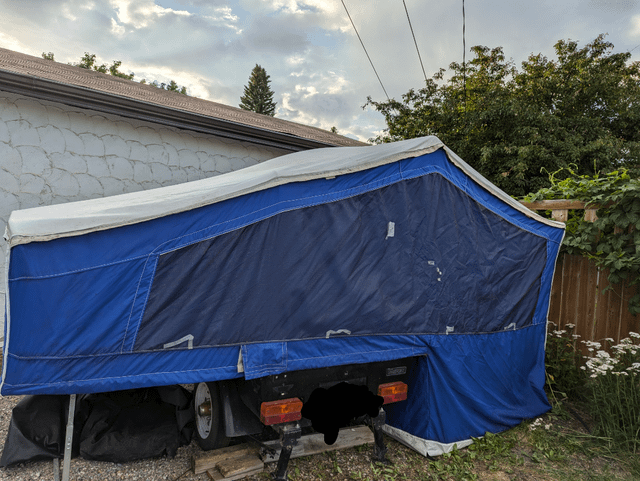
If you own a canvas tent trailer, you know how important it is to stay dry when the weather turns wet. Imagine waking up to a soggy, uncomfortable tent that ruins your trip.
You don’t want that. Waterproofing your canvas tent trailer is the key to protecting your gear and enjoying your outdoor adventures without worry. You’ll discover simple, effective steps to keep your tent trailer dry and ready for any weather. Ready to make your camping experience much more comfortable?
Let’s dive in.

Credit: www.alibaba.com
Choosing Waterproof Materials
Waterproofing your canvas tent trailer protects it from rain and moisture. Picking the right materials is key for long-lasting protection.
Good waterproof materials keep water out without making the fabric stiff or heavy. This guide helps you choose the best options.
Types Of Waterproof Coatings
Waterproof coatings add a layer that stops water from soaking into the canvas. Different coatings work for different needs.
Some coatings keep the fabric breathable, while others make it more durable. Choose based on how you use your tent trailer.
- Acrylic Coatings:Lightweight and flexible, good for regular use.
- Polyurethane Coatings:Durable and waterproof but can feel heavy.
- Silicone Coatings:Very water-resistant and keeps fabric soft.
Selecting Quality Sealants
Sealants fill tiny holes and seams to stop water leaks. They add an extra layer of protection on top of coatings.
Choose sealants that stick well to canvas and stay flexible after drying. This helps prevent cracks and peeling.
- Look for sealants marked for outdoor or fabric use
- Silicone-based sealants last longer and resist mold
- Check if sealant is easy to apply and dries clear
Waterproofing Sprays Vs. Treatments
Sprays and treatments both add waterproof layers. Sprays are quick and easy to use on large areas.
Treatments soak into the fabric for deeper protection. Choose based on how much time you have and the condition of your canvas.
- Sprays:Fast application, good for touch-ups
- Treatments:Longer-lasting, good for full coverage
- Both need reapplying after some time or heavy rain
Preparing The Canvas
Waterproofing your canvas tent trailer starts with proper preparation. The canvas must be clean and free of any damage.
Preparation ensures the waterproofing solution adheres well and provides long-lasting protection.
Cleaning The Tent Surface
Begin by cleaning the canvas to remove dirt, dust, and debris. This step is crucial for effective waterproofing.
- Use a soft brush to gently scrub the surface.
- Mix mild soap with water for a cleaning solution.
- Rinse thoroughly to remove all soap residues.
- Allow the canvas to air dry completely.
Repairing Tears And Holes
Inspect the canvas for any tears or holes. Repair these areas to prevent water from seeping in.
Materials needed for repairs:
| Material | Purpose |
| Patch kit | Fix small holes |
| Needle and thread | Sew larger tears |
| Seam sealer | Seal stitched areas |
Drying Before Application
Ensure the canvas is completely dry before applying any waterproofing solution. This allows for better absorption and adhesion.
Set up the tent in a sunny area or use a fan to speed up the drying process. Check all areas to confirm there is no moisture left.
Applying Waterproof Solutions
Waterproofing your canvas tent trailer keeps it safe from rain and moisture. It helps protect the fabric and extends its life.
Applying the right waterproof solution is easy if you follow the correct steps. This guide will help you do it properly.
Step-by-step Waterproofing Process
Start by cleaning the canvas to remove dirt and dust. Let it dry completely before applying any product.
Next, apply the waterproof solution evenly using a brush or spray. Cover all areas, including seams and corners.
- Clean the canvas with mild soap and water
- Let the fabric dry fully
- Apply the waterproof solution in a shaded area
- Use a brush or spray to cover all fabric parts
- Allow the canvas to dry for 24 hours
- Repeat application if needed for better protection
Tools And Equipment Needed
You need a few simple tools to waterproof your canvas tent trailer. These tools make the job easier and more effective.
- Soft brush or sponge for cleaning
- Bucket with mild soap and water
- Waterproofing spray or liquid solution
- Paintbrush or spray applicator
- Protective gloves to keep hands safe
- Dry towels or cloths for drying
Common Mistakes To Avoid
Many people make small errors that reduce waterproofing results. Avoid these mistakes to keep your canvas well protected.
- Not cleaning the canvas before applying solution
- Applying waterproofing on wet or damp fabric
- Using too much or too little waterproofing product
- Ignoring seams and edges during application
- Not allowing enough drying time between coats
- Skipping regular reapplication after some time
Credit: naavagreen.com
Protecting Seams And Zippers
Waterproofing your canvas tent trailer helps it last longer. Keeping seams and zippers dry is very important. This guide covers how to protect these parts well.
Use simple methods and the right materials. This will stop water from leaking inside your tent trailer. Let’s look at ways to seal seams and zippers and strengthen weak spots.
Seam Sealing Techniques
Seams are the most common places for water to enter. You must seal them carefully. Use a seam sealer made for canvas fabrics. Clean seams before applying the sealer.
- Dry the tent completely before sealing.
- Apply seam sealer with a small brush or sponge.
- Cover all stitching and needle holes fully.
- Let the sealer dry for at least 24 hours.
- Test for leaks by spraying water on seams.
Waterproofing Zipper Areas
Zippers can let water inside if not protected. Use zipper covers or waterproof zipper tape. Keep zippers clean and dry before sealing. Apply silicone spray to help water slide off.
| Material | Use | Benefit |
| Zipper Cover | Protects zipper from rain | Blocks direct water contact |
| Waterproof Tape | Seals zipper edges | Stops water leaks |
| Silicone Spray | Coats zipper teeth | Improves water resistance |
Reinforcing High-stress Points
High-stress points get extra wear and tear. Reinforce these areas with patches or extra stitching. Use waterproof fabric patches to keep water out. Make sure patches are firmly glued or sewn.
- Check corners and edges often for damage.
- Use strong thread for stitching patches.
- Apply seam sealer over patched areas.
- Replace worn parts quickly to prevent leaks.
Maintaining Waterproof Canvas
Keeping your canvas tent trailer waterproof takes regular care. Good maintenance helps protect it from rain and moisture.
Small actions can keep the canvas strong and water-resistant for many seasons.
Regular Cleaning Tips
Clean your canvas often to remove dirt and mold. Use a soft brush and mild soap with water. Avoid harsh chemicals that can damage the fabric.
- Brush off loose dirt before washing
- Use lukewarm water and gentle soap
- Rinse thoroughly to remove soap
- Let the canvas dry completely before storing
- Clean stains quickly to prevent damage
Reapplying Waterproof Treatments
Waterproof coatings wear off with time. Reapply treatments yearly or after heavy use. Use products made for canvas fabrics.
| Waterproof Product | Application Type | Drying Time |
| Silicone Spray | Spray on dry canvas | 2-4 hours |
| Wax-Based Treatment | Rub on warm canvas | 24 hours |
| Fluoropolymer Repellent | Spray or brush | 4-6 hours |
Storage To Prevent Damage
Store your canvas tent trailer in a dry place. Avoid folding it when wet. Proper storage stops mildew and keeps the fabric strong.
Follow these storage tips:
- Dry the canvas fully before packing
- Use breathable bags or covers
- Keep the tent in a shaded, cool area
- Check the canvas regularly for signs of mold
Additional Durability Tips
Waterproofing your canvas tent trailer helps it last longer. Using some extra tips can keep it strong.
These tips help protect your tent from wear and tear in different weather conditions.
Using Tent Footprints
A tent footprint is a protective ground cover placed under your tent. It stops moisture and dirt from reaching the canvas.
Footprints also prevent holes and tears from rocks and sticks on the ground.
- Choose a footprint that fits your tent size exactly.
- Place it flat and smooth to avoid folds.
- Keep it clean and dry before use.
Proper Setup And Takedown
Setting up your tent carefully helps keep the canvas tight and prevents damage.
Take down the tent gently to avoid pulling or tearing the fabric.
- Clear the area of sharp objects before setup.
- Use all the stakes and guy lines to keep the tent stable.
- Fold the tent loosely when packing to avoid creases.
Avoiding Prolonged Sun Exposure
Sunlight can weaken the canvas over time. Try to keep your tent in the shade when possible.
If you must leave it in the sun, limit exposure to reduce fading and fabric damage.
- Set up near trees or natural shade.
- Use a tarp over the tent for extra sun protection.
- Store the tent indoors when not in use.

Credit: www.amazon.ca
Frequently Asked Questions
How Often Should I Waterproof A Canvas Tent Trailer?
Waterproof your canvas tent trailer at least once a year. Regular waterproofing keeps the fabric resistant to rain and moisture. Check for leaks after heavy rains and reapply waterproofing as needed to maintain protection and durability.
What Is The Best Waterproofing Spray For Canvas Tents?
Silicone or acrylic-based waterproofing sprays work best for canvas tents. These sprays create a breathable, water-resistant barrier. Always choose a spray designed specifically for canvas fabric to ensure effective protection without damaging the material.
Can I Waterproof A Canvas Tent Trailer Myself?
Yes, waterproofing a canvas tent trailer is a simple DIY task. Clean the canvas thoroughly, let it dry, then apply a waterproofing spray evenly. Follow product instructions carefully for the best results and allow proper drying time before use.
Does Waterproofing Affect Canvas Breathability?
Proper waterproofing maintains canvas breathability while repelling water. Quality sprays form a protective layer without sealing pores. This balance prevents mold and mildew, ensuring comfort and durability during camping trips.
Conclusion
Waterproofing your canvas tent trailer protects it from rain and moisture. Regular care keeps the fabric strong and dry. Use the right sealants and sprays for best results. Check for tears or holes and fix them quickly. Clean the tent before applying waterproof products.
Dry the tent fully to avoid mold growth. Taking these steps ensures a comfortable, dry camping experience. Your tent will last longer and stay ready for any weather. Simple actions make a big difference in tent care. Keep your trailer safe and enjoy every trip.