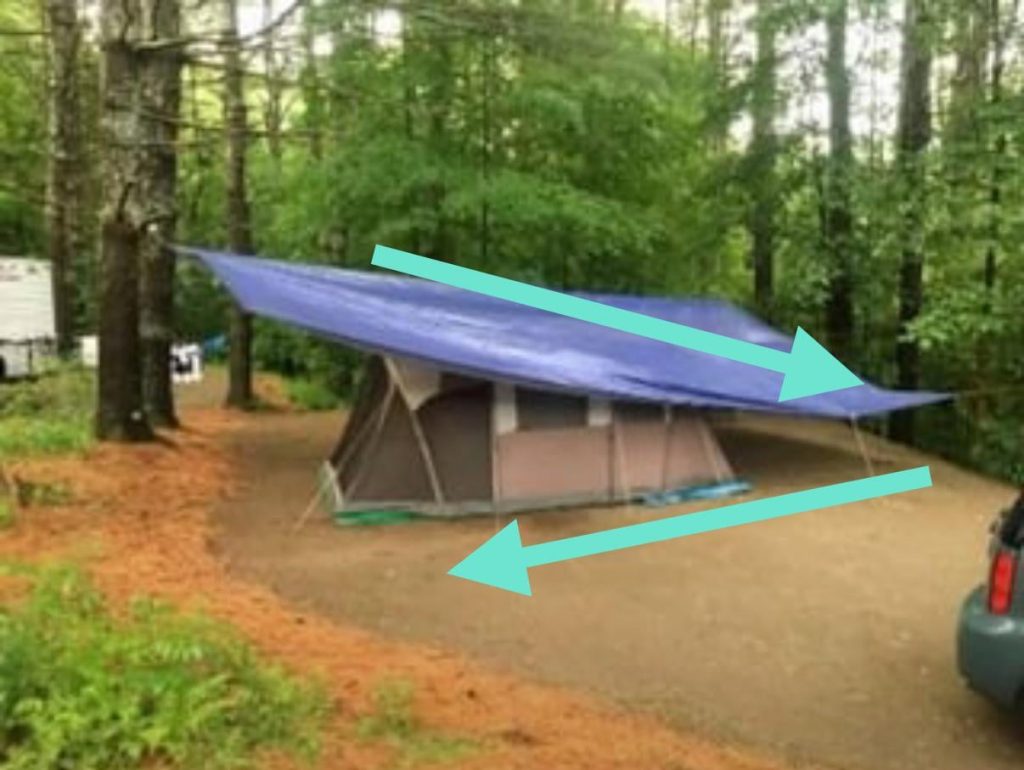
Are you wondering if a tent footprint is really necessary for your next camping trip? You might think it’s just an extra piece of fabric, but it could make a big difference in how your tent performs and lasts.
Imagine setting up your tent on rough ground and then discovering holes or tears after just one night. That’s frustrating, right? A tent footprint could protect your gear, keep you dry, and save you money in the long run. Keep reading to find out why this simple item might be the secret to a better camping experience—and whether it’s worth adding to your gear list.

Credit: www.reddit.com
Purpose Of A Tent Footprint
A tent footprint is a groundsheet placed under your tent. It adds a layer of protection between the tent floor and the ground.
Many campers wonder if a footprint is really necessary. It helps in different ways during camping trips.
Shielding Tent Floor
A tent footprint shields the tent floor from sharp rocks, sticks, and rough ground. This helps stop holes and tears.
It also protects the tent fabric from dirt and mud, keeping the floor cleaner inside.
Enhancing Tent Durability
The footprint takes the wear and tear instead of the tent floor. This makes your tent last longer over many trips.
Using a footprint can reduce damage from moisture and abrasion, which can weaken the tent floor.
Improving Comfort
A footprint adds a small extra layer of padding. It can make the tent floor feel softer and more comfortable to sleep on.
It also helps keep moisture from the ground from seeping into the tent, making the inside drier.
Types Of Tent Footprints
Tent footprints are essential for protecting your tent’s base. They shield it from rough ground and moisture. Different types of footprints offer various benefits.
Choosing the right footprint can extend the life of your tent. It also ensures a more comfortable camping experience.
Custom Fit Footprints
Custom fit footprints are designed for specific tent models. They offer the best protection and fit perfectly under your tent.
- Exact size for your tent model
- Provides maximum coverage
- Often sold by tent manufacturers
Generic Footprints
Generic footprints are versatile and can fit many tent models. They are usually less expensive than custom footprints.
| Type | Benefits |
| Medium | Fits multiple tents |
| Large | Good for family tents |
| Extra Large | Great for big groups |
Diy Footprint Options
DIY footprints are budget-friendly and customizable. You can make them from materials like tarps or plastic sheets.
Materials Used In Footprints
Choosing the right material for a tent footprint helps protect your tent floor. Different materials offer varied durability and weight. This guide explains common footprint materials and their features.
Understanding these materials helps you pick the best footprint for your camping needs and conditions.
Silicone-coated Nylon
Silicone-coated nylon is strong and water-resistant. It offers excellent protection against abrasion and tears. This material is lightweight, making it easy to carry during long hikes.
It also dries quickly and resists mildew. Footprints made with silicone-coated nylon last many camping trips.
Polyethylene Tarps
Polyethylene tarps are a common, affordable choice for footprints. They provide good waterproofing and resist punctures well. These tarps are heavier than nylon but still easy to handle.
- Durable and tear-resistant
- Inexpensive and widely available
- Heavier than nylon options
- May not dry quickly
- Can be noisy in windy conditions
Lightweight Alternatives
Some campers prefer ultralight materials for their footprints. These include thin ripstop nylon or silnylon fabrics. They weigh very little but still offer basic ground protection.
| Material | Weight | Durability | Water Resistance |
| Silicone-Coated Nylon | Light | High | Excellent |
| Polyethylene Tarps | Medium | Medium | Good |
| Ripstop Nylon | Very Light | Low to Medium | Moderate |
Benefits For Your Gear
Using a tent footprint can protect your camping gear in many ways. It acts as a barrier between your tent and the ground.
This simple layer helps keep your gear dry, clean, and in good shape for longer trips.
Preventing Moisture Damage
A tent footprint stops moisture from seeping into your tent floor. It keeps water from rain or dew away from your sleeping area.
- Blocks dampness from wet grass or soil
- Helps avoid mold and mildew buildup
- Keeps your sleeping bag and gear dry
Reducing Wear And Tear
The footprint shields your tent floor from sharp rocks and sticks. It also reduces rubbing that can wear down the fabric.
| Benefit | Effect on Tent |
| Protection from rough ground | Less fabric damage |
| Reduced friction | Longer tent life |
| Barrier against dirt | Cleaner tent base |
Ease Of Cleaning
A footprint catches dirt and mud before they reach your tent. It makes cleaning after camping faster and easier.
- Shake off dirt from the footprint instead of the tent
- Wash the footprint separately
- Dry the footprint quickly to prevent smells
When To Skip The Footprint
A tent footprint is a groundsheet that fits under your tent. It protects the tent floor from dirt and damage.
Sometimes, you may not need to use a footprint. Let’s explore when it is okay to skip it.
Short Trips And Fair Weather
For short trips, especially in good weather, a footprint may not be needed. If you camp on soft, clean ground, your tent floor will stay safe.
Skipping the footprint can save time and gear weight. Just check the ground for sharp rocks or sticks before setting up.
- Use footprint if ground is rough or wet
- Skip footprint for dry, smooth surfaces
- Short stays mean less wear on tent floor
Durable Tent Floors
Some tents have strong floors made of tough material. These floors resist tears and water well.
If your tent floor is durable, you might skip the footprint in safe conditions. Still, a footprint adds extra protection.
- Check your tent’s floor material strength
- Durable floors handle rough ground better
- Use footprint to extend tent floor life
Weight Considerations
Backpackers often want to carry less weight. Footprints add extra grams to their pack.
Skipping the footprint can cut down weight. But you risk damaging your tent floor and needing repairs.
- Footprint adds weight but protects tent
- Skip footprint to save weight on short trips
- Balance weight and tent care needs
Setting Up A Footprint Correctly
A tent footprint protects the tent floor from damage. It helps keep dirt and moisture away. Setting it up right makes camping easier and safer.
Follow simple steps to place the footprint correctly. This ensures the best protection and comfort inside your tent.
Aligning With Tent Base
Lay the footprint flat on the ground before setting the tent. Make sure it matches the tent base size exactly. Too small or too big can cause problems.
Place the tent carefully on top of the footprint. Check all corners to confirm they line up well. Proper alignment avoids damage and keeps your tent stable.
Avoiding Wrinkles And Folds
Smooth out the footprint to remove wrinkles and folds. Wrinkles can cause pressure points under the tent floor. These may wear out the material faster.
Spread the footprint evenly. Use your hands to press down any bumps. This helps keep your tent floor flat and safe.
Securing Footprint In Place
Keep the footprint from moving by securing it well. Use tent stakes or clips if available. This stops it from shifting when you walk or in wind.
- Stake the corners of the footprint to the ground.
- Attach footprint loops to tent hooks if possible.
- Check the footprint position before pitching the tent.
Maintaining And Storing Footprints
Tent footprints protect your tent floor from rough ground and moisture. Keeping them clean and well stored helps them last longer. Proper care prevents damage and keeps your camping gear ready.
Simple steps like cleaning, drying, and fixing small tears can improve your footprint’s life. Learning how to care for them saves money and trouble on trips.
Cleaning Tips
Remove dirt and debris from your footprint after each trip. Use a soft brush or cloth to avoid damaging the material. Avoid harsh chemicals that can weaken the fabric.
If your footprint is very dirty, wash it gently with mild soap and water. Rinse it well to remove all soap residue. Always follow the manufacturer’s cleaning instructions if available.
Drying And Storage
Dry your footprint completely before storing it to prevent mold and mildew. Hang it or lay it flat in a shaded, ventilated area. Avoid direct sunlight for long periods to keep fabric strong.
Store your footprint in a cool, dry place. Use a storage bag or container to keep it clean and safe. Avoid folding it too tightly to prevent creases and damage.
Repairing Minor Damage
Check your footprint for small holes or tears after each use. Fix minor damage quickly to stop it from getting worse. Use fabric repair tape or patches designed for outdoor gear.
Clean the area before applying a patch. Follow the patch instructions carefully for best results. Regular repairs help your footprint stay useful longer on your trips.

Credit: www.reddit.com
Cost Vs. Value Analysis
Choosing whether to buy a tent footprint depends on the balance between cost and value. The footprint protects your tent floor and may save money over time.
This analysis looks at price ranges, long-term savings, and investing in quality to help you decide.
Price Ranges
Tent footprints vary in price. Basic models cost less but offer fewer features. Higher-end footprints have better materials and durability.
- Low-cost footprints: $15 to $30
- Mid-range footprints: $30 to $60
- High-end footprints: $60 to $100+
Long-term Savings
Using a footprint can extend your tent’s life. It protects against wear, dirt, and moisture. This reduces repair and replacement costs.
| Without Footprint | With Footprint |
| More floor damage | Less floor damage |
| Frequent repairs needed | Fewer repairs needed |
| Replace tent sooner | Lasts longer |
| Higher long-term costs | Lower long-term costs |
Investing In Quality
Higher quality footprints cost more upfront. They use stronger materials and fit better. This leads to better protection.
Benefits of investing in quality footprints:
- Durable fabrics resist tears and holes
- Waterproof coatings keep moisture out
- Custom sizes fit tents exactly
- Lightweight and easy to carry
Credit: www.cleverhiker.com
Frequently Asked Questions
What Is A Tent Footprint And Why Use It?
A tent footprint is a protective groundsheet that fits under your tent. It shields the tent floor from abrasions, dirt, and moisture. Using a footprint extends your tent’s life and keeps the interior cleaner and drier during camping trips.
Does A Tent Footprint Improve Tent Durability?
Yes, a footprint prevents wear and tear on the tent floor. It acts as a barrier against sharp rocks, sticks, and rough ground. This protection reduces damage, helping your tent last longer and maintain its waterproofing.
Can A Tent Footprint Enhance Camping Comfort?
Absolutely, a footprint adds an extra layer of cushioning between you and the ground. It provides insulation from cold or damp earth, making your camping experience more comfortable and cozy.
Is A Tent Footprint Necessary For All Camping Types?
Not always, but it’s highly recommended for backcountry and frequent campers. For occasional or car camping on soft ground, it may be less essential but still beneficial for tent protection.
Conclusion
A tent footprint helps protect your tent’s floor from damage. It keeps dirt and moisture away, making camping more comfortable. Using a footprint also extends your tent’s life by preventing wear and tear. It adds a layer of insulation on cold or rough ground.
Though not always required, many campers find it useful. Choosing to use one depends on your camping style and environment. Overall, a footprint offers extra protection and comfort for your outdoor trips. Consider it a simple way to care for your gear.