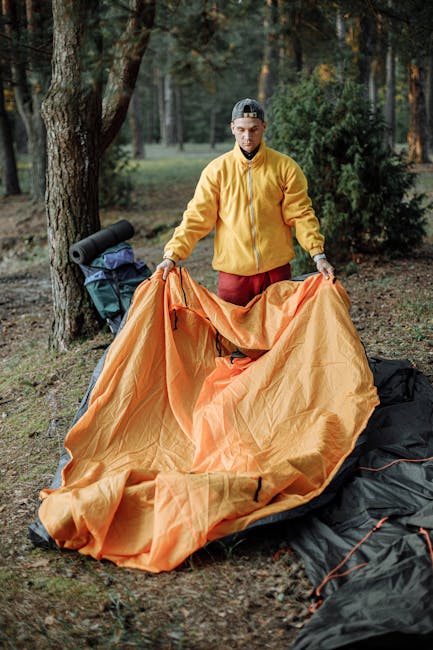
Choosing the right tent can make or break your outdoor adventure. Imagine setting up camp after a long day, only to find your tent doesn’t fit your needs—too small, too heavy, or not weatherproof.
You want a tent that feels like your safe haven, easy to carry, and quick to set up. But with so many options out there, where do you start? This guide will help you cut through the noise and pick the perfect tent that matches your style and plans.
Keep reading, and soon you’ll know exactly what to look for before your next trip.
Types Of Tents
Tents come in many shapes and sizes. Each type serves a different purpose. Choosing the right one depends on your activities and needs.
Knowing the main types of tents helps you pick the best fit. This guide covers backpacking, camping, mountaineering, and family tents.
Backpacking Tents
Backpacking tents are light and easy to carry. They focus on weight and compact size. These tents are best for long hikes and solo trips.
- Lightweight materials
- Small packed size
- Simple setup
- Usually fit one or two people
Camping Tents
Camping tents are sturdy and offer more space. They work well for casual trips and car camping. These tents balance comfort and ease of use.
| Feature | Backpacking Tent | Camping Tent |
| Weight | Light | Heavier |
| Space | Small | Medium to Large |
| Setup | Quick and simple | Easy but larger |
| Use | Hiking | Car camping |
Mountaineering Tents
Mountaineering tents are tough and weather-resistant. They protect you from strong wind and cold. These tents are made for high altitudes and harsh conditions.
They often have strong poles and double walls. The design keeps warmth inside and moisture out.
Family Tents
Family tents offer lots of room and comfort. They fit several people and gear. These tents have multiple rooms and large doors.
- Spacious interiors
- Multiple sleeping areas
- Good ventilation
- Easy to enter and exit
- Heavier and larger to pack
Key Tent Features
Choosing the right tent is essential for a successful camping trip. Understanding key features will help you make the best choice.
Let’s explore the important aspects to consider when picking a tent.
Tent Size And Capacity
The size of your tent determines how many people it can accommodate. Always consider your group’s size and comfort needs.
- Choose a tent that offers extra space for gear.
- Check the tent’s dimensions for sleeping arrangements.
- Consider the peak height for standing room.
Weight And Portability
Weight is crucial if you plan to hike to your campsite. A lighter tent is easier to carry over long distances.
| Type of Tent | Average Weight |
| Backpacking Tent | 2-3 pounds |
| Car Camping Tent | 10-20 pounds |
| Family Tent | 20-30 pounds |
Weather Resistance
Weather resistance protects you from harsh conditions. It is vital to ensure your tent can withstand rain and wind.
- Look for tents with a rainfly.
- Choose tents with sturdy poles for wind resistance.
- Ensure the tent has a waterproof floor.
Ventilation And Breathability
Good ventilation prevents condensation inside the tent. It keeps the air fresh and comfortable.
- Check for mesh panels in the tent’s design.
- Ensure the tent has multiple windows or vents.
- Consider tents with adjustable ventilation options.
Materials And Durability
Picking the right materials for your tent affects how long it lasts and how well it protects you. Strong fabrics and poles make the tent safe in different weather conditions.
Good flooring keeps moisture and dirt out. Let’s look at fabrics, poles, and flooring to help you choose a durable tent.
Fabric Types
Tent fabrics come in many types. Each one offers different strength and weight. Nylon is light and strong but can stretch when wet. Polyester resists stretching and sun damage but is heavier. Canvas is thick and very durable but weighs more and needs care.
- Nylon:Lightweight and strong, good for backpacking.
- Polyester:Resists sun and water better, holds shape well.
- Canvas:Heavy but very durable and breathable.
Pole Materials
Poles hold your tent up and must be tough. Aluminum poles are strong and light, lasting many years. Fiberglass poles cost less but can break more easily. Steel poles are very strong but heavy, better for car camping.
| Material | Weight | Durability | Best Use |
| Aluminum | Light | High | Backpacking, frequent use |
| Fiberglass | Medium | Medium | Casual camping, budget tents |
| Steel | Heavy | Very High | Car camping, strong winds |
Flooring Strength
The floor stops water and dirt from entering your tent. Look for thick, waterproof materials like polyethylene or heavy nylon. Reinforced corners add extra protection against tears.
Tips for strong tent flooring:
- Choose thick, waterproof fabric.
- Check for reinforced stitching at corners.
- Use a groundsheet for extra protection.

Credit: camping.onetigris.com
Ease Of Setup
Setting up a tent should be quick and simple. This makes your camping trip more fun and less stressful.
Look for tents that are easy to put up. This saves time and effort, especially if you arrive late or weather is bad.
Pole Design
Pole design affects how fast you can set up a tent. Some tents use fewer poles, which can be easier to handle.
Flexible poles bend and fit into sleeves or clips. This type of design usually allows quick assembly without much struggle.
- Shock-corded poles stay together for easy handling
- Flexible poles fit into sleeves or clips
- Fewer poles mean less time setting up
Color-coded Components
Color-coded parts help you match poles and tent sections easily. This reduces confusion during setup.
Look for tents with color marks on poles and corresponding sleeves or clips. This speeds up the process, even in low light.
- Color codes show where each pole fits
- Makes setup faster for beginners
- Helps avoid mistakes and frustration
Freestanding Vs. Non-freestanding
Freestanding tents stand up on their own with poles. You can move them before staking down.
Non-freestanding tents need stakes and guylines for support. They usually weigh less but take longer to set up.
- Freestanding tents are easier to set up and move
- Non-freestanding tents are lighter but require staking
- Choose based on your camping style and ground type
Additional Features
Choosing a tent with the right extra features can improve your camping experience. These features add comfort and convenience during your outdoor trips.
Focus on storage, protection from weather, and ventilation to find a tent that fits your needs.
Storage Pockets And Vestibules
Storage pockets inside the tent help keep small items organized and easy to find. Vestibules provide extra space outside the tent for gear and shoes. Both features keep the sleeping area tidy and free of clutter.
- Use storage pockets for flashlights, phones, and keys
- Vestibules protect gear from rain and dirt
- Extra vestibule space helps during bad weather
- Some tents have multiple pockets for better organization
Rainfly Options
Rainflies cover the tent and keep rain out. Some tents have full rainflies that cover the entire tent. Others have partial rainflies that cover just the top. Choosing the right rainfly depends on the weather you expect.
| Rainfly Type | Description | Best Use |
|---|---|---|
| Full Rainfly | Covers tent sides and roof fully | Heavy rain and cold weather |
| Partial Rainfly | Covers mainly the roof area | Light rain and warm weather |
| No Rainfly | Exposes mesh roof for ventilation | Dry, warm weather camping |
Doors And Windows
Doors and windows affect airflow and ease of entry. Multiple doors reduce crowding. Mesh windows improve ventilation while keeping bugs out. Look for tents with easy-to-use zippers and covers.
- More doors mean better access and less disturbance
- Mesh windows help with air circulation
- Windows with covers add privacy and weather protection
- Zippers should be strong and smooth

Credit: www.gearx.com
Budget Considerations
Choosing a tent can be hard if you have a limited budget. You want a tent that lasts and keeps you safe.
Planning your budget helps you find the best tent for the money you have.
Balancing Cost And Quality
Cheap tents may save money but might not last long. Expensive tents offer better materials and design.
Look for tents that have good reviews and strong fabrics. This balance keeps you safe and saves money.
When To Invest More
Spend more if you camp often or in tough weather. A strong tent protects you from rain and wind.
Also invest if you need extra space or easy setup. These features make camping more comfortable.
Affordable Brands To Consider
Some brands offer good tents at low prices. They use decent materials and have good designs for beginners.
- Brand A: Known for light tents
- Brand B: Offers water-resistant options
- Brand C: Good for small groups
Tent Maintenance Tips
Taking care of your tent helps it last longer and stay safe to use. Proper maintenance keeps the fabric strong and the zippers working well.
Learn simple ways to clean, store, and repair your tent. These tips make camping more enjoyable and protect your gear.
Cleaning And Drying
Always clean your tent after a trip to remove dirt and stains. Use a soft brush and mild soap with water. Avoid harsh chemicals that can damage the fabric.
Dry your tent completely before storing it. Set it up or hang it in a shaded area. Moisture can cause mold and weaken the material.
- Use cold or lukewarm water for washing
- Rinse thoroughly to remove soap
- Do not machine wash or dry
- Air dry in a well-ventilated space
Storage Best Practices
Store your tent in a cool, dry place away from sunlight. Keep it loosely packed in a large bag or hang it to keep the fabric fresh.
Avoid storing your tent in tight stuff sacks for long periods. This can damage the fabric and cause creases that reduce waterproofing.
- Use a breathable storage bag or cotton sack
- Keep away from damp basements or attics
- Check your tent every few months
- Store poles and stakes separately
Repairing Common Issues
Fix small tears and holes quickly to stop them from getting bigger. Use patch kits made for tents or strong fabric tape.
Replace broken zippers or poles as soon as possible. Check your tent before each trip to find problems early.
- Patch holes with waterproof tape or patches
- Use zipper lubricant to keep zippers smooth
- Replace broken poles with spares
- Check seams for loose threads or gaps
Credit: www.sail.ca
Frequently Asked Questions
What Size Tent Do I Need For Camping?
Choose a tent size based on the number of people. Add extra space for gear and comfort. A 2-person tent fits two sleepers snugly. For more comfort, select a tent one size larger.
How To Choose The Right Tent Material?
Look for durable, waterproof materials like nylon or polyester. These fabrics resist water and tears. A tent with a rainfly offers extra protection. Breathable fabrics reduce condensation inside the tent.
What Tent Shape Is Best For Stability?
Dome and geodesic tents offer strong stability. They withstand wind and rain well. Tunnel tents are spacious but less stable in strong winds. Choose based on your camping environment.
How Important Is Tent Weight For Hiking?
Lightweight tents are easier to carry on hikes. Ultralight tents reduce backpack weight significantly. However, lighter tents may sacrifice durability. Balance weight with tent strength for your trip needs.
Conclusion
Choosing the right tent makes your trip more fun and safe. Think about size, weight, and weather before you buy. A good tent fits your needs and feels comfortable inside. Test it at home to avoid surprises outdoors. Remember, a simple tent can still keep you dry and warm.
Take your time, and pick what works best for you. Enjoy your adventure with the perfect shelter by your side.