Choosing the right baseball bat for your young player can feel confusing. You want a bat that fits their size, strength, and skill level perfectly.
The right bat doesn’t just improve their game—it boosts their confidence and makes playing more fun. But how do you know which one to pick from all the options? Keep reading, and you’ll discover simple tips that help you find the perfect bat for your youth athlete.
By the end, you’ll feel confident making a choice that supports their growth and love for the game.
Choosing The Right Bat Size
Picking the right bat size is important for young players. The correct size helps them swing comfortably and hit better.
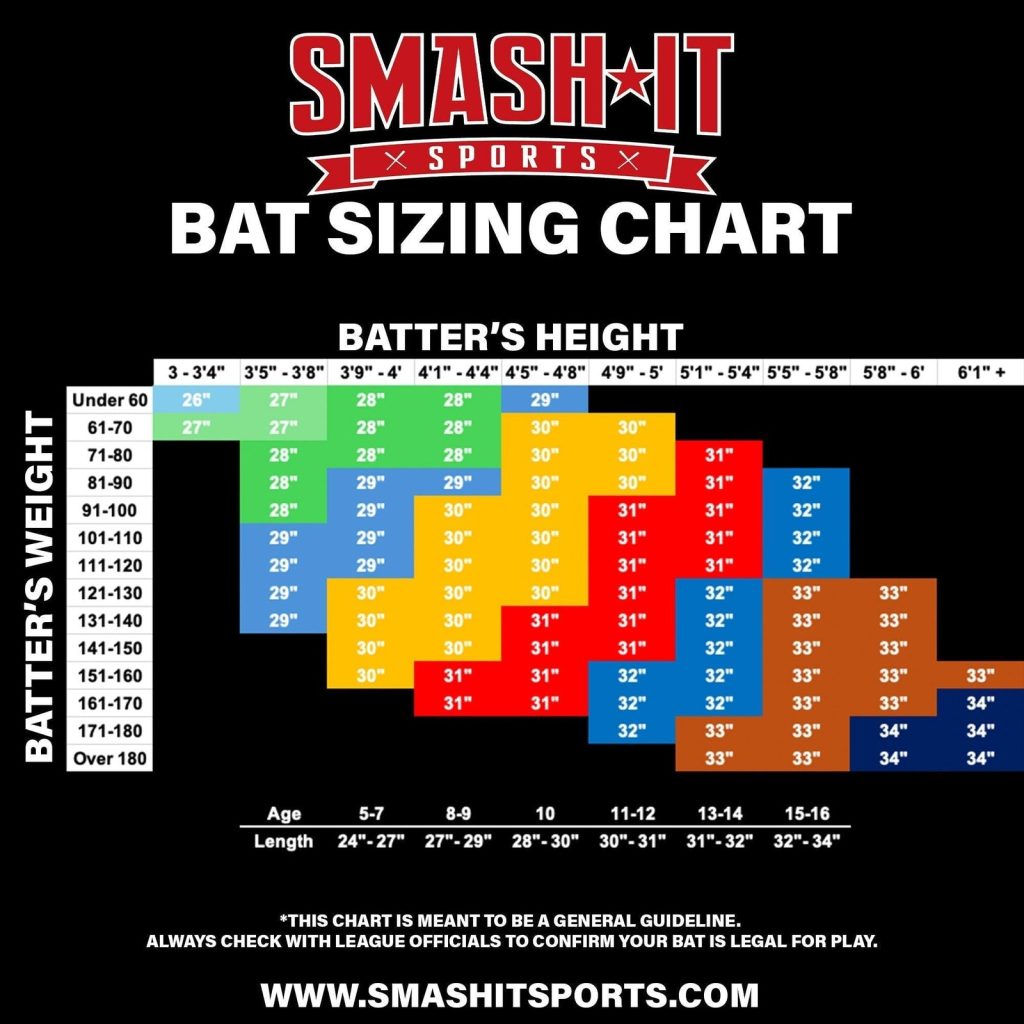
The size depends on your child’s height, weight, and strength. This guide will help you find the best bat size.
Measuring Your Child’s Height And Weight
Start by measuring your child’s height and weight. These numbers help find the right bat length and weight.
Use a tape measure for height and a scale for weight. Write down the results before choosing a bat.
Length And Weight Considerations
The bat length should match your child’s height. A longer bat helps reach the ball, but it must be easy to swing.
The weight should be light enough to control but heavy enough for power. A heavy bat can slow the swing.
- Shorter kids need shorter bats (26-28 inches)
- Taller kids usually need longer bats (29-32 inches)
- Weight should allow a smooth, fast swing
Finding The Ideal Drop Weight
Drop weight is the difference between bat length and weight. It shows how light or heavy the bat feels.
You want a drop weight that matches your child’s strength and skill. A bigger drop means a lighter bat.
| Drop Weight | Who It Fits | Benefits |
|---|---|---|
| -10 to -13 | Strong, older youth players | More power, heavier bat |
| -8 to -10 | Average strength players | Good balance of power and control |
| -5 to -8 | Younger or smaller players | Lighter bat, easier to swing |
Types Of Youth Baseball Bats
Choosing the right baseball bat for a young player is important. There are different types of bats available for youth baseball players.
Each type of bat has unique features. Understanding these can help in making a good choice.
Wood Bats
Wood bats are traditional and offer a classic feel. They are made from materials like ash, maple, or birch.
These bats help players develop strong hitting skills. They are often used in practice and training.
- Ash bats are lightweight and flexible.
- Maple bats are dense and durable.
- Birch bats combine flexibility and strength.
Aluminum Bats
Aluminum bats are popular in youth leagues. They are lightweight and easy to swing.
These bats provide a larger sweet spot. This makes it easier for players to hit the ball.
- Durable and long-lasting.
- Require minimal break-in time.
- Often used in school teams.
Composite Bats
Composite bats are made from carbon fiber materials. They offer a balanced swing and a larger sweet spot.
These bats usually need a break-in period. They are ideal for players seeking better performance.
- Lightweight with reduced vibration.
- Provide better energy transfer.
- Used in advanced play.
Hybrid Options
Hybrid bats combine aluminum and composite materials. They offer the benefits of both types.
These bats have an aluminum barrel and a composite handle. They provide a balanced feel and enhanced power.
- Great for young players improving skills.
- Offer durability and performance.
- Suitable for competitive leagues.
Bat Certification And League Rules
Choosing the right baseball bat for youth players is important. Understanding bat certification and league rules helps you pick a legal and safe bat.
Different leagues have different rules about which bats players can use. It is important to know these rules before buying a bat.
Understanding Bat Certifications
Bats must meet certain standards to be allowed in youth baseball. Certifications show that bats follow safety and performance rules.
Common certifications include BBCOR, USSSA, and USA Baseball. Each certification has different rules about bat size and material.
- BBCOR:Used mostly for high school and older players.
- USSSA:Used in many youth leagues for balanced performance.
- USA Baseball:Required in many youth leagues for bats 2 5/8 inches or smaller.
Common Youth League Standards
Youth baseball leagues have rules that decide which bats players can use. These rules keep the game fair and safe.
Each league sets rules about bat length, weight, and certification. Always check your league’s rules before buying a bat.
- Little League requires USA Baseball certified bats.
- Cal Ripken Baseball accepts USSSA and USA Baseball bats.
- USSSA baseball leagues require USSSA certified bats.
Checking For Approved Bats
Always check if a bat is approved for your league. Look for certification stamps or labels on the bat.
Leagues often publish lists of approved bats. Use these lists to make sure your bat meets league rules.
- Look for certification stamps like USA Baseball or USSSA logos.
- Check your league’s official website for approved bat lists.
- Avoid bats without certification marks to prevent disqualification.

Credit: smashitsports.com
Grip And Handle Features
Choosing the right baseball bat for youth players means paying close attention to grip and handle features. These parts affect comfort and control during swings.
Proper grip and handle design help young players improve their hitting skills and reduce hand fatigue.
Importance Of Grip Comfort
A comfortable grip helps players hold the bat firmly without slipping. It also reduces blisters and hand soreness after long practices or games.
- Look for soft or cushioned grip materials
- Choose grips that fit small hands well
- Ensure the grip surface is non-slip
- Consider grips that absorb sweat
Handle Thickness And Shape
The thickness and shape of the handle affect how easily a player can swing the bat. Thin handles help small hands wrap around better.
| Handle Feature | Benefit |
| Thin handle | Better control for small hands |
| Oval shape | Prevents bat from twisting in hands |
| Round shape | Comfortable grip for most players |
| Tapered handle | Balanced weight for smooth swings |
Anti-vibration Technologies
Anti-vibration features help reduce the sting felt in hands after hitting the ball. This makes playing more comfortable and encourages longer practice.
- Look for bats with shock-absorbing inserts
- Some handles use special materials to reduce vibration
- Good anti-vibration tech helps protect young players’ hands
Budgeting For A Youth Baseball Bat
Choosing a youth baseball bat can be tricky. Setting a budget helps you find the right bat without spending too much.
Think about how often the bat will be used. This helps decide how much money to spend.
Price Ranges And Value
Youth baseball bats come in many price ranges. Lower-priced bats usually suit beginners. Higher-priced bats offer better materials and durability.
Sometimes, a mid-range bat gives the best value. It balances cost and quality for most young players.
- Low price: $20 to $50, good for casual play
- Mid price: $50 to $100, better materials and performance
- High price: $100 and up, top quality and durability
Balancing Quality And Cost
Look for bats that feel good and last long. Don’t spend too much on features kids may not need.
Choose a bat that matches the player’s skill and how often they play. This avoids wasting money on extras.
- Check bat weight and length for comfort
- Look for durable materials like alloy or composite
- Avoid bats with too many fancy features for beginners
When To Invest In Upgrades
Upgrade bats when the player improves skills or plays more often. Better bats can help performance and comfort.
Consider upgrades for older kids who need lighter or longer bats. This helps them swing better and stay safe.
- Upgrade after a season of regular play
- Choose lighter or longer bats for growing players
- Invest in better materials for advanced skill levels
Maintenance And Longevity
Choosing the right baseball bat for youth means caring for it properly. Good maintenance helps bats last longer and perform better. Taking care of a bat saves money and keeps young players ready to play.
Simple steps like cleaning, storing, and checking the bat can extend its life. Knowing when to replace the bat is also important for safety and performance.
Proper Bat Care Tips
Keep the bat clean by wiping it with a dry cloth after each use. Avoid using water or harsh chemicals. Check the bat for dents or cracks regularly.
- Clean the bat after every game or practice
- Do not hit hard surfaces like rocks or concrete
- Avoid extreme temperatures that can damage the bat
- Use a bat grip or tape to protect the handle
Signs It’s Time To Replace A Bat
Check the bat often for signs of damage. If the bat has cracks, dents, or a loose handle, it may be unsafe. A bat that feels different when hitting may also need replacement.
- Visible cracks or dents on the barrel or handle
- Loose or broken parts on the bat
- Decreased hitting power or odd sounds on contact
- Worn-out grip that cannot be fixed with tape
Storing Bats Safely
Store bats in a cool, dry place away from direct sunlight. Avoid leaving them in cars or wet areas. Proper storage keeps the bat’s material strong and ready to use.
- Use a bat rack or bag to keep bats off the ground
- Keep bats away from heat sources or moisture
- Do not stack heavy items on top of bats
- Check stored bats regularly for damage
Testing And Trying Bats
Picking the right baseball bat for youth takes careful testing. Trying different bats helps find one that feels comfortable and fits well.
Testing bats is important before buying. It helps young players swing better and enjoy the game more.
Visiting Sporting Goods Stores
Sporting goods stores have many bats to choose from. Visiting them lets you see and hold different bats in person.
- Check the bat’s weight and length
- Feel the grip and balance
- Ask about different materials used
- Try bats designed for different age groups
Swinging Different Bats
Try swinging several bats to see which one feels best. Each bat swings differently based on weight and design.
| Bat Feature | What to Check |
| Weight | Easy to swing without strain |
| Length | Fits player height and reach |
| Grip | Comfortable and secure hold |
| Balance | Evenly distributed weight |
Getting Feedback From Coaches
Coaches can help choose the right bat. They watch players swing and give advice on bat fit and style.
- Ask if the bat suits the player’s skill level
- Get tips on proper swinging technique
- Learn about bat rules for leagues
- Seek advice on bat durability and safety
Credit: www.annexbaseball.com

Credit: www.justbats.com
Frequently Asked Questions
What Size Baseball Bat Is Best For Youth Players?
Choose a bat length based on the player’s height and weight. Typically, youth bats range from 24 to 30 inches. Proper sizing ensures better control and hitting power, enhancing performance and safety on the field.
How To Determine The Right Bat Weight For Kids?
Select a bat weight that allows a youth player to swing comfortably. Lighter bats improve swing speed and control. Avoid bats that feel too heavy to prevent injury and improve hitting accuracy.
Which Materials Are Best For Youth Baseball Bats?
Aluminum and composite bats are popular for youth players. Aluminum bats are durable and affordable. Composite bats offer better performance but may require a break-in period. Choose based on budget and league regulations.
Are There Specific Bat Standards For Youth Leagues?
Yes, youth leagues often require bats to meet USA Baseball or USSSA standards. These certifications ensure bats are safe and fair for gameplay. Always check league rules before purchasing a bat.
Conclusion
Choosing the right baseball bat helps kids play better and enjoy more. Size, weight, and material all matter a lot. A bat that feels good builds confidence at the plate. Keep safety and comfort as top priorities. Remember, practice makes perfect with any bat you pick.
Take time to find the best fit for your young player. This small step can lead to big smiles and better swings. Stay patient and watch skills grow over time.