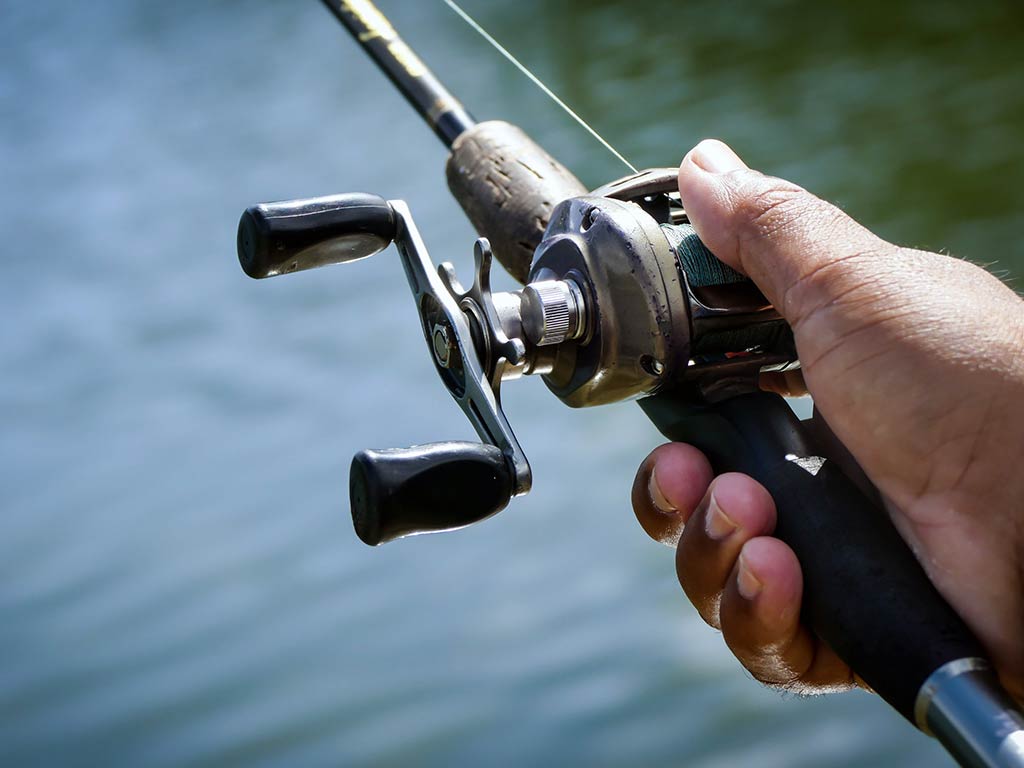
Choosing the right fishing rod can make all the difference when you’re out trying to catch bass. You might be wondering, “What size fishing rod for bass is best for me?”
Picking the perfect rod helps you cast better, feel the bite, and land more fish. Whether you’re a beginner or have some experience, understanding the right rod size will boost your confidence and success on the water. Keep reading, and you’ll discover exactly what you need to know to make your next bass fishing trip a winner.
Bass Fishing Basics
Choosing the right fishing rod size helps catch more bass. Different rods suit different fishing spots and bass types.
This guide covers bass species, their habitats, and behavior patterns. Knowing these basics improves your fishing success.
Bass Species And Habitats
Bass live in many water types, from lakes to rivers. Each species has a preferred habitat that affects rod choice.
| Bass Species | Preferred Habitat | Recommended Rod Length |
| Largemouth Bass | Weedy lakes and ponds | 6.5 to 7 feet |
| Smallmouth Bass | Rocky rivers and streams | 6 to 7 feet |
| Spotted Bass | Clear rivers and reservoirs | 6.5 to 7 feet |
Behavior Patterns
Bass change their behavior with seasons and water conditions. Rod size helps handle their fighting style in these conditions.
- In spring, bass stay in shallow water near cover
- Summer heat moves them to deeper, cooler spots
- Fall bass feed actively before winter
- Winter bass become less active and stay deep
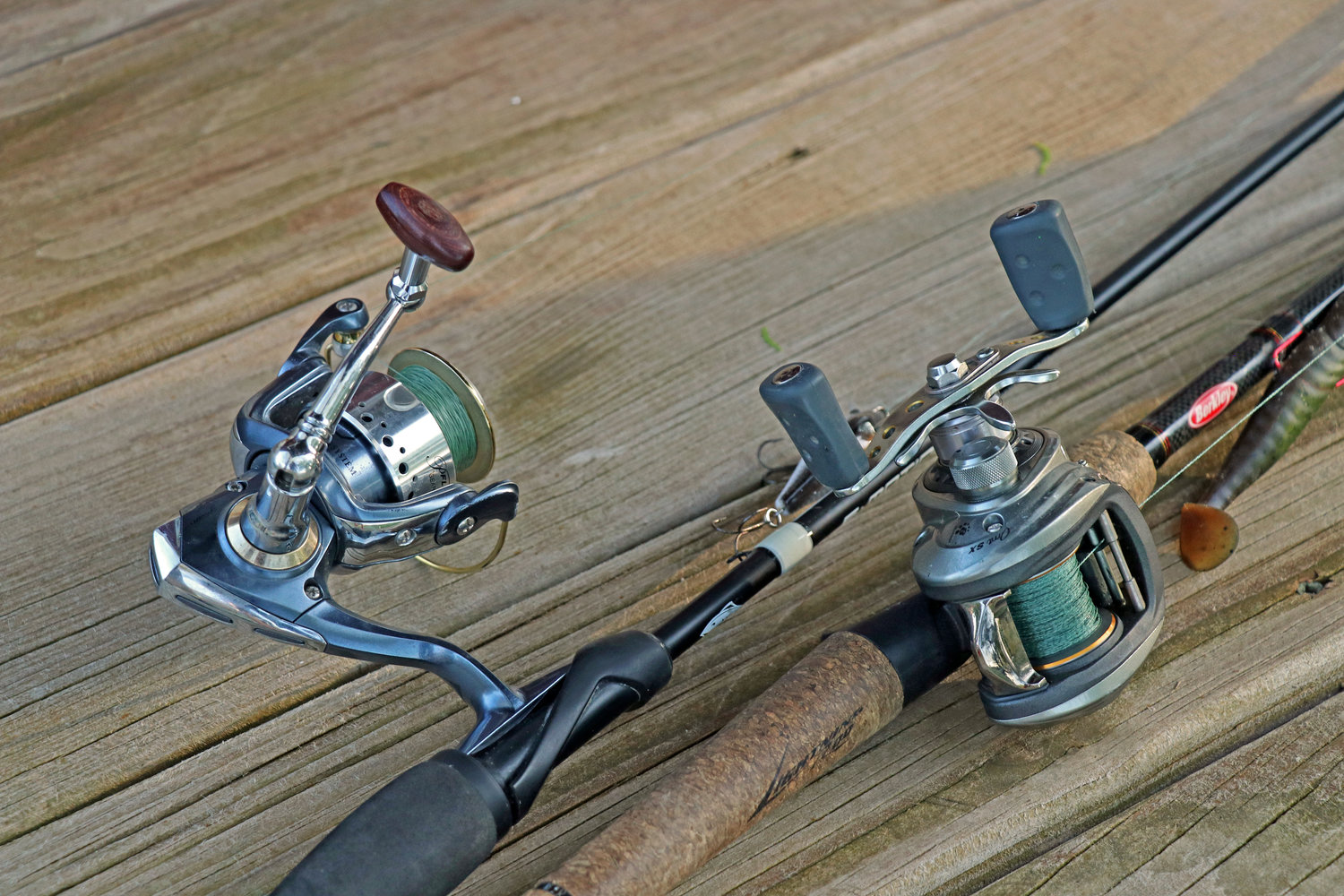
A medium action rod around 6.5 to 7 feet suits most bass fishing needs. It offers good control and enough power for big fish.
Credit: www.texaskayakfisher.com
Choosing Rod Length
Choosing the right fishing rod length is important for bass fishing. The rod length affects your casting distance and accuracy.
Different fishing situations require different rod lengths. Understanding the differences helps you make the best choice.
Short Vs Long Rods
Short rods are easier to handle and control. They are great for fishing in tight spaces.
Long rods allow longer casts. They help cover more water and are good for open areas.
- Short rods: under 7 feet
- Long rods: over 7 feet
- Short rods: better for accuracy
- Long rods: better for distance
Fishing Environment Impact
The environment where you fish affects your rod choice. Dense areas need shorter rods.
Open waters allow you to use longer rods. Consider the space you have to move around.
- Dense cover: short rods for maneuverability
- Open water: long rods for casting distance
- Consider tree branches and other obstacles
Rod Power And Action
Choosing the right fishing rod size for bass depends on rod power and action. These two factors affect how the rod performs during casting and fighting fish.
Rod power refers to the rod’s strength or lifting ability. Rod action describes how much the rod bends when pressure is applied.
Light Power
Light power rods are thin and flexible. They work well for small bass and light lures. These rods let you feel subtle bites easily.
Light rods are good for calm water and clear conditions. They help you cast lightweight baits with accuracy.
Medium Power
Medium power rods offer a balance between strength and sensitivity. They handle most bass sizes and lure weights well.
These rods suit many fishing styles, from jigging to topwater. Medium power is a versatile choice for bass anglers.
Heavy Power
Heavy power rods are strong and stiff. They work best for big bass and heavy lures. These rods help control fish in tough cover.
Heavy rods are less sensitive but give more power for quick hook sets. Use them for heavy line and big baits.
Fast Action
Fast action rods bend mostly near the tip. This gives quick hook sets and precise control over the lure.
These rods work well for single hooks and soft plastics. They offer good sensitivity and power at the tip.
Moderate Action
Moderate action rods bend from the tip to the middle. They provide a smooth feel and absorb fish runs better.
Use these rods for topwater and crankbaits. They balance casting distance and hook-setting power.
Slow Action
Slow action rods bend down to the handle. They offer a softer feel and longer casting distance.
These rods suit light line and small lures. They protect light tippets and help catch cautious bass.

Credit: www.bassresource.com
Matching Rod With Reel And Line
Choosing the right fishing rod for bass depends on matching it with the reel and line. A balanced combo helps you cast better and catch more fish.
The rod size affects how well it works with the reel and line. Picking the right size makes fishing easier and more fun.
Spinning Vs Baitcasting Combos
Spinning combos use rods that are lighter and more flexible. They work well with lighter lines and smaller lures. This setup is good for beginners and light cover fishing.
Baitcasting combos need stiffer rods with faster action. They handle heavier lines and bigger lures. These combos give more control and power for bigger bass.
- Spinning rods: 6 to 7 feet long, light to medium power
- Baitcasting rods: 6.5 to 7.5 feet long, medium to heavy power
- Spinning reels match light to medium line weights
- Baitcasting reels fit medium to heavy line weights
Line Weight Considerations
Line weight affects the rod’s performance and how you fish. Use the line weight recommended for your rod and reel combo. This keeps the gear balanced and working well.
Light lines work best with light rods and spinning reels. Heavier lines pair well with stronger rods and baitcasting reels. Match line weight to the bass size and fishing style.
- 6-12 lb line fits light to medium rods for smaller bass
- 12-20 lb line suits medium to heavy rods for bigger bass
- Choose line weight based on water cover and lure size
Rod Materials And Build
Choosing the right fishing rod for bass depends a lot on the rod’s materials and how it is built. These factors affect how the rod feels and performs during fishing.
Rod materials impact strength, weight, and sensitivity. The build quality affects durability and how easy the rod is to handle.
Graphite Vs Fiberglass
Graphite rods are light and sensitive. They help anglers feel the smallest bites from bass. Fiberglass rods are heavier but stronger. They can handle rough use better.
Graphite rods are good for quick, precise casting. Fiberglass rods work well in tough conditions and for beginners.
- Graphite: light, sensitive, fast action
- Fiberglass: heavy, strong, slow action
- Graphite is more expensive than fiberglass
- Fiberglass rods are more flexible
Durability And Sensitivity
Durability means how long a rod lasts without damage. Sensitivity means how well you feel the fish bite. Both are important for bass fishing.
Fiberglass rods last longer but feel less sensitive. Graphite rods give better feedback but can break easier. Choose based on your fishing style and conditions.
- Durability: fiberglass rods resist breaks well
- Sensitivity: graphite rods detect small bites
- Balance is key for good bass fishing rods
- Check rod build quality for strength and feel
Tips For Different Techniques
Choosing the right fishing rod size helps improve your bass fishing. Different techniques need different rod lengths and actions.
This guide covers tips for casting and jigging, flipping and pitching to help you pick the best rod size.
Casting And Jigging
For casting and jigging, use a rod between 6’6″ and 7’2″. This size offers good control and distance.
Medium to medium-heavy power rods work well for these techniques. They give enough strength to handle bass and cast lures far.
- Rod length: 6’6″ to 7’2″
- Power: Medium to medium-heavy
- Action: Fast to extra-fast
- Use spinning or baitcasting reels
Flipping And Pitching
Flipping and pitching need shorter rods, around 6′ to 6’6″. This helps with accuracy and control near cover.
Choose medium-heavy or heavy power rods with fast action. These rods handle heavy baits and strong bass better.
- Rod length: 6′ to 6’6″
- Power: Medium-heavy to heavy
- Action: Fast
- Use baitcasting reels for precision
Popular Rod Sizes For Bass
Choosing the right fishing rod size helps improve your bass fishing experience. Rod length affects casting distance, control, and accuracy. Different setups work best with certain rod lengths.
This guide covers popular rod sizes for bass fishing and how to adjust them for your needs.
Best Lengths For Various Setups
Shorter rods, around 6 to 6.5 feet, work well for fishing in tight spaces. They give better control and quick hook sets. Longer rods, between 7 and 8 feet, help with longer casts and fishing in open water.
| Rod Length | Best Setup | Advantages |
| 6 to 6.5 feet | Short range, heavy cover | Better control, fast hook sets |
| 7 to 7.5 feet | General use, varied cover | Balanced casting and control |
| 7.5 to 8 feet | Long casts, open water | Greater casting distance |
Adjusting For Personal Preference
Your choice depends on fishing style and comfort. Some anglers like light rods for sensitivity. Others choose heavier rods for bigger lures and fish. Try different rods to find what fits you best.
- Pick a rod length that feels comfortable to cast
- Consider the type of water and cover you fish in
- Match rod power and action to your lure size
- Test rods before buying if possible
Common Mistakes To Avoid
Choosing the right fishing rod size for bass is important. Many anglers make simple mistakes that hurt their fishing experience.
Understanding these common errors can help you catch more bass and enjoy fishing more.
Using Incorrect Rod Power
Rod power means how strong the rod is. Using the wrong power makes it hard to catch bass.
If the rod is too light, it may break when the bass fights. If it is too heavy, you lose sensitivity and feel.
- Light rods are best for small bass and light lures.
- Medium power rods work well for most bass fishing.
- Heavy rods are for big bass or heavy cover.
Ignoring Environmental Factors
Fishing spots and weather affect what rod size you need. Ignoring these can cause poor fishing results.
For example, thick weeds need a stronger rod to pull bass out. Clear water needs a lighter rod for better feel.
- Use medium-heavy rods in heavy cover or weeds.
- Use medium rods in open water or clear lakes.
- Consider rod length based on space to cast.

Credit: medium.com
Frequently Asked Questions
What Is The Best Fishing Rod Length For Bass?
A 6 to 7-foot rod is ideal for bass fishing. It offers great control and casting distance. This length suits most bass fishing techniques and environments. Longer rods help with longer casts, while shorter rods improve accuracy.
Which Rod Power Is Suitable For Bass Fishing?
Medium to medium-heavy power rods are best for bass. They provide enough strength to handle bass fights. This power range offers versatility for various lures and conditions. It balances sensitivity and backbone effectively.
Should I Choose A Fast Or Slow Action Rod For Bass?
Fast action rods are preferred for bass fishing. They offer better hook-setting power and sensitivity. Fast rods bend near the tip, allowing quick response. Slow action rods are less responsive and better for light baits.
What Rod Material Is Best For Bass Rods?
Graphite rods are popular for bass fishing. They are lightweight, sensitive, and durable. Graphite helps anglers feel bites and control lures better. Fiberglass rods are heavier but more flexible, good for beginners.
Conclusion
Choosing the right bass fishing rod size makes a big difference. A rod between 6 to 7 feet suits most bass fishing needs. It offers good control and strength for casting and reeling. Keep in mind the rod’s power and action too.
These affect how you handle the fish and lure. Remember, the right rod feels comfortable in your hands. Try different sizes if you can. This helps find what works best for you. Enjoy your fishing trips with the best rod for bass.
Catch more and have fun!