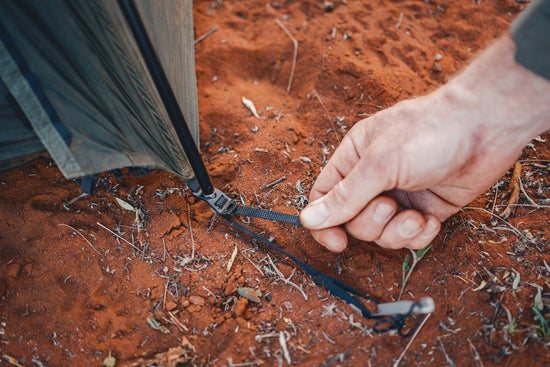
When you hear the term “tent pegs,” what comes to your mind? If you’ve ever set up a tent, you know they’re more than just simple sticks in the ground.
Tent pegs are the small but mighty tools that keep your shelter steady, no matter the weather. But do you really know how they work or why choosing the right ones matters for your outdoor adventure? You’ll discover everything you need to know about tent pegs—so you can make sure your tent stays secure, and your camping experience stays comfortable.
Ready to get the inside scoop? Keep reading!
Types Of Tent Pegs
Tent pegs keep your tent steady and safe on the ground. They come in different shapes and materials. Each type works best in certain ground conditions.
Choosing the right tent peg helps your tent stay strong in wind and rain. Here are the common types of tent pegs.
Metal Pegs
Metal pegs are strong and durable. They hold well in hard or rocky soil. Many campers like them for their reliability.
Some metal pegs are made of aluminum, steel, or iron. Aluminum pegs are light but strong. Steel pegs are heavier but very tough.
- Aluminum pegs: lightweight, rust-resistant
- Steel pegs: very strong, heavy
- Iron pegs: classic, durable
Plastic Pegs
Plastic pegs are light and easy to carry. They work well in soft or sandy soil. These pegs are less strong than metal ones.
Plastic pegs come in bright colors. This makes them easy to find on the ground. They are good for small tents or short trips.
- Lightweight and easy to pack
- Best for soft soil or sand
- Available in many colors
Wooden Pegs
Wooden pegs are traditional and simple. They work in soft to medium soil. They are biodegradable and eco-friendly.
Wooden pegs can break more easily than metal or plastic. They are usually handmade or carved. Many campers use them for light tents.
- Natural and eco-friendly
- Good for soft or grassy soil
- Can break if stressed too much
Specialty Pegs
Specialty pegs are made for specific ground types or conditions. They include snow pegs, sand pegs, and heavy-duty designs. These pegs offer extra grip.
Snow pegs are wide and flat for icy ground. Sand pegs are long and curved for loose sand. Heavy-duty pegs are thick for tough soil.
- Snow pegs: wide shape for ice
- Sand pegs: curved to hold in sand
- Heavy-duty pegs: strong for hard soil
Materials And Durability
Tent pegs are essential for securing tents. They come in different materials, each offering unique benefits. Choosing the right material affects durability and performance.
Understanding the materials can help you pick the best tent pegs for your needs. Let’s explore the options available.
Aluminum Pegs
Aluminum pegs are lightweight, making them easy to carry. They are suitable for most terrains, especially softer ground.
These pegs resist rust, but they can bend under heavy stress. Aluminum is a good choice for backpacking trips.
- Lightweight and easy to handle
- Resistant to rust and corrosion
- May bend in rocky or hard soil
Steel Pegs
Steel pegs are strong and durable. They work well in hard or rocky soil. These pegs are heavier than aluminum ones.
They are less likely to bend, making them reliable for rough conditions. Steel pegs can rust if not coated properly.
- Strong and durable in tough terrains
- Heavier than aluminum pegs
- Can rust without protective coating
Titanium Pegs
Titanium pegs are both strong and lightweight. They are ideal for all types of soil. These pegs resist rust and bending.
They are more expensive but offer excellent durability. Titanium is a great investment for frequent campers.
- Lightweight yet strong
- Resistant to rust and bending
- Higher cost but long-lasting
Choosing Pegs For Different Terrains
Tent pegs hold your tent steady in many types of ground. Choosing the right peg helps keep your tent safe. Different soils need different pegs.
We look at pegs for sandy soil, rocky ground, soft or muddy earth, and snow or ice. Each terrain requires a special peg type.
Sandy Soil
Sandy soil is loose and does not hold pegs well. Long and wide pegs work best. They spread the weight over a larger area. This stops the peg from pulling out easily.
- Use pegs with a wide surface or flanges
- Look for pegs made of strong, lightweight material
- Drive pegs deeper than usual for better grip
Rocky Ground
Rocky ground makes it hard to push pegs into the earth. Short, sturdy pegs work best here. You may also need to use rocks to hold the tent down. Metal pegs with a strong tip can fit between rocks.
Soft Or Muddy Earth
Soft or muddy earth offers little resistance to regular pegs. Use pegs designed to resist pulling out. Wide and long pegs or screw pegs work well. They hold better in wet and loose ground.
| Peg Type | Best Use | Notes |
| Wide Flanged Peg | Sandy and Muddy Soil | Spreads pressure, less pull-out |
| Short, Strong Metal Peg | Rocky Ground | Fits between rocks, very durable |
| Screw Peg | Soft or Muddy Earth | Offers strong grip in loose soil |
Snow And Ice
Snow and ice need special pegs called snow stakes. They are long and flat. Snow stakes hold well by creating resistance under the snow. You can also use ice screws for frozen ground.
Tips for Snow and Ice Pegs:
- Insert pegs horizontally under the snow
- Use ice screws on hard frozen surfaces
- Carry extra pegs for strong winds

Credit: www.youtube.com
How To Use Tent Pegs Properly
Tent pegs hold your tent firmly on the ground. Using them right keeps your tent safe and steady.
Learn how to place tent pegs so they do their job well. This guide covers angle, depth, spacing, and securing.
Correct Angle And Depth
Insert tent pegs at a 45-degree angle pointing away from the tent. This angle gives the best hold.
Push the peg into the ground until only a few inches show above the surface. This keeps them firm.
- Angle pegs away from the tent at about 45 degrees
- Drive pegs deep enough so they stay steady
- Avoid shallow pegs that can pull out easily
Spacing Between Pegs
Space tent pegs evenly around the tent. Proper spacing spreads the tension well.
Keep pegs about 18 to 24 inches apart. This depends on your tent size and shape.
- Space pegs evenly to balance the load
- Use closer spacing in windy or loose soil
- Follow your tent’s instructions for best results
Securing Guy Lines
Tie guy lines tightly to pegs to keep your tent stable. Loose lines can cause flapping or collapse.
Check the tension often and adjust as needed. Guy lines help handle wind and rain pressure.
- Attach guy lines firmly to pegs
- Keep lines tight but not over-stretched
- Adjust lines during bad weather for extra support
Common Mistakes To Avoid
Tent pegs are important for keeping your tent stable. Using them wrong can cause problems.
Learn about common mistakes people make with tent pegs. Avoid these errors for a safer setup.
Using Wrong Peg Type
Different soils and tents need different peg types. Using the wrong peg can make your tent unstable.
For example, thin pegs bend in hard ground. Heavy-duty pegs are better for rocky soil.
- Soft soil needs longer, wider pegs
- Rocky or hard soil requires strong metal pegs
- Sand needs pegs designed to hold in loose ground
Improper Peg Placement
Placing pegs in the wrong spot reduces tent stability. Pegs should be driven in at an angle.
Do not place pegs too close or too far from the tent. This can cause the tent fabric to sag or tear.
- Drive pegs at a 45-degree angle away from the tent
- Space pegs evenly for balanced tension
- Do not leave pegs sticking out too much
Ignoring Weather Conditions
Weather affects how well pegs hold your tent. Strong winds need extra care when pegging.
Wet or frozen ground changes peg grip. Adjust your peg choice and placement based on weather.
- Use longer or heavier pegs for windy weather
- Check and tighten pegs after rain or wind
- In snow, use snow stakes or bury pegs horizontally

Credit: dictionary.cambridge.org
Maintenance And Storage Tips
Tent pegs are essential for securing your tent in place. Taking care of them helps keep them strong and ready to use.
Proper maintenance and storage extend the life of your pegs and make setting up camp easier.
Cleaning Pegs
After use, dirt and mud can stick to your tent pegs. Cleaning them prevents rust and damage.
- Rinse pegs with clean water to remove dirt.
- Use a brush to scrub off stubborn mud.
- Dry the pegs completely before storing.
Inspecting For Damage
Check your pegs for bends, cracks, or rust before and after each trip. Damaged pegs can fail during use.
| Type of Damage | What to Look For |
| Bends | Pegs not straight or easily pushed into the ground |
| Cracks | Visible splits or breaks in the metal or plastic |
| Rust | Orange or brown spots, especially on metal pegs |
Organizing For Transport
Keeping your tent pegs organized makes packing and setup faster. It also protects them from damage.
- Use a peg bag or pouch to hold all pegs together.
- Sort pegs by size or type if you have different kinds.
- Wrap sharp ends with cloth or foam to avoid injury.
- Store pegs in a dry place to prevent rust.
Innovations In Tent Peg Design
Tent pegs hold your tent steady on different ground types. New designs improve strength and ease of use.
Innovations focus on making pegs lighter, adjustable, and better for the environment.
Lightweight Solutions
Lightweight tent pegs reduce the weight of camping gear. They use strong but light materials like aluminum and carbon fiber.
- Aluminum pegs are strong and weigh less than steel.
- Carbon fiber pegs offer high strength with very low weight.
- Titanium pegs resist corrosion and stay light for long trips.
Adjustable Pegs
Adjustable pegs fit different soil types and tent sizes. They allow campers to change length or angle for better hold.
| Feature | Benefit |
| Telescoping length | Fits different ground depths |
| Rotating hook | Improves rope grip |
| Flexible shaft | Adapts to rocky or uneven soil |
Eco-friendly Materials
Eco-friendly pegs use recycled or natural materials. They reduce waste and impact on nature.
- Recycled aluminum reduces mining needs.
- Bamboo pegs offer a renewable option for soft soil.
- Biodegradable plastics break down after use.

Credit: www.amazon.ca
Frequently Asked Questions
What Are Tent Pegs Used For?
Tent pegs secure tents to the ground, preventing them from moving. They hold the tent fabric tight and stable, especially in windy conditions. Pegs are essential for safe and comfortable camping.
What Materials Are Tent Pegs Made From?
Tent pegs are commonly made from aluminum, steel, or plastic. Aluminum pegs are lightweight and rust-resistant. Steel pegs offer strength and durability. Plastic pegs are lightweight but less durable.
How To Choose The Right Tent Pegs?
Choose tent pegs based on ground type and weather conditions. Use longer, stronger pegs for hard or rocky soil. Lightweight pegs work well for soft or sandy soil. Consider weight if backpacking.
Can Tent Pegs Be Reused?
Yes, tent pegs can be reused multiple times if not damaged. Clean and inspect pegs after each use. Replace bent or broken pegs to ensure tent stability and safety.
Conclusion
Tent pegs hold tents firmly on the ground. They keep your shelter steady in wind and rain. Choosing the right peg matters for different soils. Metal, plastic, or wooden pegs each have uses. Knowing their purpose helps you camp with ease.
Secure pegs mean a safer, more comfortable stay outdoors. Remember, small tools make a big difference in camping. Keep your tent well-anchored and enjoy your adventure fully.