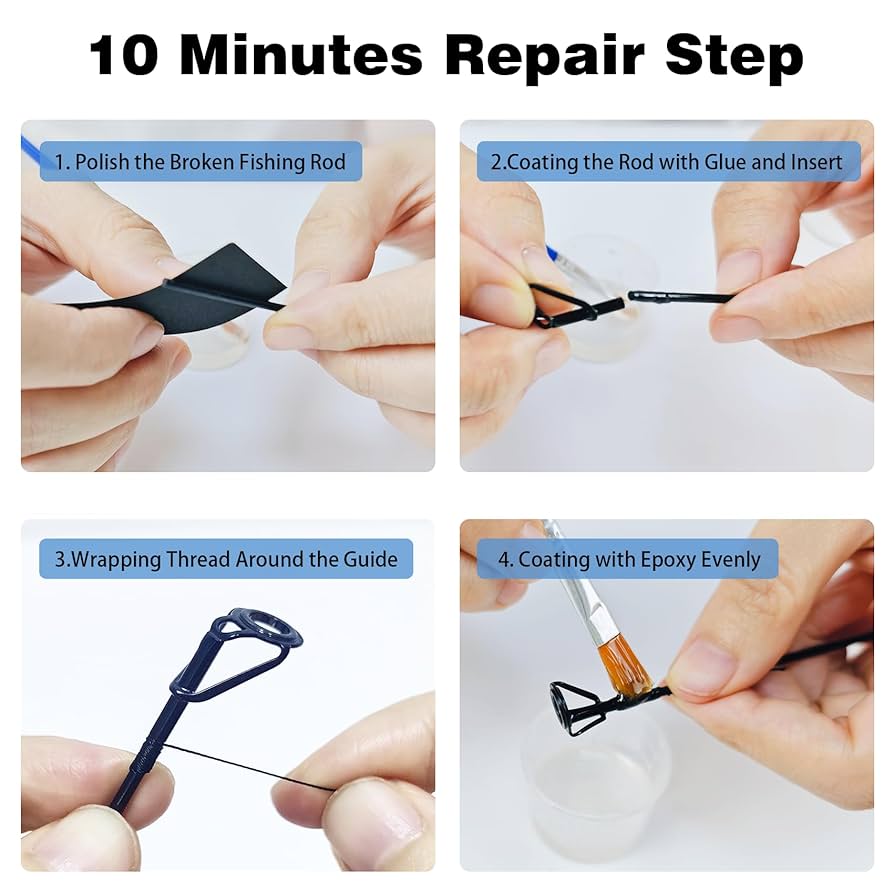
Is your fishing rod showing signs of wear or damage? Before rushing out to buy a new one, you might be surprised at how simple and rewarding it can be to fix your own rod.
You don’t need to be an expert or have expensive tools to bring your fishing gear back to life. In this guide, you’ll discover easy, step-by-step tips to repair your fishing rod quickly and effectively. Keep reading to save money, extend the life of your rod, and get back to enjoying your time on the water without delay.
Choosing The Right Tools
Fixing a fishing rod needs the right tools. Picking good tools makes repair easier and better.
Knowing which tools to use helps save time and keeps your rod strong. Let’s look at what you need.
Essential Repair Tools
Several tools help you fix a fishing rod properly. Each tool has a special job in the repair process.
- Small screwdriver for screws and guides
- Heat gun or lighter to soften glue
- Sandpaper to smooth rough areas
- Epoxy or strong glue for fixing parts
- Rod wrapping thread for guide repairs
- Sharp knife or blade for cutting thread and tape
- Measuring tape to check rod length and guide placement
Materials For Rod Fixes
Choosing the right materials keeps your rod working well. Use strong and flexible items made for fishing rods.
| Material | Use | Notes |
|---|---|---|
| Epoxy Resin | Glue broken parts and secure guides | Waterproof and strong |
| Rod Wrapping Thread | Wrap around guides to hold them tight | Use color that matches rod |
| Replacement Guides | Replace broken or damaged guides | Match size and style to original |
| Sandpaper (Fine Grit) | Smooth repaired areas | Use gently to avoid damage |
| Rod Finish or Varnish | Protect thread wraps and parts | Apply thin coats for best results |
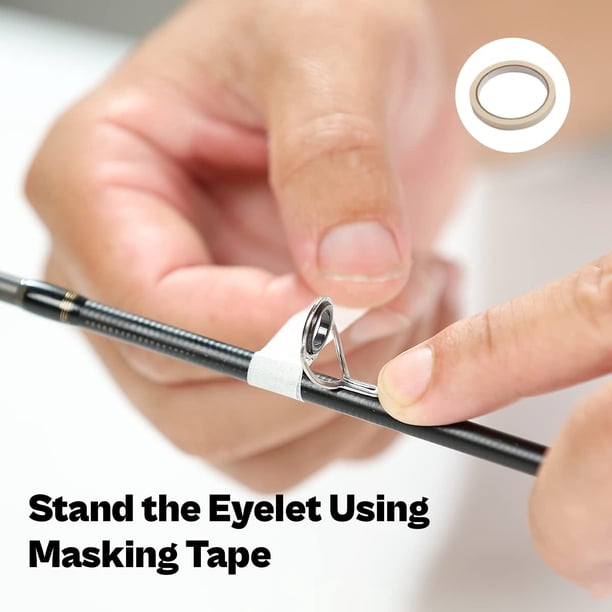
Credit: www.walmart.ca
Diagnosing Common Rod Problems
Fishing rods can have issues over time. Knowing what to look for helps in fixing them. This guide will show you how to diagnose common rod problems.
Let’s explore common issues like cracks, loose guides, and broken tips. Learning to identify these problems can save you time and money.
Identifying Cracks And Splits
Cracks and splits can weaken a fishing rod. It’s important to spot these early. Check the entire length of the rod for any visible damage.
Run your fingers along the rod’s surface. Feel for any irregularities or rough spots. This simple check can reveal hidden cracks.
- Inspect rod under bright light
- Listen for creaking sounds when bending slightly
- Check both the rod’s body and handle
Fixing Loose Guides
Loose guides can cause line issues. Ensure they are tight and secure. A simple re-tightening or replacement may be needed.
Check each guide by gently wiggling them. If they move, they need attention. Secure them with glue or replace if necessary.
- Use a small screwdriver to tighten screws
- Apply a drop of super glue for extra hold
- Replace damaged guides with new ones
Handling Broken Tips
A broken tip can ruin your fishing trip. It is fixable with the right tools. You can repair or replace it to restore functionality.
Carefully remove the broken tip. Use a new tip that fits snugly. Secure it with glue designed for fishing rods.
- Use sandpaper to smooth the rod end
- Choose a matching tip size
- Secure with rod cement or glue
Step-by-step Repair Techniques
Fishing rods can break or wear out after use. Fixing them yourself saves money and time. This guide shows simple repair steps.
Follow clear instructions to repair cracks, replace guides, and reattach tips. Use basic tools and materials for good results.
Repairing Rod Cracks
Small cracks weaken the rod and can grow larger. Fix cracks quickly to keep the rod strong. Use epoxy to seal cracks well.
Clean the cracked area before applying glue. Apply a thin layer of epoxy, then wrap the area with thread. Let it dry fully.
- Sand the crack area gently
- Mix two-part epoxy resin
- Apply epoxy to crack
- Wrap with nylon or rod thread
- Wait 24 hours to cure
Replacing Guides
Rod guides guide the fishing line and must be smooth. Replace broken or bent guides to avoid line damage. Remove old guides carefully.
Clean the rod section and slide new guides into place. Wrap the guide feet with thread tightly. Coat thread with epoxy to hold it.
- Heat old glue to remove guides
- Clean guide foot and rod surface
- Slide new guide onto rod
- Wrap guide feet with strong thread
- Apply thin epoxy over thread
- Let epoxy dry for 24 hours
Reattaching Rod Tips
The rod tip is the most sensitive part. If broken, replace it quickly. Use heat to soften glue and remove old tip gently.
Slide the new tip onto the rod end. Align it with the other guides. Use glue designed for rod tips and let it dry before use.
- Heat old tip to loosen it
- Remove old tip carefully
- Clean rod end
- Apply glue inside new tip
- Slide new tip on and align
- Let glue dry for several hours

Credit: www.youtube.com
Quick Fixes On The Water
Fishing rods can break or get damaged while you fish. Quick fixes help you keep fishing without waiting for full repairs. Learn simple repairs you can do right on the water.
Carry small repair tools and supplies to fix common problems fast. These tips focus on temporary solutions to keep your rod working until you get home.
Temporary Guide Repairs
Broken or loose guides stop your line from running smooth. Fixing guides quickly helps you avoid line tangles and damage.
- Use strong tape to hold a broken guide in place.
- Wrap fishing line tightly around a loose guide foot.
- Apply waterproof glue or resin if available for better hold.
- Replace missing inserts with small plastic or metal tubes.
- Check guides often during fishing to catch problems early.
Emergency Tip Mends
Tip sections break or crack easily. You need fast fixes to keep your rod balanced and strong.
| Damage Type | Quick Fix | Materials Needed |
| Cracked tip | Wrap tightly with tape and add glue if possible | Strong tape, waterproof glue |
| Broken tip | Remove broken part, cover end with tape | Tape, small plastic tube (optional) |
| Loose tip | Bind with line and secure with glue | Fishing line, glue |
Maintaining Your Rod Post-repair
Fixing your fishing rod is just the start. Taking care of it after repair keeps it strong and ready.
Good maintenance helps your rod last longer and work well each time you fish.
Cleaning And Storage Tips
Clean your rod gently after each use to avoid dirt and salt buildup. Use fresh water and a soft cloth.
- Rinse the rod with fresh water to remove salt and dirt
- Wipe down the rod with a soft, dry cloth
- Store the rod in a cool, dry place away from direct sunlight
- Use a rod holder or rack to keep it straight and safe
- Avoid leaning the rod against walls or sharp edges
Regular Inspection Practices
Check your rod often to find small problems early. Look at guides, tips, and the handle carefully.
| Part | What to Check | Signs of Damage |
| Guides | Cracks, bends, or loose rings | Line snags, rough spots |
| Rod Tip | Flexibility and cracks | Splits, breaks |
| Handle | Grip wear and tightness | Loose grip, worn material |
| Reel Seat | Tightness and rust | Loose reel, corrosion |
When To Seek Professional Help
Fixing a fishing rod can save money and keep your gear ready. But some problems need expert care. Knowing when to get professional help protects your rod and improves safety.
This guide explains signs of serious damage and how to choose the right repair service. Follow these tips to avoid making small problems worse.
Recognizing Major Damage
Some damage looks small but can ruin your rod or cause injury. Check for these signs that need a repair expert:
- Cracks or deep scratches in the rod blank
- Broken or missing guides (the rings that hold the line)
- Loose or damaged reel seat
- Rod sections that do not fit snugly together
- Severe bending or warping of the rod
- Delamination or peeling of rod material
Minor issues like loose guides or small scratches may be fixed at home. But major damage affects rod strength and performance. A professional can assess and fix these problems safely.
Choosing A Repair Service
Finding the right repair service is important to protect your fishing rod. Look for these qualities in a shop or technician:
| Factor | What to Look For |
| Experience | Years repairing fishing rods |
| Reputation | Positive reviews and referrals |
| Warranty | Guarantee on repairs done |
| Price | Clear and fair cost estimates |
| Tools | Proper equipment for rod types |
Ask about repair time and parts used. Choose a service that matches your rod type and repair needs. This helps ensure your rod works well after the fix.

Credit: www.youtube.com
Frequently Asked Questions
How Do I Fix A Broken Fishing Rod Tip?
To fix a broken tip, remove the damaged section carefully. Use epoxy glue to attach a new tip guide. Allow it to dry fully before use. This restores your rod’s casting accuracy and prevents line tangles.
What Causes Fishing Rod Guides To Break?
Fishing rod guides break due to corrosion, heavy use, or impact with hard surfaces. Regular maintenance and gentle handling help prevent damage. Replacing broken guides promptly ensures smooth line flow and avoids line wear.
How Can I Repair A Cracked Fishing Rod Blank?
For a cracked blank, clean the area and apply epoxy resin. Wrap with fiberglass tape for strength. Let it cure completely before use. This reinforces the rod and prevents the crack from spreading.
When Should I Replace Fishing Rod Parts Instead Of Repairing?
Replace parts if damage is severe or repairs don’t restore function. Broken blanks or multiple damaged guides often need replacement. Timely replacement maintains rod performance and safety during fishing.
Conclusion
Fixing your fishing rod can save money and extend its life. Small repairs often solve common problems quickly. Keep tools and parts handy for easy fixes. Regular checks prevent bigger issues on your next trip. Practice patience; repairs take time but pay off.
Enjoy fishing more by keeping your gear in good shape. Simple steps keep your rod ready for every adventure.