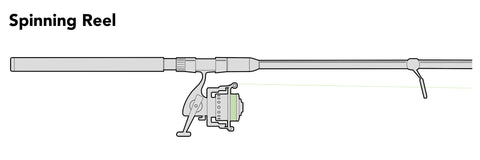
If you want your fishing experience to be smooth and successful, knowing how to attach your fishing line to the reel is a must. It might seem simple, but doing it the right way can save you from frustrating tangles and lost catches.
In this guide, you’ll learn easy steps that anyone can follow, whether you’re new to fishing or just need a quick refresher. Keep reading to master this essential skill and get ready to enjoy your time on the water without any hassle.
Choose The Right Fishing Line
Choosing the right fishing line is important for a good fishing experience. The line affects your casting, hook setting, and fish fighting.
This guide helps you pick the best line for your reel and fishing style.
Types Of Fishing Lines
There are three main types of fishing lines: monofilament, fluorocarbon, and braided. Each type has strengths and uses.
- Monofilament:Stretchy and easy to handle. Good for beginners.
- Fluorocarbon:Nearly invisible underwater. Great for clear water fishing.
- Braided:Very strong and thin. Ideal for heavy cover and long casts.
Selecting Line Strength
Line strength is measured in pounds (lb). It shows how much weight the line can hold before breaking.
| Fish Type | Line Strength (lb) | Recommended Line Type |
|---|---|---|
| Small Panfish | 2-6 | Monofilament |
| Trout and Bass | 6-12 | Fluorocarbon or Monofilament |
| Walleye and Pike | 12-20 | Braided or Fluorocarbon |
| Large Saltwater Fish | 20+ | Braided |
Credit: www.epicflyrods.com
Prepare Your Reel
Getting your fishing reel ready is a key step before heading out. You need to ensure everything is in good condition.
This guide will help you prepare your reel by cleaning the spool and checking its components.
Clean The Spool
A clean spool ensures smooth line release and retrieval. It’s important for preventing tangles and snags.
- Remove old line from the spool.
- Use a damp cloth to wipe away dust and grime.
- Check for rust or corrosion on the spool.
- Dry the spool thoroughly before adding new line.
Check Reel Components
Inspecting your reel’s components ensures it functions properly. This helps avoid issues during your fishing trip.
| Component | Action |
| Handle | Tighten screws |
| Drag System | Test for smoothness |
| Bail Arm | Ensure it clicks securely |
| Line Roller | Lubricate if necessary |
Attach The Line To The Spool
Attaching the fishing line to the reel spool is the first step in setting up your fishing gear. Doing it right helps the line stay secure and prevents tangles.
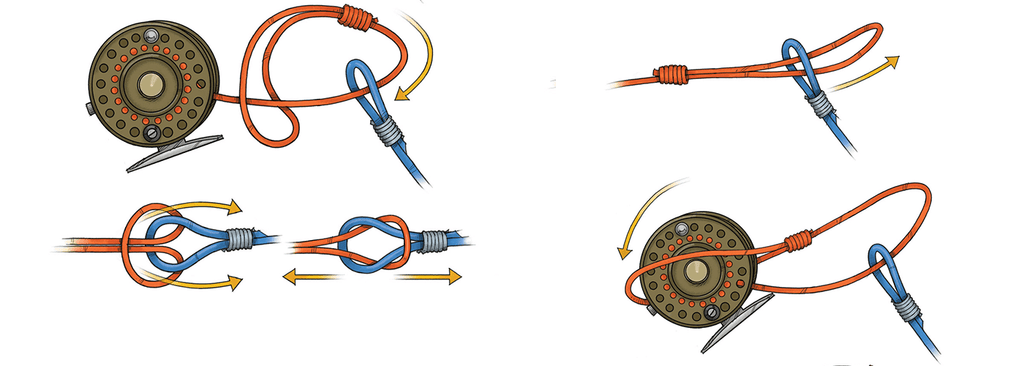
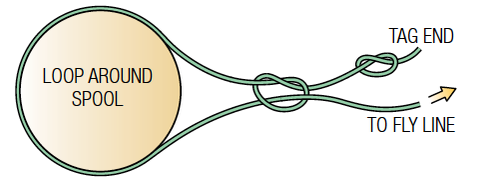
Use the arbor knot to tie the line to the spool. This knot holds tight and is easy to tie even for beginners.
Tie The Arbor Knot
Start by wrapping the line around the spool. Tie a simple overhand knot close to the spool to make a loop.
Pass the line end through the loop and pull it tight. This creates the arbor knot that keeps the line fixed on the spool.
- Wrap line around spool once
- Tie an overhand knot near spool
- Pass line end through loop
- Pull tight to secure knot
Secure The Line Properly
After tying the knot, pull the line tight to make sure it does not slip. Hold the line firmly and wind it slowly onto the spool.
Keep the line under some tension while winding. This stops loose loops and helps the line sit evenly on the spool.
- Pull line tight after knot
- Hold line firmly while winding
- Keep tension on the line
- Wind evenly on spool
Credit: monsterbass.com
Spool The Line Evenly
Spooling the fishing line evenly on the reel helps you cast better. It also stops tangles and line damage.
Take your time to wind the line in smooth layers. This keeps the line balanced and ready for fishing.
Maintain Tension
Keeping tension on the line while spooling is very important. It stops loose loops that cause problems later.
Hold the line tight with your fingers or use a cloth to keep steady pressure. This helps the line lay flat.
Avoid Line Twists
Line twists make casting difficult and cause knots. To avoid this, let the spool spin freely as you wind.
- Make sure the line comes off the filler spool the same way it goes onto the reel
- Use a swivel if needed to stop twisting
- Check for twists often and fix them right away
Finish And Trim The Line
After attaching your fishing line to the reel, it is important to finish and trim the line properly. This ensures the line stays secure and does not tangle during use.
Careful finishing and trimming help maintain the line’s strength and improve your fishing experience.
Cut Excess Line
Once the line is tied to the reel, remove any extra line left over from the knot. Leaving too much line can cause tangles and affect casting.
- Use sharp scissors or clippers for a clean cut.
- Cut close to the knot but leave a small tag end (about 1/8 inch) to avoid slipping.
- Check that the knot is tight before trimming.
- Dispose of the trimmed line properly to avoid littering.
Test The Setup
After trimming, test your line and reel setup to ensure it is secure and ready for fishing.
| Test | What to Check | Why It Matters |
|---|---|---|
| Pull Test | Pull the line firmly to check the knot’s hold. | Ensures the line won’t slip under tension. |
| Reel Spin | Turn the reel handle to see if the line moves smoothly. | Checks that the line winds evenly without catching. |
| Cast Simulation | Make a few practice casts without bait. | Identifies any issues with line tension or tangles. |

Credit: www.wikihow.com
Tips For Long-lasting Setup
Attaching your fishing line to the reel correctly helps it last longer. A strong setup stops the line from slipping or breaking.
Use simple knots and check the line often. This keeps your gear working well during every fishing trip.
Regular Maintenance
Clean your reel and line after each use. Dirt and salt can damage the line and reel parts.
Check the line for signs of wear like frays or cuts. Replace any weak sections to avoid losing fish.
- Rinse the reel with fresh water
- Dry the line and reel before storing
- Lubricate reel parts as needed
- Inspect the line for damage
- Retie the line if knots slip or loosen
Storage Recommendations
Store your fishing reel in a cool, dry place. Avoid direct sunlight to stop the line from weakening.
Keep the line loose on the reel to prevent stretching. Use a reel cover or case for extra protection.
- Loosen the drag before storing
- Keep the reel away from moisture
- Use a reel cover to avoid dust
- Store reels upright or hang them
- Check line tension before each use
Frequently Asked Questions
How Do I Tie Fishing Line To A Reel Spool?
Start by threading the line through the reel’s spool hole. Tie an arbor knot around the spool. Pull tight and trim excess line for a secure attachment.
What Type Of Knot Is Best For Reel Attachment?
The arbor knot is the most reliable for attaching line to the reel spool. It is simple, strong, and prevents slipping during casting.
Can I Attach Any Fishing Line To My Reel?
Most reels work well with monofilament, fluorocarbon, and braided lines. Ensure the line matches reel specifications for smooth casting and durability.
How Much Fishing Line Should I Spool On The Reel?
Fill the spool about 1/8 inch below the reel lip. This prevents overfilling, reducing line tangles and ensuring optimal casting distance.
Conclusion
Attaching fishing line to your reel is simple and quick. Follow the steps carefully to avoid mistakes. A strong knot keeps your line secure and ready to fish. Practice a few times to feel confident. Soon, you will attach the line without any trouble.
This skill helps you enjoy fishing more. Keep your gear ready and have fun outdoors.