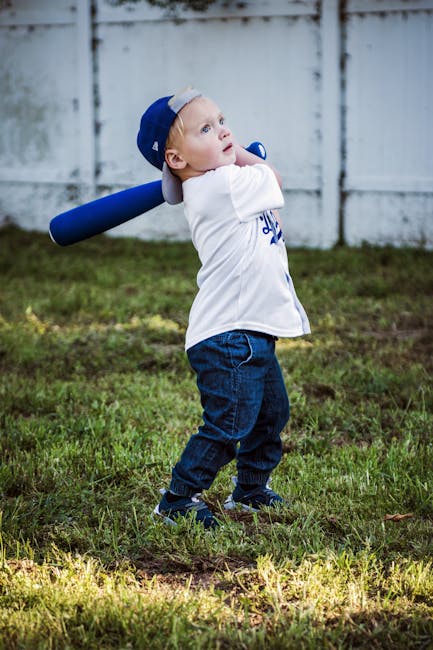
Choosing the right baseball bat size for your youth player can feel tricky. You want to make sure your child swings comfortably, hits effectively, and stays safe.
Picking the wrong bat can slow progress and even cause frustration. But don’t worry — this guide will help you find the perfect fit for your young athlete. Keep reading to discover simple tips that will boost your child’s confidence and performance on the field.

Credit: www.betweenthelinesaz.com
Factors Affecting Bat Size
Choosing the right baseball bat size for youth players is important. The right size helps players swing well and enjoy the game.
Several factors affect what bat size is best. These include age, height, weight, and skill level of the player.
Age And Height
Age gives a general idea of what bat size a youth player might need. Younger kids usually use shorter bats.
Height is also very important. Taller players often need longer bats for better reach and control.
- Players under 4 feet tall often use bats 24-26 inches
- Players between 4 and 5 feet tall usually need 27-29 inch bats
- Players over 5 feet tall may require bats 30 inches or longer
Weight Considerations
Weight affects how easy it is to swing the bat. A bat that is too heavy can slow the player’s swing.
Choosing a bat with the right weight helps players swing faster and hit better.
- Younger or lighter players should choose lighter bats
- Heavier players can handle bats with more weight
- Balanced bats are good for control and power
Skill Level Impact
Skill level changes what bat size works best. Beginners may need lighter, shorter bats for easier swings.
More experienced players might prefer longer or heavier bats to hit harder and farther.
- Beginner players focus on control and comfort
- Intermediate players balance control and power
- Advanced players look for power and reach
Measuring For The Right Length
Choosing the right baseball bat size is essential for young players. It helps them hit better and play safely. There are simple ways to measure the correct bat length.
Understanding how to measure correctly ensures the best fit. This guide will help you find the right size for your child.
Using A Tape Measure
A tape measure is a useful tool for measuring bat length. It helps you find the right size for your child quickly.
Measure from the middle of your child’s chest to the tips of their fingers. This gives you a good idea of the length they need.
Height To Length Chart
Height plays a big role in selecting the right bat size. Use a chart to match your child’s height with the recommended bat length.
| Height (inches) | Bat Length (inches) |
| 36-40 | 26-27 |
| 41-44 | 27-28 |
| 45-48 | 28-29 |
| 49-52 | 29-30 |
Testing Different Lengths
It’s important to test different bat lengths. This helps ensure comfort and control during play.
Let your child swing bats of different lengths to see which feels best. Comfort and ease of swing are key factors in choosing the right bat.
- Hold the bat with both hands
- Swing gently and observe the ease of use
- Check if the bat is too heavy or long
Choosing The Correct Weight
Choosing the right baseball bat weight is important for young players. It affects how well they swing and hit the ball.
The right bat weight helps balance control and strength. Too heavy or too light can hurt performance.
Drop Weight Explained
Drop weight is the difference between the bat length and its weight. It is shown as a negative number.
For example, a bat that is 30 inches long and weighs 20 ounces has a drop weight of -10.
Balancing Speed And Power
You need to find a balance between swing speed and hitting power. Lighter bats swing faster but may hit with less force.
- Use a lighter bat to improve bat speed and control.
- Choose a heavier bat for more power but slower swings.
- Practice swinging different weights to find what feels best.
Weight Recommendations By Age
| Age | Bat Length (inches) | Drop Weight | Recommended Weight (ounces) |
| 5-7 years | 24-26 | -10 to -12 | 14-16 |
| 8-10 years | 26-28 | -8 to -10 | 18-20 |
| 11-13 years | 28-30 | -5 to -8 | 22-25 |
| 14-16 years | 30-32 | -3 to -5 | 26-29 |
Material Types And Their Effects
Choosing the right baseball bat size for youth players depends on the material. Different materials affect the bat’s weight, feel, and performance. Understanding these materials helps in making a good choice.
This guide looks at aluminum, composite, and wooden bats. It explains how each type affects youth players and their play style.
Aluminum Vs. Composite
Aluminum bats are light and strong. They give good swing speed and solid contact. Composite bats are made from layered materials. They often feel lighter and reduce vibration on the hands.
- Aluminum bats usually have a stiffer feel.
- Composite bats take time to break in for best performance.
- Composite bats often have a larger sweet spot.
- Aluminum bats are ready to use right away.
Wooden Bats For Youth
Wooden bats are traditional and offer a natural feel. They are heavier than aluminum or composite bats. Wooden bats help players develop good hitting skills by requiring precise contact.
| Type | Weight | Durability | Performance |
| Aluminum | Light | High | Good pop and speed |
| Composite | Lightest | Moderate | Large sweet spot |
| Wood | Heaviest | Low | Requires skill and precision |
Durability And Performance
Aluminum bats resist dents and last long. Composite bats can crack if hit hard or cold. Wooden bats break or chip but are easy to replace and repair.
- Aluminum bats suit players wanting long-term use.
- Composite bats perform well after break-in but need care.
- Wooden bats build strong hitting skills despite wear.
Bat Certification And League Rules
Choosing the right baseball bat size for youth players depends on bat certification and league rules. These rules help keep the game fair and safe.
Understanding these rules ensures that players use bats allowed in their leagues. This guide explains what bat certifications mean and how to follow league restrictions.
Understanding Bat Certifications
Bat certifications show that a bat meets safety and performance standards. Certified bats have labels or stamps from official organizations.
Common certifications include USA Baseball, USSSA, and BBCOR. Each certification suits different age groups and leagues.
- USA Baseball: Used in most youth leagues for players under 14 years old
- USSSA: Popular in travel baseball with specific speed and weight limits
- BBCOR: Required for high school and college players, not youth leagues
League-specific Restrictions
Each baseball league sets rules about bat size, weight, and certification. These rules protect players and keep competition fair.
Leagues may limit bat length, drop weight (difference between length and weight), or require certain certifications.
- Little League: Bats must have USA Baseball certification and meet length and weight limits
- Cal Ripken Baseball: Allows bats with USA Baseball or USSSA certification
- Travel leagues: Often have their own rules for bat certification and size
Ensuring Compliance
Check your league’s official rules before buying a bat. Using the wrong bat can lead to disqualification or penalties.
Look for certification stamps on the bat barrel or handle. Confirm the bat’s length and weight fit the league’s limits.
- Read your league rulebook carefully
- Buy bats with visible certification marks
- Measure bat length and weight to match league rules
- Ask coaches or league officials if unsure

Credit: www.betweenthelinesaz.com
Testing And Adjusting Bat Size
Choosing the right baseball bat size is important for young players. Testing and adjusting the bat size helps find the best fit.
Trying out different bats lets players feel which one works best. Adjustments improve comfort and hitting power.
Swinging Techniques
When testing a bat, focus on how it feels during a swing. A good bat lets you swing smoothly and quickly.
Try different swings like a full swing and a quick bunt to see how the bat responds. This shows if the bat is easy to control.
- Check if the bat feels balanced during swings
- Notice if you can swing without strain
- Test short and full swings for control
Comfort And Control
The bat should feel comfortable in your hands. A good grip helps you control the bat better.
Pay attention to the bat’s weight and length. It should not be too heavy or too long for your size.
- Hold the bat with both hands to check grip comfort
- Make sure the bat is easy to lift and swing
- Feel if the bat allows quick movements
Adjusting Based On Feedback
Listen to what your body tells you after swinging the bat. Any discomfort means you may need a different size.
Ask a coach or parent for advice on bat size. Their feedback can help you adjust to a better fit.
- Note if your arms or hands feel tired or sore
- Try a shorter or lighter bat if swings feel slow
- Switch to a longer or heavier bat if you want more power
Top Bat Brands For Youth Players
Choosing the right baseball bat size is important for youth players. The brand of the bat also matters. Good brands offer bats that fit well and last long.
This guide covers popular bat models for 2025, budget-friendly options, and high-performance picks for young players.
Popular Models In 2025
Top brands release new bat models each year. In 2025, some models stand out for youth players. These bats have good balance and weight for better control.
- Easton ADV 360 – Known for its lightweight design and durable build.
- Louisville Slugger Meta – Offers a balanced swing weight and strong barrel.
- DeMarini CF Zen – Popular for its vibration reduction and power.
- Rawlings Quatro Pro – Combines speed and control for young hitters.
Budget-friendly Options
Youth players and parents often look for affordable bats. These brands offer good quality without a high price tag. They work well for beginners and casual players.
| Brand | Model | Price Range | Key Feature |
|---|---|---|---|
| Easton | Alpha | $60 – $90 | Lightweight alloy for easy swing |
| Rawlings | Player’s Series | $50 – $80 | Durable composite barrel |
| DeMarini | Voodoo | $70 – $100 | Balanced feel for control |
| Wilson | Profile | $55 – $85 | Good grip and comfort |
High-performance Picks
For youth players who want top performance, some bats offer extra power and speed. These picks use the latest technology and materials.
High-performance bats often feature:
- Advanced alloy or composite materials
- Large sweet spots for better hits
- Reduced vibration for comfort
- Optimized weight distribution

Credit: www.amazon.ca
Frequently Asked Questions
What Is The Right Baseball Bat Length For Youth Players?
Youth bat length depends on the player’s height and weight. Generally, taller and heavier players need longer bats. Using a bat size chart helps find the best fit for better control and swing speed. Proper length improves performance and safety.
How Do I Measure My Child For A Baseball Bat?
To measure, have your child stand straight. Measure their height and weight accurately. Use these measurements with a bat size chart. This ensures selecting a bat that matches their physical size and skill level. Correct sizing enhances comfort and hitting power.
Why Is Bat Weight Important For Youth Players?
Bat weight affects swing speed and control. A lighter bat allows faster swings and better bat control. Heavier bats offer more power but can slow down swings. Choosing the right weight balances power and speed, improving overall hitting performance.
Can Using A Wrong Bat Size Affect My Child’s Game?
Yes, a wrong bat size can hinder swing mechanics. Too long or heavy bats reduce swing speed and accuracy. Too short or light bats limit power. Proper sizing boosts confidence, performance, and reduces injury risk.
Conclusion
Choosing the right baseball bat size helps young players play better. Measure your child’s height and weight first. Check the bat length and weight chart for guidance. Let the child try the bat to feel comfortable. A bat that is too heavy or long can slow swings.
Comfort and control matter most in picking a bat. Good size leads to better hitting and more fun. Keep practicing and enjoy every moment on the field. This simple step makes a big difference for youth players.