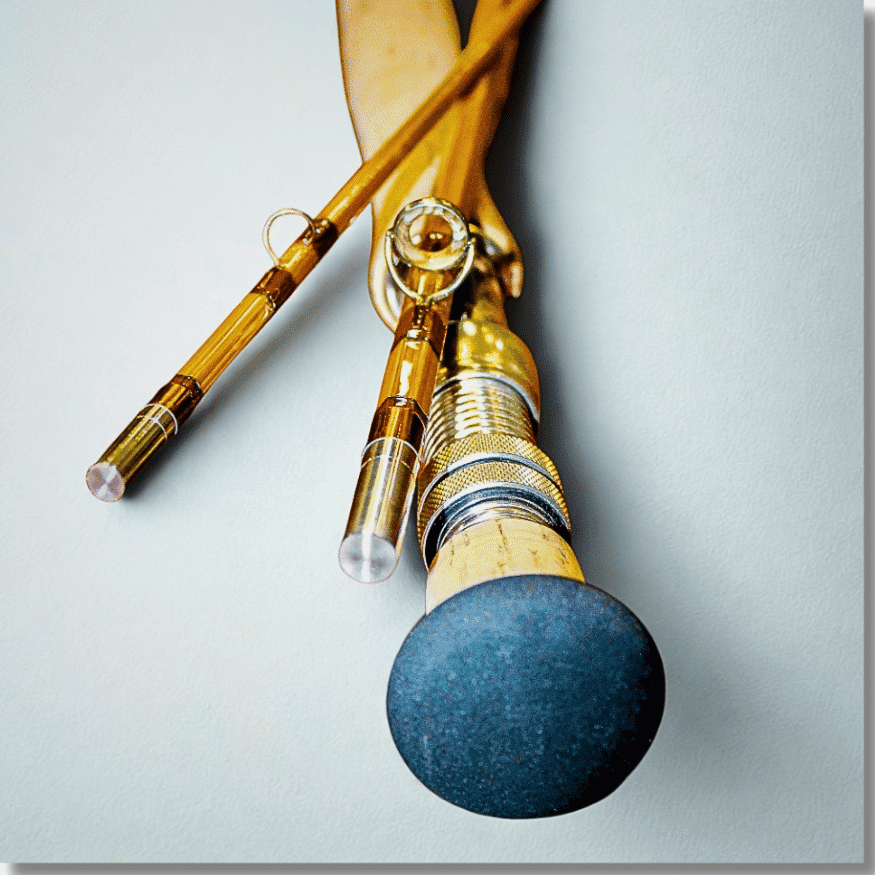
If you’ve ever wanted to connect deeply with nature while fishing, making your own bamboo fishing rod is a rewarding way to do it. Imagine holding a rod crafted by your own hands, perfectly balanced and alive with the natural strength of bamboo.
This isn’t just about fishing—it’s about creating something unique, personal, and built to last. In this guide, you’ll discover simple steps to transform raw bamboo into a beautiful, functional fishing rod. Ready to impress your friends and catch more fish with a rod that’s truly yours?
Let’s get started.

Credit: www.youtube.com
Choosing The Right Bamboo
Making a bamboo fishing rod starts with picking the right bamboo. The quality and type of bamboo affect the rod’s strength and flexibility.
Good bamboo helps the rod perform well and last long. This guide covers types of bamboo, how to select quality pieces, and tips for harvesting.
Types Of Bamboo For Rods
Not all bamboo works for fishing rods. Some types are better because they are strong and straight.
- Tonkin Cane:Known for strength and flexibility, common in rod making.
- Moso Bamboo:Thick and tough, good for heavy rods.
- Madake Bamboo:Light and durable, used for lighter rods.
- Hickory Bamboo:Rare but strong, offers good resilience.
Selecting Quality Bamboo
Choose bamboo that is straight and free from cracks. The bamboo should have tight nodes and a smooth surface.
| Feature | What to Look For | Why It Matters |
|---|---|---|
| Straightness | Minimal curves or bends | Ensures even rod flex and strength |
| Node Spacing | Even and tight nodes | Provides good joint strength |
| Surface | Smooth with no cracks | Prevents weak points and breaks |
| Color | Uniform golden-yellow | Indicates mature and healthy bamboo |
Harvesting Tips
Harvest bamboo at the right time for best quality:
- Cut bamboo in late winter or early spring.
- Choose mature bamboo at least three years old.
- Use a sharp saw to make clean cuts.
- Cut bamboo at the base, just above the ground.
- Dry bamboo in a shaded, well-ventilated place.
Credit: mysterytacklebox.com
Preparing The Bamboo
Creating a bamboo fishing rod is a rewarding task. The process begins with preparing the bamboo, ensuring it is strong and flexible.
Bamboo is a natural material that needs careful handling. This ensures the fishing rod will perform well.
Cutting And Splitting
Select a straight bamboo piece. It should be about 10 feet long. This length provides a good base for your fishing rod.
Use a sharp saw to cut the bamboo at the base. Split the bamboo into four equal parts. This helps in making the rod flexible and strong.
Removing Nodes
Nodes are the bumps on bamboo. They must be removed to make the rod smooth.
Use a sharp knife to shave off the nodes. Be careful to not damage the bamboo.
Drying Process
Drying the bamboo is important. It strengthens the bamboo and prevents warping.
Hang the bamboo in a dry, shaded place. Allow it to dry for several weeks. This ensures the bamboo is ready for use.
- Check the bamboo weekly for any cracks.
- Ensure the drying area is well-ventilated.
- Avoid direct sunlight to prevent bleaching.
Shaping The Rod
Shaping the bamboo fishing rod is a key step in making it strong and flexible. This process includes planing, gluing, clamping, trimming, and sanding the bamboo strips.
Each step must be done carefully to create a smooth and balanced rod that works well for fishing.
Planing The Strips
Planing shapes the bamboo strips into flat, thin pieces. Use a hand planer or a sanding block for this task. The goal is to make the strips even and smooth.
Check the thickness often to keep all strips the same size. This helps the rod bend correctly when finished.
Gluing And Clamping
After planing, glue the bamboo strips together to form the rod. Use a strong wood glue and spread it evenly on each strip.
Clamp the glued strips tightly to hold them in place. Let the glue dry fully to ensure a strong bond.
- Apply glue on all strip surfaces
- Use clamps to press strips firmly
- Check alignment before drying
- Let dry for at least 24 hours
Trimming And Sanding
Trim the ends of the glued rod to make them even. Use a sharp knife or saw for clean cuts.
Sand the entire rod smoothly to remove rough spots. Sanding improves the rod’s look and feel, making it ready for finishing.

Credit: www.ebay.com
Adding Guides And Handle
Adding guides and crafting the handle are important steps in making a bamboo fishing rod. These parts help control the fishing line and make the rod comfortable to use.
Careful work and good materials will improve your rod’s performance and feel. Let’s look at how to install the guides and make the handle.
Installing Line Guides
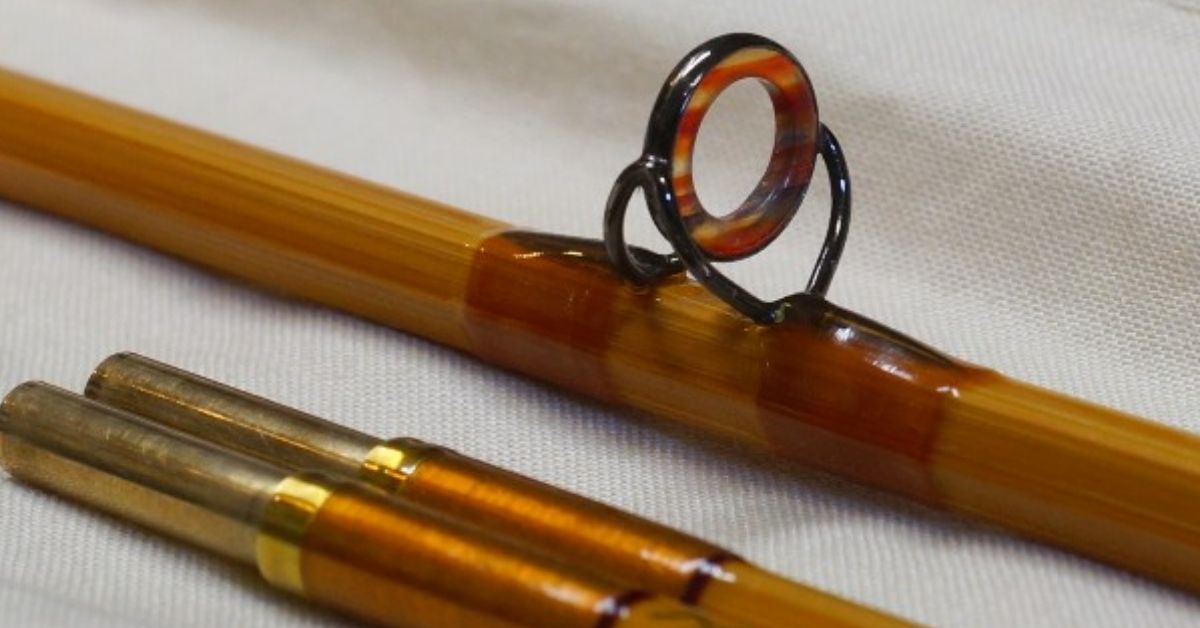
Line guides keep the fishing line on track and reduce friction. You will need to place them evenly along the bamboo rod.
- Start by choosing guides that fit the rod’s length and action.
- Mark the spots on the rod where each guide will go, starting near the handle.
- Use thread to wrap the guide’s feet tightly to the rod at each mark.
- Apply a thin coat of epoxy over the thread to secure and protect it.
- Let the epoxy dry fully before moving the rod to avoid damage.
Crafting The Handle
The handle must be strong and comfortable. Most bamboo rods use cork or wood for the grip.
| Material | Advantages | Care Tips |
| Cork | Lightweight and soft | Keep dry to avoid damage |
| Wood | Durable and classic look | Seal with oil or varnish |
| Rubber | Good grip when wet | Clean regularly |
Shape the handle to fit your hand well. Sand it smooth and finish with a protective coat.
Attaching The Reel Seat
The reel seat holds the fishing reel firmly. It must be attached near the handle for balance.
Follow these tips for attaching the reel seat:
- Choose a reel seat that matches your reel size.
- Slide the reel seat onto the rod near the handle.
- Use strong epoxy glue to fix it in place.
- Wipe off any extra glue before it dries.
- Let the glue cure fully before using the rod.
Finishing Touches
The final steps complete your bamboo fishing rod. Proper finishing adds durability and beauty. Take your time to ensure a smooth, lasting finish.
These finishing touches protect the rod from water and wear. They also enhance the natural look of bamboo. Let’s look at three key stages: applying varnish, curing, and final inspections.
Applying Varnish
Varnish seals the bamboo and gives it a glossy finish. Use a soft brush to apply thin, even coats. Avoid thick layers to prevent drips and bubbles.
- Choose a marine or spar varnish for water resistance
- Apply the first coat along the length of the rod
- Let it dry for a few hours before sanding lightly
- Apply two to three more coats for full protection
- Sand lightly between coats for a smooth surface
Curing And Drying
Proper drying time is essential to harden the varnish. Place the rod in a dust-free, ventilated area. Keep it horizontal to avoid runs in the varnish.
| Stage | Time Needed | Condition |
|---|---|---|
| Initial Drying | 4 to 6 hours | Room temperature, no dust |
| Between Coats | 12 to 24 hours | Light sanding after drying |
| Final Cure | 3 to 7 days | Keep rod horizontal, ventilated space |
Final Inspections
Inspect the rod carefully before use. Look for smoothness and even coverage. Fix any rough spots with fine sandpaper and touch-up varnish.
- Check for cracks or splits in bamboo
- Ensure all guides are firmly attached
- Test rod flexibility gently
- Look for glossy, even varnish finish
- Confirm handle grip is secure and comfortable
Testing Your Bamboo Rod
After building your bamboo fishing rod, testing it is important. This helps check its strength and performance before you fish.
Testing your rod ensures it can handle casting and the fish you want to catch. It also shows if any changes are needed.
Casting Techniques
Practice different casting styles to see how your rod performs. Start with simple casts and move to longer ones.
Watch how the rod bends and reacts during each cast. This helps you understand its power and control.
- Use smooth, steady movements for better accuracy
- Try overhead casts for distance
- Practice sidearm casts for quick throws
- Note how the rod feels during each type of cast
Adjusting Flexibility
The flexibility of your bamboo rod affects how it handles fish. Test its bend by applying pressure gently.
If the rod is too stiff or too soft, adjust it by sanding or adding more finish layers. Small changes improve performance.
- Sanding the bamboo thins the rod and makes it more flexible
- Adding finish layers can stiffen weak spots
- Test after each adjustment to find the right balance
- Keep safety in mind to avoid breaking the rod
Maintenance Tips
Good maintenance keeps your bamboo rod in top shape. Clean it after each use and store it properly.
Check for cracks or damage regularly. Fix small problems before they get worse to extend your rod’s life.
- Wipe the rod with a dry cloth after fishing
- Store the rod in a cool, dry place away from sunlight
- Apply a fresh coat of finish once a year
- Inspect guides and wraps for wear and repair as needed
Frequently Asked Questions
What Materials Are Needed For A Bamboo Fishing Rod?
You need high-quality bamboo, fishing line, guides, reel seat, epoxy glue, sandpaper, and varnish for durability and finish.
How Do You Prepare Bamboo For Rod Making?
Select straight bamboo, split it into strips, heat treat to increase flexibility, then shape and glue the strips together.
What Is The Best Way To Assemble Bamboo Rod Sections?
Align and bind the sections tightly with thread, then coat with epoxy to ensure strong, seamless joints for durability.
How Do You Finish A Bamboo Fishing Rod?
Sand the rod smooth, apply multiple varnish coats, and let it dry completely for a polished, protective finish.
Conclusion
Making a bamboo fishing rod takes patience and care. Each step helps you create a strong, flexible rod. You learn about bamboo’s unique qualities and how to shape it. The process connects you with nature and tradition. Enjoy using your handmade rod on your next fishing trip.
Simple tools and time bring great results. This craft offers fun and a sense of pride. Try it yourself and feel the joy of making something by hand.