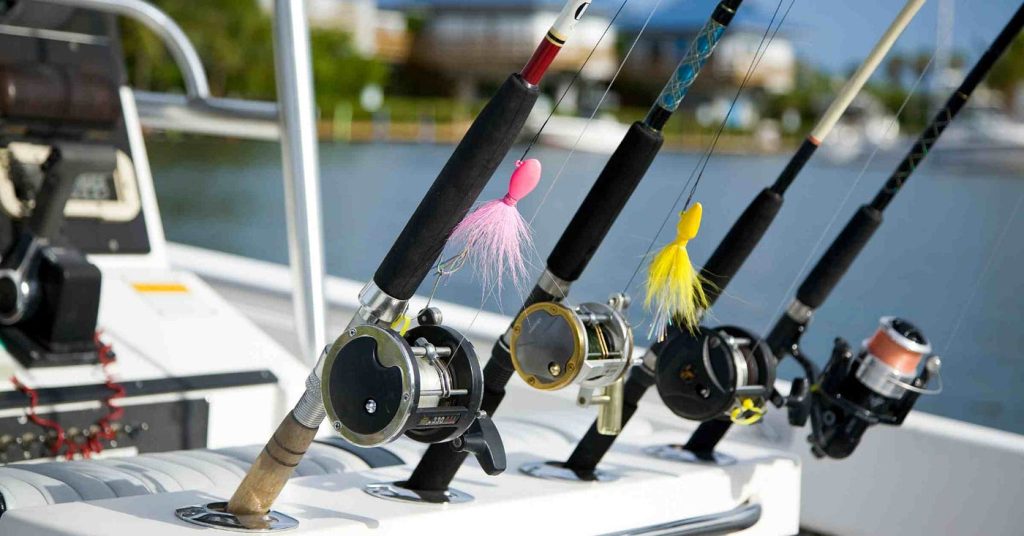
Are you planning a fishing trip and wondering if you can bring your fishing rod on a plane? It’s a common question that can cause a lot of confusion before you even pack your bags.
You don’t want to get to the airport only to find out your favorite rod is not allowed. Knowing the rules ahead of time can save you stress, money, and wasted time. Keep reading to find out exactly what you need to know to travel smoothly with your fishing gear.
Credit: veronicahanson.medium.com
Airline Policies On Fishing Rods
Many travelers wonder if they can bring fishing rods on planes. Airlines have specific rules about carrying fishing gear. Knowing these rules helps avoid problems at the airport.
This guide explains common airline policies about fishing rods. It covers carry-on and checked baggage rules, size limits, and what popular airlines allow.
Carry-on Vs Checked Baggage Rules
Most airlines do not allow fishing rods in carry-on bags. They usually require passengers to pack rods in checked luggage. This rule is for safety and space reasons.
- Carry-on bags must fit in overhead bins or under the seat.
- Fishing rods are often too long for carry-on limits.
- Checked baggage offers more space for longer rods.
- Some airlines may allow short rods as carry-on with prior approval.
Size And Weight Restrictions
Airlines have size and weight limits for checked bags. Fishing rods can be long and heavy. Travelers should check these limits before packing.
| Item | Max Length | Max Weight |
| Typical Carry-on Bag | 22 inches (56 cm) | 15 lbs (7 kg) |
| Typical Checked Bag | 62 inches (157 cm) | 50 lbs (23 kg) |
| Fishing Rod Case | Varies, often up to 72 inches (183 cm) | Varies |
Popular Airline Regulations
Different airlines set their own rules for fishing rods. Some have extra fees or special packing rules. Here are examples from well-known airlines.
- Delta Air Lines:Fishing rods must be checked. Rod cases count as one checked bag.
- American Airlines:Rods are allowed in checked baggage. Oversized fees may apply.
- United Airlines:Requires rods to be in a protective case and checked in.
- Southwest Airlines:Accepts fishing rods in checked luggage with no extra charge if under size limits.
Packing Tips For Fishing Rods
Traveling with a fishing rod is possible. You need to pack it well. Secure packing prevents damage during flights.
Follow these tips to ensure your fishing rod arrives safely. Packing correctly is key to a worry-free trip.
Choosing The Right Case
A sturdy case is important for protecting your rod. It should fit your rod size and be easy to carry.
Look for cases with padding. Hard cases offer the best protection. Soft cases are lighter and easier to handle.
- Measure your rod before buying a case
- Choose between hard and soft cases
- Ensure the case has a secure closure
Protecting Your Rod During Transit
Wrap your rod in bubble wrap or a soft cloth. This adds an extra layer of protection. Secure it inside the case to prevent movement.
Label your case with your contact details. This helps in case it gets misplaced. Handle your rod case with care at all times.
- Use bubble wrap for added safety
- Secure your rod inside the case
- Label your case with your contact information
Essential Accessories To Pack
Bring extra fishing line and hooks. A small toolkit can be handy for quick repairs. Don’t forget your fishing license and permits.
Keep these items organized in a small bag. This makes them easy to access when needed. Being prepared ensures a smooth fishing trip.
- Extra line and hooks
- Small toolkit for repairs
- Fishing license and permits
Security Screening And Fishing Gear
Bringing a fishing rod on a plane is possible but requires careful planning. Airports have rules for fishing gear to keep all passengers safe.
Understanding how security checks fishing equipment helps avoid delays at the airport. Knowing what to expect makes the process easier.
Tsa Guidelines For Fishing Equipment
The TSA allows fishing rods in both checked and carry-on bags. But some parts may need extra checks.
Fishing hooks, knives, and sharp tools must go in checked luggage. These items are not allowed in carry-on bags.
- Fishing rods can be carry-on if they fit in the overhead bin.
- Fishing reels are allowed in both checked and carry-on bags.
- Sharp fishing tools must be packed in checked luggage.
Handling Inspections Smoothly
Remove fishing rods from bags when asked at security. This helps officers inspect them clearly.
Keep all fishing gear organized in one place. This reduces the time needed for screening.
- Arrive early to allow extra time for inspections.
- Keep fishing rods in a protective case.
- Label your fishing gear for easy identification.
Items That May Require Special Attention
Some fishing items need extra care during security checks. These include sharp objects and tools with blades.
Hooks and knives must be packed in checked luggage. Security officers may ask questions about unusual gear.
- Fishing hooks
- Knives and cutting tools
- Weighted lures with metal parts
- Fish stringers or sharp metal tools
International Travel Considerations
Bringing a fishing rod on a plane can be tricky during international trips. Rules vary by country and airline.
Knowing the laws helps avoid problems at airports and borders. Always check before you travel.
Country-specific Restrictions
Each country has its own rules for carrying fishing rods on planes. Some allow rods in checked luggage only.
- Some countries ban fishing rods in carry-on bags.
- Others require rods to be packed in hard cases.
- Check local aviation and customs websites for updates.
- Airlines may have additional size or weight limits.
Customs Declarations And Permits
You may need to declare fishing rods when entering a country. Some places require permits for fishing gear.
| Country | Declaration Required | Permit Needed |
| Australia | Yes | Yes, for some types |
| Canada | Yes | No |
| Japan | No | Depends on rod type |
| United States | Yes | No |
Avoiding Fines And Confiscations
Failing to follow rules can cause fines or loss of your fishing rod. Airport security is strict about sharp or long items.
- Pack rods securely in approved cases.
- Declare your fishing gear at customs.
- Keep permits and receipts handy.
- Check airline policies before flying.
Alternatives To Bringing Your Own Rod
Bringing your fishing rod on a plane can be tricky. Airlines have different rules and fees. You may want to try other ways to fish at your destination.
This guide shows some smart alternatives to carrying your own rod. These options can save time and avoid extra costs.
Renting Fishing Gear At Your Destination
Many fishing spots offer gear rental services. Renting means you do not need to carry heavy equipment on the plane.
- Rent rods and reels from local shops
- Get bait and tackle at the fishing site
- Try different gear without buying
- Save on baggage fees
Shipping Your Rod In Advance
Shipping your fishing rod to your destination before you travel can be safe. It avoids airline restrictions and damage risks during the flight.
| Shipping Method | Estimated Cost | Delivery Time |
| Standard Postal Service | Low | 5-10 days |
| Courier Service | Medium | 2-4 days |
| Express Shipping | High | 1-2 days |
Using Portable Or Travel Fishing Rods
Travel rods are compact and easy to carry. They fit in smaller bags and meet most airline size limits.
Advantages of travel fishing rods include:
- Lightweight design
- Multiple pieces for easy packing
- Durable materials for travel
- Quick assembly and disassembly
Credit: veronicahanson.medium.com
Common Challenges And Solutions
Bringing a fishing rod on a plane can be tricky. Airlines have different rules and packing requirements. Knowing these can help avoid problems at the airport.
Many travelers face issues like lost gear or extra fees. This guide covers common challenges and how to solve them for smooth travel.
Dealing With Lost Or Damaged Gear
Fishing rods and gear can get lost or damaged during flights. This is stressful, especially if the gear is expensive or important for your trip.
Always pack rods in hard cases to protect them. Label your case with your name and contact details. Keep receipts and photos of your gear in case you need to claim insurance.
- Use a sturdy, hard-sided rod case
- Label your gear with personal information
- Take pictures before traveling
- Check airline policies on gear damage claims
Booking Flights With Fishing Equipment
Not all airlines treat fishing rods the same. Some allow rods as checked baggage, while others may charge extra fees. Booking with the right airline is important.
Check airline rules before booking. Some airlines require you to notify them if you plan to bring fishing gear. This helps avoid surprises at check-in.
- Review baggage policies on the airline’s website
- Inform the airline about fishing equipment ahead of time
- Compare fees for checked fishing gear
- Consider airlines known for lenient sports equipment rules
Tips For Stress-free Travel
Traveling with fishing rods can be less stressful with good planning. Pack smart and prepare for airport security checks.
Arrive early to allow extra time for special handling of your gear. Use padded cases and pack smaller fishing accessories inside your checked bag to avoid losing them.
- Use durable, padded rod cases
- Pack small items in checked luggage securely
- Arrive early at the airport
- Keep fishing rod receipts and identification handy

Credit: www.reddit.com
Frequently Asked Questions
Can I Carry A Fishing Rod In My Carry-on Luggage?
Most airlines do not allow fishing rods in carry-on bags due to size and safety rules. It’s best to pack them in checked luggage.
Are Fishing Rods Allowed In Checked Baggage On Planes?
Yes, fishing rods are generally allowed in checked baggage. Make sure to pack them securely to prevent damage during transit.
Do I Need To Declare My Fishing Rod At Airport Security?
You usually do not need to declare fishing rods unless they contain sharp hooks. Always check specific airline and TSA guidelines.
How Should I Pack A Fishing Rod For Air Travel?
Disassemble your fishing rod and use a protective case. Padding the rod prevents damage and meets airline requirements.
Conclusion
Bringing a fishing rod on a plane is usually allowed with some rules. Pack it carefully to avoid damage or delays. Check airline policies before your trip for smooth travel. Carry your rod in a proper case for safety. Remember to follow TSA guidelines at the airport.
Being prepared helps you enjoy your fishing trip stress-free. Traveling with fishing gear can be simple and safe. Keep these tips in mind for your next adventure.