Finding the right bike helmet isn’t just about style—it’s about your safety. But how do you know which size fits you perfectly?
If your helmet is too loose or too tight, it won’t protect you properly when it matters most. You might think measuring your head is tricky, but it’s easier than you imagine. You’ll learn simple, step-by-step methods to measure your head correctly.
By the end, you’ll have the confidence to pick a helmet that feels comfortable and keeps you safe every time you ride. Let’s get started!

Credit: www.btosports.com
Choosing The Right Helmet Size
Picking the correct helmet size is important for safety and comfort. A helmet that fits well protects your head better during rides.
Measuring your head correctly helps you find the right helmet size. Use simple tools to get the best fit.
Measuring Your Head Circumference
To measure your head, wrap a tape measure around your head. Place it just above your eyebrows and ears.
Make sure the tape is snug but not too tight. Write down the measurement in centimeters or inches.
Using A Flexible Tape Measure
A flexible tape measure is best for measuring your head. It bends easily around the shape of your head.
- Place the tape above your eyebrows
- Wrap it around the widest part of your head
- Keep the tape level and snug
- Note the number where the tape meets
Alternative Measuring Tools
If you don’t have a flexible tape, use a piece of string or a strip of paper. Wrap it around your head the same way.
Mark where the string or paper meets, then measure its length with a ruler. This gives your head size.
- Use string or paper strip
- Wrap around head above eyebrows
- Mark meeting point
- Measure length with ruler
Helmet Sizing Charts
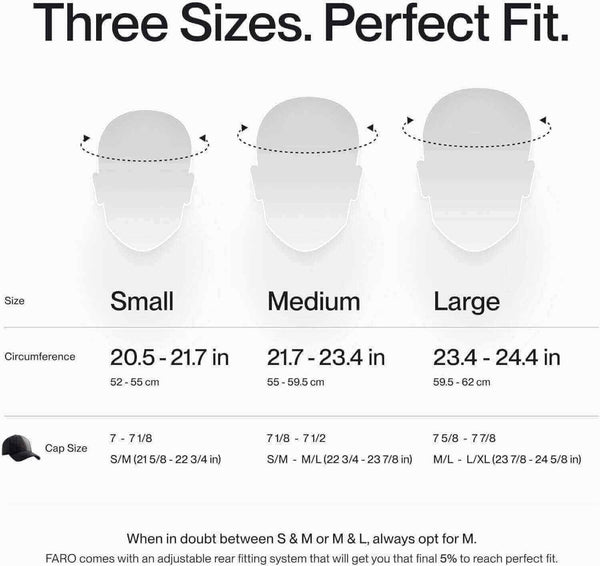
Finding the right helmet size is important for safety. Use helmet sizing charts to determine your size. Measure your head before checking the chart.
Different brands have different sizing. It’s best to compare sizes across brands to get the perfect fit. Always check the specific model’s chart.
Standard Size Categories
Most helmet sizes fall into categories like small, medium, and large. These categories help in finding a helmet quickly.
- Small: 52-56 cm
- Medium: 56-60 cm
- Large: 60-64 cm
Comparing Brands And Models
Brands may have unique sizing methods. Always compare different models to find what fits best. Some helmets fit snugly while others are roomier.
| Brand | Small | Medium | Large |
| Brand A | 52-55 cm | 55-58 cm | 58-61 cm |
| Brand B | 53-56 cm | 56-59 cm | 59-62 cm |
| Brand C | 54-57 cm | 57-60 cm | 60-63 cm |
International Size Differences
Sizes can differ internationally. A size medium in one country might be different in another. Always double-check if buying from international stores.
Checking Helmet Fit
Wearing a bike helmet that fits well is important for safety. A good fit keeps the helmet in place during a ride or crash.
Checking the fit means looking at how the helmet sits on your head and adjusting it correctly.
Proper Placement On The Head
Place the helmet level on your head. It should cover your forehead without tilting back.
The front edge should sit about one or two finger widths above your eyebrows.
- Helmet sits flat, not tilted
- Front covers forehead
- Not too far back or forward
Adjusting Straps And Padding
Straps keep the helmet tight and secure. Adjust the side straps to form a “V” under your ears.
Use the chin strap to tighten the helmet until it fits snugly. Add or remove padding for comfort.
- Side straps form a “V” shape below ears
- Chin strap fits snugly but not tight
- Use padding to fill gaps and improve fit
Performing Fit Tests
Shake your head from side to side. The helmet should not move much.
Open your mouth wide. You should feel the helmet press down slightly on your head.
- Helmet stays in place when shaking head
- Chin strap holds helmet when mouth opens
- No large gaps between head and helmet
Common Fit Issues
Choosing the right bike helmet size is important for safety and comfort.
This guide explains common fit problems and how to spot them.
Helmet Too Tight
A helmet that feels too tight can cause headaches and red marks on your skin.
You might notice difficulty in adjusting the helmet or a feeling of pressure around your head.
Helmet Too Loose
A loose helmet can move around or even fall off during a ride.
- The helmet shifts when you nod your head.
- The straps feel slack and do not hold the helmet firmly.
- You can easily slide a finger between your head and the helmet.
Pressure Points And Discomfort
| Pressure Area | Possible Cause | Suggested Fix |
|---|---|---|
| Forehead | Helmet too low or tight front strap | Adjust helmet height and loosen front strap |
| Temples | Helmet shape does not match head shape | Try a different helmet model or size |
| Back of Head | Helmet sits too high or padding is uneven | Lower helmet position and rearrange padding |
Tips For Accurate Measurement
Measuring your head for a bike helmet is important for safety and comfort. Accurate sizing helps the helmet fit well and protect you better.
Use the right tools and methods to get the best measurement. Small mistakes can cause the helmet to fit poorly.
Measuring Multiple Times
Take your head measurement more than once. This helps check if your results are consistent. Use a soft tape measure around your head just above the eyebrows and ears.
- Measure at least three times for accuracy
- Write down each measurement
- Compare results to find the average size
- Use the same tape measure each time
Taking Measurements In Different Conditions
Your head size can change based on time of day and hair style. Measure in different conditions to get a true fit.
| Condition | Effect on Measurement |
|---|---|
| Morning | Head may be slightly smaller |
| Evening | Head can swell, making size larger |
| With hair down | Measurement may be larger |
| With hair tied back | Closer to actual head size |
Seeking Professional Assistance
If you are unsure about measuring yourself, ask a professional. Bike shops often help customers find the right helmet size.
Benefits of professional help:
- Accurate measurement with proper tools
- Advice on helmet fit and comfort
- Help choosing the right helmet model

Credit: bargainfox.com
Helmet Types And Fit Differences
Choosing the right bike helmet is important for safety and comfort. Different helmets fit differently based on their design and use.
Understanding helmet types helps you find the best fit for your riding style and head shape.
Road Bike Helmets
Road bike helmets are lightweight and aerodynamic. They have many vents to keep your head cool during long rides.
- Fit snugly but not too tight
- Sit level on the head, covering the forehead
- Adjust straps so they form a V under the ears
- Use a dial or adjustment system at the back for a secure fit
Mountain Bike Helmets
Mountain bike helmets offer more coverage at the back and sides. They often include visors to block sun and debris.
| Feature | Fit Advice |
| Coverage | Lower at back for extra protection |
| Ventilation | Good airflow but fewer vents than road helmets |
| Adjustability | Use rear dials for tight, stable fit |
| Visor | Should not affect helmet fit on the head |
Commuter Helmets
Commuter helmets focus on comfort and visibility. They often have reflective parts and fewer vents than sport helmets.
- Make sure the helmet sits flat and covers the forehead.
- Straps should be snug but allow full head movement.
- Check for extra padding for comfort during long wear.
- Reflective elements help increase visibility in low light.
Maintaining Helmet Fit Over Time
Keeping your bike helmet fitting well is important for safety. Over time, helmets can change shape or padding can wear out. This guide helps you keep your helmet comfortable and secure.
Regular checks and small adjustments make sure the helmet stays snug. Proper fit reduces injury risk during a fall or crash.
Adjusting For Wear And Tear
Helmets face daily wear that can loosen the fit. Straps may stretch and the shell might shift after impacts. Check your helmet often for these issues.
- Test strap tightness by pulling on each side.
- Look for cracks or dents in the shell.
- Make sure the retention system holds the helmet firmly.
- Adjust straps and buckles to keep a snug fit.
Replacing Helmet Pads
Helmet pads wear out faster than other parts. They absorb sweat and oils, losing shape and comfort. Changing pads keeps the helmet fitting well.
| Pad Type | Replacement Frequency | Signs to Replace |
|---|---|---|
| Foam Pads | Every 6 months | Flattened or torn |
| Gel Pads | Every year | Sticky or worn out |
| Comfort Liners | As needed | Odor or damage |
When To Replace Your Helmet
Helmets lose protective power over time. Replace your helmet if it shows damage or is too old. A damaged helmet may not protect well in crashes.
- Replace after any crash or impact.
- Replace every 3 to 5 years depending on use.
- Replace if straps or buckles break.
- Replace if padding can no longer be fixed.

Credit: www.amazon.co.uk
Frequently Asked Questions
How Do I Measure My Head For A Bike Helmet?
Use a soft measuring tape around your head’s widest part. Measure just above your eyebrows and ears. Note the circumference in centimeters or inches.
What Size Helmet Fits A 56 Cm Head?
A 56 cm head usually fits a size small or medium helmet. Always check the manufacturer’s sizing chart for exact fit.
How Tight Should A Bike Helmet Fit?
A bike helmet should fit snugly but comfortably. It should not move when you shake your head. Adjust straps for a secure fit.
Can I Use A Cloth Tape Measure For Helmet Sizing?
Yes, a cloth tape measure is ideal for accurate head circumference measurement. Avoid rigid tapes to get precise sizing.
Conclusion
Measuring your bike helmet correctly keeps you safe on every ride. A good fit stops the helmet from moving or slipping. Use a soft tape to measure your head’s widest part. Check the size chart before buying any helmet. Remember to try the helmet on and adjust the straps.
A well-fitted helmet feels comfortable and snug, not tight. Take your time to find the right size. Safety and comfort go hand in hand. Keep these tips in mind for a better biking experience.