Are you worried about termites silently damaging your home? If you’ve heard about tenting but aren’t sure how long the process takes, you’re not alone.
Knowing what to expect can help you plan better and reduce stress. You’ll discover exactly how long termite tenting usually takes, what happens during the process, and why the timing matters for your safety and home’s health. Keep reading to get clear answers and feel confident about protecting your home from these unwanted pests.
Termite Tent Fumigation Basics
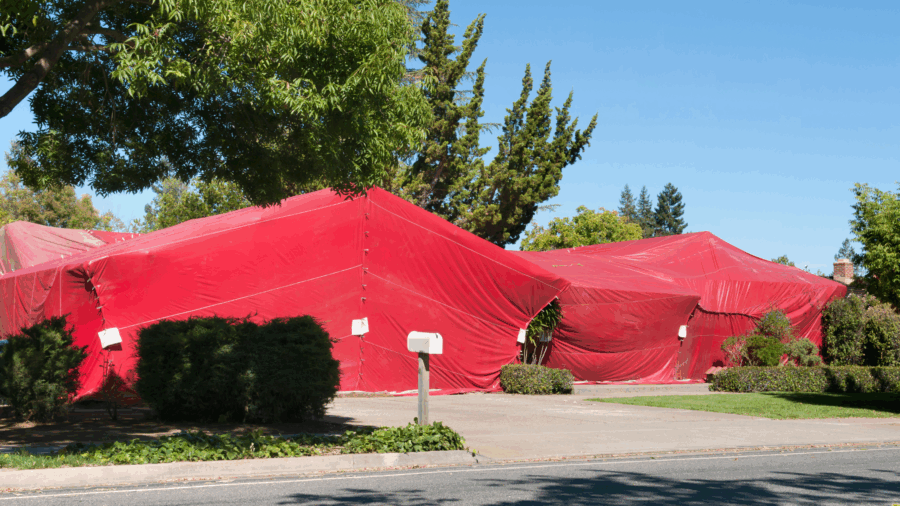
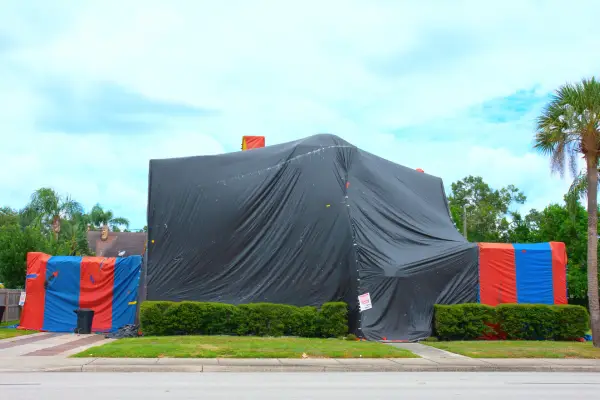
Termite tent fumigation is a common way to get rid of termite infestations. It involves covering a building with a tent and using gas to kill termites inside. This method reaches termites hiding deep in wood and walls.
The process needs careful planning and safety steps. Knowing how long it takes and why it is chosen can help homeowners prepare better.
What Is Tent Fumigation
Tent fumigation is a pest control method that uses a gas called fumigant. The fumigant fills the sealed space inside a tent. This gas kills termites in wood, walls, and hidden areas.
- The house or building is covered with a large tent.
- The fumigant gas is released inside the tent.
- The gas stays inside for a set time to kill termites.
- Afterward, the gas is ventilated, and the tent is removed.
- The space is safe to enter once tests confirm no gas remains.
Why Choose Tent Fumigation
| Reason | Details |
| Effective | Kills termites in all parts of the structure |
| Fast | Treatment usually finishes within 2 to 3 days |
| Complete | Reaches hidden and hard-to-access termite colonies |
| Safe | Certified professionals handle the process carefully |
| Non-damaging | Does not harm the building or furniture when done correctly |
Credit: gorocketpest.com
Preparation Before Tent Fumigation
Preparing your home for tent fumigation is crucial. This process ensures safety and effectiveness.
Homeowners must take specific steps before fumigation. It helps protect both people and property.
Steps Homeowners Must Take
There are important steps to prepare your home. These steps ensure the process goes smoothly.
- Arrange for accommodation elsewhere during the fumigation.
- Notify neighbors about the tent fumigation schedule.
- Unlock gates and doors for the fumigation team.
- Trim plants near the house to prevent damage.
Items To Remove Or Protect
Certain items need special care before fumigation. This ensures they are not damaged by the chemicals.
- Remove all pets and plants from the home.
- Store food and medications in special bags.
- Protect electronics with plastic covers.
- Take out valuables and important documents.
Duration Of Tent Fumigation Process
Tent fumigation is a common way to get rid of termites. It involves covering your home with a special tent. Then, professionals release gas inside to kill termites.
The whole process takes some time. Knowing how long it takes helps you plan better.
Typical Time Frames
Usually, tent fumigation lasts about 24 to 72 hours. This includes setup, fumigation, and airing out the house.
The tent stays on the home for 1 or 2 days. After that, the gas must clear out before you return.
- Setting up the tent: 4 to 8 hours
- Fumigation with gas: 24 to 48 hours
- Airing out the home: 4 to 8 hours
Factors Affecting Duration
Several things can change how long fumigation takes. These include the size of your home and termite severity.
Weather and preparation steps also affect the total time needed for tent fumigation.
- Home size:Bigger homes need more time to tent and vent.
- Termite infestation level:Heavy infestations may require longer gas exposure.
- Weather conditions:Wind and rain can delay the setup or airing out process.
- Preparation:Removing plants or pets takes extra time before fumigation.

Credit: cloudpestcontrol.com
Post-fumigation Procedures
After termite tenting, it is important to follow certain steps to ensure safety and effectiveness. These procedures help clear the home of harmful gases and prepare it for safe occupancy.
This guide covers the aeration period and safety checks before reentry. Each part plays a key role in a successful termite treatment.
Aeration Period
The aeration period begins right after the fumigation. It allows the harmful gases to leave the home. This step usually takes 24 to 48 hours but can vary.
- Open all windows and doors to let fresh air in.
- Use fans to speed up the air flow.
- Keep the home closed during fumigation but fully open during aeration.
- Do not enter the house until professionals say it is safe.
Safety Checks Before Reentry
Before going back inside, several safety checks must be done. These ensure no harmful gas remains inside the home.
| Check | Purpose | Performed By |
|---|---|---|
| Gas Level Test | Measures leftover fumigant levels | Certified Technician |
| Ventilation Inspection | Confirms proper air flow | Technician or Homeowner |
| Seal Removal | Removes tent and seals | Fumigation Crew |
| Visual Walkthrough | Checks for damage or hazards | Homeowner or Inspector |
Signs Fumigation Was Successful
Termite fumigation aims to kill all termites inside a building. Knowing if the treatment worked can save you time and money.
After fumigation, watch for signs that show termites are no longer active. This helps keep your home safe.
Termite Activity Monitoring
Checking for termite activity after fumigation is important. Look for fresh damage or mud tubes on wood. If you see none, the treatment may have worked.
- No new mud tubes on walls or wood
- Wood feels solid and undamaged
- No termite wings or droppings found
- Inspection by a pest control expert shows no live termites
When To Call For Re-treatment
Sometimes, termites survive the first treatment. You may need another round if you notice certain signs.
| Sign | Action |
| New mud tubes appearing | Call your pest control company |
| Wood still feels soft or damaged | Schedule an inspection |
| Termite wings or droppings found | Request re-treatment |
| Visible termite activity during follow-up | Immediate professional help needed |
Cost And Scheduling Considerations
Tenting for termites is a common way to protect your home. It involves covering your house with a tarp and using chemicals to kill termites. The process takes time and careful planning.
Understanding how long tenting takes helps you plan your budget and schedule. This guide covers the main points about cost and timing.
How Duration Influences Cost
The length of the tenting process directly affects the total cost. More time under the tent means higher expenses for labor and equipment use.
| Duration | Cost Factors | Typical Price Range |
|---|---|---|
| 1-2 Days | Basic fumigation, smaller homes | $1,000 – $2,500 |
| 3-4 Days | Larger homes, severe infestations | $2,500 – $4,000 |
| 5+ Days | Complex jobs, multiple treatments | $4,000 and up |
Extra days add costs for tent rental, sealing, and safety checks. Make sure to ask for a clear estimate before scheduling.
Planning Around Tent Fumigation
Good scheduling makes the fumigation process smoother. You need to prepare your home and arrange your plans around the tenting period.
- Remove pets and plants from the home.
- Plan to stay elsewhere during fumigation and airing out.
- Clear food and medicines from open areas.
- Arrange for someone to help with moving furniture if needed.
- Confirm start and end times with the pest control company.
Follow these steps to avoid delays and extra costs. Early preparation saves time and money.

Credit: www.proventermitesolutions.com
Frequently Asked Questions
How Long Does Termite Tenting Usually Take?
Termite tenting typically takes 24 to 48 hours. The exact time depends on your home’s size and infestation level. After tenting, the house needs airing out for safety before re-entry.
What Happens During The Termite Tenting Process?
During termite tenting, the house is covered with a tarp. Fumigants are released inside to kill termites. The process ensures complete termite eradication, reaching hidden areas effectively.
How Soon Can I Re-enter My Home After Tenting?
You can re-enter your home 24 to 72 hours after fumigation. Professionals ventilate the house thoroughly to remove toxic gases. Always wait for clearance from pest control experts.
Is Termite Tenting Safe For Pets And Plants?
Pets and plants must be removed before termite tenting. Fumigation chemicals are toxic to living beings. Ensure all living things are out during and shortly after the process.
Conclusion
Tenting for termites usually takes about one to three days. The process includes preparation, treatment, and airing out your home. You must leave your house during this time for safety reasons. After tenting, the space needs good ventilation to clear out chemicals.
Proper planning helps make the process smooth and effective. Knowing how long it takes can reduce stress and help you prepare. Protecting your home from termites is worth the short inconvenience. Stay patient—your home will be termite-free soon.