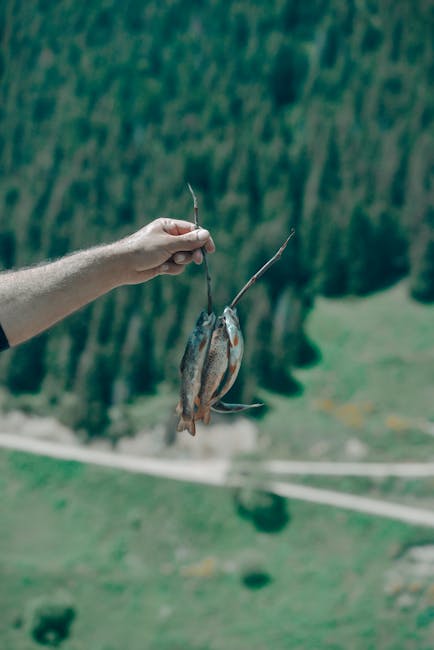
Setting up your fishing line the right way can make all the difference when you’re after trout. If you want to catch more fish and enjoy your time by the water, knowing how to prepare your line is key.
In this guide, you’ll learn simple, effective steps that even beginners can follow. By the end, you’ll feel confident and ready to reel in those elusive trout. Keep reading to discover the secrets that can turn your next fishing trip into a real success.

Credit: www.reddit.com
Choosing The Right Line
Choosing the right fishing line is important for catching trout. The line affects how you cast and how the fish feels the bait. Different lines work best in different conditions.
It is good to know the types of lines, their strengths, and how water conditions affect them. This helps you pick the best line for your fishing trip.
Monofilament Vs. Fluorocarbon
Monofilament and fluorocarbon are two common types of fishing lines for trout. Each has its own benefits and uses.
- Monofilament:This line is soft and stretches well. It is easier to handle and good for beginners. It floats on water and is cheaper.
- Fluorocarbon:This line is harder and sinks faster. It is less visible in water and more resistant to abrasion. It is good for clear water and trout that are shy.
Line Strength And Test
Line strength is shown by the test weight. It tells how much weight the line can hold before breaking. Choosing the right test is key for trout fishing.
| Test Weight (lbs) | Best Use |
|---|---|
| 2-4 lbs | Small trout in calm waters |
| 4-6 lbs | Average trout in most rivers and lakes |
| 6-8 lbs | Larger trout or faster currents |
Consider Water Conditions
Water clarity, temperature, and flow affect what line to use. Trout can see line in clear water, so use less visible lines there.
- Use fluorocarbon in clear water because it is hard to see.
- Use monofilament in murky water where visibility is low.
- Choose a stronger line for fast, rough water.
- Use lighter test lines in calm, slow water.

Credit: flylifecanada.ca
Selecting The Leader
Setting up your fishing line for trout requires the right leader. A good leader helps in presenting your bait effectively. It ensures that the fish are not spooked.
Choosing the right leader involves understanding its length and material. Let’s explore these factors to help you make the best choice.
Leader Length And Material
The length and material of your leader affect your fishing success. Longer leaders are useful in clear water. They make your setup less visible to fish. The material of the leader can also play a role in how it performs.
- Fluorocarbon: Almost invisible underwater, ideal for clear waters.
- Monofilament: More visible, but offers better flexibility and knot strength.
Tapered Vs. Straight Leaders
Tapered and straight leaders serve different purposes. Tapered leaders help in smooth casting. They gradually thin out from the butt section to the tip.
Straight leaders are uniform in thickness. They are simpler and often used by beginners. They are easier to tie knots with.
Tying Effective Knots
Knowing how to tie strong knots helps keep your fishing line secure. It improves your chance to catch trout without losing your tackle.
Here are three important knots you should learn. Each knot works well for different fishing setups and lures.
Improved Clinch Knot
This knot is popular for tying the line to hooks or lures. It holds tight and is easy to tie with monofilament or fluorocarbon lines.
- Thread the line through the eye of the hook.
- Wrap the tag end around the standing line 5 to 7 times.
- Pass the tag end through the small loop near the eye.
- Then pass it back through the big loop you just made.
- Wet the knot and pull the tag end and standing line to tighten.
Palomar Knot
The Palomar knot is very strong and simple. It works well with braided and monofilament lines. It keeps your lure straight and strong.
- Double about 6 inches of line and pass it through the lure eye.
- Tie a loose overhand knot with the doubled line.
- Pass the loop over the lure or hook.
- Pull on both ends to tighten the knot firmly.
- Trim the tag end close to the knot.
Loop Knot For Lures
The loop knot lets your lure move freely. It is best for lures that need action, like spinners or crankbaits.
| Step | Action |
|---|---|
| Make a simple overhand knot | Leave a 6-inch tag end to form the loop. |
| Pass the tag end through the lure eye | Bring it back through the overhand knot. |
| Wrap tag end around standing line | Make 4 to 5 wraps. |
| Pass tag end through overhand knot again | Wet the knot. |
| Tighten by pulling on tag end and standing line | Adjust loop size before fully tightening. |
| Trim excess tag end | Leave a small bit to prevent slipping. |

Credit: jacksonholeflycompany.com
Line Setup Techniques
Setting up your fishing line correctly helps catch more trout. It keeps the line strong and bait easy to control.
Good line setup includes attaching the leader, adding weight, and using floats. Each step improves fishing success.
Attaching The Leader To Main Line
Attach the leader to the main line to connect different line types. The leader is thinner and less visible to fish.
Use a strong knot to join the lines. The improved clinch knot or loop knot works well for trout fishing.
- Thread the main line through the leader eye
- Wrap the line around itself 5-7 times
- Pass the tag end through the loop near the eye
- Pull tight and trim excess line
Adding Weight And Sinkers
Weights help your bait sink to the trout’s depth. Choose the right size to avoid scaring fish.
Place sinkers above the leader knot. This keeps the bait moving naturally in the water.
- Use split shot sinkers for small, adjustable weight
- Egg sinkers slide freely on the line
- Pinch sinkers hold firmly but are easy to remove
Using Bobbers Or Floats
Bobbers keep your bait at the right depth and show when trout bite. Pick a size that fits your setup.
Attach the bobber above the sinker. This lets the bait float naturally and stay visible to you.
- Clip-on bobbers are easy to place and adjust
- Slip bobbers slide on the line for casting long distances
- Choose bright colors for better visibility
Line Maintenance Tips
Keeping your fishing line in good shape helps you catch trout better. Regular care prevents line breaks and tangles.
Learn how to check for damage, when to replace your line, and how to store it properly.
Checking For Abrasion
Look closely at your fishing line for any rough spots or nicks. These weak points can cause breaks while fishing.
- Run the line through your fingers slowly to feel for roughness.
- Check areas near knots and guides where abrasion is common.
- Replace the line if you find frayed or damaged sections.
Replacing Old Line
Old fishing line loses strength and elasticity. Changing it regularly keeps your setup reliable.
| Line Age | Replace Frequency |
| Monofilament | Every 1 Year |
| Fluorocarbon | Every 1–2 Years |
| Braid | Every 2 Years or When Frayed |
Proper Line Storage
Store your fishing line correctly to keep it strong and ready. Avoid heat and sunlight which weaken the line.
Follow these tips for good line storage:
- Keep line on the reel or spool to prevent tangles.
- Store in a cool, dry place away from direct sunlight.
- Use a sealed plastic bag to protect line from dust and moisture.
Adjusting Line For Different Conditions
Fishing line setup changes with water and current types. Adjusting line helps catch more trout. It also reduces line visibility and improves control.
Learn how to adjust your fishing line for clear or murky water, fast or slow currents, and different fishing depths. These tips fit many trout fishing spots.
Clear Vs. Murky Water
Water clarity changes how fish see your line. In clear water, use thin, light-colored line to avoid spooking trout. In murky water, thicker and brighter lines help you see your setup.
- Clear water: Use thin, clear monofilament or fluorocarbon line.
- Murky water: Use thicker line with brighter colors like green or orange.
- Adjust line strength to match water conditions and fish size.
Fast Vs. Slow Currents
Current speed affects line tension and casting. Fast currents need stronger, heavier lines to hold bait. Slow currents allow lighter lines for better bait movement.
| Current Type | Line Weight | Reason |
| Fast Current | Heavier (6-8 lb test) | Resists drag and holds bait steady |
| Slow Current | Lighter (2-4 lb test) | Allows natural bait drift and better sensitivity |
Fishing Depth Considerations
Depth affects line choice for sinking and strength. Deeper fishing needs heavier lines and sometimes sinking lines. Shallow water works well with lighter, floating lines.
- Shallow water: Use light, floating line to keep bait near surface.
- Medium depth: Use medium-weight line for balanced sinking and control.
- Deep water: Use heavier, sinking line to reach fish quickly.
Frequently Asked Questions
What Is The Best Fishing Line For Trout Fishing?
Monofilament and fluorocarbon lines are ideal for trout. They offer strength, invisibility, and sensitivity. Fluorocarbon is better in clear water due to low visibility.
How Do I Properly Tie A Fishing Line For Trout?
Use an improved clinch knot or Palomar knot. These knots are strong and reliable. Make sure to wet the knot before tightening to avoid line damage.
What Line Strength Is Suitable For Trout Fishing?
A 4 to 8-pound test line is perfect for trout. It balances strength and sensitivity. Lighter lines provide better bite detection in clear water.
Should I Use Leader Line For Trout Fishing?
Yes, use a fluorocarbon leader for trout. It is less visible underwater and abrasion-resistant. This increases your chances of catching wary trout.
Conclusion
Setting up your fishing line for trout takes some care and practice. Choose the right line strength and attach it securely. Keep knots tight and test your setup before fishing. A good line setup helps you catch more trout and enjoy your time on the water.
Remember, patience and attention to detail make a big difference. Try different setups to find what works best for you. Happy fishing!