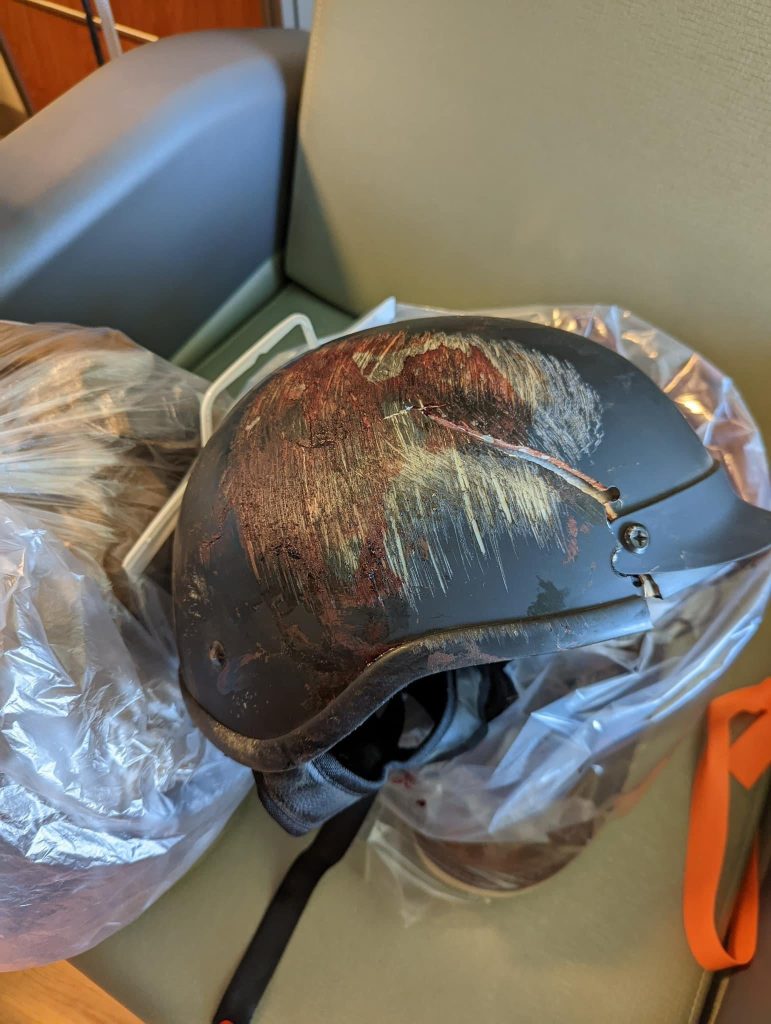
You rely on your bike helmet to keep you safe every time you ride. But have you ever stopped to ask yourself, how long does a bike helmet really last?
Using an old or damaged helmet could put your safety at risk without you even realizing it. You’ll discover exactly when it’s time to replace your helmet and how to spot the signs that your helmet might not protect you anymore.
Keep reading—your safety depends on it.
Helmet Lifespan Basics
Bike helmets protect your head during accidents. They lose strength over time. Knowing how long a helmet lasts is important for safety.
Several factors affect helmet lifespan. These include the materials used and the manufacturer’s advice.
Materials And Durability
Most bike helmets use foam and plastic parts. The foam absorbs impact but can weaken after years. The plastic shell may crack or fade.
Heat, sweat, and sunlight make materials break down faster. A helmet worn daily will not last as long as one used sometimes.
- EPS foam is common but can crush on impact
- ABS plastic shells protect from scratches
- UV light causes plastic to become brittle
- Sweat can weaken straps and padding
Manufacturer Guidelines
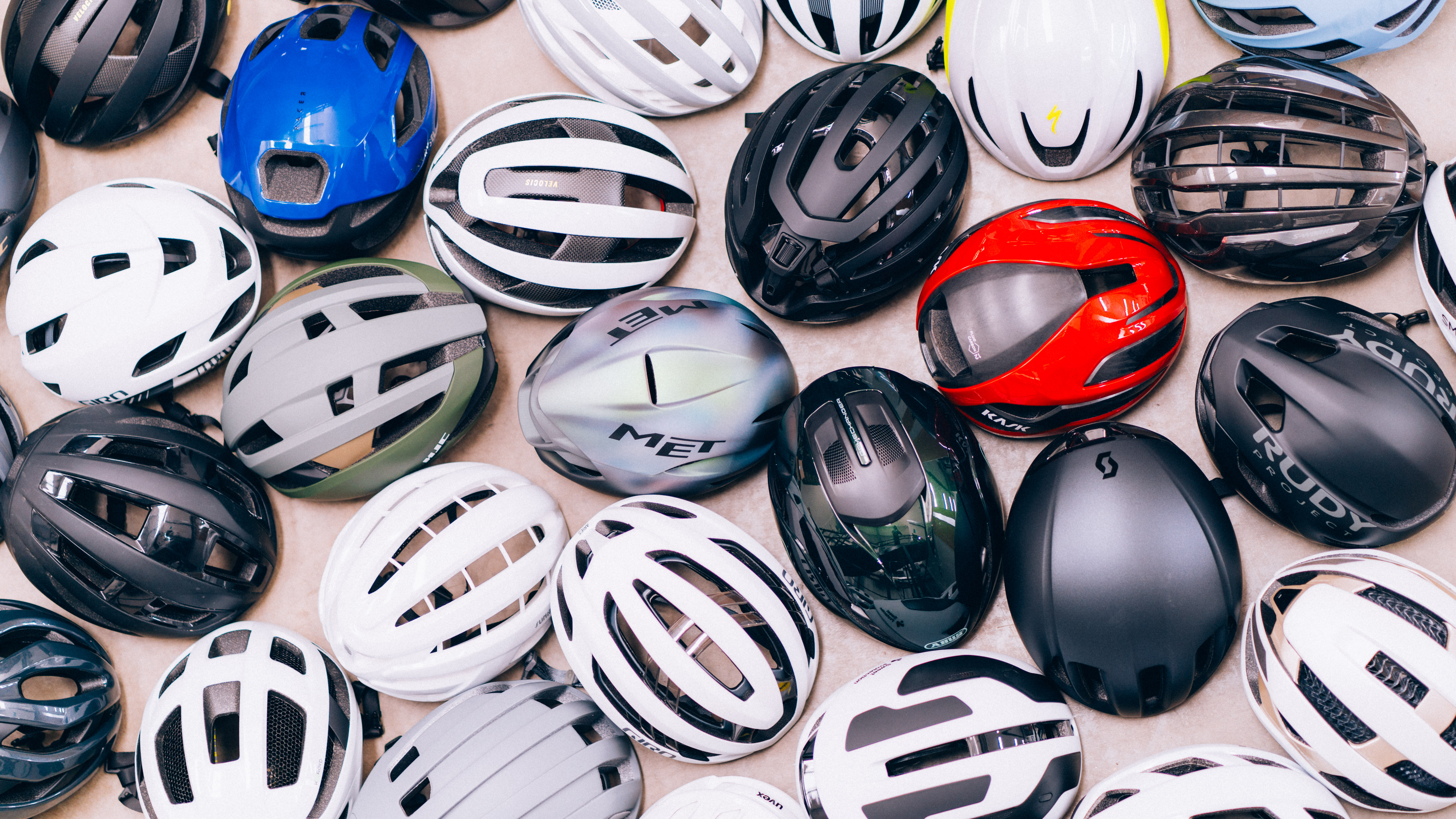
Helmet makers suggest replacing helmets every few years. Most recommend 3 to 5 years for regular use. Some say replace after any crash.
Check the label inside your helmet for specific advice. Follow the instructions to keep your helmet safe.
- Replace helmet after a crash or hard impact
- Follow the brand’s recommended replacement time
- Inspect helmet regularly for damage or wear
- Store helmet away from direct sunlight and heat
Credit: www.cyclingnews.com
Signs To Replace Your Helmet
Bike helmets are important for safety. They do not last forever. Knowing when to replace them is vital.
Here are key signs that indicate it’s time for a new helmet. Keeping your helmet in good condition can protect you better.
Visible Damage
Check your helmet for cracks or dents. Even small damages can weaken its strength.
Inspect the foam and outer shell. If you see any damage, replace your helmet immediately.
- Cracks in the shell
- Dents in the foam
- Loose or broken straps
Impact History
Helmets are designed for one major impact. After a crash, they must be replaced.
Even if the helmet looks fine, it might not protect you again. Always get a new helmet after a fall.
| After a fall | Replace immediately |
| Minor bumps | Inspect for damage |
Age-related Wear
Helmets wear out over time. Most manufacturers suggest replacing them every 5 years.
Check the date inside your helmet. If it is old, consider buying a new one for better protection.
- Check the manufacture date
- Replace every 5 years
- Look for updates in safety standards
Factors Affecting Helmet Longevity
A bike helmet protects your head during accidents. Its lifespan depends on many things. Understanding these helps you know when to replace it.
Some factors cause the helmet to wear out faster. Others affect how well it keeps you safe. Let’s look at the main causes.
Exposure To Sunlight And Weather
Sunlight and weather can weaken helmet materials. UV rays break down the foam and plastic parts. Rain and heat also cause damage over time.
- Keep helmets out of direct sunlight when not in use.
- Avoid leaving helmets in hot places like car dashboards.
- Protect helmets from rain and extreme weather conditions.
Storage Conditions
How you store your helmet affects its lifespan. Bad storage can cause cracks or deform the helmet shape. Always use safe storage practices.
| Storage Condition | Effect on Helmet |
|---|---|
| Hanging on hooks | May cause straps to stretch or weaken |
| Stored in a cool, dry place | Preserves helmet foam and shell |
| Left in damp areas | Can lead to mold and material breakdown |
| Crushed under heavy objects | Causes permanent damage to helmet shape |
Frequency Of Use
The more often you use your helmet, the faster it can wear out. Frequent use increases the chance of small cracks or dents.
- Check your helmet regularly for signs of damage.
- Replace helmets after a hard impact, even if no damage shows.
- Consider replacing helmets every 3 to 5 years with regular use.
Credit: www.cyclingnews.com
Helmet Safety Standards
Bike helmets protect your head in crashes. Safety standards make sure helmets work well.
Knowing these standards helps you pick and keep a safe helmet for years.
Certification Labels To Look For
Check the labels inside your helmet. They tell you if the helmet meets safety rules.
- CPSC (Consumer Product Safety Commission) – Required in the USA.
- CE EN 1078 – Common in Europe for helmets.
- ASTM F1447 – Used for bike helmets in some countries.
- Snell B90/B95 – A strict testing standard for helmets.
Look for these labels before buying. They show the helmet passed important tests.
Updates In Safety Technology
Helmet makers add new features to improve safety. These updates reduce injury risks.
| Technology | Purpose | Benefit |
| MIPS (Multi-directional Impact Protection System) | Reduces rotational forces | Lowers brain injury risk |
| Expanded Polystyrene Foam | Absorbs impact energy | Protects against shock |
| Reinforced Shells | Adds strength and durability | Improves helmet life |
| Improved Ventilation | Keeps head cool | Increases comfort |
Maintenance Tips For Longer Use
Bike helmets protect your head in crashes. Taking care of your helmet keeps it safe for longer.
Simple maintenance helps your helmet last and stay strong. Follow easy tips to keep it in good shape.
Cleaning And Care
Clean your helmet often to remove dirt and sweat. Use mild soap and water with a soft cloth or sponge.
Avoid strong chemicals or solvents. They can damage the helmet’s materials and reduce safety.
- Remove the inner pads and wash them by hand
- Rinse the helmet well and let it air dry
- Do not use a washing machine or dryer
- Check for cracks or damage while cleaning
Proper Storage Practices
Store your helmet in a cool, dry place away from sunlight. Heat and sun can weaken the helmet’s materials.
Keep the helmet away from heavy objects that could press or damage it. Avoid hanging it by the straps.
- Use a helmet bag or soft cloth cover
- Place it on a shelf or flat surface
- Keep it away from chemicals and oils
- Store it where it won’t fall or get crushed

Credit: velo.outsideonline.com
When To Upgrade Your Helmet
Bike helmets protect your head during crashes. Over time, helmets wear out and may not protect well.
Knowing when to replace your helmet keeps you safe on every ride. Check for signs that mean it’s time to upgrade.
Changes In Helmet Design
Helmet designs improve with new materials and shapes. Older helmets may miss new safety updates.
- Newer helmets often fit better and feel lighter.
- Ventilation improves comfort on warm days.
- Advanced padding helps absorb impact more effectively.
- Some helmets now include adjustable features for a secure fit.
Improved Safety Features
Helmet makers add new safety features as technology grows. These features can reduce injury risk in crashes.
| Feature | Benefit |
| MIPS (Multi-directional Impact Protection System) | Reduces rotational forces on the brain |
| Reinforced Shells | Improves helmet strength and durability |
| Impact-absorbing Foam | Better shock absorption during impacts |
| Reflective Elements | Increases visibility in low light |
Frequently Asked Questions
How Long Should A Bike Helmet Be Used?
A bike helmet typically lasts about 3 to 5 years. Over time, materials degrade and safety reduces. Replace it sooner if it experiences a crash or visible damage.
Can I Use A Bike Helmet After A Crash?
No, always replace your helmet after any crash. Impact can weaken its structure even if no damage is visible. Using a compromised helmet risks your safety.
What Factors Shorten A Bike Helmet’s Lifespan?
Exposure to sunlight, sweat, and extreme temperatures can degrade helmet materials. Frequent use and improper storage also reduce lifespan. Regularly inspect your helmet for signs of wear and tear.
How Do I Know When To Replace My Bike Helmet?
Replace your helmet every 3 to 5 years or after a crash. Also, check for cracks, dents, or worn straps. If any damage exists, it’s time for a new helmet.
Conclusion
Bike helmets usually last about three to five years. After that, the materials can weaken and offer less protection. Cracks or dents mean you should replace your helmet right away. Store your helmet away from heat and sunlight to keep it strong.
Regularly check your helmet for any damage or wear. Wearing a helmet in good condition keeps you safer on every ride. Remember, a well-maintained helmet protects your head better. Stay safe by replacing your helmet when needed.