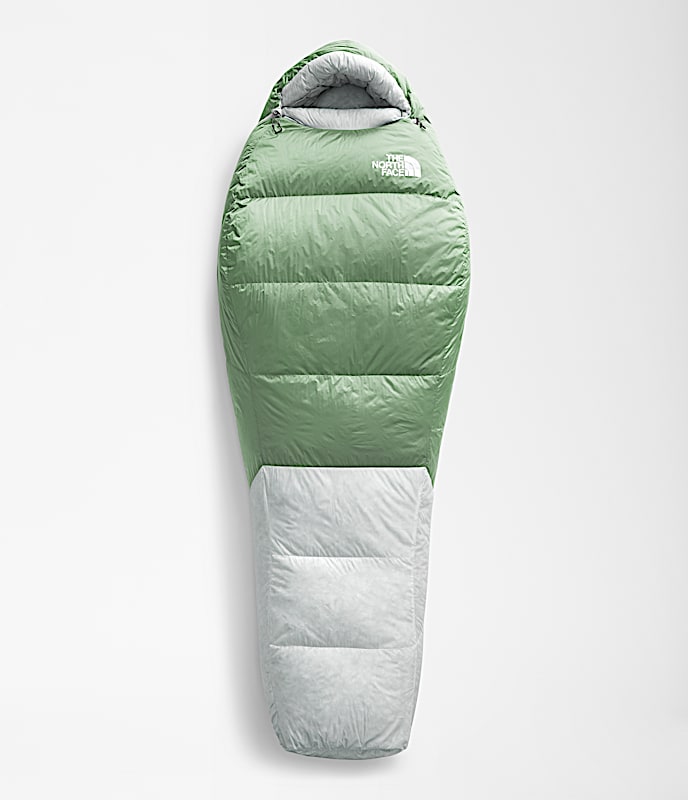
Have you ever wondered what a 0 degree sleeping bag really means for your outdoor adventures? If you’re planning a camping trip in colder weather, understanding this term can make a big difference in your comfort and safety.
Knowing how a 0 degree sleeping bag works helps you choose the right gear, so you stay warm all night without carrying extra weight. Keep reading to discover exactly what 0 degrees means for your sleeping bag and how it impacts your next trip.

Credit: www.gearx.com
Temperature Ratings Explained
Sleeping bags have temperature ratings to show how cold it can get before you feel cold. These ratings help you pick the right sleeping bag for your trip.
One common rating you see is the 0 degree sleeping bag. Understanding what this means helps you stay warm and safe outdoors.
What 0 Degree Means
A 0 degree sleeping bag means it can keep you warm in freezing weather. It is designed for temperatures around zero degrees Fahrenheit.
This rating shows the lowest temperature where the bag will protect an average sleeper from cold. It does not mean you will be comfortable at exactly zero degrees.
Comfort Vs. Limit Ratings
Sleeping bags have two main temperature ratings: comfort and limit. Comfort is when most people feel warm and cozy.
Limit means the lowest temperature you can sleep in the bag without feeling very cold. The 0 degree rating often refers to the limit temperature.
- Comfort rating:Temperature for a warm, restful night
- Limit rating:Lowest temperature to avoid cold stress
- Choose a bag with a comfort rating above expected weather
Testing Standards
Temperature ratings come from tests done in labs. These tests use mannequins with heating sensors to measure heat loss.
Different companies may use different methods, so ratings can vary. Look for bags tested by recognized standards like EN or ISO.
- EN 13537:European standard for sleeping bag ratings
- ISO 23537:International standard based on EN tests
- Ratings include comfort, limit, and extreme temperatures

Credit: www.amazon.ca
Materials And Insulation
A 0 degree sleeping bag is perfect for cold weather camping. It’s designed to keep you warm even when temperatures drop to zero degrees Fahrenheit.
The materials and insulation used in these sleeping bags are crucial. They determine how well the bag retains heat and protects you from the cold.
Down Vs. Synthetic Fill
Sleeping bags can have down or synthetic fill. Each type has its own benefits.
Down fill is lightweight and compresses easily. It provides great warmth for its weight, but it loses heat when wet.
Synthetic fill is heavier but stays warm when wet. It’s often more affordable than down.
- Down: Lightweight, compressible, loses warmth when wet
- Synthetic: Heavier, retains warmth when wet, often cheaper
Shell Fabric Importance
The shell fabric protects the insulation inside the sleeping bag. It needs to be durable and water-resistant.
Most sleeping bags use nylon or polyester for the shell. These fabrics are strong and help keep moisture out.
- Nylon: Lightweight, durable, water-resistant
- Polyester: Strong, often more affordable, water-resistant
Loft And Warmth
Loft refers to the fluffiness of the sleeping bag’s fill. More loft means better insulation.
A high-loft sleeping bag traps more air, keeping you warmer. This is important for a 0 degree sleeping bag.
- High loft: More air trapped, better warmth
- Low loft: Less air trapped, less warmth
Choosing The Right Bag For You
A 0 degree sleeping bag means it can keep you warm in freezing temperatures. It is good for cold weather camping. Choosing the right sleeping bag depends on your needs and where you will use it.
Look at the climate, bag shape, and size before buying. These details help you stay comfortable and safe outdoors.
Climate Considerations
Think about the usual weather where you camp. A 0 degree bag is best for cold places. It may be too warm for summer or mild weather.
- Use a 0 degree bag in winter or cold mountains
- Choose a lighter bag for warm weather
- Check the bag’s temperature rating before buying
Sleeping Bag Shape
Sleeping bags come in different shapes. The shape affects warmth and comfort. Choose a shape that fits your sleeping style and needs.
- Mummy shape keeps heat well but is tight
- Rectangular shape offers more room but less warmth
- Semi-rectangular is a mix of both comfort and warmth
Size And Fit
Your sleeping bag should fit your body well. A bag too big lets cold air in. A bag too small feels cramped. Pick the right size for your height and width.
- Check the bag’s length and width measurements
- Try to fit your shoulders and feet comfortably
- Some bags offer extra room for layering clothes
Tips For Maximum Warmth
A 0 degree sleeping bag means it can keep you warm in freezing weather. To stay warm, use smart techniques with your gear.
These tips will help you get the most warmth from your sleeping bag on cold nights.
Layering Techniques
Layering your clothes inside the sleeping bag adds extra warmth. Start with a thin base layer to keep sweat away.
Add a warm middle layer like fleece or wool for insulation. Avoid cotton because it traps moisture and makes you cold.
- Wear a moisture-wicking base layer
- Add an insulating mid-layer
- Use dry socks and a hat
Using Sleep Pads
Sleep pads block cold air from the ground. They add a layer of insulation below your sleeping bag.
Choose pads with good R-value for cold weather. A higher R-value means better insulation and warmth.
- Inflatable pads provide comfort and warmth
- Foam pads are durable and insulate well
- Combine pads for extra insulation if needed
Proper Bag Maintenance
Keep your sleeping bag clean and dry to keep its warmth. Dirt and moisture reduce insulation power.
Store your bag loosely in a large sack when not in use. Compressing the bag for long times damages the insulation.
- Air out the sleeping bag after use
- Wash only when necessary with gentle soap
- Store in a large, breathable bag
Common Misconceptions
Many people misunderstand what a 0 degree sleeping bag really means. It does not always mean freezing cold outside. This guide explains some common myths about 0 degree sleeping bags.
Knowing the facts helps you choose the right bag for your trip. Let’s clear up some confusion about temperature ratings.
0 Degree Isn’t Always Freezing
A 0 degree sleeping bag means it can keep you warm at 0 degrees Fahrenheit. This does not mean the bag is cold at higher temperatures. The rating shows the lowest temperature the bag can handle safely.
It also depends on weather conditions like wind and humidity. Sometimes, it feels warmer than 0 degrees due to other factors.
Impact Of Body Heat
Your body heat plays a big role in keeping warm inside the bag. The insulation traps heat you produce. This helps keep the temperature inside the bag higher than outside.
- Wear dry clothes to keep heat inside
- Avoid tight sleeping bags that reduce circulation
- Use a sleeping pad to block cold from the ground
- Keep the bag zipped to hold warm air in
Overrating And Underrating
| Term | Meaning | Effect |
| Overrating | Bag rated for lower temps than it can handle | You may feel cold in conditions you expected to be warm |
| Underrating | Bag rated for higher temps than it can handle | You might carry heavier gear than needed |
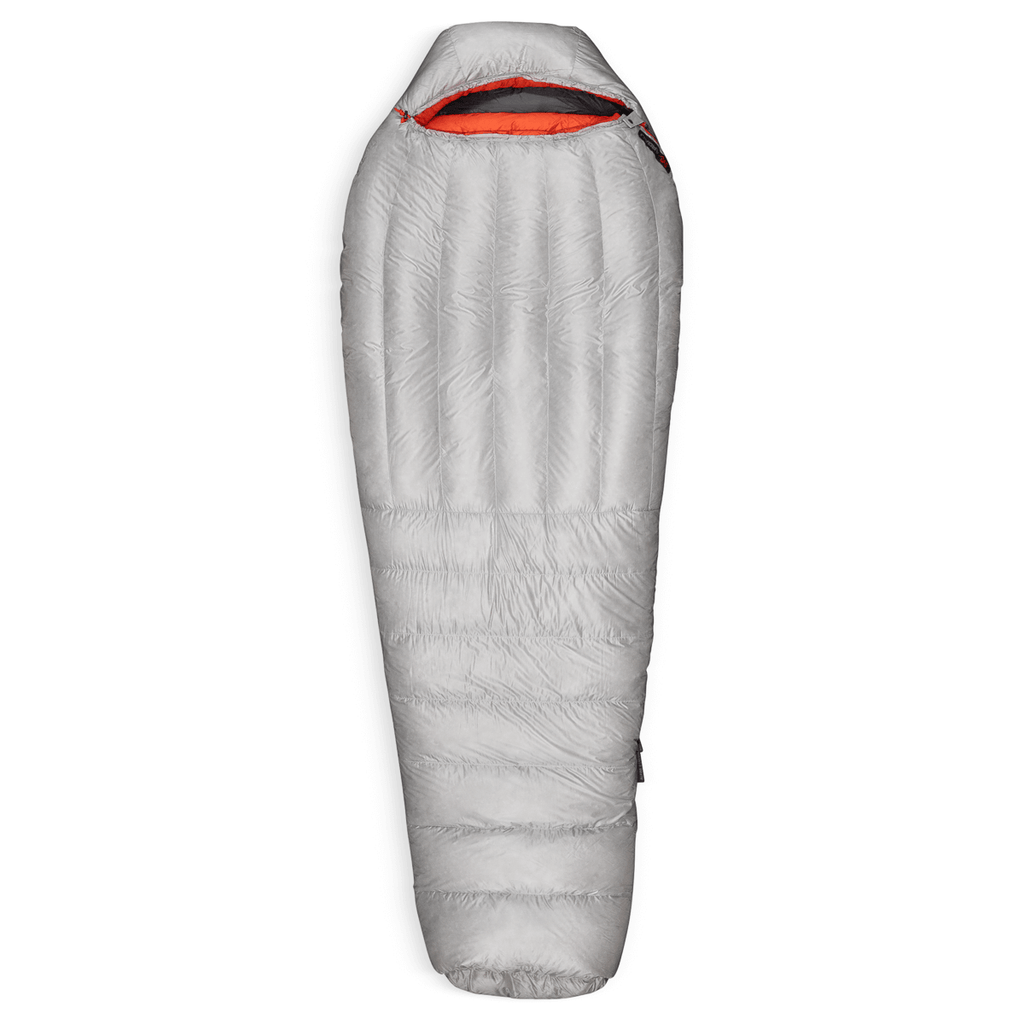
Temperature ratings are guides, not guarantees. Always check reviews and test your gear before trips. This helps avoid surprises in cold weather.
Credit: argalioutdoors.com
Frequently Asked Questions
What Does 0 Degree Sleeping Bag Rating Mean?
A 0 degree sleeping bag rating means it can keep you warm at freezing temperatures. It is designed for cold weather camping. This rating indicates the bag’s comfort limit for most users in 0°C or 32°F conditions.
Is A 0 Degree Sleeping Bag Suitable For Winter Camping?
Yes, a 0 degree sleeping bag is ideal for winter camping. It provides sufficient insulation for cold nights. It helps prevent hypothermia by retaining body heat in freezing temperatures.
How Is The 0 Degree Temperature Rating Determined?
The 0 degree rating is based on standardized tests measuring heat retention. Manufacturers test bags under controlled conditions using thermal mannequins. The rating reflects the lowest temperature a typical sleeper can stay comfortable.
Can I Use A 0 Degree Sleeping Bag In Warmer Weather?
You can, but it may feel too warm in mild conditions. A 0 degree bag is best for cold environments. In warmer weather, consider a sleeping bag with a higher temperature rating.
Conclusion
A 0 degree sleeping bag keeps you warm in cold weather. It means the bag protects you down to freezing temperatures. Choose one if you camp in winter or cold places. Remember, proper layering helps you stay comfortable inside. Always check the bag’s rating before buying.
Stay safe and enjoy your outdoor adventures with the right gear. Cold nights don’t have to be uncomfortable. Sleep well and wake up refreshed.