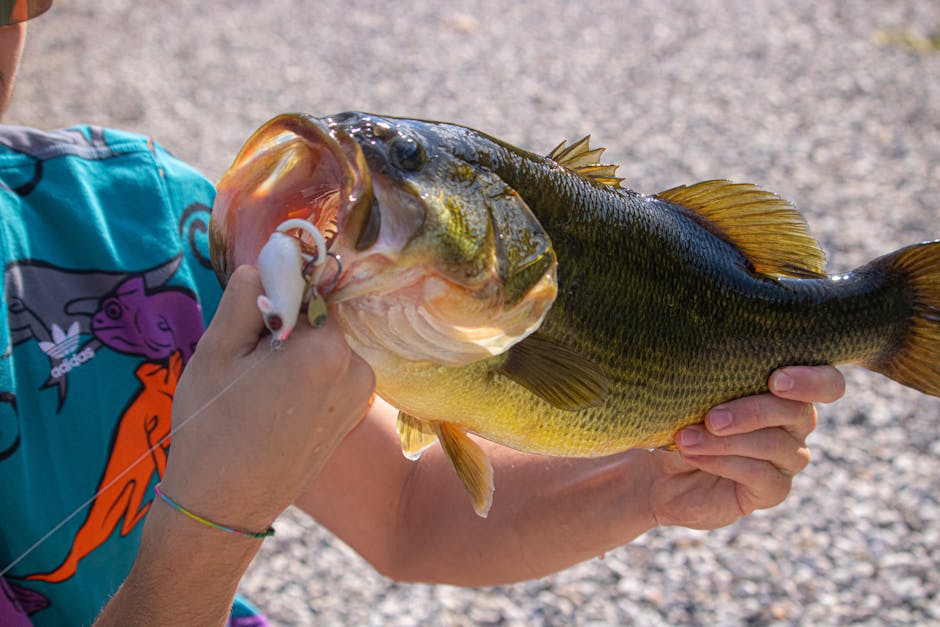
If you want to catch more crawfish, using the right lures can make all the difference. But how do you choose the best crawfish lures, and more importantly, how do you fish them effectively?
This guide will show you simple tricks that can help you attract and catch crawfish like a pro. Whether you’re a beginner or looking to improve your skills, you’ll find easy tips that work every time. Ready to boost your catch and enjoy more time on the water?
Keep reading to discover how to fish crawfish lures with confidence and success.
Choosing Crawfish Lures
Picking the right crawfish lure helps catch more crawfish. You need to think about the type, color, and size of the lure.
Using the best lure makes fishing easier and more fun. Learn which lures work best and why.
Top Crawfish Lure Types
Crawfish lures come in many styles. Each type attracts crawfish differently. Soft plastic, rubber, and hard baits are popular choices.
- Soft Plastic Lures:These look like real crawfish and move well in water.
- Rubber Lures:They have flexible parts that wiggle to attract crawfish.
- Hard Bait:Made of solid material, they can be used with extra movement.
- Jigs with Crawfish Skirts:These add extra color and motion to catch attention.
Color Selection Tips
Color helps crawfish see the lure better. Bright and natural colors both work well depending on water clarity and light.
| Water Type | Recommended Colors |
| Clear Water | Brown, Green, Natural Crawfish Colors |
| Murky Water | Bright Red, Orange, Chartreuse |
| Low Light | Glow-in-the-Dark, White, Yellow |
Size Matters
Choose the right size lure to match the crawfish in your area. Small lures work for small crawfish, large lures for big ones.
- Use 2-3 inch lures for small crawfish.
- Use 4-5 inch lures for medium crawfish.
- Use 6 inch or larger lures for big crawfish.
- Match lure size to local bait and prey sizes.

Credit: www.lurenet.com
Best Rods And Reels
Fishing with crawfish lures can be exciting and effective. Choosing the right rods and reels makes a big difference in your success.
Here, we will explore the ideal characteristics for rods and reels. Additionally, we will discuss the best line strength and type for crawfish lures.
Ideal Rod Characteristics
The right rod is crucial for casting and handling fish. You need a rod that is sensitive and strong.
- Length: A rod between 6.5 to 7.5 feet works well.
- Power: Medium to medium-heavy power provides balance.
- Action: Fast action is ideal for quick hooksets.
Reel Preferences
Reels should be smooth and reliable. They help in casting and retrieving lures efficiently.
| Reel Type | Benefits |
| Spinning Reel | Easy to use, great for beginners |
| Baitcasting Reel | Offers better control and accuracy |
Line Strength And Type
Line strength is important for handling big catches. The right type of line helps in better casting and lure presentation.
Effective Fishing Techniques
Fishing with crawfish lures is a popular way to catch bass and other fish. Using the right techniques helps you catch more fish.
These tips focus on how to cast, retrieve, and use jigs and soft plastics effectively.
Casting Strategies
Cast your lure near structures like rocks, logs, or weeds. Fish like to hide there.
Try to make your cast land softly to avoid spooking the fish. Use sidearm or underhand casts for better control.
- Aim for shaded areas or deep holes
- Cast beyond visible fish and let lure sink
- Change your casting angle to cover more water
Retrieval Methods
Retrieval speed affects how fish react to your lure. Slow, steady pulls often work best with crawfish lures.
Pause often during retrieval to mimic a crawfish moving or hiding. This can trigger strikes from curious fish.
- Use a slow drag across the bottom
- Pause for 1-2 seconds frequently
- Try short, quick twitches to imitate crawfish legs
Using Jigs And Soft Plastics
Pair your crawfish lure with jigs for better movement and weight. Jigs help your lure sink and stay near the bottom.
Soft plastics add lifelike action. Choose colors that match local crawfish to look natural.
- Use a jig head size that matches water depth
- Attach soft plastic crawfish tails for extra movement
- Change soft plastic colors to match water clarity
Optimal Locations For Crawfish Fishing
Finding the right spot is key to catching more crawfish. Different places offer better chances depending on the water and season.
Knowing where crawfish like to hide helps you use your lures better. This guide covers top locations to try.
Freshwater Habitats
Crawfish live in slow-moving rivers, lakes, ponds, and streams. They prefer clean water with enough oxygen.
- Shallow areas with muddy or sandy bottoms
- Places with aquatic plants for shelter and food
- Edges of slow rivers where water moves gently
- Near fallen trees or logs in the water
Structure And Cover Spots
Crawfish hide in places that offer protection from predators. Cover spots help you find them easier.
| Structure Type | Why Crawfish Like It |
| Rocks and Crevices | Safe hiding spots and ambush points |
| Under Logs and Debris | Shady and cool areas to avoid heat |
| Vegetation Roots | Food source and shelter |
| Man-made Structures | Dock pilings and submerged pipes provide cover |
Seasonal Hotspots
Crawfish move with the seasons. Knowing their patterns helps pick the best time and place.
- Spring: Crawfish come closer to shore to breed.
- Summer: They hide deeper during hot days, come out at night.
- Fall: Crawfish feed actively near cover to store energy.
- Winter: They burrow in mud or under logs to stay warm.
Timing Your Crawfish Fishing
Knowing the right time to fish for crawfish can improve your catch. Timing depends on the time of day, season, and weather.
This guide helps you understand when to use crawfish lures for the best results.
Best Times Of Day
Crawfish are more active during certain hours. Early morning and late evening are the best times.
- Dawn: Crawfish come out to feed when the water is cool.
- Dusk: Crawfish move around more as the sun sets.
- Night: Some crawfish species are active after dark.
Seasonal Patterns
Crawfish behavior changes with the seasons. Spring and fall are prime seasons for fishing.
| Season | Activity Level | Tips |
| Spring | High | Use lively lures near shallow water. |
| Summer | Medium | Fish in deeper, cooler spots. |
| Fall | High | Try slow retrieval to match cooler water. |
| Winter | Low | Fish less often; crawfish are less active. |
Weather Impact
Weather changes affect crawfish movement and feeding habits.
Here is how weather impacts crawfish fishing:
- Rain:Increases water flow and oxygen, making crawfish more active.
- Cloudy Days:Crawfish come out more since sunlight is less intense.
- Wind:Can stir up the water and hide your lure, so fish carefully.
- Temperature:Warm water boosts activity; cold slows it down.

Credit: www.battlbox.com
Tips For Big Catches
Catching big crawfish requires skill and careful planning. Using the right lures and techniques helps increase your success.
Understanding the environment and adjusting your approach can make a big difference in your catch size.
Patience And Persistence
Big crawfish do not always bite quickly. Stay calm and wait for the right moment. Keep trying even if catches are small at first.
- Wait quietly near rocks and logs
- Keep your lure still for several minutes
- Try different spots if no bites come
- Watch your line carefully for small tugs
Adjusting Techniques
Changing how you use your lure can attract bigger crawfish. Vary your speed and movement to find what works best.
| Technique | Description | When to Use |
| Slow Drag | Pull lure slowly on bottom | Clear water, calm days |
| Quick Twitch | Make short, fast jerks | Cloudy water, active crawfish |
| Pause and Drop | Lift lure then let it sink | Deep water, cooler temperatures |
Reading Water Conditions
Knowing the water state helps pick the best lure and spot. Look for areas with clean water and good cover.
Check these water conditions for better crawfish fishing:
- Water temperature between 65°F and 75°F
- Clear to slightly murky water
- Slow-moving currents near rocks or plants
- Shallow water areas with hiding spots

Credit: www.youtube.com
Frequently Asked Questions
What Are The Best Crawfish Lures For Beginners?
Soft plastic crawfish lures with natural colors are ideal for beginners. They mimic real crawfish movements and attract fish easily. Choose lures with durable material to withstand bites and snagging.
How Do You Rig Crawfish Lures Effectively?
Use a Texas or Carolina rig for crawfish lures. Attach the lure securely with a weighted hook. This setup helps the lure stay near the bottom where crawfish hide.
When Is The Best Time To Fish With Crawfish Lures?
Early morning and late evening are prime times. Fish are more active and feed near the bottom. Crawfish lures work best during warmer months when crawfish are plentiful.
Which Fish Species Respond Best To Crawfish Lures?
Bass, catfish, and panfish are most attracted to crawfish lures. These species naturally prey on crawfish. Using crawfish lures increases your chances of catching these fish.
Conclusion
Fishing crawfish lures takes patience and practice. Choose the right lure and use slow, steady movements. Watch how fish react and adjust your technique. Stay calm and enjoy the quiet time by the water. Remember, every trip helps you learn something new.
Keep trying, and your catches will improve with time. Fishing is not just about catching fish. It’s about enjoying nature and the peace it brings. So, grab your gear and head out for a fun day fishing crawfish lures.