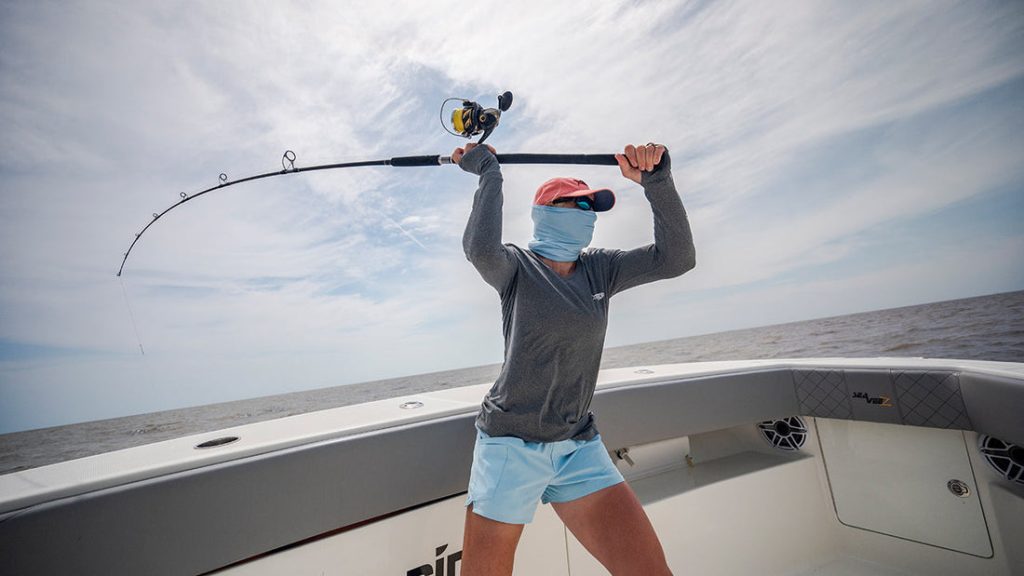
Have you ever struggled to get your fishing line out as far as you wanted? Casting your fishing rod farther can make all the difference between a good catch and a great one.
Imagine reaching spots others can’t, where fish are biting more actively. You’ll discover simple, practical tips that can help you cast your rod farther with ease. Whether you’re a beginner or looking to improve, these techniques will boost your fishing game instantly.
Ready to learn how to cast like a pro? Let’s dive in!

Credit: mysterytacklebox.com
Choosing The Right Rod
Choosing the right fishing rod helps you cast farther. It also makes fishing easier and more fun.
Different rods have different features. These features affect how far and how well you can cast.
Rod Length And Power
Longer rods usually cast farther. They give more leverage to throw the line out.
Power means how strong the rod is. Stronger rods can handle heavier lines and lures.
- Use longer rods for distance casting
- Choose rod power based on fish size and lure weight
- Medium power rods work well for most fishing
Material And Flexibility
Rods come in materials like fiberglass, graphite, or composite. Each feels different when casting.
Flexible rods bend more and help cast lighter lures far. Stiffer rods give more control with heavy lures.
- Graphite rods are light and sensitive
- Fiberglass rods are durable and flexible
- Composite rods balance strength and flexibility
Reel Compatibility
Your rod must work well with your reel. The reel size affects casting distance and comfort.
Match the rod’s line weight rating with your reel’s line capacity. This helps smooth casts and prevents damage.
- Spinning rods fit spinning reels for easy casting
- Baitcasting rods fit baitcasting reels for accuracy
- Check reel and rod ratings before buying
Selecting The Best Line And Lure
Casting a fishing rod far depends on choosing the right line and lure. Both affect how far and accurate your cast will be.
Pick the best line and lure to match your rod and fishing style. This helps improve your casting distance and control.
Line Type And Strength
The type of fishing line changes how far you can cast. Some lines are thinner and smoother, which lets the line fly farther.
Strength matters too. Use a line strong enough to hold your catch but light enough for good casting distance.
- Monofilament lines are stretchy and easy to cast.
- Fluorocarbon lines are nearly invisible and sink faster.
- Braid lines are thin and strong, perfect for long casts.
- Choose line strength based on fish size and rod power.
Lure Weight And Shape
Lure weight affects how far you can cast. Heavier lures fly farther but need stronger rods and lines.
The shape of the lure changes the air resistance. Slim lures cut through the air better than bulky ones.
- Light lures work well for close casting and small fish.
- Heavy lures help reach distant spots.
- Sleek lures reduce drag and improve casting distance.
- Bulky lures may need slower casting speed.
Matching Lure To Rod
Your rod must fit the lure weight for best casting. Using a light lure on a heavy rod lowers control.
Check the rod’s recommended lure weight range. Choose lures within that range for smooth and long casts.
- Light rods work well with small, light lures.
- Medium rods handle medium-weight lures best.
- Heavy rods support heavy lures for long casts.
- Match lure and rod to avoid damage and improve accuracy.
Mastering Casting Techniques
Learning how to cast a fishing rod far can be fun. Understanding the right technique is key to improving your cast. This guide will cover the essentials for casting your rod effectively.
Whether you’re a beginner or have some experience, focusing on the basics will help. Let’s look at the important steps for a successful cast.
Proper Grip And Stance
Your grip and stance greatly affect your casting distance. A firm grip ensures control, while a balanced stance adds power.
- Hold the rod with a relaxed but firm grip.
- Place your dominant hand above the reel.
- Keep your feet shoulder-width apart for balance.
Backcast And Forward Cast
The backcast sets up your forward cast. A smooth motion helps in gaining distance.
Start by lifting the rod tip to load the rod. Then, smoothly transition into the forward cast to release the line.
Timing And Smooth Release
Timing is crucial for a successful cast. The right release ensures the line travels far and straight.
- Pause briefly at the end of the backcast.
- Accelerate smoothly into the forward cast.
- Release the line as the rod tip points forward.
Practicing these steps regularly will improve your casting skills. Remember, patience and consistency are key.
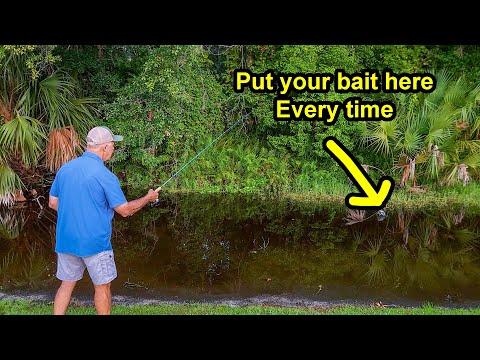
Credit: www.youtube.com
Adjusting For Wind And Weather
Wind and weather affect how far your fishing rod can cast. Changing conditions need small adjustments to your casting technique. Learning to read the wind helps you cast better and farther.
By understanding how wind and weather work together, you can improve your fishing experience. This guide explains ways to adjust your cast for different weather conditions.
Casting Into The Wind
Casting against the wind can slow your lure and reduce distance. To cast farther, use lighter lures and a slower, more controlled motion. Point your rod slightly lower to keep the line from lifting too early.
- Choose a lighter lure to reduce wind resistance
- Use a smooth, steady casting motion
- Keep the rod tip lower to reduce wind drag
- Adjust the angle to let the wind carry the lure
Dealing With Gusts
Gusty winds make casting unpredictable. Wait for a lull before casting to avoid sudden changes. If gusts continue, use heavier lures that are less affected by wind. Keep your grip firm and stay balanced for better control.
| Tip | Effect |
|---|---|
| Wait for calm moments | Improves cast accuracy |
| Use heavier lures | Reduces wind impact |
| Firm grip | Prevents rod from slipping |
| Stable stance | Keeps balance during gusts |
Weather Impact On Distance
Weather changes like rain, humidity, or temperature affect line weight and rod action. Moist air can make lines heavier and slow casts. Cold weather may stiffen rods, reducing flexibility. Adjust your equipment for these conditions.
- Use lighter line in humid or wet weather
- Choose rods with flexible tips in cold weather
- Check your reel for smooth line release after rain
- Adjust your casting force to match weather conditions
Maintaining Your Gear
Keeping your fishing gear in good shape helps you cast farther and fish better. Regular care protects your equipment from damage and wear.
Simple maintenance routines save money and improve your fishing experience. Focus on cleaning, inspecting, and replacing parts as needed.
Regular Cleaning And Inspection
Clean your rod and reel after every fishing trip. Remove dirt, salt, and debris to prevent corrosion. Check for cracks or broken guides on the rod.
- Wipe the rod with a damp cloth
- Use mild soap for stubborn dirt
- Inspect guides for damage or rust
- Check reel seat and handle tightness
- Dry all parts before storage
Line Replacement Tips
Replace your fishing line regularly to avoid breaks and tangles. Old lines weaken and reduce casting distance. Follow these signs to change your line:
- Line feels rough or has cracks
- Visible frays or knots appear
- Line color fades significantly
- After heavy use or big catches
- At least once per fishing season
Reel Maintenance
Keep your reel smooth by cleaning and lubricating it. Proper reel care helps you cast farther and retrieve easier. Use the table below for maintenance tasks and frequency.
| Task | How Often | Notes |
| Clean spool and body | After every trip | Remove dirt and salt |
| Lubricate gears and bearings | Monthly | Use reel oil or grease |
| Check drag system | Before each use | Adjust and test smoothness |
| Inspect handle and knobs | Monthly | Tighten or replace if loose |

Credit: fishingbooker.com
Practice Drills For Distance
Casting a fishing rod far takes practice and good technique. Simple drills help improve your distance.
Focus on exercises that build power and accuracy. Track your progress to see real improvements.
Target Casting Exercises
Set up targets at different distances. Aim to hit these targets with your casts to improve control.
- Place cones or markers at 10, 20, and 30 yards.
- Try to land your lure near each marker.
- Adjust your stance and cast to improve accuracy.
- Repeat the exercise until you can hit each target consistently.
Improving Accuracy And Power
Strong and accurate casts need good form and muscle memory. Practice slow, controlled casts first.
| Drill | Focus | Description |
| Slow Casts | Form | Cast slowly to check your rod movement and timing. |
| Power Builds | Strength | Use your hips and shoulders to add more power gradually. |
| Quick Release | Speed | Practice snapping the rod tip quickly to increase lure speed. |
Tracking Progress
Keep a log of your casting drills. Record distances and notes after each session.
Sample Progress Log
| Date | Max Distance (yards) | Notes |
|---|---|---|
| April 10 | 25 | Good form, need more power |
| April 15 | 30 | Improved power, work on accuracy |
| April 20 | 32 | Consistent distance, better release |
Frequently Asked Questions
How Can I Cast My Fishing Rod Farther?
To cast farther, use a longer rod with a fast action tip. Improve your casting technique by making smooth, controlled back and forward motions. Use lighter, aerodynamic lures and optimize your reel’s drag setting for better line flow.
What Type Of Fishing Rod Is Best For Long Casts?
A longer rod between 7 to 9 feet with a fast or extra-fast action is ideal. It provides better leverage and accuracy for long-distance casting. Lightweight graphite rods are preferred for their sensitivity and strength.
How Does Fishing Line Affect Casting Distance?
Thinner, lighter lines reduce air resistance and increase casting distance. Braided lines have less stretch and better strength, helping you cast farther. Always match line weight with your rod and reel specifications for optimal performance.
Can Lure Weight Impact Casting Distance?
Yes, heavier lures generally cast farther due to greater momentum. However, balance lure weight with rod strength to avoid damage. Choose aerodynamic lures designed for long casts to improve distance.
Conclusion
Casting your fishing rod far takes practice and patience. Focus on your grip and smooth motion. Use the right rod and line for distance. Keep your arm straight and follow through with each cast. Watch the wind and adjust your angle.
Remember, small changes bring better results. Try these tips during your next fishing trip. Enjoy the calm and excitement of fishing well. Keep practicing, and your casts will improve steadily.