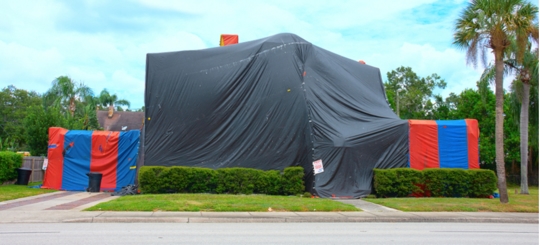
Are you wondering, “How much is it to tent a house?” If you’re facing a pest problem or planning a thorough home fumigation, knowing the cost upfront can help you make the best decision. You want to protect your family and belongings without breaking the bank.
You’ll find clear answers about pricing, what affects the cost, and how to get the best value for your money. Keep reading to discover everything you need to know before tenting your house.

Credit: www.hipcamp.com
Factors Affecting Tent House Costs
Tenting a house protects it during pest control or renovations. The cost varies based on several factors. Understanding these helps you plan your budget.
Each factor influences the price differently. Knowing them can help you choose options that fit your needs.
Size Of The Property
The bigger the house, the higher the tenting cost. Large homes need more materials and labor. Small homes cost less to cover.
Size also affects the time needed to set up the tent. Larger areas take longer to cover fully.
Type Of Tent Material
Tent materials vary in quality and price. Stronger materials cost more but last longer. Cheaper options may save money but wear out fast.
- Polyethylene: Affordable and common
- Polyvinyl Chloride (PVC): Durable and weather-resistant
- Canvas: Heavy-duty but expensive
Duration Of Tent Setup
The length of time the tent stays up affects cost. Longer durations require more maintenance and labor. Short setups are cheaper but may not suit all jobs.
Some companies charge daily or weekly rates. Ask about pricing for your expected tent duration.
Additional Services
Extra services add to the total cost. These can include cleaning, repairs, or special ventilation. Each service raises the price depending on the job.
- Post-tent cleaning
- Structural repairs before tenting
- Installing air circulation systems
- Emergency tent removal
Average Price Ranges
Tenting a house is a method used to eliminate pests like termites. Costs can vary based on the size of the home. Let’s explore the average price ranges for different home sizes.
Understanding these costs can help homeowners budget for pest control effectively. Here are the typical prices for small, medium, and large homes.
Small Homes
Small homes, usually under 1,500 square feet, tend to have lower tenting costs. These homes are easier to cover and treat.
- Average cost: $1,000 to $2,500
- Factors affecting cost: location and severity of infestation
- Duration: typically 1 to 2 days
Medium Homes
Medium homes, ranging from 1,500 to 2,500 square feet, incur moderate tenting expenses. The process is a bit more involved than for smaller homes.
| Size Range | Average Cost |
| 1,500 – 2,000 sq ft | $2,500 to $3,500 |
| 2,000 – 2,500 sq ft | $3,500 to $4,000 |
Large Homes
For large homes, over 2,500 square feet, the cost increases significantly. More resources are needed to ensure effective pest control.
Large homes often require specialized equipment and more manpower, which can impact the overall cost.
- Cost: $4,000 and up
- Considerations: complexity and home layout
Cost Breakdown By Service
Tenting a house involves several services, each with different costs. Understanding these costs helps plan your budget well.
Below is a breakdown of common services and their typical charges during the tenting process.
Inspection Fees
The inspection fee covers the initial evaluation of your home. Experts check the infestation level and structure before tenting.
Inspection costs usually range between $75 and $200. This fee may be waived if you proceed with the treatment.
Tent Installation
Setting up the tent around the house is a crucial step. The cost depends on house size and complexity.
| House Size | Typical Cost |
| Small (up to 1,500 sq ft) | $300 – $600 |
| Medium (1,500 – 3,000 sq ft) | $600 – $1,200 |
| Large (over 3,000 sq ft) | $1,200 – $2,000 |
Pest Control Treatments
The treatment cost depends on the type of pests and severity of infestation. It covers chemical application inside the tent.
- Termite treatment: $1,000 – $2,500
- Bed bug treatment: $500 – $1,500
- General pest treatment: $300 – $1,000
Disposal And Cleanup
After treatment, the tent is removed and the area cleaned. Disposal fees cover safe removal of chemicals and materials.
| Service | Cost Range |
|---|---|
| Tent removal | $100 – $300 |
| Cleanup and ventilation | $150 – $400 |
| Waste disposal | $50 – $150 |

Credit: www.davistent.com
Diy Vs Professional Tent Services
Tenting a house protects it from pests and weather during repairs. You can choose to do it yourself or hire experts. Each choice has different costs and results.
Understanding the differences helps you make the best decision for your budget and needs.
Cost Comparison
DIY tenting usually costs less upfront. You only pay for materials like plastic sheets and tape. Renting tools may add to the cost.
Professional services include labor and materials. They often provide a warranty and insurance, which adds to the price.
| Service Type | Average Cost | Includes |
| DIY | $200 – $500 | Materials and tool rental |
| Professional | $1,000 – $3,000 | Labor, materials, insurance |
Risks And Benefits
DIY tenting saves money but carries risks. Mistakes can cause damage or poor protection. You must have some skill and time.
- DIY Benefits: Lower cost, control over process
- DIY Risks: Improper setup, safety hazards
- Professional Benefits: Expert setup, full coverage
- Professional Risks: Higher cost, less control
Time Considerations
DIY tenting usually takes longer. You work at your own pace but may face delays. Setup and takedown can use several days.
Professional teams work faster. They finish setup in a day or two. This speed reduces exposure to weather and pests.
Ways To Save On Tent House Costs
Tenting a house is a key step for pest control or renovation. The cost can be high if you do not plan well.
There are simple ways to reduce the price without cutting corners on quality or safety.
Seasonal Discounts
Many companies offer lower prices during their slow seasons. Booking tenting services in these times can save money.
- Schedule tenting in fall or winter when demand is low.
- Look for holiday or off-peak promotions.
- Ask the company about any seasonal offers.
Package Deals
Some companies bundle tenting with other services like pest control or cleaning. This can lower the total cost.
| Package Type | Services Included | Benefit |
|---|---|---|
| Basic | Tenting only | Lowest price, pay for only tenting |
| Standard | Tenting + pest control | Better value, fewer separate fees |
| Full Service | Tenting + pest control + cleaning | Convenience and biggest savings |
Choosing The Right Company
Prices vary by company. Choosing the right one can save you money and stress.
Consider these points before hiring:
- Compare quotes from multiple companies.
- Check reviews for reliability and quality.
- Ask about hidden fees or extra charges.
- Choose a company with clear and fair pricing.
Common Mistakes To Avoid
Tenting a house is an important process to control pests safely. Many people make mistakes that raise costs or cause delays.
Knowing common errors helps you prepare better and save money. Avoid these mistakes to get the best results.
Underestimating Size
Many people think their house is smaller than it really is. Tent companies charge by the size of the house.
If you underestimate, you might not budget enough money. Always measure carefully or get a professional estimate.
- Measure the entire house, including porches and garages
- Check for extra buildings that need tenting
- Ask the company how they calculate size
Ignoring Hidden Fees
Some companies add extra fees after the initial price. These can include permits, cleanup, or special treatments.
Ignoring these fees can make the total cost much higher. Always ask about all possible charges before agreeing.
- Permit fees from local government
- Extra charge for difficult shapes or large yards
- Cleanup and disposal costs
- Additional treatments if pests are severe
Skipping Quotes
Some homeowners skip getting multiple quotes to save time. This can lead to paying too much or getting poor service.
Getting several quotes lets you compare prices and services. It helps you find the best fit for your needs.
- Ask at least three companies for estimates
- Compare what is included in each quote
- Check reviews and references
- Clarify the timeline and guarantees
Trends And Innovations In Tent House Services
Tenting a house is a key step in pest control and renovation. New trends make this service safer and more eco-friendly. Many companies now use new materials and technology to protect homes better.
This article looks at three main trends: eco-friendly materials, advanced pest control methods, and smart monitoring systems. These help improve tent house services today.
Eco-friendly Materials
Using eco-friendly materials reduces harm to the environment. Many tents now use biodegradable fabrics and non-toxic chemicals. These materials break down naturally and keep air clean.
- Biodegradable tent covers made from natural fibers
- Low-toxicity fumigants safe for people and pets
- Reusable and recyclable packaging to cut waste
- Materials that reduce plastic and chemical use
Advanced Pest Control Methods
New pest control methods use science to target pests more exactly. These methods lower chemical use and keep homes safer. They also help avoid damage to furniture and walls during tenting.
| Method | Description |
| Heat Treatment | Uses high heat to kill pests without chemicals |
| Fumigation with Eco-friendly Gases | Safer gases that break down quickly in air |
| Targeted Insect Growth Regulators | Stops pests from maturing and reproducing |
Smart Monitoring Systems
Smart systems now help watch the tented house during treatment. Sensors track temperature, gas levels, and air flow. This data helps technicians adjust the process quickly for safety and success.
- Real-time alerts on gas leaks or low oxygen
- Remote control of temperature and ventilation
- Data logging for detailed treatment reports
- Mobile apps for homeowner updates

Credit: www.davistent.com
Frequently Asked Questions
How Much Does It Cost To Tent A House?
The cost to tent a house ranges from $1,000 to $3,500. Prices depend on house size, location, and pest severity. Additional fees may apply for prep work or special treatments. Always get multiple quotes for accurate estimates.
What Factors Affect House Tenting Prices?
House tenting prices vary based on home size, infestation level, and treatment type. Accessibility, local regulations, and time of year also impact costs. Larger homes or severe infestations require more materials and labor, increasing the price.
How Long Does House Tenting Take?
House tenting usually takes 1 to 3 days. The process includes sealing, fumigation, and airing out the home. Afterward, it’s safe to re-enter following the pest control provider’s instructions.
Is House Tenting Covered By Homeowners Insurance?
Most homeowners insurance policies do not cover tenting for pest control. Coverage depends on your policy and cause of infestation. Check your policy or contact your insurer for specific details.
Conclusion
Tenting a house helps keep pests and damage away. The cost depends on house size, location, and treatment type. It usually takes a few days to complete. Choosing a reliable company ensures safety and good results. Planning ahead can save money and stress.
Remember to ask for detailed quotes before deciding. Tenting protects your home and peace of mind. It’s a smart step for a clean, safe living space.