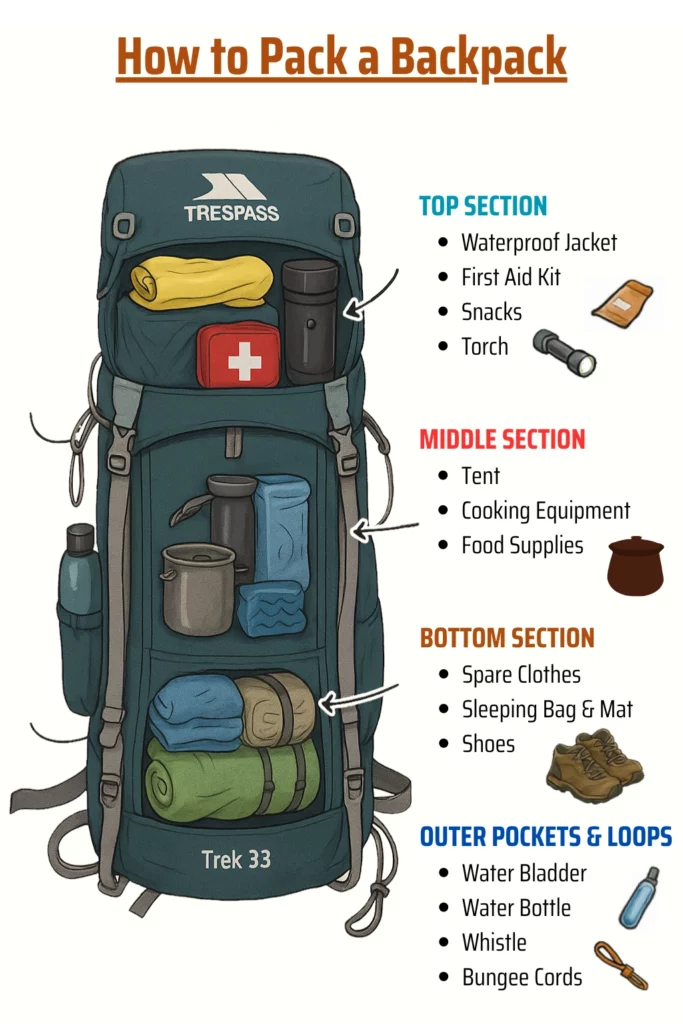
Packing your hiking pack the right way can make all the difference between an amazing adventure and a tiring struggle. Imagine reaching your favorite trail, only to find your back aching or your essentials buried deep where you can’t reach them.
You don’t want that. You want to move smoothly, stay comfortable, and have everything you need at your fingertips. In this guide, you’ll discover simple, smart tips to pack your hiking pack like a pro. Ready to make your next hike easier and more enjoyable?
Let’s dive in.
Credit: pangolinswithpacks.com
Choosing The Right Pack
Picking the right hiking pack makes your trip easier and more comfortable. Your pack should fit your needs and body well.
This guide helps you select the right pack by looking at types, size, and fit.
Types Of Hiking Packs
There are different packs for different hikes. Choose one that matches your trip length and style.
- Daypacks: Small and light for short hikes or daily use.
- Overnight packs: Bigger with space for sleeping gear for 1-2 nights.
- Multi-day packs: Large with more compartments for long trips.
- Technical packs: Designed for climbing or special activities.
Pack Size And Capacity
Pack size is measured in liters. It shows how much gear the pack can hold.
| Trip Length | Pack Size (Liters) |
| Day hike | 15-30 L |
| Overnight | 30-50 L |
| Multi-day | 50-80 L |
| Extended trips | 80+ L |
Fit And Comfort
A good fit keeps weight balanced and reduces strain on your back and shoulders.
- Adjust shoulder straps to fit snugly.
- Use hip belts to carry most of the weight on hips.
- Check for padded back panels for comfort and airflow.
- Try the pack with weight before buying if possible.
Essential Gear To Include
Packing for a hiking trip requires careful planning. Essential gear ensures safety and comfort. Let’s explore what to pack in your hiking pack.
From clothing to food, each item plays a crucial role. Here’s a guide to help you pack smartly for your adventure.
Clothing And Footwear
Wear layers to adjust to changing weather. Choose moisture-wicking fabrics for comfort.
Footwear is vital for a safe hike. Pick sturdy hiking boots to protect your feet.
- Lightweight jacket
- Quick-dry pants
- Wool socks
- Hiking boots
Navigation Tools
Navigation tools help you stay on track. Always have a map and a compass.
GPS devices are useful but bring a backup. Batteries can die, so carry extra.
- Map of the area
- Compass
- GPS device
- Extra batteries
Food And Water Supplies
Pack enough food to keep your energy up. Choose non-perishable items for longer hikes.
Water is crucial. Carry a water bottle and a filter for clean water access.
- Trail mix
- Energy bars
- Water bottle
- Water filter
Safety And First Aid
Safety gear can be lifesaving. Always have a first aid kit with you.
Include items like bandages and antiseptic wipes. A whistle can help in emergencies.
- First aid kit
- Bandages
- Antiseptic wipes
- Whistle
Packing Techniques
Packing your hiking pack correctly makes your trip easier and safer. Good packing keeps your gear balanced and accessible.
Learn how to arrange your items to stay comfortable on the trail. Use smart techniques to save space and reduce strain.
Weight Distribution
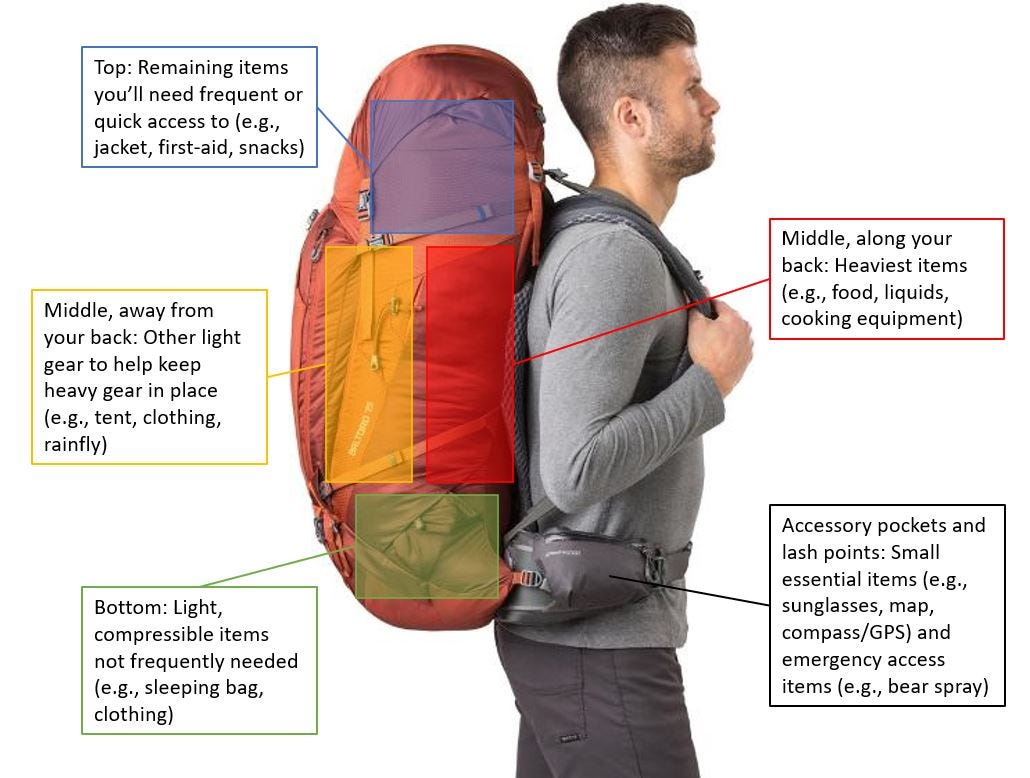
Place heavy items close to your back and near the middle of the pack. This keeps your center of gravity steady and reduces fatigue.
- Put heavy gear like water and stove near your spine.
- Keep medium-weight items like food and clothes around the heavy items.
- Light gear such as sleeping bags should go at the bottom or outside pockets.
- Balance weight evenly on both sides to avoid leaning.
Organizing By Frequency Of Use
Keep items you use often in easy-to-reach places. This saves time and keeps you prepared during your hike.
| Item | Pack Location |
|---|---|
| Water bottle | Side pocket |
| Map and compass | Top compartment |
| Rain jacket | Outside pocket |
| First aid kit | Top or outside pocket |
| Sleeping bag | Bottom of pack |
Using Compression Bags
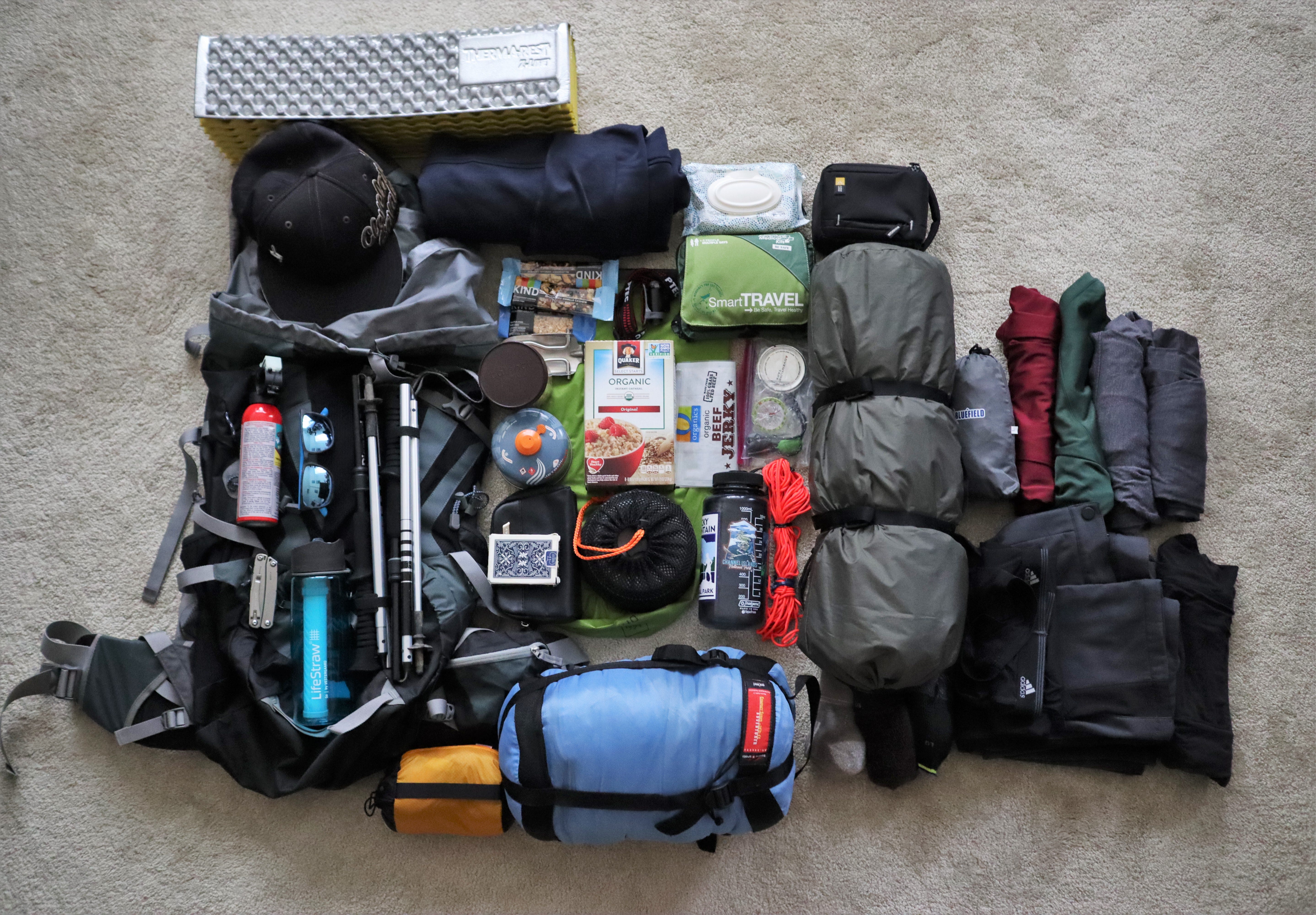
Compression bags reduce the volume of bulky items like clothes and sleeping bags. This frees up space and keeps your pack tidy.
Here are tips for using compression bags:
- Choose the right size bag for your gear.
- Pack items loosely before compressing to avoid damage.
- Seal the bag tightly to keep air out.
- Place compressed bags near the center of your pack for balance.
Credit: pangolinswithpacks.com
Loading Your Pack Efficiently
Packing your hiking pack the right way makes your hike easier. A well-loaded pack feels lighter and keeps you balanced.
Knowing where to place items helps you carry your gear comfortably and safely.
Heavy Items Placement
Put heavy items close to your back and near your center. This reduces strain and improves balance.
Keep heavy gear like water, food, and cooking supplies in the middle of the pack.
- Place heavy items low and near your spine
- Avoid putting heavy things far from your back
- Keep frequently used heavy items easy to reach
Balancing The Load
Spread weight evenly on both sides to avoid leaning or twisting. This helps you walk smoothly.
Balance light and heavy items across your pack to keep it steady on your back.
- Place similar weight items on each side
- Keep the pack stable by not letting items shift
- Check the balance before you start hiking
Securing Loose Items
Fasten small or loose items so they don’t move or fall out. This keeps your pack organized and safe.
Use pockets, straps, or bags to hold loose gear tightly in place.
- Put small items in zippered pockets
- Use straps to tie down bulky items
- Store fragile items inside padded bags
Comfort Tips While Hiking
Hiking with a well-packed backpack keeps you comfortable on the trail. Proper packing helps reduce strain and prevents injuries. Follow these tips to stay comfortable all day.
Focus on how you adjust your backpack and take care of your body. Small changes make big differences in comfort.
Adjusting Straps Properly
Start by tightening the shoulder straps so the pack stays close to your back. Avoid straps that are too tight or loose. This helps balance the load and reduce shoulder pain.
Check the sternum strap and fasten it across your chest. This keeps the shoulder straps from sliding off and improves stability.
Using Hip Belts And Load Lifters
Hip belts carry most of the pack’s weight. Secure the belt around your hips, not your waist. This shifts the load to your strong hip bones.
Load lifters are small straps near your shoulders. Tighten them to pull the pack closer to your body. This helps keep the weight balanced and reduces back strain.
- Fasten hip belt snugly on hip bones
- Adjust load lifters to pull pack forward
- Check straps often during the hike
Taking Breaks To Relieve Pressure
Stop every hour to take off your pack and stretch. This helps relieve pressure points and improves blood flow.
Use these breaks to adjust straps if you feel discomfort. Resting your muscles prevents fatigue and keeps you hiking longer.
- Remove pack and shake out your shoulders
- Stretch your back, hips, and legs
- Adjust straps if needed before continuing
Maintaining Your Pack
Taking care of your hiking pack keeps it strong and ready for trips.
Simple maintenance helps your pack last longer and stay comfortable.
Cleaning And Care
Clean your pack regularly to avoid dirt buildup and bad smells.
- Empty all pockets and remove loose dirt.
- Use mild soap and warm water to spot clean.
- Rinse well to remove soap residue.
- Air dry your pack away from direct sunlight.
Repairing Minor Damage
Fix small tears or broken zippers quickly to stop bigger problems.
| Damage Type | Repair Method |
|---|---|
| Small Tear | Use strong fabric glue or patch |
| Broken Zipper | Replace zipper slider or use zipper repair kit |
| Loose Strap | Sew back firmly with heavy thread |
Storage Tips
Store your pack in a dry, cool place to keep material fresh.
- Keep the pack loosely closed, not zipped tight.
- Avoid storing in damp or hot areas.
- Use a breathable bag or cover for dust protection.
- Check the pack every few months for damage or mold.
Credit: www.reddit.com
Frequently Asked Questions
What Is The Best Way To Pack A Hiking Backpack?
Start by placing heavy items close to your back. Distribute weight evenly and use compartments for organization. Keep essentials accessible, like water and snacks. Balance comfort and convenience to avoid strain during your hike.
How Do I Organize Gear Inside A Hiking Pack?
Use packing cubes or stuff sacks to separate items. Store frequently used gear near the top. Place sleeping bags and bulky items at the bottom. Keep wet or dirty gear in waterproof bags to protect the rest.
How Much Weight Should I Carry In A Hiking Pack?
Aim for 20-25% of your body weight for day hikes. For longer trips, reduce load by sharing gear or using lightweight items. Carry only essentials to avoid fatigue and injury while hiking.
How Can I Keep My Hiking Pack Comfortable All Day?
Adjust shoulder straps, hip belt, and load lifters properly. Distribute weight evenly and avoid overpacking. Take breaks to relieve pressure points. Use padded straps and breathable fabrics for added comfort.
Conclusion
Packing your hiking pack well makes your trip more comfortable and safe. Start with heavy items close to your back and center. Keep essentials easy to reach. Balance the weight to avoid strain. Practice packing before your hike to find what works best.
A well-packed bag helps you enjoy nature without extra stress. Take your time and pack smart. Your back will thank you on the trail.