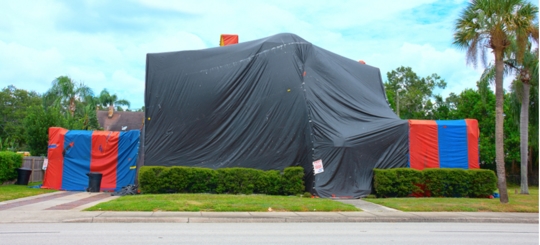
Thinking about tenting your house but unsure how much it will cost? You’re not alone.
Knowing the price upfront can help you plan better and avoid surprises. Whether you’re dealing with pests or mold, tenting is a big step—and understanding the expenses involved is key. You’ll discover what affects the cost, how to prepare your home, and tips to get the best value for your money.
Keep reading to make the smartest choice for your home and your budget.
Factors Affecting Tenting Costs
Tenting a house is a process used to fumigate and protect your home. The cost can vary widely. Several factors affect how much you will pay.
Understanding these factors helps you plan your budget better. It also ensures you get the right service for your needs.
House Size And Layout
The size of your house is one of the main factors in tenting costs. Larger homes need more materials and time to cover. The layout also matters because complex shapes take more effort.
Extent Of Fumigation Needed
The level of infestation affects the cost of fumigation. If pests are in many areas, it will take longer and require more chemicals. Sometimes, repeated treatments are necessary.
- Light infestation: Basic tenting and fumigation
- Moderate infestation: Extra chemicals and time
- Heavy infestation: Multiple treatments and inspections
Local Labor Rates
Labor costs vary by location. Cities with higher wages tend to charge more for fumigation. Rural areas might have lower rates but fewer specialists available.
Material Quality And Type
Different materials are used to tent a house. Higher-quality materials cost more but offer better protection. Some types also affect how long the tent can stay up.
| Material Type | Cost Level | Protection Duration |
| Standard Plastic Sheeting | Low | Short-term |
| Heavy-Duty Plastic | Medium | Medium-term |
| Reinforced Tarps | High | Long-term |
Additional Services
Extra services can add to the cost. These include cleaning, repairing damages, and removing debris after fumigation. Some companies offer full packages with these options.
- Post-fumigation cleaning
- Structural repairs
- Disposal of contaminated materials
- Follow-up inspections

Credit: moderntentcamping.com
Average Cost Breakdown
Tenting a house is essential for effective pest control. Costs vary based on house size and other factors.
Understanding the cost breakdown helps homeowners plan their budget efficiently. Here is a detailed look at the expenses involved.
Small Houses
Small houses usually incur the lowest tenting costs. These homes are often up to 1,500 square feet.
The average cost for tenting a small house ranges between $1,000 and $2,500.
- Fumigation: $800 – $1,500
- Inspection fees: $200 – $500
- Permit charges: $50 – $100
Medium Homes
Medium homes are typically between 1,500 and 2,500 square feet. Costs rise with increased space.
Expect to pay between $2,500 and $4,000 for tenting a medium-sized home.
- Fumigation: $1,500 – $2,500
- Inspection fees: $300 – $600
- Permit charges: $75 – $150
Large Properties
Large properties exceed 2,500 square feet. They require more resources for tenting.
The cost for tenting a large property often ranges from $4,000 to $7,500.
- Fumigation: $3,000 – $5,500
- Inspection fees: $500 – $800
- Permit charges: $100 – $200
Extra Fees To Consider
There may be additional fees beyond basic costs. These can influence your budget.
Consider these potential extra fees when planning for tenting expenses.
- Emergency service fees: $200 – $500
- Alternative lodging during treatment: $100 – $300 per night
- Post-tenting cleaning services: $200 – $400
Diy Vs Professional Tenting
Tenting a house protects it from pests like termites. You can do it yourself or hire a professional. Choosing the right option depends on safety, cost, and results.
This guide compares DIY and professional tenting. It covers safety, effectiveness, cost, and when to call experts.
Safety Concerns
Tenting uses strong chemicals that can harm people and pets. Proper safety gear and training are needed to handle these chemicals safely.
Professionals have the right equipment and experience to protect everyone. DIY tenting can be risky without proper knowledge and tools.
- Professionals wear protective suits and masks
- They follow strict safety rules
- DIYers risk chemical exposure and accidents
- Proper ventilation is needed during and after tenting
Effectiveness And Efficiency
Professional tenting usually delivers better results. They use strong chemicals and cover the house fully to kill pests.
DIY tenting may miss spots or use less effective products. It takes more time and effort without expert skills.
- Professionals ensure complete coverage
- They apply the right chemical doses
- DIY may lead to incomplete pest control
- Professionals finish the job faster
Cost Comparison
DIY tenting costs less upfront. You pay for materials and equipment only. But mistakes can cause extra costs later.
Professional tenting costs more. It includes labor, equipment, and chemicals. The price often reflects better safety and results.
| Cost Aspect | DIY | Professional |
|---|---|---|
| Materials | Low cost | Included in service |
| Labor | Your time | Paid experts |
| Equipment | Buy or rent | Provided |
| Safety gear | Must buy | Included |
| Risk of errors | Higher | Lower |
When To Hire Experts
Hire professionals if you want safe and thorough tenting. Large homes or severe infestations need expert care.
Also call experts if you lack proper gear or knowledge. They handle permits and cleanup, saving you time and stress.
- Big homes with complex layouts
- Heavy pest infestations
- No safety equipment
- Need fast and effective results
- Want legal and safe handling

Credit: americantent.com
Preparation Steps Before Tenting
Tenting a house requires careful preparation. Proper steps help ensure safety and success.
These steps protect your home, belongings, and family during the tenting process.
Clearing The Premises
Remove all items around your home that could block workers or catch chemicals. Keep the area clear to allow easy access.
- Move outdoor furniture away from the walls
- Pick up toys and garden tools
- Store grills and firewood elsewhere
- Trim bushes and low branches near the house
Removing Pets And Plants
Pets and plants are sensitive to chemicals used in tenting. They must be moved to safe places before the process starts.
| Item | Action |
| Pets | Take to a friend’s house or boarding facility |
| Indoor plants | Place outside the house or in a safe room |
| Outdoor plants near the house | Cover with plastic sheets or move temporarily |
Securing Food And Utensils
Keep food and utensils away from the tented area to avoid contamination. Store them safely before tenting begins.
- Remove all food from cabinets and counters
- Seal leftover food in airtight containers
- Take dishes and cooking tools out of the house if possible
- Clean kitchen surfaces thoroughly
Planning For Temporary Relocation
Tenting requires you to leave your home for a few days. Plan where you will stay during this time.
Consider these points for your temporary stay:
- Find a nearby hotel or stay with family
- Pack necessary clothing and personal items
- Keep important documents and medications accessible
- Arrange transportation to and from your temporary location
Expert Tips For Cost Savings
Tenting a house can protect it from pests and damage. The cost varies by size and location. Saving money needs smart planning and choices.
This guide shares simple tips to lower tenting costs without losing quality. Use these ideas to get the best value for your money.
Scheduling Off-season Treatments
Choose off-season times for tenting to get lower prices. Pest control companies have less work then and may offer discounts. Avoid peak seasons like spring and summer.
Plan your tenting during fall or winter. This saves money and still protects your home well.
Comparing Multiple Quotes
Get quotes from several companies before deciding. Prices and services differ a lot. Comparing helps you find the best deal and avoid high charges.
- Ask for detailed estimates
- Check what each service includes
- Look for hidden fees
- Read reviews or ask for references
- Consider company experience and licenses
Bundling Pest Control Services
Combine tenting with other pest control services to save more. Many companies offer packages that cost less than buying services separately.
| Service Bundle | Typical Savings | Benefits |
| Tenting + Termite Inspection | 10-15% | Early detection and treatment |
| Tenting + Annual Pest Control | 15-20% | Year-round protection |
| Tenting + Rodent Control | 10% | Comprehensive pest management |
Maintaining Your Home Post-treatment
Keep your home clean and dry after tenting. Proper care extends treatment effects and lowers future costs.
- Fix leaks and moisture problems
- Seal cracks and holes in walls
- Remove wood debris near the house
- Keep gutters clean
- Schedule regular pest inspections

Credit: www.davistent.com
Common Questions About House Tenting
House tenting is a common way to remove pests like termites. Many homeowners want to know what to expect before and after tenting. This guide answers some of the most common questions.
Understanding the process helps you prepare your home and family. Here are clear answers to popular questions about tenting a house.
How Long Does Tenting Take?
Tenting a house usually takes about two to three days. The actual fumigation lasts around 24 to 48 hours. The rest of the time is for setting up and airing out the house.
You cannot stay inside during the fumigation. After the process, the house needs to be aired out to clear the chemicals.
Is Tenting Safe For Families?
Tenting is safe when done by professionals. The chemicals used can be harmful if not handled properly. Families must leave the house during the process.
After airing out, the house is safe to return to. It is important to follow all safety instructions from the pest control company.
How Often Should You Tent?
Most homes only need tenting once to remove pests. Repeat treatments depend on the level of infestation and local conditions. Some areas may require yearly checks.
- One-time tenting usually solves the problem
- Follow-up treatments may be needed for severe infestations
- Regular inspections help prevent new pest problems
What To Expect After Treatment
After tenting, you will need to air out your home for several hours. The pest control team will check that the house is safe before you return.
Some pests may die inside walls or wood. You might notice dead insects around the home. It is normal and means the treatment worked.
Frequently Asked Questions
How Much Does House Tenting Cost On Average?
House tenting typically costs between $1,000 and $3,000. Prices vary based on house size, location, and pest severity. Additional fees may apply for prep work or follow-up treatments. Getting quotes from local professionals ensures an accurate estimate for your needs.
What Factors Influence The Cost Of Tenting A House?
Cost depends on house size, pest infestation level, and chemical types used. Location and accessibility also affect pricing. Larger homes or severe infestations require more labor and materials. Always request detailed quotes to understand all cost components before hiring.
Is Tenting Necessary For All Pest Infestations?
Tenting is usually required for severe termite or bed bug infestations. Minor pest problems often need less invasive treatments. A professional inspection can determine if tenting is the best solution for your specific situation.
How Long Does Tenting A House Usually Take?
The tenting and fumigation process typically takes 2 to 3 days. This includes preparation, sealing the house, fumigation, and airing out afterward. Some treatments may require residents to vacate for safety reasons during this period.
Conclusion
Tenting a house helps protect it from pests and damage. Costs vary based on size, location, and treatment needed. Plan your budget by getting multiple quotes from local companies. Choosing a reliable service ensures safety and quality work. Remember, investing in proper tenting can save money in the long run.
Stay informed and pick the best option for your home. Simple steps lead to a pest-free, healthy living space.