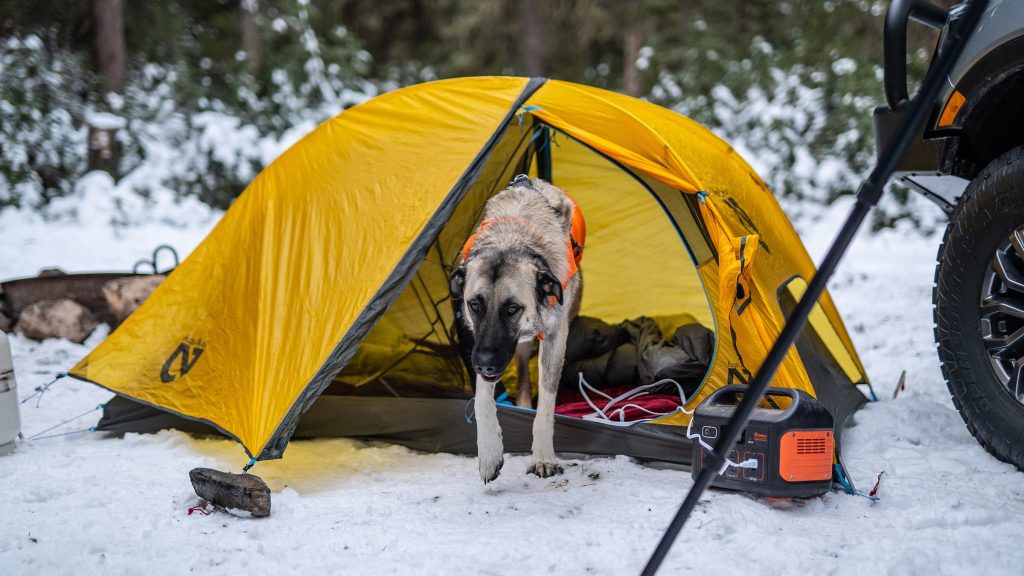
Imagine settling into your tent on a chilly night, feeling the cold creep in and wishing you had a way to warm up—without relying on electricity. You want to stay cozy and comfortable, but how?
Heating a tent without electricity might sound tricky, but it’s easier than you think. You’ll discover simple, safe, and effective ways to keep your tent warm using easy-to-find materials and smart techniques. Keep reading, and you’ll learn how to enjoy your outdoor adventures without shivering through the night.
Choosing The Right Tent
Heating a tent without electricity needs careful planning. The right tent can keep you warm and safe. Choosing the correct features is important for cold weather.
This guide focuses on two key parts: insulated tent materials and tent size with ventilation. Both affect how well your tent holds heat.
Insulated Tent Materials
Insulated materials help keep warmth inside your tent. Look for tents made with thick fabrics. These fabrics reduce heat loss and block cold wind.
- Polyester with a thermal coating keeps heat better than nylon.
- Double-layer tents trap more warm air inside.
- Tents with built-in insulation layers provide extra warmth.
- Water-resistant fabrics prevent cold moisture from entering.
Tent Size And Ventilation
Choose a tent size that fits your group but is not too large. A smaller tent is easier to keep warm. Ventilation is also important to avoid moisture buildup.
| Factor | Consideration |
| Tent Size | Small to medium size keeps heat better |
| Ventilation Openings | Adjustable vents prevent condensation but keep warmth |
| Door Type | Single door reduces cold air entry |
| Ceiling Height | Lower ceilings retain heat more effectively |
Using Portable Camping Stoves
Keeping your tent warm without electricity is possible. Portable camping stoves are a great option. They provide heat and are easy to carry.
It’s important to use the right stove safely. This ensures a warm and safe camping experience.
Safe Stove Types
There are different types of camping stoves. Choose one that is safe for your tent.
- Propane stoves are easy to use and control.
- Butane stoves are lightweight and portable.
- Alcohol stoves are simple and reliable.
Proper Ventilation Techniques
Ventilation is crucial when using a stove in your tent. It helps prevent dangerous fumes from building up.
Make sure to open a window or vent. This allows fresh air to circulate.
- Keep a vent open to let out fumes.
- Use a carbon monoxide detector for safety.
- Never leave the stove unattended.
Heat Packs And Warmers
Keeping warm inside a tent without electricity can be hard. Heat packs and warmers help you stay cozy.
These small items create heat safely and can last for hours. They are easy to carry and use.
Reusable Heat Packs
Reusable heat packs use a special liquid and a metal disk. When you click the disk, it starts a chemical reaction.
This reaction creates heat that lasts up to 30 minutes or more. You can boil the pack to reset it and use again.
- Safe and easy to use multiple times
- Can be warmed by boiling water
- Portable and lightweight
- Good for warming hands and feet
Chemical Warmers
Chemical warmers use iron powder, salt, and water inside a pouch. When exposed to air, they slowly heat up.
These warmers usually last several hours and work well for keeping body parts warm. They are disposable but effective.
- Activate by shaking or opening the package
- Heat lasts up to 8-10 hours
- Good for pockets, gloves, and boots
- Single-use and lightweight
Body Heat And Layering
Staying warm in a tent without electricity needs smart use of your own body heat. Layering clothes and using the right gear helps keep heat inside.
Body heat is one of the best heat sources. Wearing proper layers traps warm air close to your skin. This stops cold air from cooling you down.
Thermal Clothing Tips
Wear several thin layers instead of one thick layer. Each layer holds heat and moves sweat away from your skin. This keeps you dry and warm.
- Start with a moisture-wicking base layer
- Add an insulating middle layer like fleece or wool
- Use a windproof outer layer to block cold air
- Wear a hat and gloves to reduce heat loss
- Use thermal socks and insulated boots for feet
Sleeping Bag Selection
Pick a sleeping bag that fits the temperature and your size. A good sleeping bag traps your body heat and stops cold air from coming in.
| Type | Temperature Range | Best Use |
| Down Sleeping Bag | -10°F to 20°F | Cold, dry weather |
| Synthetic Sleeping Bag | 20°F to 40°F | Wet or damp conditions |
| Double Sleeping Bag | -10°F to 30°F | Extra warmth for two |
| Quilt | 30°F to 50°F | Mild weather and layering |
Diy Tent Heaters
Keeping warm in a tent without electricity is possible. Simple DIY heaters can help you stay cozy. These methods use common items and safe practices.
Two popular options are hot water bottles and candle heaters. Both provide heat without needing power. They are easy to make and carry.
Hot Water Bottles
Hot water bottles are great for warming a small space like a tent. Fill a sturdy bottle with hot water and seal it tightly. Place it inside your sleeping bag or near you for warmth.
- Use a durable bottle with a secure cap.
- Fill with water heated over a camp stove or fire.
- Wrap the bottle in a cloth to avoid burns.
- Replace the water as it cools down.
- Keep the bottle away from flammable materials.
Candle Heaters
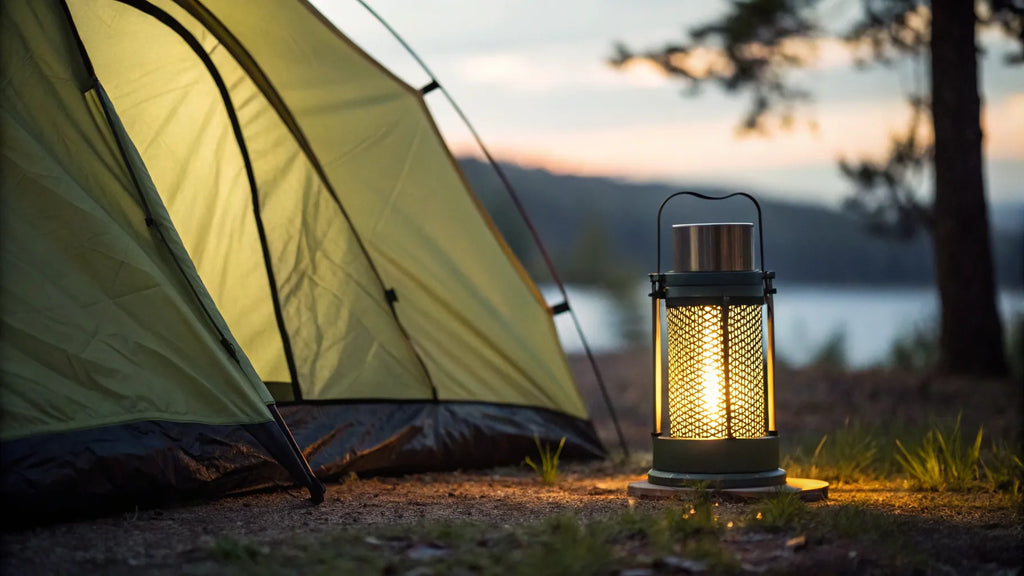
Candle heaters use the heat from a candle to warm the tent air. You can create a simple heater using a few household items. Always watch candles carefully to prevent fire.
| Item | Purpose |
|---|---|
| Candle | Heat source |
| Metal container | Holds candle safely |
| Small clay pot | Radiates heat |
| Metal stand | Keeps pot above candle |
Light the candle and place it under the clay pot on the metal stand. The pot will get warm and spread heat.
Credit: www.battlbox.com
Using Natural Heat Sources
Keeping warm in a tent without electricity requires smart use of natural heat sources. You can use heat reflection and sunlight to stay cozy. These methods use the environment to increase warmth inside your tent.
By understanding where and how to place your tent, and using simple materials, you can make your camping experience more comfortable. The tips below explain two easy ways to use natural heat sources.
Campfire Heat Reflection
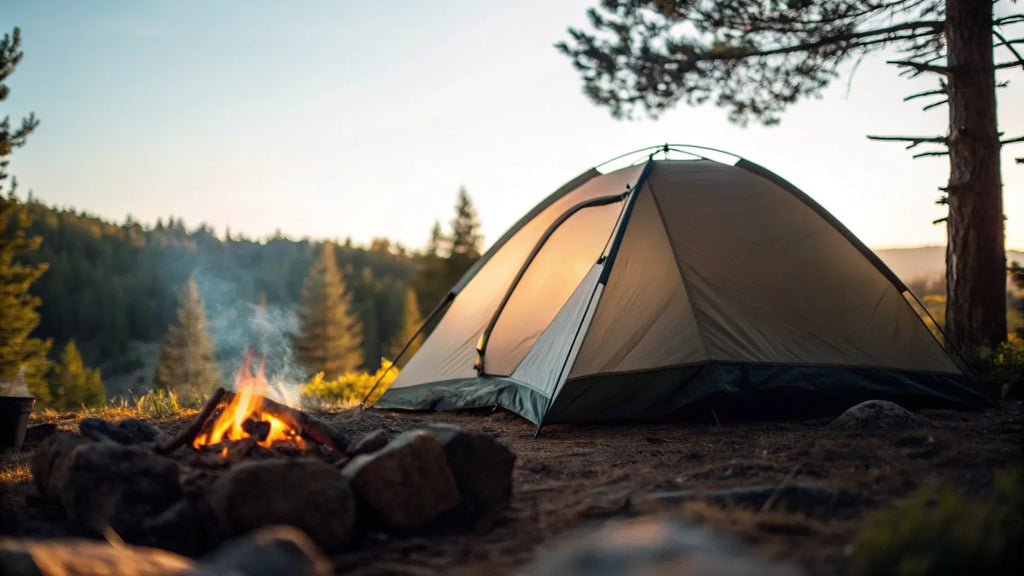
Campfires give off heat that can warm your tent if you position it correctly. Using reflective materials helps send more heat your way. This method works best when the fire is close but safe.
- Place the campfire upwind from your tent to avoid smoke.
- Use a reflective blanket or aluminum foil around the fire to direct heat.
- Set your tent near the fire but far enough to prevent sparks or damage.
- Create a heat reflector by placing a board behind the fire covered with a reflective surface.
- Keep the fire size moderate to maintain steady warmth without risk.
Sunlight And Tent Placement
Sunlight can warm your tent during the day. Placing your tent in the right spot helps trap this heat inside. Use natural features to block cold winds and increase warmth.
| Tip | Reason |
|---|---|
| Face your tent door toward the sun | Allows sunlight to enter and warm the tent interior |
| Choose a spot near rocks or trees | They absorb heat and block cold winds |
| Set up on higher ground | Cold air sinks, so higher areas stay warmer |
| Use darker colored tent materials | Darker colors absorb more heat from sunlight |
| Open tent flaps during the day | Let in sunlight and fresh warm air |
Safety Precautions
Heating a tent without electricity can keep you warm in cold weather. It is very important to follow safety rules. This helps prevent accidents and injuries.
Always think about the risks before using any heat source inside a tent. Careful planning keeps you and others safe.
Carbon Monoxide Risks
Carbon monoxide is a colorless gas that can cause sickness or death. It comes from burning fuels like gas, wood, or charcoal.
Never use fuel-burning heaters in a closed tent. Poor ventilation lets carbon monoxide build up inside.
- Always leave a tent window or door slightly open.
- Use carbon monoxide detectors if possible.
- Choose heaters designed for indoor use and vented properly.
Fire Prevention Tips
Heat sources can start fires if not used carefully. Keep flammable items far from any heater or open flame.
Be ready to put out a fire quickly. Always have water or a fire extinguisher nearby.
- Use only safe, stable heaters made for tents.
- Place heaters on flat, hard surfaces away from tent walls.
- Never leave heaters unattended while they are on.
- Keep blankets, clothes, and paper away from heat sources.
- Extinguish all flames before sleeping or leaving the tent.
Credit: www.battlbox.com

Credit: www.reddit.com
Frequently Asked Questions
How Can I Heat A Tent Without Electricity Safely?
Use portable propane heaters designed for tents. Ensure proper ventilation to prevent carbon monoxide buildup. Always follow manufacturer instructions and never leave heaters unattended to maintain safety.
What Are The Best Fuel Sources For Heating Tents?
Propane and butane are common and efficient fuel sources. They provide consistent heat and are portable. Avoid open flames and opt for certified camping heaters for safety.
Can Body Heat Effectively Warm A Tent?
Yes, body heat helps retain warmth in a small tent. Use insulated sleeping bags and close tent flaps to trap heat. Sharing a tent also increases warmth naturally.
How Does Layering Help Keep A Tent Warm?
Layering with blankets, rugs, and insulation reflects heat inside the tent. It prevents cold air from entering and keeps warmth trapped. Use thermal liners or foam pads for added insulation.
Conclusion
Keeping your tent warm without electricity is possible and safe. Use natural heat sources like body warmth, hot water bottles, or carefully placed candles. Dress in layers and choose good sleeping bags to stay cozy. Always prioritize safety to avoid fire risks.
These simple tips help you enjoy camping in cold weather. Stay warm and enjoy your outdoor adventure!