Are you ready to make your next fishing trip a success? One of the most important steps before you cast your line is knowing how to load fishing line on a reel correctly.
If you get this part wrong, you could face tangles, weak casts, or even lost fish. But don’t worry—this guide will walk you through each step in a simple and clear way. By the end, you’ll feel confident and prepared to get your reel set up perfectly every time.
Keep reading to master this essential fishing skill and improve your time on the water.
Credit: monsterbass.com
Choosing The Right Fishing Line
Picking the right fishing line is key for a good fishing experience. The line affects how you cast and how well you catch fish.
Knowing the types of fishing lines and how to match them to your reel helps you fish better. This guide explains the basics.
Types Of Fishing Line
There are three main types of fishing line: monofilament, fluorocarbon, and braided. Each type has its own uses and strengths.
- Monofilament:Easy to handle and stretchable. Good for beginners.
- Fluorocarbon:Almost invisible underwater. Great for clear water fishing.
- Braided:Very strong and thin. Best for heavy cover and long casting.
Line Strength And Diameter
Line strength is measured in pounds and shows how much weight it can hold before breaking. Diameter affects how the line runs through the rod guides.
| Line Type | Strength Range (lbs) | Diameter Range (inches) |
| Monofilament | 4 – 30 | 0.008 – 0.035 |
| Fluorocarbon | 6 – 40 | 0.007 – 0.033 |
| Braided | 10 – 80 | 0.006 – 0.040 |
Matching Line To Reel
Your reel has limits on how much line and what strength it can hold. Check the reel’s specifications before choosing your line.
- Look for line capacity details on your reel spool.
- Choose a line strength suitable for the fish you want to catch.
- Make sure the line diameter fits your reel guides and spool size.
Preparing Your Reel
Loading fishing line on a reel starts with preparing the reel properly. A clean and well-checked reel makes the process easier. It also helps prevent problems while fishing.
Focus on three main tasks before loading the line: cleaning the reel, checking the spool, and setting the drag. Each step ensures your reel works smoothly.
Cleaning The Reel
Dirt and salt can damage your reel. Clean it before putting on new line. Use a soft cloth to wipe the reel body. For tough spots, use mild soap and water.
- Remove old line and debris
- Wipe the reel with a damp cloth
- Dry the reel completely
- Apply reel oil to moving parts
Checking The Spool
The spool holds the fishing line. Check it for damage or wear. A smooth spool lets the line wind evenly. Replace the spool if it has cracks or deep scratches.
| Spool Condition | Action Needed |
| Clean and smooth | Ready to use |
| Minor dirt or dust | Clean before loading |
| Cracks or deep scratches | Replace spool |
Setting The Drag
The drag controls how much resistance the fish feels on the line. Set it properly before loading line. Adjust the drag knob until it feels tight but allows some give.
Follow these tips for drag setting:
- Turn the drag knob clockwise to increase resistance.
- Turn it counterclockwise to decrease resistance.
- Test the drag by pulling on the line with your hand.
- Adjust until the line slips at the right tension for your fishing style.
Attaching The Line To The Spool
Properly attaching the fishing line to the spool is crucial. It ensures smooth casting and prevents tangles.
Let’s explore how to tie the line securely so you can enjoy your fishing experience.
Tying The Arbor Knot
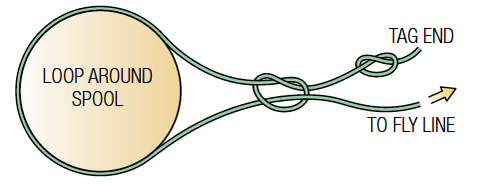
The arbor knot is essential for securing the line to the spool. It is simple and effective.
- Wrap the line around the spool.
- Tie a simple overhand knot around the standing line.
- Tie a second overhand knot in the tag end.
- Pull the standing line to slide the first knot down to the spool.
- Trim the excess tag end close to the knot.
Securing The Line Properly
Once the knot is tied, it’s important to ensure the line is secure. This prevents slippage during use.
| Step | Description |
| 1 | Check the knot for tightness |
| 2 | Ensure the line is evenly wrapped |
| 3 | Test the line by pulling gently |

Credit: anglersresource.net
Spooling The Line Correctly
Loading fishing line on a reel is important for good fishing. Spooling the line correctly helps you avoid problems on the water.
Proper spooling keeps the line strong and ready for casting. It also prevents tangles and line damage.
Maintaining Line Tension
Keep steady tension on the line while spooling. This stops the line from becoming loose or uneven.
You can hold the line between your fingers or use a cloth to add friction. Make sure the line feeds smoothly onto the reel.
- Apply light pressure to the line
- Keep tension steady from start to finish
- Check for slack line often
Winding The Line Evenly
Wind the line evenly across the spool. This creates a smooth surface for casting and retrieving.
Move the line back and forth gently as you spool. Avoid piling the line in one spot to prevent tangles.
- Turn the reel handle slowly
- Guide the line with your fingers
- Fill the spool about 80% full
Avoiding Twists And Tangles
Line twists cause knots and weak spots. Avoid them by letting the line flow straight from the spool.
Check the line for twists before spooling. Use swivel connectors if needed to reduce twisting.
- Keep the line spool facing the right direction
- Use a swivel to prevent line twist
- Stop spooling if you see loops or twists
Finishing Up
After loading your fishing line on the reel, it is important to finish the process carefully. Proper finishing keeps the line secure and ready for use.
Follow these final steps to ensure your reel works well and lasts longer.
Trimming Excess Line
Cut off the extra line that sticks out past the reel spool. Leaving excess line can cause tangles and knots.
Use sharp scissors or line cutters to get a clean cut near the reel lip.
Checking Line Capacity
Make sure the line does not overflow the spool. Too much line can cause problems while casting.
- The line should be level with the spool edge or slightly below it.
- Check your reel’s specifications for the recommended line amount.
- Adjust if needed by removing or adding line.
Testing The Setup
After finishing, pull some line from the reel to test its smoothness. The line should move easily without catching.
Try a few practice casts to feel how the line performs. Fix any issues before going fishing.
Tips For Long-lasting Spooling
Loading fishing line on a reel correctly helps it last longer. Proper spooling prevents tangles and breaks.
Use the right tension and avoid overfilling the reel spool. These steps keep your line smooth and strong.
Storage Recommendations
Store your fishing reel in a cool, dry place. Avoid direct sunlight to prevent line damage.
Keep the reel covered or inside a protective case. This stops dust and dirt from affecting the line.
- Keep reels away from heat and moisture
- Use reel covers or bags for protection
- Store reels off the ground to avoid dirt
Regular Line Maintenance
Check your fishing line often for damage or wear. Clean the line with fresh water after each use.
Dry the line fully before storing it. This helps prevent mold and line weakening over time.
- Inspect for nicks, cracks, or frays
- Rinse line with fresh water after fishing
- Let line dry completely before storage
When To Replace The Line
Replace the fishing line if it shows signs of damage. Old line can break easily and spoil your fishing.
Change line after heavy use or exposure to sun and saltwater. Regular replacement keeps your gear reliable.
- Replace if the line is faded or brittle
- Change after a big catch or snag
- Swap line yearly for regular anglers

Credit: www.youtube.com
Frequently Asked Questions
How Do I Prepare My Reel For Fishing Line Loading?
Start by cleaning the reel and removing old line. Check the spool for damage. Attach the reel firmly to the rod for stability. This ensures smooth line loading and prevents tangles.
What Type Of Fishing Line Suits My Reel?
Choose a line compatible with your reel’s capacity and fishing style. Monofilament works well for beginners. Braided lines offer strength for heavy fishing. Check reel specifications for line weight limits.
How Much Fishing Line Should I Put On The Reel?
Fill the spool to about 1/8 inch below the rim. Overfilling can cause tangles, while underfilling reduces casting distance. Follow your reel’s manual for exact capacity recommendations.
How Do I Avoid Line Twists When Loading The Reel?
Place the line spool so it spins the same direction as the reel. Keep tension on the line while winding. This prevents twists and ensures smooth casting and retrieval.
Conclusion
Loading fishing line on a reel is simple with practice. Follow the steps carefully for a smooth setup. Check the line tension to avoid tangles or breaks. Use the right line type for your fishing needs. Keep your reel clean and well-maintained for best results.
A properly loaded reel improves your fishing experience. Try it a few times to build confidence. Enjoy your time on the water with a ready reel. Fishing becomes more fun when gear works well.