Are you wondering how much car insurance in Texas will actually cost you? Whether you’re buying your first policy or looking to switch providers, knowing what to expect can save you time and money.
The price you pay for car insurance isn’t one-size-fits-all—it depends on several key factors that directly affect your rates. You’ll discover the real numbers behind Texas car insurance, learn what influences your premium, and find tips to get the best deal possible.
Keep reading to take control of your car insurance costs and make smart choices for your budget.
Average Car Insurance Rates In Texas
Understanding the average car insurance rates in Texas can feel like navigating a complex road map. Yet, it’s a necessary journey for anyone looking to keep their finances in check while ensuring they’re adequately covered. The rates vary widely, influenced by an array of factors unique to the Lone Star State.
Comparison With National Averages
Texas car insurance rates tend to sit slightly above the national average. This might surprise you, considering Texas’s vast landscapes and sprawling cities. For example, while the national average for full coverage hovers around $1,450 annually, Texas drivers often find themselves paying closer to $1,750.
It’s interesting to note that even within the state, rates can differ significantly. Cities like Houston and Dallas typically see higher premiums due to traffic congestion and accident rates. Have you checked how your city’s rates compare?
Factors Influencing Texas Rates
Several key factors play into why Texans pay what they do for car insurance. First, the state’s high population density in urban areas leads to more accidents, impacting premiums. More traffic often means more claims.
Additionally, weather conditions in Texas, from hailstorms to hurricanes, contribute to higher rates. Insurers take these potential risks into account when calculating your premium. Have you considered how weather might affect your insurance costs?
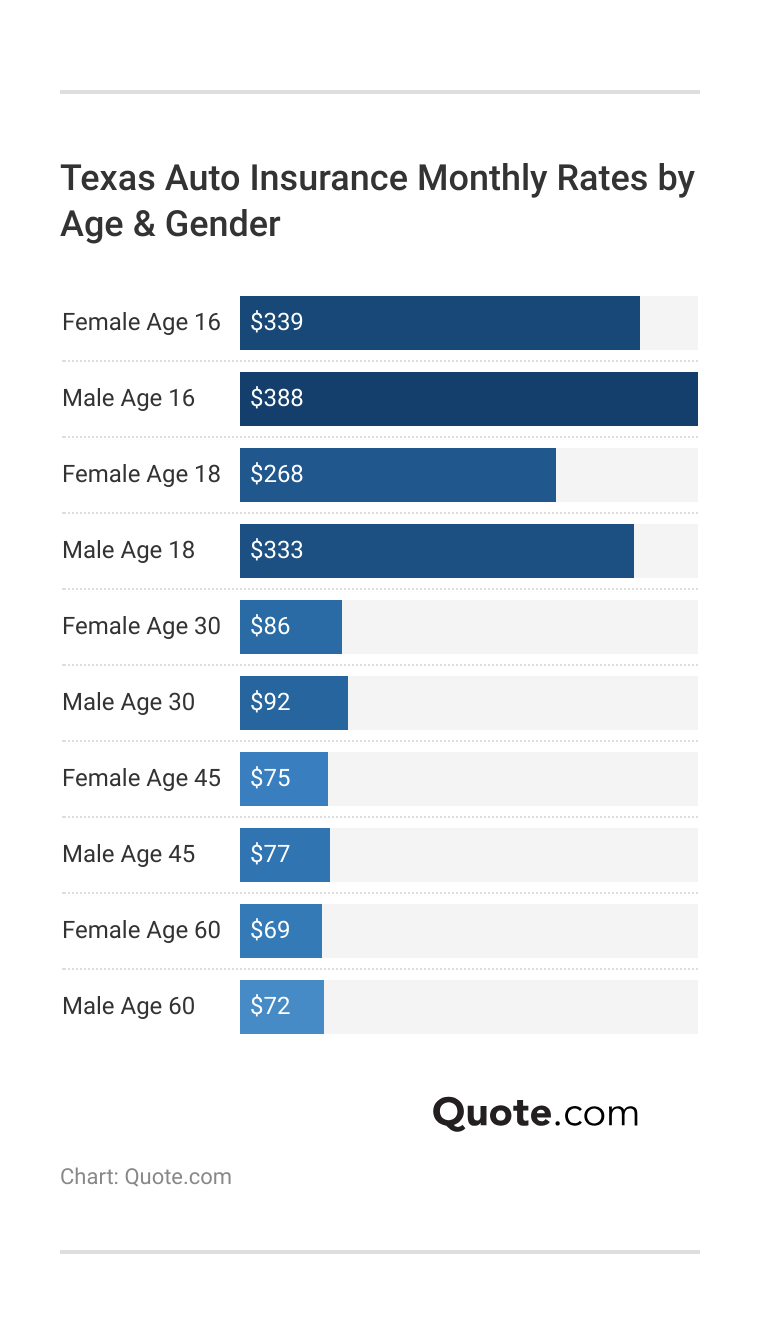
Your driving record, age, and vehicle type are also crucial. A clean record can significantly lower your rates, while younger drivers often face higher premiums. How does your driving history stack up?
Ultimately, understanding these factors can empower you to make informed decisions about your car insurance. Are you ready to tackle the Texas car insurance landscape with confidence?
Key Factors Affecting Insurance Costs
Understanding what drives your car insurance costs in Texas can help you make smarter choices. Several key factors play a role in determining your premium. Knowing these can save you money and keep your coverage tailored to your needs.
Driver’s Age And Experience
Your age and how long you’ve been driving directly impact your insurance rate. Younger drivers, especially teens, often pay more because they statistically have more accidents. On the other hand, seasoned drivers with years of clean records usually enjoy lower premiums.
Think about your own driving history—have you gained enough experience to qualify for discounts? Insurers reward safe driving habits and time behind the wheel, so even a few years can make a difference.
Vehicle Type And Usage
The kind of car you drive and how you use it matter a lot. Sports cars or luxury vehicles often cost more to insure because they are expensive to repair and more likely to be stolen. Meanwhile, everyday sedans or compact cars usually come with lower rates.
How you use your vehicle also counts. If you drive long distances daily, you might face higher premiums due to increased risk. Conversely, a car mainly used for short, occasional trips might cost less to insure.
Location And Driving Record
Your zip code can affect your insurance costs more than you might expect. Urban areas with heavy traffic and higher crime rates typically lead to higher premiums. Rural locations often have fewer accidents and thefts, which can lower your rates.
Your driving record plays a critical role too. Tickets, accidents, or claims in your past can raise your insurance costs significantly. Are you aware of how your record looks to insurers? Staying clean behind the wheel is one of the most effective ways to keep rates down.
Types Of Coverage And Their Costs
Understanding the types of car insurance coverage and their costs is essential to make informed decisions about your policy in Texas. Each coverage type serves a specific purpose and affects your premium differently. Knowing what you need can save you money and protect you from unexpected expenses.
Liability Insurance
Liability insurance is mandatory in Texas and covers injuries or damages you cause to others in an accident. It includes two parts: bodily injury and property damage. The average cost for liability coverage ranges from $300 to $700 per year, but it can vary based on your driving history and vehicle type.
Think about how much coverage you really need. Opting for minimum limits might save money upfront but could leave you exposed to high out-of-pocket costs if you’re at fault in a serious accident.
Comprehensive And Collision
These coverages protect your own vehicle. Collision insurance pays for damages from accidents, while comprehensive covers non-collision events like theft, vandalism, or natural disasters. Adding both can increase your premium by $200 to $500 annually, depending on your car’s value and deductible choices.
If your car is older, you might question whether paying extra for these coverages makes sense. Ask yourself: would the payout exceed the premium and deductible combined?
Uninsured Motorist Protection
Uninsured Motorist (UM) coverage protects you if you’re hit by a driver without insurance or insufficient coverage. Texas law doesn’t require UM insurance, but it’s highly recommended. The cost usually adds about $50 to $150 to your yearly premium.
Consider how common uninsured drivers are on Texas roads. Would you want peace of mind knowing you’re covered even if the other driver can’t pay?
Credit: www.quote.com
Impact Of Discounts And Bundles
Discounts and bundles can significantly affect how much you pay for car insurance in Texas. These savings lower your premiums and make your overall coverage more affordable. Understanding the types of discounts available helps you choose the best options and avoid overpaying.
Multi-policy Discounts
Many insurers offer discounts if you combine your car insurance with other types of coverage, like homeowners or renters insurance. This bundling often cuts your total premium by 10% to 25%. I once saved nearly $200 a year simply by bundling my auto and home policies with the same company.
Are you currently buying insurance from multiple providers? Consolidating your policies could free up some extra cash without reducing your coverage.
Safe Driver Discounts
Insurance companies reward drivers who maintain a clean driving record. No accidents or tickets for several years usually qualifies you for discounts between 10% and 30%. Some insurers even offer discounts for completing defensive driving courses.
Think about your driving habits. Could a safe driver discount lower your rate? It’s worth asking your insurer what documentation they need to qualify.
Other Savings Opportunities
Besides the common discounts, you might find savings linked to your profession, vehicle safety features, or even low mileage. For example, some Texas insurers provide discounts for teachers, military members, or drivers who stay under 10,000 miles a year.
Check if your car has anti-theft devices or airbags. These features often qualify you for additional savings. Do you know all the discounts your insurer offers? Sometimes a quick phone call can uncover hidden discounts you didn’t realize you were eligible for.
Ways To Lower Your Texas Car Insurance
Lowering car insurance costs in Texas is possible with smart choices. Small changes can save you money. Focus on habits, coverage, and shopping strategies. These areas impact your insurance rates the most.
Improving Your Driving Habits
Safe driving reduces accident risks and lowers premiums. Avoid speeding tickets and traffic violations. Consistent safe driving builds a good record. Insurance companies reward drivers with fewer claims. Use defensive driving techniques daily. Consider taking a defensive driving course. It can lead to discounts and better rates.
Choosing The Right Coverage
Select coverage that fits your needs without overspending. Avoid paying for unnecessary extras. Understand the difference between liability, collision, and comprehensive coverage. Adjust your deductible to balance monthly costs and out-of-pocket expenses. Bundling car insurance with other policies may reduce rates. Review your policy annually to update coverage.
Shopping Around And Comparing Quotes
Compare quotes from multiple insurers regularly. Rates vary widely between companies. Use online tools to get fast quotes. Ask about discounts for good driving records, safety features, or low mileage. Don’t settle for the first offer. Take time to evaluate coverage and costs carefully. Switching providers can often lead to significant savings.

Credit: insuraviz.com
Shocking Statistics And Real-life Examples
Understanding the true cost of car insurance in Texas means looking beyond average rates. Shocking statistics and real-life stories reveal how your zip code, driving history, and even unexpected events can drastically change what you pay. These insights help you prepare and possibly save more than you expect.
High-cost Areas In Texas
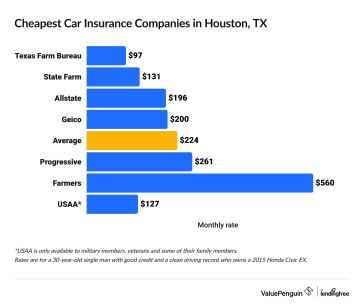
Not all Texas cities charge the same for car insurance. Areas like Houston, Dallas, and San Antonio often report higher premiums due to traffic congestion and accident rates.
- Houston drivers pay about 20% more than the Texas average.
- In Dallas, insurance costs spike because of frequent claims related to theft and accidents.
- San Antonio’s rates climb due to a mix of urban and suburban risk factors.
If you live in a high-cost area, consider whether you can adjust your coverage or shop around for better deals. Have you checked how your neighborhood compares to others in Texas?
Unexpected Premium Increases
Many drivers are surprised when their insurance rates jump without a clear reason. Sometimes, a minor accident or even a ticket months ago can trigger a sharp increase.
One Texas driver shared how a fender bender that didn’t even cause injuries led to a 35% rise in premiums. This kind of story isn’t rare and highlights the importance of understanding policy details.
Other causes for sudden hikes include:
- Changes in credit score
- New drivers added to your policy
- Shifts in local insurance regulations
Have you reviewed your policy’s fine print lately? Sometimes small details make a big difference in what you pay.
Credit: www.usnews.com
Frequently Asked Questions
How Much Does Car Insurance Cost In Texas?
The average car insurance cost in Texas is around $1,800 per year. Rates vary based on age, driving record, and coverage level. Urban areas tend to have higher premiums due to increased accident risks.
What Factors Affect Texas Car Insurance Rates?
Factors include driver age, vehicle type, driving history, credit score, and coverage choices. Location within Texas also impacts rates, with cities generally costing more than rural areas.
Are Texas Car Insurance Rates Higher Than The National Average?
Yes, Texas rates are slightly above the national average. This is due to higher accident rates and population density. However, shopping around can help find competitive rates.
Can I Lower My Car Insurance Premium In Texas?
Yes, you can lower premiums by maintaining a clean driving record, choosing higher deductibles, bundling policies, and taking defensive driving courses. Discounts also help reduce costs.
Conclusion
Car insurance costs in Texas vary by many factors. Your age, driving history, and car type affect the price. Shopping around helps find the best rate for you. Remember to check coverage options carefully before buying. Saving money is possible with discounts and safe driving.
Stay informed to protect yourself and your vehicle well. Understanding costs makes choosing insurance easier and smarter. Keep these tips in mind for better decisions.