Is your Nissan showing the P0507 code and you’re not sure what to do next? This warning can be frustrating, but you don’t have to panic.
Understanding how to fix P0507 on your Nissan can save you time, money, and stress. You’ll discover simple steps to identify the problem and get your car running smoothly again. Keep reading to take control of your vehicle’s performance and avoid costly repairs down the road.
What Is Nissan P0507 Code
The Nissan P0507 code signals an issue with your vehicle’s idle control system. Specifically, it means the engine’s RPM is higher than the manufacturer’s set limit when the car is idling. This can affect your car’s performance and fuel efficiency, so identifying the cause is crucial for a smooth driving experience.
Symptoms Of P0507 Code
- High Idle RPM:Your engine runs faster than normal when idling, often noticeable as a rough or shaky idle.
- Engine Stalling:The engine might stall or hesitate when you come to a stop, making driving frustrating and potentially unsafe.
- Check Engine Light:The dashboard warning light will come on, indicating a problem that needs your attention.
- Poor Fuel Economy:Higher RPMs use more fuel, which can hit your wallet over time.
- Increased Engine Noise:You might hear unusual noises from the engine bay during idle.
Common Causes Of P0507
- Faulty Idle Air Control (IAC) Valve:This valve regulates the engine idle speed. If it sticks open or malfunctions, it can cause high idle.
- Vacuum Leaks:Leaks in hoses or intake manifold let extra air in, disrupting the air-fuel mix and increasing idle speed.
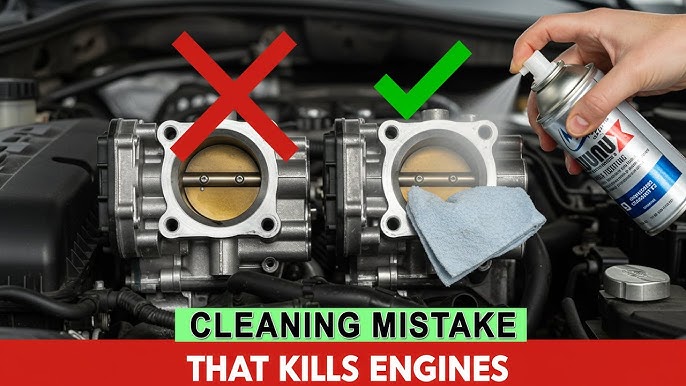
- Throttle Body Issues:Dirt or carbon buildup can cause the throttle plate to stick, raising engine RPM unexpectedly.
- Malfunctioning Sensors:Problems with sensors like the Mass Air Flow (MAF) or Throttle Position Sensor (TPS) can send wrong data, affecting idle control.
- Wiring or Connector Problems:Damaged wires or loose connections in the idle control circuit can cause irregular signals and high idle.
Have you noticed your Nissan idling too fast without explanation? Checking these causes can guide your next steps. Simple fixes like cleaning the throttle body or replacing a faulty valve often bring the idle back to normal.

Credit: www.youtube.com
Tools Needed For Fixing P0507
Fixing the P0507 code on your Nissan requires specific tools. Having the right tools makes the process easier and faster. It helps you identify the problem and repair it correctly. Below are the main tools needed for this task.
Diagnostic Tools
Diagnostic tools help find the exact cause of the P0507 code. A good OBD-II scanner reads and clears trouble codes. It shows live data from the vehicle’s sensors. This data helps check if the idle speed is too high. Some scanners also provide freeze frame data. They can reset the check engine light after repair.
- OBD-II scanner with live data display
- Code reader for Nissan vehicles
- Multimeter for electrical testing
Basic Repair Tools
Basic tools help with physical repairs and adjustments. You may need to clean or replace parts affecting idle speed. A set of screwdrivers is essential for removing covers. Wrenches and sockets help loosen or tighten bolts. Cleaning supplies remove dirt and buildup around the throttle body. Gloves protect your hands during repairs.
- Screwdriver set (flathead and Phillips)
- Socket wrench set
- Throttle body cleaner spray
- Clean cloth or rag
- Protective gloves
Step-by-step Fix For P0507
Fixing the P0507 code on a Nissan requires a clear, careful approach. This code signals a high idle issue. Understanding the cause helps restore smooth engine function. Follow these steps to find and fix the problem efficiently.
Check For Vacuum Leaks
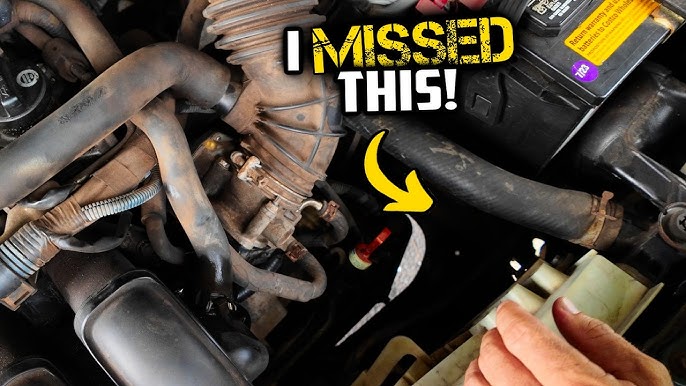
Vacuum leaks can cause the engine to idle too high. Listen for hissing sounds near the engine. Use a spray bottle with soapy water. Spray around vacuum hoses and intake areas. Bubbles form where air escapes. Replace cracked or broken hoses. Tighten loose clamps to seal leaks. This simple fix often solves the P0507 code.
Inspect Idle Air Control Valve
The Idle Air Control (IAC) valve controls engine idle speed. Remove the IAC valve carefully. Check for dirt or carbon buildup. Clean the valve with a throttle body cleaner. If the valve is damaged or worn, replace it. A faulty IAC valve can cause erratic or high idling. Testing the valve with a multimeter helps confirm its condition.
Clean Or Replace Throttle Body
The throttle body manages airflow into the engine. Dirt and grime can block airflow. Remove the throttle body for inspection. Use throttle body cleaner to remove deposits. Wipe the throttle plate and bore gently. If cleaning doesn’t help, consider replacing it. A clean throttle body keeps idle speed stable. Proper airflow prevents the P0507 code from returning.
Test And Replace Sensors If Needed
Sensors like the Mass Air Flow (MAF) and Throttle Position Sensor (TPS) affect idle speed. Use a scan tool to check sensor data. Compare readings to factory specifications. Replace any sensor showing abnormal values. Faulty sensors send wrong signals to the engine control unit. Correct sensor function ensures proper idle speed and smooth running.
Credit: www.youtube.com
Resetting The Code After Repair
After fixing the cause of the P0507 code on your Nissan, resetting the code clears the check engine light. Clearing the code helps the car’s computer start fresh. It allows the system to monitor the vehicle again for any issues. Two common ways exist to reset the code safely at home.
Using An Obd-ii Scanner
An OBD-II scanner is a tool that reads and clears engine codes. It plugs into your car’s diagnostic port. Follow these steps to reset the code:
- Locate the OBD-II port under the dashboard.
- Connect the scanner to the port.
- Turn the ignition to the ON position, but do not start the engine.
- Use the scanner to read the codes.
- Choose the option to clear or erase the codes.
- Wait for the scanner to confirm the reset.
- Turn off the ignition and disconnect the scanner.
This method is quick and safe. It also helps you check for new codes later.
Battery Disconnect Method
Disconnecting the battery resets the car’s computer by cutting power. This method clears all stored codes but also resets other settings. Follow these simple steps:
- Turn off the ignition and remove the key.
- Open the hood and locate the battery.
- Use a wrench to disconnect the negative battery terminal.
- Leave it disconnected for about 15 minutes.
- Reconnect the battery terminal securely.
- Close the hood and start the engine.
After this, the check engine light should turn off. The car’s computer will relearn driving habits over time.
Preventing P0507 Code In Future
Preventing the P0507 code from appearing again on your Nissan is all about staying ahead with simple but consistent care. This code often signals issues with the idle control system, which can usually be avoided with the right habits and maintenance. Let’s look at how you can keep your vehicle running smoothly and avoid unnecessary repairs.
Regular Maintenance Tips
Keep your Nissan’s idle system healthy by sticking to the recommended maintenance schedule. Regularly check and clean the idle air control valve—it’s a common culprit for P0507 codes if it gets clogged with dirt or carbon deposits.
Don’t skip oil changes and air filter replacements. Dirty engine oil or a clogged air filter can cause your engine to run rough and affect idle speed. Have your mechanic inspect the throttle body during routine service; a clean throttle body helps maintain steady idle RPM.
- Use quality fuel to reduce carbon buildup.
- Inspect vacuum hoses for cracks or leaks every few months.
- Replace faulty sensors promptly to prevent idle issues.
Driving Habits To Avoid
Are you someone who frequently revs the engine or lets your Nissan idle for long periods? These habits can stress the idle control system and trigger the P0507 code. Instead, avoid excessive idling—turn off your engine if you expect to be stopped for more than a minute.
Hard acceleration or rapid throttle changes can confuse the idle control system. Drive smoothly and allow the engine to warm up gradually. This reduces strain on the idle control valve and related parts.
- Avoid sudden stops and starts in heavy traffic.
- Don’t ignore dashboard warnings about engine performance.
- Use cruise control on highways to maintain steady RPMs.
Have you noticed how small changes in how you drive and maintain your car can keep costly codes like P0507 at bay? Paying attention to these details can save you time and money, and keep your Nissan’s engine running like new.

Credit: www.youtube.com
Frequently Asked Questions
What Causes P0507 Code In A Nissan?
The P0507 code indicates an issue with the idle speed control system. It’s usually caused by a vacuum leak, faulty idle air control valve, or a dirty throttle body. Regular maintenance can help prevent this issue. Checking these components should be the first step in diagnosing the problem.
How Do You Diagnose P0507 In Nissan?
To diagnose P0507, use an OBD-II scanner to read the error code. Inspect the throttle body, idle air control valve, and vacuum lines for issues. Cleaning or replacing faulty components often resolves the error. Consult a professional if you’re unsure about the diagnosis.
Can A Dirty Throttle Body Cause P0507?
Yes, a dirty throttle body can cause the P0507 code. It can disrupt the airflow, leading to higher idle speeds. Regular cleaning of the throttle body is essential to maintain optimal performance. Keeping it clean can prevent idle speed control system issues.
How To Fix A P0507 Code On Nissan?
Fixing P0507 involves inspecting and cleaning the throttle body, checking for vacuum leaks, and testing the idle air control valve. Replace any faulty components. Regular maintenance and using quality fuel can help prevent this issue. Consult a professional if problems persist.
Conclusion
Fixing the P0507 code on your Nissan helps your car run better. Start by checking the idle air control valve and cleaning it. Look for vacuum leaks and damaged hoses. Use a scanner to clear the code after repairs. Drive the car to see if the problem is gone.
Regular maintenance prevents future issues. Taking these steps saves money and avoids bigger repairs. Stay patient and follow each step carefully. Your Nissan will thank you with smoother rides and fewer warning lights.