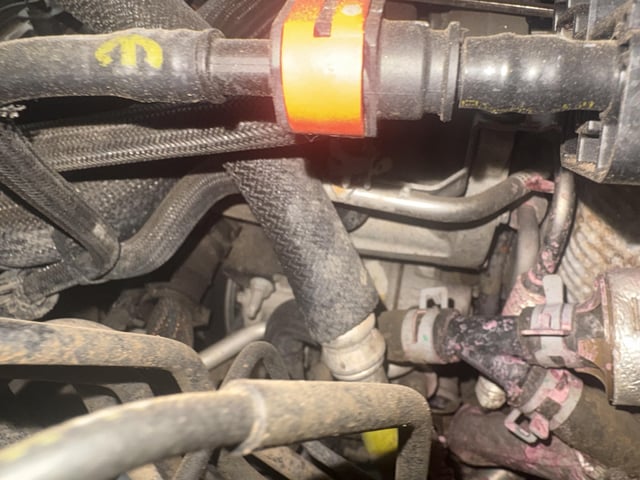
Is your Jeep Wrangler’s temperature gauge creeping higher than it should? You might be wondering, “Why is my Jeep Wrangler overheating?” This problem can be frustrating and even scary because it puts your vehicle at risk and can leave you stranded.
But don’t worry—you’re not alone, and there are clear reasons why this happens. By understanding what causes your Jeep to overheat, you can take the right steps to fix it fast and avoid bigger, costly issues down the road. Keep reading to find out the common causes and how to protect your Jeep from overheating.
Common Causes Of Overheating
Understanding why your Jeep Wrangler is overheating can save you from costly repairs and roadside frustration. Overheating usually signals an issue with the vehicle’s cooling system, which keeps the engine running at a safe temperature. Let’s look at some common causes that might be behind your Jeep’s rising temperature gauge.
Coolant Leaks
Coolant leaks are a frequent reason for overheating. If your Jeep is losing coolant, there isn’t enough fluid circulating to keep the engine cool. Check under your vehicle for puddles or drops of bright green, orange, or pink fluid, which indicate a leak.
Leaks can occur from hoses, the radiator, or even the water pump. Ignoring a small leak can lead to major engine damage, so it’s important to address this issue promptly.
Faulty Thermostat
The thermostat controls coolant flow through the engine. If it gets stuck closed, coolant won’t circulate properly, causing the engine to heat up quickly. If it’s stuck open, your engine may struggle to reach optimal operating temperature, but overheating is less likely.
Testing and replacing a faulty thermostat is relatively inexpensive and can prevent serious overheating problems. Have you noticed your temperature gauge fluctuating erratically? That’s a sign to check the thermostat.
Radiator Issues
Your radiator plays a crucial role in dissipating heat from the coolant. A clogged or damaged radiator will reduce cooling efficiency. Dirt, debris, or corrosion inside the radiator can block coolant flow, leading to overheating.
Look for signs like coolant discoloration or a radiator that feels hotter than usual. Flushing the radiator or replacing it might be necessary to restore proper cooling.
Water Pump Failure
The water pump moves coolant through the engine and radiator. If it fails, coolant circulation stops, causing rapid overheating. Common signs include coolant leaks near the pump or a whining noise from the engine area.
Delaying water pump replacement can cause engine parts to overheat and warp, so it’s wise to fix this promptly.
Clogged Cooling System
Over time, rust, scale, and debris can build up inside the cooling system. This restricts coolant flow and reduces the system’s ability to cool the engine. A clogged system often causes inconsistent temperature readings and overheating during heavy use.
Have you ever noticed your Jeep overheating more on hot days or during long drives? It might be time for a thorough cooling system flush.
Broken Cooling Fan
The cooling fan helps pull air through the radiator when your Jeep isn’t moving fast enough. If the fan motor or blades fail, airflow decreases, and the engine temperature rises, especially in traffic or at idle.
Listen for unusual noises or check if the fan activates when the engine heats up. Fixing or replacing a broken fan can quickly resolve overheating issues.

Credit: www.youtube.com
Signs Your Jeep Is Overheating
Noticing your Jeep Wrangler overheating can be alarming, but recognizing the signs early can save you from costly repairs. Your vehicle won’t always give you clear warnings, so staying alert to subtle changes is key. Have you ever ignored a small signal from your engine only to face a bigger problem later?
Temperature Gauge Reading
The temperature gauge on your dashboard is your first clue. If it moves into the red zone or shows a higher-than-normal reading, your engine is getting too hot. This isn’t a warning to ignore—acting fast here can prevent severe damage.
Steam From The Engine
Seeing steam or smoke rising from under the hood is an unmistakable sign your Jeep is overheating. This happens when coolant leaks or boils over due to excessive heat. If you spot steam, pull over safely and let the engine cool before checking under the hood.
Unusual Smells
Have you smelled something odd while driving? A sweet, syrupy scent usually points to leaking coolant, while a burnt odor can mean overheating components. These smells are your Jeep’s way of telling you something’s wrong—don’t dismiss them.
Reduced Engine Performance
Your Jeep might start feeling sluggish or hesitate during acceleration when it’s overheating. This drop in power happens because the engine is struggling to operate at high temperatures. If you notice a sudden loss in performance, consider checking the cooling system immediately.
Simple Fixes For Overheating
Overheating can damage your Jeep Wrangler’s engine quickly. Simple fixes often solve this problem without costly repairs. Regular checks and small repairs keep the cooling system working well. These easy steps help your Jeep run cooler and safer on the road.
Checking And Refilling Coolant
Coolant keeps the engine at the right temperature. Check the coolant level when the engine is cold. If low, add the correct type of coolant. Avoid mixing different coolant types. Always check for leaks in hoses or the radiator.
Replacing The Thermostat
The thermostat controls coolant flow through the engine. A stuck thermostat causes overheating. Remove the old thermostat and install a new one. Make sure to use the right thermostat for your Jeep model. This simple swap often fixes overheating problems.
Cleaning The Radiator
Dirt and debris block airflow in the radiator. This reduces cooling power. Clean the radiator fins gently with a soft brush or compressed air. Check for bent fins and straighten them carefully. A clean radiator improves heat dissipation and prevents overheating.
Repairing Or Replacing The Water Pump
The water pump moves coolant through the engine and radiator. A failing pump reduces coolant flow. Look for leaks or strange noises near the pump. Replace the water pump if it shows signs of wear. This repair restores proper coolant circulation.
Fixing Cooling Fan Problems
The cooling fan helps cool the radiator when stopped or slow. Check if the fan turns on when the engine heats up. Inspect the fan motor, fuse, and wiring for faults. Repair or replace broken parts to ensure the fan works correctly. A working fan prevents overheating in traffic or hot weather.
Credit: www.wranglerforum.com
Preventive Maintenance Tips
Keeping your Jeep Wrangler from overheating often comes down to consistent and careful maintenance. Small actions taken regularly can prevent major breakdowns and save you from costly repairs. Paying attention to the cooling system and its components ensures your engine stays at the right temperature, even during tough drives.
Regular Coolant Flush
Coolant doesn’t last forever. Over time, it gets contaminated and loses its ability to cool effectively. Flushing your coolant system every 30,000 miles or as recommended in your Jeep’s manual removes old fluid and deposits, helping the engine run cooler.
Have you checked your coolant color lately? Clear, bright coolant means it’s doing its job. If it looks rusty or murky, it’s time for a flush.
Inspecting Hoses And Belts
Hoses and belts carry coolant and power vital engine parts. Cracks, leaks, or worn belts can cause overheating fast. Make it a habit to look under the hood for any signs of wear or damage.
I once ignored a small coolant leak in a hose, thinking it was minor. It led to a sudden overheat on a long trip. Catching these issues early saves you from unexpected stops.
Monitoring Temperature Gauge
Your Jeep’s temperature gauge is your first warning sign. Keep an eye on it during drives, especially in hot weather or off-road conditions. If it starts climbing into the red zone, pull over and check the cooling system immediately.
Asking yourself, “Is my engine running hotter than usual?” can make all the difference. Don’t wait for warning lights; trust your gauge and instincts.
Routine Radiator Cleaning
Dirt, bugs, and debris can block airflow through the radiator. This reduces its ability to cool the engine efficiently. Regularly clean the radiator fins with water and a soft brush to keep air flowing freely.
Think about the last time you washed your Jeep. Did you take a moment to clear the radiator area? This simple step can prevent overheating during heavy use.
When To See A Mechanic
Knowing the right time to visit a mechanic can save your Jeep Wrangler from severe damage. Overheating is a serious issue that should not be ignored. Some signs clearly indicate professional help is needed. Watch for these warning signals and act quickly.
Persistent Overheating Issues
If your Jeep keeps overheating despite short drives, it signals a deeper problem. Cooling system failure might be the cause. Avoid driving long distances until a mechanic checks it. Persistent overheating damages the engine and costs more to fix.
Unusual Noises Or Leaks
Strange sounds like hissing or banging point to overheating troubles. Coolant leaks under the vehicle also suggest a serious issue. These noises and leaks need immediate attention. A mechanic will find and fix the source before damage spreads.
Warning Lights On Dashboard
Dashboard lights are your Jeep’s way of alerting you. The temperature or check engine light means overheating risk. Do not ignore these warnings. Stop driving and get professional help to prevent engine failure.
Credit: www.wranglerforum.com
Frequently Asked Questions
What Causes A Jeep Wrangler To Overheat?
A Jeep Wrangler may overheat due to a faulty thermostat, radiator issues, or low coolant levels. Blocked radiator fins or a malfunctioning water pump can also be culprits. Regular maintenance and timely checks can help prevent overheating problems.
How Can I Prevent My Jeep From Overheating?
Regularly check and maintain coolant levels, inspect the radiator, and ensure the thermostat functions properly. Clean radiator fins and replace faulty parts promptly. Regular maintenance can significantly reduce the chances of overheating.
Can A Bad Radiator Cause Overheating?
Yes, a bad radiator can cause overheating. If the radiator is clogged or leaking, it impairs coolant flow. This prevents the engine from cooling effectively. Regular inspections and cleaning can help maintain radiator efficiency.
Is It Safe To Drive An Overheating Jeep?
Driving an overheating Jeep can cause severe engine damage. It’s crucial to stop immediately and let the engine cool. Continuing to drive can lead to costly repairs, such as head gasket failure or a cracked engine block.
Conclusion
A Jeep Wrangler overheating can signal serious problems. Check the coolant level and radiator first. A broken thermostat or water pump might cause heat issues. Keep an eye on the temperature gauge while driving. Fixing small issues early saves money and avoids big repairs.
Regular maintenance helps your Jeep run smoothly and cool. Don’t ignore warning signs; act fast to protect your engine. Stay safe and enjoy your Jeep adventures without worry.