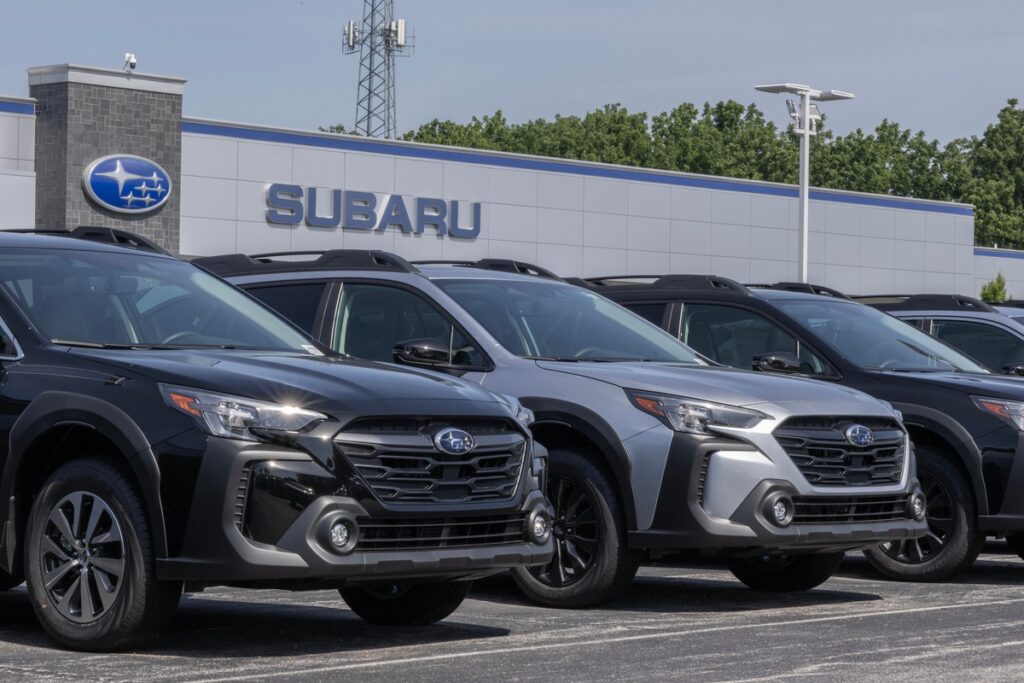
Are you thinking about buying a Subaru Outback? It’s a popular choice for many, thanks to its reliability and comfort.
But not all model years are created equal. Some versions have hidden problems that could cost you time, money, and stress. You want to make sure your investment is a smart one. You’ll discover which years of the Subaru Outback you should avoid and why.
Keep reading to protect yourself from costly mistakes and find the best Outback for your needs.

Credit: www.youtube.com
Subaru Outback Model Overview
The Subaru Outback has built a strong reputation as a reliable and versatile crossover SUV. Understanding its model history helps you spot which years brought improvements and which ones might come with hidden issues. Before you make your choice, knowing the evolution and popular features across generations can save you time, money, and frustration.
Evolution Of The Outback
The Outback started in the mid-1990s as a rugged wagon designed for outdoor enthusiasts. Early models focused on durability and all-wheel drive capability, appealing to those who wanted a car that could handle rough terrain and bad weather.
Over the years, the Outback grew larger and more comfortable. Safety features, technology, and engine options improved steadily. However, some model years introduced changes that didn’t age well or had mechanical problems, making it important to know which ones to avoid.
Popular Features By Generation
- First Generation (1995–1999):Basic but reliable, with standard AWD and solid build quality. No fancy tech, but tough and practical.
- Second Generation (2000–2004):Added more power and introduced a turbocharged engine option. Safety features like side airbags appeared, but some models had head gasket issues.
- Third Generation (2005–2009):Focused on comfort and interior upgrades. The turbo models gained popularity, but the head gasket problem persisted in some years.
- Fourth Generation (2010–2014):Notable for improved fuel efficiency and better crash test ratings. This generation marked a shift to a more refined ride, but some owners reported transmission troubles.
- Fifth Generation (2015–2019):Introduced advanced safety tech like EyeSight driver assist. The boxer engine got a redesign for better performance, making these models highly recommended.
- Sixth Generation (2020–Present):Features cutting-edge safety, infotainment, and a more spacious interior. Early reports praise this generation, but long-term reliability is still under watch.
Knowing these details can help you ask the right questions when shopping for an Outback. Have you checked if the year you’re eyeing has known issues? This simple step can make a big difference in your ownership experience.
Common Issues In Certain Model Years
Certain Subaru Outback model years have recurring problems that affect reliability. Buyers should be aware of these issues before choosing a year. Some model years show specific weaknesses in key areas. These common problems impact performance and cost of ownership.
Understanding these issues helps avoid costly repairs and frustration. The following sections highlight main trouble spots in various model years.
Engine Problems
Some Outbacks suffer from head gasket leaks, especially models from the early 2000s. These leaks cause coolant loss and engine overheating. Another common issue is excessive oil consumption found in certain 2010-2014 models. Engine knocking and rough idling have also been reported in select years, signaling internal wear or fuel system faults.
Transmission Failures
Certain Subaru Outbacks have transmission troubles, mainly CVT units. Models from 2010 to 2015 show higher rates of transmission slipping or shuddering. Some owners report complete transmission failure requiring expensive rebuilds. Regular fluid changes can help but do not always prevent failures in affected years.
Electrical System Glitches
Electrical problems appear often in mid-2000s Outbacks. Faulty wiring and bad connectors cause dashboard warning lights to flicker. Some models have issues with power windows and door locks failing. The infotainment system can freeze or reset unexpectedly in newer models, leading to driver distraction.
Suspension And Steering Concerns
Suspension wear is a common complaint for Outbacks over 100,000 miles. Older models tend to develop noisy struts and worn bushings. Steering rack leaks and power steering pump failures occur in certain years, causing stiff or jerky steering. These issues reduce ride comfort and control on rough roads.
Critical Model Years To Avoid
Knowing which Subaru Outback model years to avoid can save you from unexpected headaches and costly repairs. Some model years have recurring issues that owners frequently report. Understanding these critical years helps you make a smarter choice when buying or maintaining your Outback.
2005-2009 Outback Flaws
The 2005-2009 Outbacks are notorious for transmission problems. Many owners experienced slipping gears and delayed shifts, which often led to expensive repairs. Additionally, these models suffered from head gasket failures that caused coolant leaks and engine overheating.
If you’ve driven or considered a 2007 Outback, you might have noticed rough shifting or overheating issues. These aren’t isolated cases but widespread enough to raise red flags. Would you want to invest in a car known for these critical mechanical flaws?
2010-2012 Outback Defects
Outbacks from 2010 to 2012 come with their own set of challenges. A common complaint is excessive oil consumption, forcing frequent top-ups and engine checks. Some models also faced issues with the CVT (Continuously Variable Transmission), including jerking and hesitation during acceleration.
Drivers reported electrical problems too, like malfunctioning dashboard displays and faulty sensors. Such defects can affect your driving experience and safety. Are you prepared to handle these potential inconveniences?
2015 Outback Recalls And Warnings
The 2015 Subaru Outback had multiple recalls that owners should be aware of. One major recall involved faulty airbags that might not deploy correctly during an accident. Another issue was the risk of brake failure due to defective brake lines.
Ignoring these recalls can put you and your passengers at serious risk. If you own a 2015 model, checking for recall repairs is crucial before hitting the road. How often do you verify if your vehicle is up to date with safety recalls?
Reliability Ratings And Consumer Reports
Understanding the reliability ratings and consumer reports of Subaru Outback models can save you from costly mistakes. These insights reveal which model years have hidden issues and which ones stand the test of time. Let’s break down key factors like crash test results, owner satisfaction scores, and warranty claims data to help you decide which years to avoid.
Crash Test Results
Safety is a top priority, so reviewing crash test results is crucial. Some Subaru Outback model years scored lower in frontal crash tests, raising concerns about occupant protection. For instance, certain years in the early 2010s did not perform as well as newer models equipped with advanced safety features.
Do you really want to compromise on safety for a few dollars saved upfront? Always check the National Highway Traffic Safety Administration (NHTSA) and Insurance Institute for Highway Safety (IIHS) ratings before making a choice.
Owner Satisfaction Scores
Consumer Reports collects owner feedback to provide satisfaction scores that reflect real-world experiences. Models like the 2010 and 2011 Outbacks often show lower satisfaction due to frequent mechanical issues and expensive repairs. On the flip side, 2015 and later models generally receive higher marks for reliability and comfort.
Have you ever bought a car that felt perfect at first but then drained your wallet with repairs? Paying attention to these scores can steer you away from similar headaches.
Warranty Claims Data
Warranty claims data offers a clear picture of common problems and their severity. Years with high claims typically indicate recurring issues like engine troubles or transmission failures. Subaru Outbacks from 2009 to 2012, for example, reported more warranty claims related to head gasket failures compared to other years.
Would you want to spend extra on repairs that your warranty won’t cover? Checking this data helps you avoid models with costly, known defects.
Tips For Buying A Used Subaru Outback
Buying a used Subaru Outback requires careful attention. The right approach saves money and avoids future headaches. Focus on key areas to ensure a smart purchase. Knowing what to check can make all the difference.
Inspection Checklist
- Check the engine for leaks or strange noises.
- Test all lights and electronic features.
- Look for rust or body damage on the exterior.
- Inspect tires for even wear and good tread depth.
- Examine the brakes for responsiveness and noise.
- Check suspension for smoothness and stability.
- Take a test drive to assess overall performance.
Service History Importance
Ask for the vehicle’s service records. Regular maintenance means the car was cared for. Look for oil changes, brake service, and timing belt replacements. Missing records might hide hidden problems. A well-documented history adds confidence to your choice.
Negotiation Strategies
- Start with a fair offer below the asking price.
- Point out any issues found during the inspection.
- Use market prices of similar models as reference.
- Be ready to walk away if the price is too high.
- Ask the seller to include extra items like spare tires.

Credit: www.reddit.com
Best Years For Subaru Outback
Choosing the right year for a Subaru Outback can make a big difference in your ownership experience. Some model years stand out for their reliability and performance, while others come with known issues that might cost you more in repairs. Knowing which years to aim for can save you both money and headaches.
Top Reliable Models
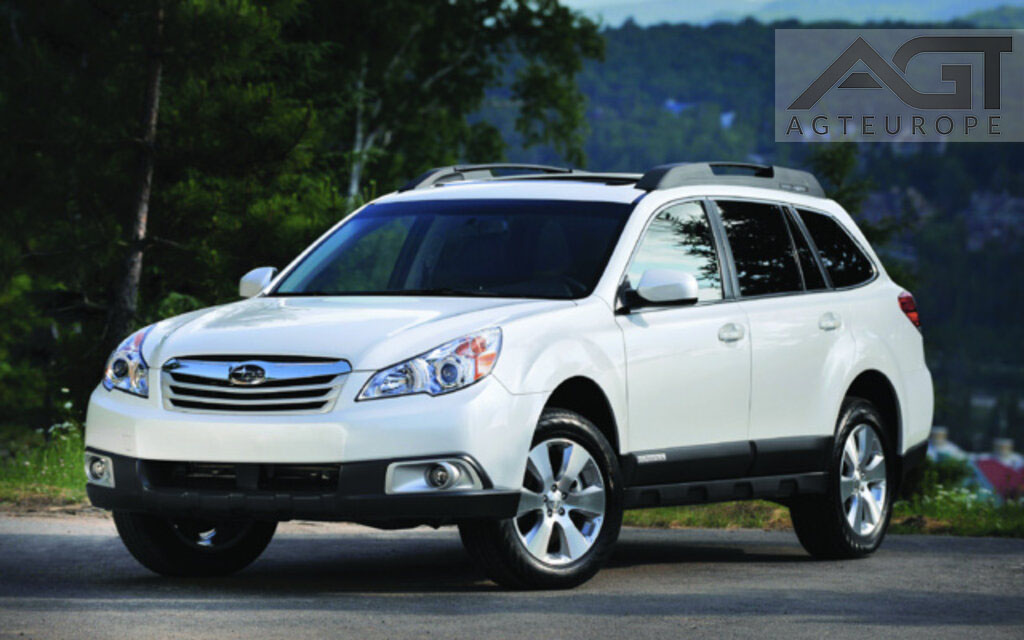
Several Subaru Outback years have earned a reputation for dependability. The 2015, 2017, and 2019 models often top reliability ratings. These years tend to have fewer reported problems, especially with the engine and transmission.
For example, owners of the 2017 Outback frequently mention smooth rides and minimal maintenance expenses. The 2019 model introduced some tech upgrades without sacrificing durability, making it a smart buy. If you want peace of mind, focusing on these years can be a solid strategy.
Performance Highlights
The performance of certain Subaru Outback years also stands out. The 2015 model features a strong 2.5-liter engine with good fuel efficiency, perfect for both city driving and weekend adventures. Meanwhile, the 2019 Outback offers an available turbocharged engine that adds power without compromising control.
Are you looking for a balance between power and comfort? The 2017 Outback’s suspension and all-wheel-drive system provide excellent handling on rough roads and slippery surfaces. These models prove that you don’t have to sacrifice performance for reliability.
Credit: agtauto.com
Frequently Asked Questions
What Are The Worst Subaru Outback Years?
The worst years for the Subaru Outback are 2013, 2014, and 2015. These models experienced significant problems such as engine failure and excessive oil consumption. Many owners reported costly repairs, making these years less desirable for potential buyers. It’s advisable to avoid these years when considering a used Subaru Outback.
Why Avoid 2013 Subaru Outback?
The 2013 Subaru Outback faced issues with excessive oil consumption. Engine problems were also frequently reported by owners. These issues led to costly repairs and diminished reliability. Due to these concerns, many experts recommend avoiding the 2013 model if you’re considering a used Subaru Outback.
Is 2014 Subaru Outback Reliable?
The 2014 Subaru Outback had reliability concerns, especially with its engine. Owners reported excessive oil consumption and engine stalling. These issues led to increased maintenance costs and frequent repairs. Given these problems, the 2014 model is often advised against for those seeking a reliable used vehicle.
What Problems Did 2015 Outback Have?
The 2015 Subaru Outback experienced several issues, including transmission problems and faulty electronics. Engine performance was also a concern for many owners. These problems led to a decline in reliability and increased repair costs. It’s generally recommended to avoid the 2015 model when looking for a used Outback.
Conclusion
Some Subaru Outback model years have known issues. Avoid those to save money and stress. Choose newer models with better reliability records. Regular maintenance helps keep any car running well. Research before buying to make a smart decision. A good car fits your needs and budget.
Drive safe and enjoy your Subaru Outback.