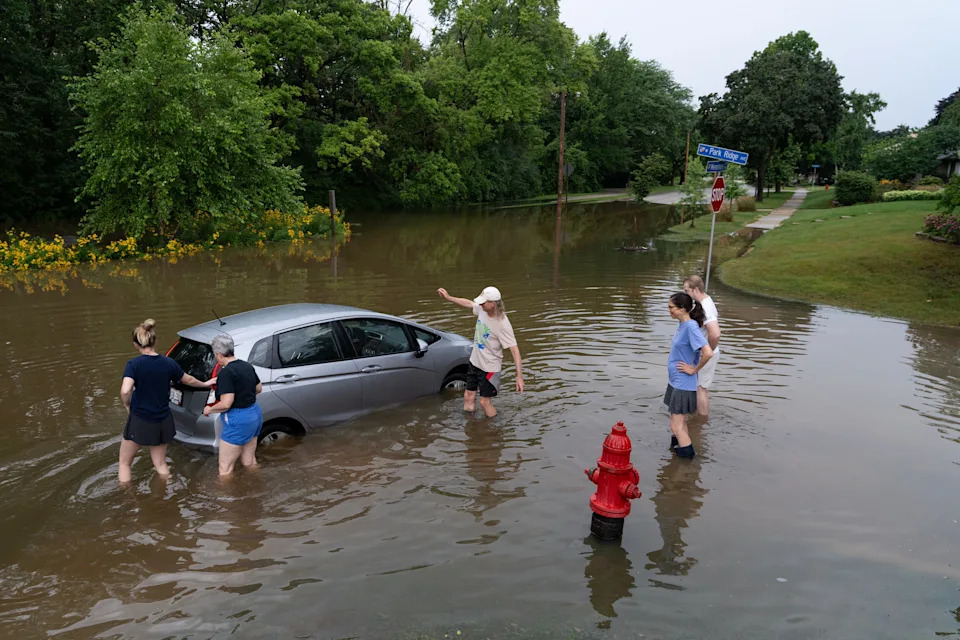
Have you ever looked out your window after a heavy rain and worried about water damage to your car? You might be wondering, does car insurance actually cover water damage from rain?
It’s a question that can save you a lot of stress and money if you know the answer. You’ll discover what types of car insurance protect your vehicle against water damage, and what steps you should take if your car gets soaked.
Keep reading to make sure you’re not caught off guard when the next storm hits.
Credit: finance.yahoo.com
Types Of Car Insurance
Understanding the different types of car insurance can help you figure out if water damage from rain is covered. Each coverage type serves a unique purpose and protects you against specific risks. Knowing these can save you from unexpected expenses after a heavy downpour or flooding incident.
Liability Coverage
Liability coverage is the most basic type of car insurance. It pays for damages you cause to other people or their property in an accident. However, it does not cover any damage to your own vehicle, including water damage from rain or flooding.
If your car is damaged due to heavy rain, liability coverage won’t help fix it. You are responsible for repairs or replacement unless you have additional coverage.
Comprehensive Coverage
Comprehensive coverage protects your car against damage not related to collisions. This includes theft, vandalism, fire, and natural events like hail, floods, and heavy rain. If your car suffers water damage from rain or flooding, comprehensive coverage often covers the repair costs.
Many drivers overlook this coverage because it’s optional in most states. But think about your local weather—do you face frequent storms or floods? Having comprehensive coverage can be a lifesaver in such cases.
Collision Coverage
Collision coverage pays for repairs when your car hits or is hit by another vehicle or object. It doesn’t cover water damage caused by rain or flooding. So, if your car stalls in a flooded road or rain seeps inside, collision coverage won’t cover those damages.
Consider whether your driving habits expose you to accident risks more than weather-related risks. This can help you decide if collision coverage is worth the extra cost.
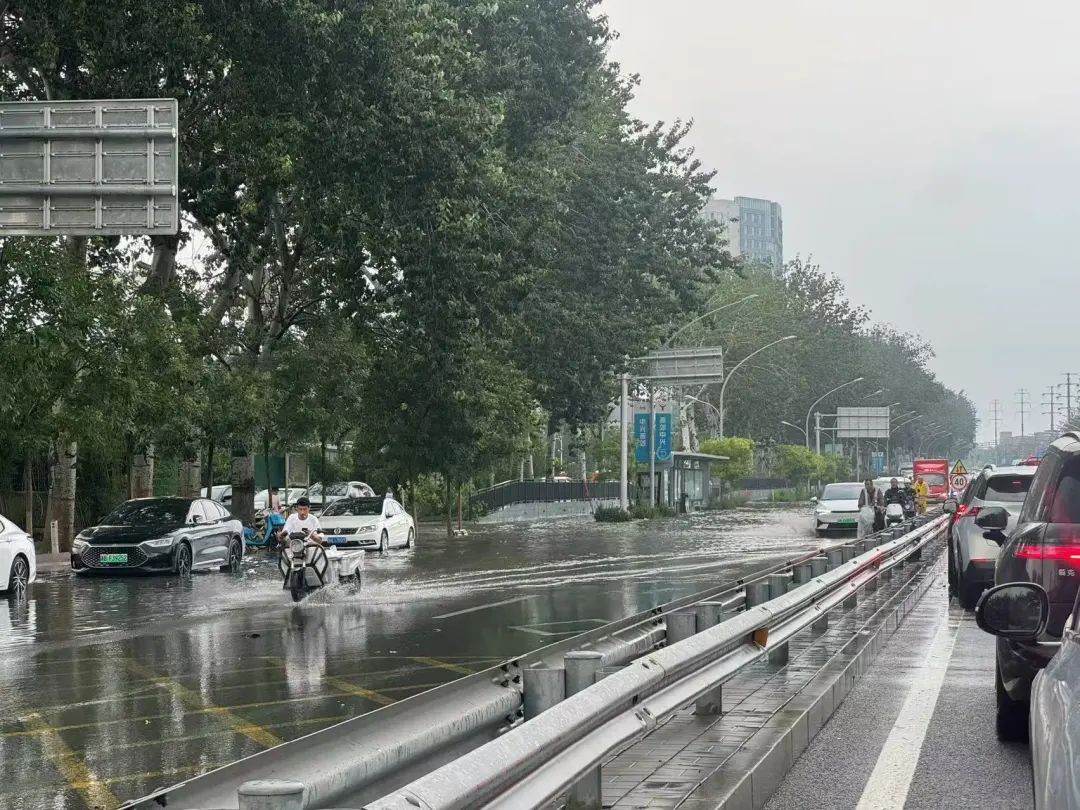
Credit: eu.36kr.com
Water Damage And Car Insurance
Water damage can cause serious problems for your car. Understanding how car insurance handles water damage helps protect your investment. Many drivers wonder if rainwater damage is covered under their policy. This section explains key points about water damage and car insurance.
Is Rainwater Damage Covered?
Rainwater damage usually falls under comprehensive car insurance. This type of coverage protects against damage from natural events. If rain causes leaks or electrical issues, comprehensive coverage may help. Basic liability insurance does not cover water damage from rain.
Flood Vs. Rain Damage
Flood damage is different from rain damage. Flooding involves large amounts of water covering roads or land. Flood damage is often excluded or needs special coverage. Rain damage is smaller scale, like water entering through windows or sunroof. Check your policy to see if flood protection is included.
Common Exclusions
- Damage from poor car maintenance or leaks not fixed on time
- Water damage caused by driving through deep water
- Damage due to negligence, such as leaving windows open
- Flood damage without specific flood insurance
Review your insurance policy carefully. Know what water damage risks your coverage includes and excludes.
Filing A Water Damage Claim
Filing a water damage claim can seem complex after rain affects your car. Understanding the process helps you act fast and get proper support from your insurance. It starts with knowing what to do right after the damage occurs. Clear steps and good records will make your claim smoother. This section breaks down the key actions and tips for a successful claim.
Steps To Take After Damage
- Move your car to a safe, dry place if possible.
- Take clear photos of all water damage areas.
- Check your car’s interior and engine for signs of water entry.
- Contact your insurance company promptly to report the damage.
- Avoid making repairs before your insurer inspects the vehicle.
Documentation Needed
- Photos showing the extent of water damage inside and outside the car.
- A copy of your insurance policy for reference.
- A detailed description of how and when the damage happened.
- Repair estimates or receipts if you have already paid for work.
- Any police or weather reports related to the damage event.
Claim Process Tips
- Report damage quickly to avoid delays in your claim.
- Be honest and clear when describing the water damage.
- Keep all communication with your insurer in writing.
- Ask your insurer for a checklist or claim form to fill out.
- Follow up regularly to track your claim’s progress.

Credit: lainsurance.com
Preventing Water Damage
Preventing water damage to your car protects your investment and saves money. Rain can seep into places you might not expect. Taking simple steps can reduce the risk of costly repairs and insurance claims. Staying alert and prepared helps keep your car safe during wet weather.
Parking Strategies
Choose a parking spot that avoids water pooling. Look for high ground or covered areas like garages. Avoid parking under trees with heavy branches or near drainage ditches. Parking close to curbs can prevent water from reaching your vehicle easily. Using a car cover offers extra protection during storms.
Maintenance Tips
Check door seals and window seals regularly. Replace any worn or cracked seals to stop leaks. Clean drains around sunroofs and windshields to allow water to flow away. Inspect your car’s undercarriage for rust or damage that water can worsen. Keep your car’s paint and wax in good condition to repel water.
Emergency Preparedness
Keep a waterproof emergency kit inside your car. Include items like towels, plastic bags, and a flashlight. Know how to quickly dry out wet areas to prevent mold and electrical issues. Have contact information for roadside assistance ready. Plan escape routes in case water levels rise suddenly around your parking spot.
Costs And Deductibles
Understanding the costs and deductibles related to water damage from rain is key. It helps you prepare financially for any repairs. Knowing what to expect can ease stress during claim time.
Typical Repair Costs
Repair costs for water damage vary widely. Simple fixes like drying out carpets might cost a few hundred dollars. More serious damage, such as electrical or engine repairs, can run into thousands. Paint and bodywork due to water stains also add to expenses. Costs depend on the severity and the affected parts.
How Deductibles Work
A deductible is the amount you pay before insurance covers the rest. For example, if your deductible is $500 and the repair costs $2,000, you pay $500. The insurance pays $1,500. Deductibles differ by policy and can affect your out-of-pocket cost. Choosing a higher deductible usually lowers your premium but raises your initial cost after damage.
Impact On Premiums
Filing a claim for water damage can affect your premiums. Insurers may raise rates after a claim to cover their risk. Frequent claims often lead to higher premiums or policy cancellation. Maintaining your vehicle and avoiding claims can help keep premiums lower. Some policies offer protection against premium increases for first claims.
Additional Coverage Options
Standard car insurance policies often have limitations when it comes to covering water damage caused by rain. To protect your vehicle fully, it’s important to consider additional coverage options that specifically address such risks. These options can provide peace of mind and save you from unexpected expenses after a heavy downpour or flooding.
Add-ons For Water Damage
Many insurers offer add-ons or riders that extend your coverage to include water damage. These might cover issues like flooding, water seeping into the engine, or damage to the electrical system caused by rainwater.
Adding this protection can be affordable and is especially useful if you live in an area prone to heavy rains or flash floods. Have you checked if your current policy lets you add this feature? It might be easier than you think.
Choosing The Right Policy
Selecting a policy that suits your environment and driving habits is crucial. Look for comprehensive plans that explicitly mention coverage for natural events, including rain-related water damage.
Ask your insurer specific questions about what types of water damage are covered. Policies that seem cheaper might leave you exposed to costly repairs if water damage isn’t included.
When To Upgrade Coverage
If you notice increasing rainfall in your area or if your neighborhood has a history of flooding, it’s time to consider upgrading your coverage. Even if you’ve never had water damage before, climate changes can quickly alter your risk level.
Think about your car’s value and how much you’re willing to pay out-of-pocket if water damage occurs. Upgrading your coverage can be a smart move to avoid surprises and keep your car safe.
Frequently Asked Questions
Does Comprehensive Car Insurance Cover Water Damage?
Yes, comprehensive car insurance typically covers water damage from rain. It includes protection against natural elements like floods and storms. This coverage helps repair or replace your vehicle if it’s damaged by water. However, check your policy details for specific coverage limits and exclusions.
Is Flood Damage Covered By Car Insurance?
Flood damage is usually covered under comprehensive car insurance. This type of insurance protects against natural disasters, including floods. It’s important to confirm with your provider if flood damage is included. Always review your policy to understand the extent of your coverage.
Can Rain Cause Serious Car Damage?
Yes, rain can cause significant damage to a car. It can lead to issues like engine flooding, electrical problems, and interior damage. Prolonged exposure to water can also result in rust and corrosion. Ensuring proper coverage can help mitigate potential repair costs.
How To Claim Insurance For Water Damage?
To claim insurance for water damage, contact your insurance provider immediately. Document the damage with photos and keep all repair receipts. File a claim with your insurer, providing all necessary details and documentation. Follow their instructions to complete the process efficiently.
Conclusion
Car insurance may or may not cover water damage from rain. It depends on your policy type and coverage details. Comprehensive insurance usually helps with rain damage. Always check your policy carefully to know what’s included. Keep your car protected and dry whenever possible.
Understanding your coverage saves money and stress later. Talk to your insurance agent to clarify doubts. Stay informed and prepared for unexpected weather damage. Your car’s safety matters every day.