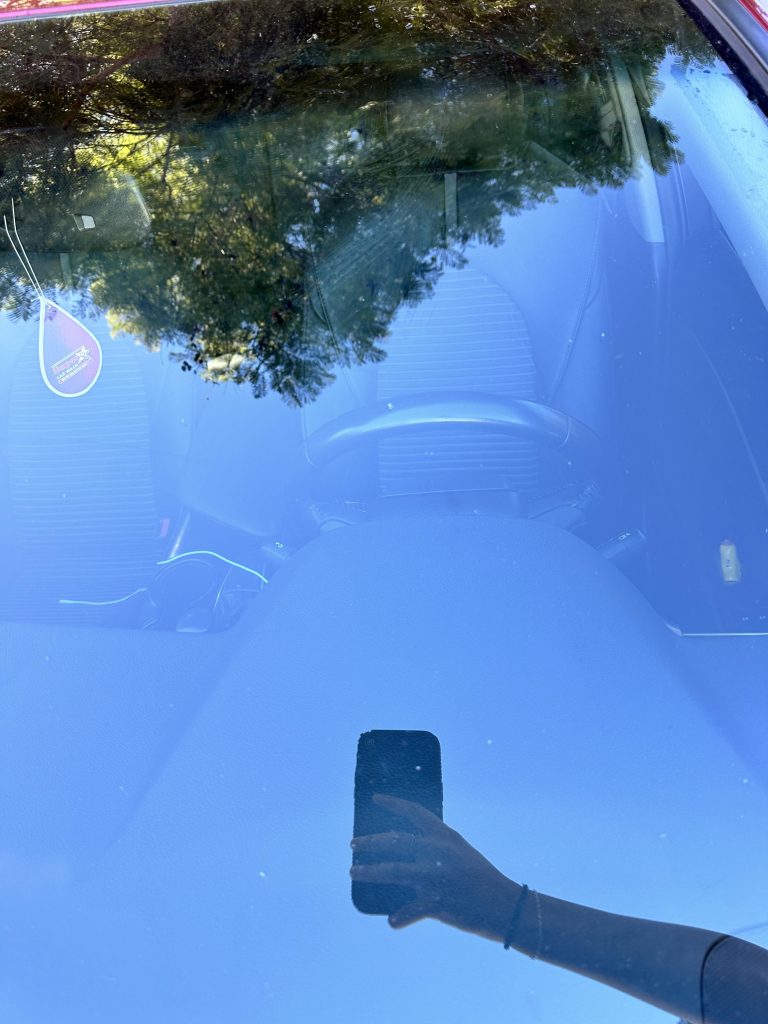
Have you noticed those stubborn orange spots ruining the clear view through your car glass? Iron rust can be frustrating and tricky to remove, but ignoring it only makes things worse.
You deserve a crystal-clear windshield that keeps your drive safe and comfortable. You’ll discover simple, effective ways to remove iron rust from your car glass—without expensive trips to the shop. Keep reading to restore your car’s shine and protect your investment with easy steps you can do yourself.
Causes Of Rust On Car Glass
Rust on car glass appears as orange or brown stains that spoil the look. This rust comes from iron particles that stick to the glass surface. These particles react with water and oxygen, causing corrosion. Understanding what causes rust helps in preventing and removing it effectively.
Sources Of Iron Particles
Iron particles reach car glass from many places. Road dust often contains tiny iron bits. Construction sites near roads spread iron dust in the air. Brake dust from vehicles contains iron that settles on glass. Metal tools or parts near the car can also leave iron traces. Even rain can carry iron dust from the environment.
Conditions That Promote Rust Formation
Rust forms faster when iron particles stay wet for long. Rain or car washing leaves water on the glass. Humid air keeps moisture on the surface, encouraging rust. Scratches or chips on glass trap iron particles and water. Warm temperatures speed up the rust process. Poor car care lets rust grow unnoticed.
Safety Tips Before Starting
Before you start removing iron rust from your car glass, prioritizing safety is crucial. Rust removal involves chemicals and tools that can harm your skin, eyes, or even damage your vehicle if not handled properly. Taking some time to prepare will save you from accidents and ensure a smoother cleaning process.
Protective Gear To Wear
Always wear protective gloves to shield your hands from harsh chemicals used in rust removal. Consider goggles to protect your eyes from splashes or dust particles. A mask can also help prevent inhalation of any fine rust dust or chemical fumes.
I once skipped gloves and ended up with itchy, irritated skin that took days to heal. Don’t let a small oversight like this slow down your project.
Surface Preparation
Start by cleaning the car glass thoroughly with water and mild soap to remove dirt and grime. Dry the surface completely to help the rust remover work effectively. Check the surrounding areas and cover them with tape or cloth to avoid accidental damage from chemicals.
Have you checked if your rust remover is safe for glass? Some products can etch or discolor the surface if used carelessly. Test a small hidden spot first to avoid surprises.
Diy Rust Removal Methods
Removing iron rust from car glass does not require expensive tools or professional help. Simple household items can effectively clean rust spots. These do-it-yourself methods save money and time. They also allow careful control to avoid damage to your glass. Choose a method that fits your needs and available materials. Always test a small area first to ensure safety.
Using Vinegar And Baking Soda
Vinegar’s acidity helps break down rust quickly. Apply white vinegar to the rusted area using a cloth. Let it sit for 10 minutes. Sprinkle baking soda over the vinegar. The fizzing helps lift rust particles from the glass. Use a soft brush or cloth to scrub gently. Rinse with clean water and dry with a soft towel.
Applying Lemon Juice
Lemon juice contains natural acid that dissolves rust. Squeeze fresh lemon juice directly on the rust spots. Allow it to sit for 15 minutes. Rub the area with a soft cloth or sponge in circular motions. The acid reacts with rust, loosening it from the glass surface. Rinse with water and wipe dry to finish.
Commercial Rust Removers
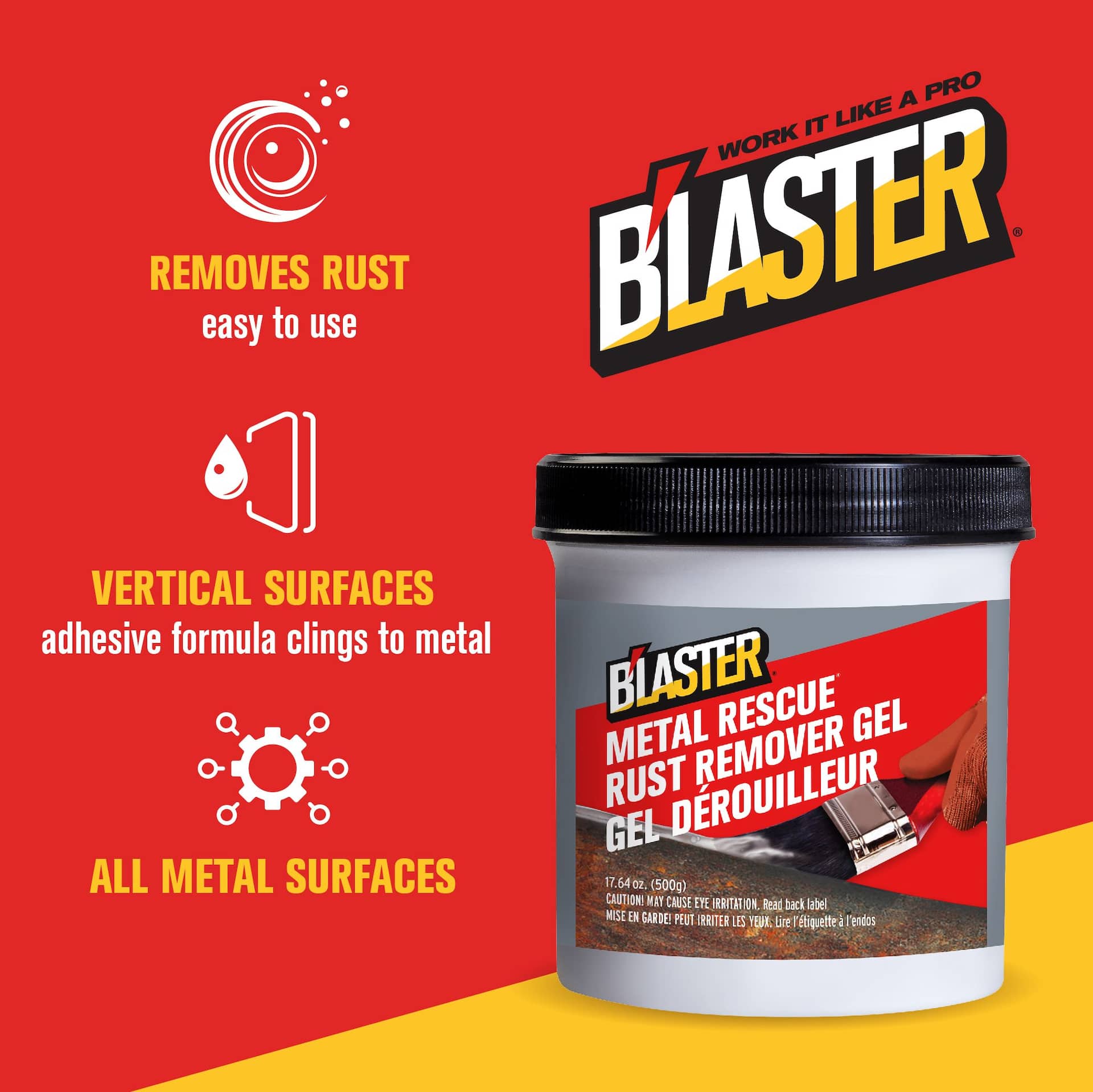
Rust removers designed for automotive use work fast. Follow the product instructions carefully. Apply the remover to rusted glass areas with a cloth or applicator. Let it work for the recommended time. Gently scrub if needed, then rinse thoroughly. These products often contain chemicals, so wear gloves and work in a ventilated space.
Using Toothpaste For Light Rust
Toothpaste has mild abrasives that polish rust spots gently. Apply a small amount of white, non-gel toothpaste on the rust. Rub with a damp cloth using circular motions. Continue for a few minutes to break down rust. Rinse with water and dry the glass. This method works best for minor rust stains.

Credit: www.amazon.com
Step-by-step Rust Removal Process
Removing iron rust from car glass can feel challenging, but breaking the process into clear steps makes it manageable and effective. Each stage focuses on preparing, treating, and preserving your glass surface to restore clarity and prevent further damage. Let’s walk through the detailed actions you can take to get your car glass looking clean and rust-free.
Cleaning The Glass Surface
Start by washing the glass with soapy water to remove dirt and grime. Use a soft cloth or sponge to avoid scratching the glass. This initial cleaning helps you see the rust spots clearly and ensures better contact for the rust remover.
Have you noticed how dirt can sometimes hide the real extent of rust damage? Cleaning thoroughly gives you a true picture of what you’re working with.
Applying The Rust Removal Agent
Choose a rust remover suitable for glass surfaces, such as a commercial rust remover gel or a homemade mixture of lemon juice and baking soda. Apply the product directly onto the rust spots using a cotton ball or soft brush. Let it sit for 5–10 minutes to break down the rust particles.
Be cautious not to apply the agent on painted or rubber parts nearby, as it may cause damage. Targeting only the rusty areas protects your car’s finish.
Scrubbing Techniques
Use a non-abrasive scrubbing pad or a soft-bristle toothbrush to gently scrub the rusted spots. Work in small circular motions to lift the rust without scratching the glass. Avoid excessive pressure; persistent rust often requires patience rather than force.
Have you tried scrubbing too hard only to leave scratches behind? Gentle but consistent scrubbing is your best bet for safe rust removal.
Rinsing And Drying
Rinse the treated area with clean water to wash away the rust remover and loosened rust particles. Use a microfiber cloth to dry the glass thoroughly, preventing water spots. Inspect the surface closely—if rust remains, repeat the process carefully.
Drying well also stops new rust from forming quickly. How often do you check your car glass for early signs of rust?
Preventing Future Rust On Car Glass
Preventing rust on your car glass is just as important as removing it. Rust can slowly eat away at the edges and corners of your glass, causing damage that’s both ugly and costly. Taking simple, consistent steps can save you from future headaches and keep your glass clear and strong.
Regular Cleaning Routines
Keeping your car glass clean is your first defense against rust. Dirt and grime trap moisture, which encourages rust to form. Use a gentle glass cleaner and a soft cloth at least once a week to wipe down your windows.
Don’t forget to clean the edges and seals where rust often starts. I once ignored this and ended up with stubborn rust that took hours to remove. A quick wipe can stop rust before it begins.
Protective Coatings And Sealants
Applying a protective coating can create a barrier against moisture and iron particles. Products like ceramic coatings or specialized glass sealants are easy to apply and last for months. They repel water and prevent rust from settling on your glass surface.
You might wonder if these coatings really make a difference. From my experience, a good sealant cut down rust spots dramatically during rainy seasons. It’s an investment that pays off by keeping your glass pristine.
Parking Tips To Avoid Rust
Where you park your car impacts rust formation more than you might think. Avoid parking under trees or near construction sites where iron dust and sap can accumulate on your glass. These particles speed up rusting.
Parking indoors or in shaded areas reduces exposure to elements that cause rust. Have you noticed how your car looks better when parked in a garage? That’s because it’s shielded from harsh conditions that promote rust.
Credit: www.canadiantire.ca
When To Seek Professional Help
Rust on car glass can be tricky to remove. Sometimes, home remedies work well. Other times, the damage runs too deep or spreads quickly. Knowing when to seek professional help saves time and prevents further issues.
Signs Of Severe Rust Damage
- Rust spots cover a large area of the glass.
- Rust has caused pitting or deep scratches.
- Glass shows signs of cloudiness or discoloration near rust.
- Rust keeps returning after cleaning attempts.
- Edges of the glass have chips or cracks linked to rust.
These signs indicate that rust is beyond simple surface treatment. Acting early helps avoid costly glass replacements.
Professional Services Available
- Expert rust removal using specialized tools and chemicals.
- Glass polishing to restore clarity and smoothness.
- Protective coatings to prevent future rust formation.
- Glass replacement if damage is too severe to fix.
- Inspection and maintenance advice to keep glass clear.
Professionals have experience and equipment for safe, effective rust removal. They ensure your car glass stays clean and strong.
Credit: www.elementownersclub.com
Frequently Asked Questions
How To Remove Rust From Car Glass?
To remove rust from car glass, use a mixture of vinegar and baking soda. Apply it to the rusted area with a soft cloth. Gently scrub until the rust dissolves. Rinse thoroughly with water to ensure no residue remains. This method is effective and safe for glass surfaces.
Can Vinegar Remove Rust From Glass?
Yes, vinegar can remove rust from glass effectively. Its acidic properties help dissolve rust particles. Apply vinegar to the rusted area and let it sit for a few minutes. Scrub gently with a soft cloth, then rinse with water. This is a natural and cost-effective rust removal method.
What Household Items Remove Rust From Glass?
Household items like vinegar, baking soda, and lemon juice can remove rust from glass. These ingredients contain acidic properties that help break down rust. Mix them to form a paste, apply to the rusted area, scrub gently, and rinse. These natural solutions are safe and effective for glass surfaces.
Is Baking Soda Effective For Rust Removal On Glass?
Yes, baking soda is effective for rust removal on glass. Its mild abrasive properties help scrub away rust without scratching. Mix baking soda with water to form a paste. Apply, scrub gently, and rinse thoroughly. This method is safe and easy for maintaining clear, rust-free glass surfaces.
Conclusion
Removing iron rust from car glass keeps your view clear and safe. Use gentle cleaners and soft cloths to avoid scratches. Act quickly to stop rust from spreading and causing more damage. Regular cleaning helps prevent rust buildup on your car glass.
Keep your car looking good and protect your glass with simple care. Rust-free glass means better visibility and safer driving every day. Small steps make a big difference in car maintenance. Easy to do, worth the effort.