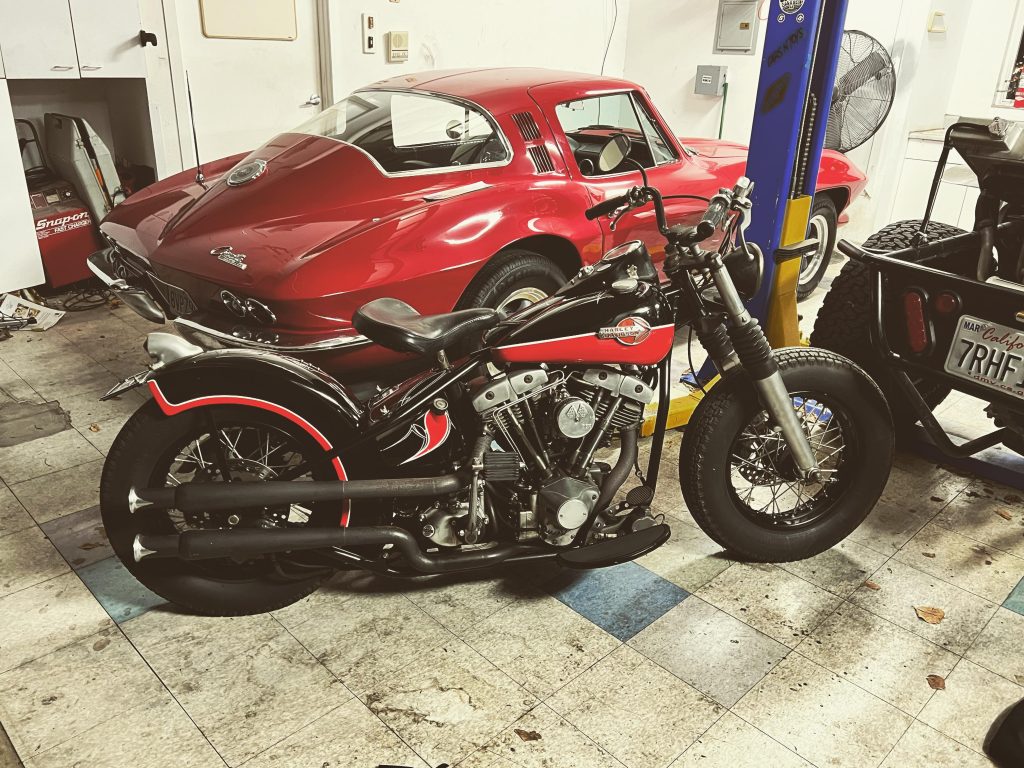
Are you torn between choosing an Ironhead or a Shovelhead engine for your next motorcycle project? Both have a strong legacy and unique features that can change how your bike feels and performs.
But which one fits your style and needs better? By the end of this article, you’ll have a clear understanding of their differences, strengths, and what makes each engine special. Keep reading to find out which one could be the perfect match for your ride.
Ironhead Engine Basics
The Ironhead engine holds a special place in motorcycle history, especially among Harley-Davidson enthusiasts. Known for its rugged design and distinctive sound, it powered many bikes through the 1950s to the mid-1980s. Understanding its basics helps you appreciate why it still has a loyal following and what sets it apart from other engines like the Shovelhead.
Design And Build
The Ironhead engine features a 45-degree V-twin layout with iron cylinder heads, which is where it gets its name. Its cast iron heads are heavier but very durable, making the engine tough under long rides. The engine’s design is straightforward, favoring reliability over complexity, which can be a plus for those who prefer hands-on maintenance.
One interesting fact is that the Ironhead used a two-valve-per-cylinder setup, which kept things simple but limited airflow compared to newer models. This design choice impacts both the sound and the performance you get from the engine. Have you ever noticed how that deep, throaty roar feels different from other Harley engines? That’s the Ironhead’s iron heads at work.
Performance Specs
| Specification | Ironhead Engine |
|---|---|
| Displacement | 883cc or 1000cc |
| Horsepower | Approximately 50-60 hp |
| Torque | Approx. 55 lb-ft |
| Compression Ratio | 8.5:1 to 9.5:1 |
This engine delivers solid mid-range torque, which makes it great for cruising and city riding. However, it doesn’t offer the high-end horsepower you might want if you’re chasing speed. If you value smooth, reliable power without pushing the limits, the Ironhead’s specs could fit your riding style well.
Common Issues
- Overheating:Iron heads conduct heat differently, and they can run hotter than aluminum heads.
- Oil Leaks:Older seals and gaskets often fail, leading to typical Harley oil seepage.
- Valve Wear:The two-valve design is simple but can suffer from valve seat wear over time.
- Electrical Problems:Early models have outdated wiring that might cause starting and charging issues.
Dealing with these issues isn’t impossible, but it requires attention and regular maintenance. Have you ever caught an oil leak early before it caused bigger problems? Staying on top of these common faults keeps your Ironhead running strong and extends its lifespan.
Shovelhead Engine Basics
The Shovelhead engine is a key chapter in Harley-Davidson’s history. It powered motorcycles from 1966 to 1984. This engine replaced the older Ironhead, bringing new features and challenges. Understanding its basics helps riders and enthusiasts appreciate its role.
Design And Build
The Shovelhead engine has a distinctive, rounded rocker cover shape. It uses an overhead valve design with pushrods. The engine is air-cooled and features a 45-degree V-twin layout. Its cast iron cylinders provide strength. Aluminum heads improve heat dissipation. The Shovelhead’s design aimed to increase power and reliability over the Ironhead.
Performance Specs
| Model Year | Displacement | Horsepower | Torque |
|---|---|---|---|
| 1966-1978 | 74 cubic inches (1200cc) | 60 hp | 75 lb-ft |
| 1978-1984 | 80 cubic inches (1340cc) | 70 hp | 80 lb-ft |
The increase in displacement improved both horsepower and torque. This helped with faster acceleration and better cruising power.
Common Issues
- Overheating due to air-cooling limits
- Worn rocker arms and pushrods
- Oil leaks around gaskets and seals
- Electrical problems with points ignition system
- Carburetor tuning difficulties
Many issues arise from the engine’s age and design limits. Regular maintenance is key to keeping the Shovelhead running well.
Power And Performance Comparison
Comparing the Ironhead and Shovelhead engines reveals clear differences in power and performance. Both engines have loyal fans who value their unique traits. Understanding their horsepower, torque, fuel efficiency, and ride experience helps choose the right engine.
Horsepower And Torque
The Ironhead engine typically produces less horsepower than the Shovelhead. Ironhead horsepower ranges from 55 to 65 hp. Shovelhead engines deliver around 60 to 70 hp.
Torque is vital for strong acceleration. The Ironhead offers about 70 lb-ft of torque. The Shovelhead improves on this with 75 to 80 lb-ft. This increase gives the Shovelhead a stronger pull on the road.
Fuel Efficiency
Fuel efficiency varies between these engines. The Ironhead is known for moderate fuel use. It averages about 35 to 40 miles per gallon. The Shovelhead, with its larger size, uses more fuel. It averages closer to 30 to 35 miles per gallon.
Fuel costs and range matter for long rides. Riders choose based on how far they want to travel without refueling.
Ride Experience
The Ironhead offers a smooth and steady ride. Its lighter weight makes handling easier, especially in city traffic. Riders often say the Ironhead feels more responsive at low speeds.
The Shovelhead provides a more powerful and robust ride. Its engine sound is deeper and louder. This creates a strong presence on the road. However, it can feel heavier and less nimble during tight turns.
Both engines deliver a classic Harley-Davidson feel but cater to different riding styles.
Maintenance And Reliability
Maintenance and reliability are key factors for riders choosing between Ironhead and Shovelhead engines. Both engines require care, but their needs and durability differ. Understanding these differences helps keep your motorcycle running smoothly and avoids costly repairs.
Routine Maintenance
Ironhead engines need frequent oil changes due to their design. Regular valve adjustments are also essential to maintain performance. Shovelhead engines have more advanced features, which reduce some maintenance tasks. Still, they require regular oil checks and timing adjustments for best results. Both engines benefit from cleaning air filters and inspecting spark plugs.
Durability Over Time
Ironheads are known for being tough but can wear faster under heavy use. Their simpler design means fewer parts that can fail. Shovelheads generally last longer thanks to improved engineering and materials. They handle higher mileage better but may need more complex repairs as they age. Proper care extends the life of both engines significantly.
Parts Availability
Ironhead parts are harder to find because production stopped years ago. Many parts are now aftermarket or rebuilt units. Shovelhead parts are more common, with many suppliers offering new and used components. This makes repairs and upgrades easier and often cheaper for Shovelheads. Riders of both engines should source reliable parts to maintain engine health.
Customization And Upgrades
Customizing and upgrading your Ironhead or Shovelhead can transform your riding experience. Both engines offer unique opportunities to enhance performance, style, and reliability. Knowing which modifications work best can save you time and money while maximizing your bike’s potential.
Popular Modifications
Many riders start with basic upgrades like carburetor kits and exhaust systems to boost power and sound. Ironheads often benefit from improved ignition systems and heavier-duty clutches to handle increased torque. Shovelheads, on the other hand, respond well to cylinder head porting and upgraded camshafts for smoother power delivery.
Adding a high-performance air filter or swapping to a larger oil tank can also improve engine cooling and longevity. Have you ever noticed how a simple exhaust change can completely change your bike’s character? That’s the kind of upgrade that makes customization rewarding.
Aftermarket Support
Both Ironhead and Shovelhead engines enjoy strong aftermarket support, but the Shovelhead tends to have a wider range of modern parts available. This means you can find everything from electronic ignition kits to advanced suspension upgrades more easily. Ironhead parts are often more vintage-oriented, appealing to riders who want to keep their build classic.
Reliable suppliers like S&S Cycle and Andrews offer performance parts tailored for these engines. Checking online forums and local bike clubs can also connect you to rare components and expert advice. Are you ready to explore the best sources for your next upgrade?
Tuning Tips
Tuning your engine after upgrades is crucial to get the most out of your modifications. For Ironheads, focus on adjusting the carburetor jetting and ignition timing to match your new parts. Shovelheads often require valve adjustments and careful spark plug selection to maintain smooth running.
Don’t overlook the importance of a proper break-in period after installing new components. Taking your time to fine-tune will prevent damage and improve engine life. What’s your approach to tuning—do you prefer DIY adjustments or professional dyno sessions?

Credit: www.reddit.com
Historical Impact And Legacy
The historical impact and legacy of the Ironhead and Shovelhead engines go far beyond their mechanical differences. These engines shaped motorcycle culture and defined the riding experience for generations. Understanding their history helps you appreciate why each engine still holds a special place among enthusiasts.
Era And Popularity
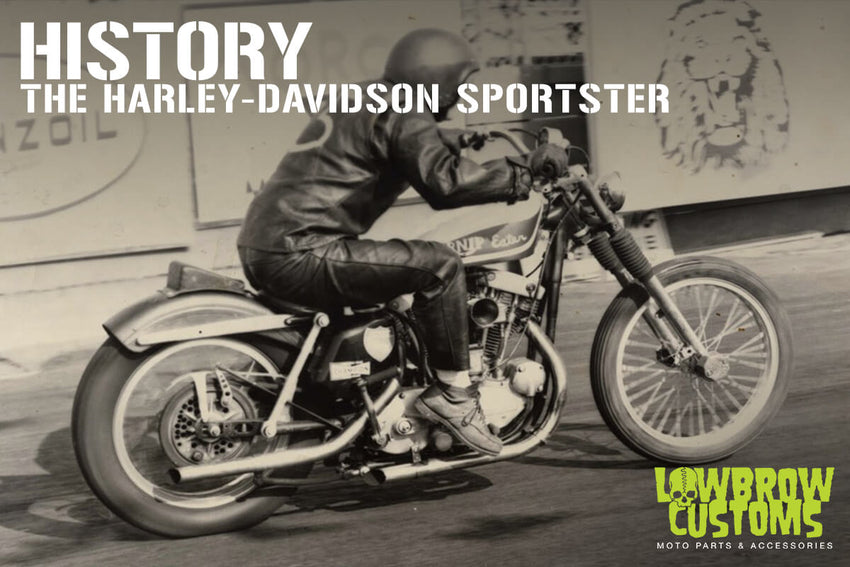
The Ironhead engine was introduced in the late 1950s and became the heart of Harley-Davidson Sportster models until the mid-1980s. It gained popularity for its robust design and raw power, appealing to riders who wanted a straightforward, no-nonsense machine.
Then came the Shovelhead in 1966, replacing the older Panhead engine. It was popular through the 1970s and early 1980s, known for improved performance and a distinct look. If you’ve ever seen a classic Harley from this era, chances are it’s powered by a Shovelhead.
Cultural Influence
Both engines contributed heavily to the biker culture but in different ways. The Ironhead’s simplicity made it a favorite among custom builders and racers who liked to tweak their rides for speed and style.
The Shovelhead, meanwhile, became a symbol of freedom and rebellion during the counterculture movement. It appeared in countless movies and biker magazines, cementing its place as an icon of American motorcycle culture.
Have you ever wondered why some riders swear by the gritty feel of an Ironhead while others praise the Shovelhead’s smoother ride? It’s more than just mechanics—it’s about what each engine represents to its riders.
Collector Value
Collectors often debate which engine holds more value. Ironheads tend to attract those who appreciate vintage simplicity and the challenge of maintaining a classic engine.
Shovelheads usually command higher prices due to their historical significance and better performance upgrades available during their production years.
- Ironhead: prized for originality and rarity in good condition
- Shovelhead: valued for its cultural cachet and smoother mechanics
If you’re looking to invest in a classic Harley, consider what you want from your bike—whether it’s the raw, mechanical connection of an Ironhead or the iconic status of a Shovelhead. Which legacy speaks to your riding spirit?
Choosing Between Ironhead And Shovelhead
Choosing between the Ironhead and the Shovelhead engine means understanding what fits your riding style, budget, and daily needs. Both engines have their loyal fans and unique characteristics that affect how you experience your motorcycle. Let’s break down what matters most when making your choice.
Rider Preferences
Think about how you like to ride. The Ironhead offers a raw, mechanical feel with a distinctive sound that many riders find addictive. It’s perfect if you enjoy a more hands-on, classic Harley experience.
The Shovelhead, on the other hand, runs smoother and delivers more power, appealing to riders who want reliability without sacrificing personality. Which engine makes you feel more connected to the road?
Usage Scenarios
Consider where and how often you ride. The Ironhead is ideal for shorter rides and weekend cruisers because it demands more maintenance and attention. It’s great if you enjoy tinkering and customizing your bike.
The Shovelhead suits longer journeys and daily use better thanks to its improved cooling and stronger performance. If your rides include highways and variable conditions, the Shovelhead might be the smarter choice.
Cost Considerations
Budget plays a big role in your decision. Ironhead parts can be more affordable but might require frequent replacements due to wear and tear. This could mean more frequent expenses over time.
Shovelhead engines often cost more upfront but tend to offer better longevity and fewer breakdowns. Think about your willingness to invest in maintenance versus a higher initial spend. Where do you see the best value for your money?

Credit: www.lowbrowcustoms.com
Credit: www.lowbrowcustoms.com
Frequently Asked Questions
What Is The Difference Between Ironhead And Shovelhead?
The main difference lies in their engine design and performance. The Ironhead features cast iron cylinder heads and was produced from 1957 to 1985. The Shovelhead, known for its distinctive shovel-like rocker covers, was manufactured from 1966 to 1984. Each has unique characteristics and historical significance.
Which Is More Reliable: Ironhead Or Shovelhead?
Reliability varies based on maintenance and upgrades. Generally, Shovelheads are considered more reliable due to improved engineering over time. However, well-maintained Ironheads can also perform reliably. Enthusiasts often choose based on personal preference and the availability of parts. Regular maintenance is crucial for both engines.
Are Ironhead Motorcycles More Valuable Than Shovelheads?
Value depends on factors like condition, rarity, and modifications. Generally, Shovelheads tend to be more valuable due to their historical significance. However, certain Ironhead models can also fetch high prices. Collectors often seek models with original parts and minimal alterations, affecting the overall value.
How Do Ironhead And Shovelhead Engines Perform?
Ironhead engines are known for their raw power and unique sound. Shovelhead engines offer improved performance and more efficient cooling systems. Both engines have distinct characteristics that appeal to different riders. Performance can be enhanced with aftermarket parts and regular maintenance.
Conclusion
Both Ironhead and Shovelhead engines have unique strengths. Ironhead offers durability and power for heavy riders. Shovelhead provides smooth rides with classic style. Choosing depends on what you value most in a bike. Consider maintenance, sound, and riding feel. Each engine reflects a different era of motorcycle design.
Think about your riding needs and preferences. Both remain popular among Harley fans today. The decision is personal and fun to explore.