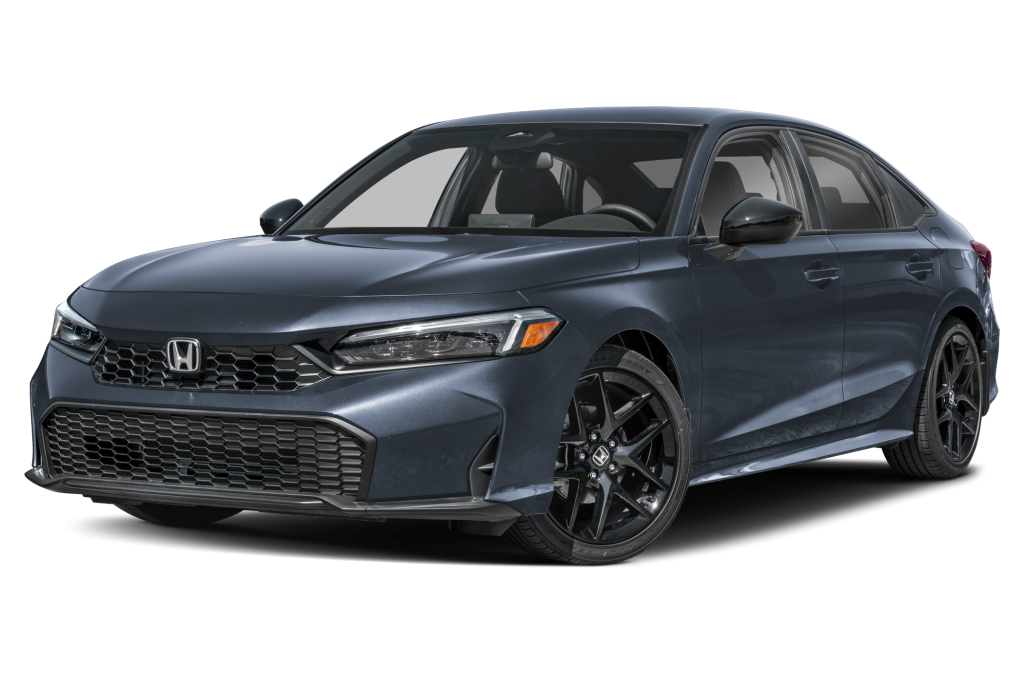
If you’ve ever wondered how the Honda Civic became one of the most popular cars on the road, you’re in the right place. The story behind each model reveals more than just design changes—it shows how Honda listened to drivers like you and adapted to your needs.
From its first launch to the latest version, the Civic has evolved in ways that might surprise you. Keep reading to discover the key moments that shaped this iconic car and find out why it continues to capture the hearts of so many drivers around the world.
Your next car choice might just be influenced by what you learn here.
Early Beginnings
The story of the Honda Civic begins in the early 1970s, a time when the auto industry was looking for small, efficient cars. Honda aimed to create a model that could compete globally with reliability and economy. Understanding the origins of the Civic can help you appreciate how it evolved into one of the world’s most popular compact cars.
Launch Of The First Model
The first Honda Civic was launched in 1972 in Japan and quickly made its way to international markets, including the U.S. It was Honda’s response to the growing demand for fuel-efficient vehicles during the oil crisis. The Civic’s launch marked Honda’s serious entry into the passenger car market, shifting from its motorcycle roots.
Did you know the initial Civic was available only as a two-door hatchback? This was a bold choice that highlighted its compact nature and urban-friendly design. The launch model set the stage for Honda’s reputation for making practical yet fun-to-drive cars.
Initial Design And Features
The early Civic focused on simplicity and efficiency. It featured a lightweight design with a front-engine, front-wheel-drive layout, which was innovative at the time. This setup improved fuel economy and handling, giving you a smooth, practical ride in city traffic and on highways.
Inside, the Civic offered a surprisingly roomy interior for its size, showing Honda’s clever use of space. Basic features included a simple dashboard, manual windows, and minimalistic controls, keeping costs and weight down. It was clear that Honda prioritized what mattered most to drivers—fuel savings, reliability, and ease of use.
Looking back, how do you think a car designed over 50 years ago still manages to influence compact car designs today? The first Civic’s balance of efficiency and function continues to shape the way you experience small cars on the road.

Credit: www.cars.com
1970s Expansion
The 1970s marked a key growth period for the Honda Civic. This decade saw Honda moving beyond its initial model. The company focused on reaching more customers worldwide. The Civic became known for its reliability and fuel efficiency. It started to appeal to a wide audience, especially during the oil crisis. The demand for small, economical cars grew rapidly. Honda responded by improving and expanding the Civic lineup.
Growing Popularity
The Honda Civic gained fame for being affordable and practical. Its compact size made it easy to drive in cities. People liked the good fuel economy during times of high gas prices. Sales rose steadily throughout the decade. The Civic earned a reputation as a dependable car for everyday use. This growing popularity helped Honda establish a strong presence outside Japan. The Civic became a symbol of smart car choice in many countries.
Introduction Of New Variants
Honda added several new Civic versions in the 1970s. They offered different body styles like sedans, coupes, and hatchbacks. Each variant targeted specific needs and tastes. The hatchback gained attention for its versatility and extra cargo space. Sportier models appeared to attract younger buyers. These variants helped Honda meet diverse customer demands. The company kept improving engine performance and features. This variety set the stage for the Civic’s future success.
1980s Innovation
The 1980s was a defining decade for the Honda Civic, marking a period of bold innovation and thoughtful design. Honda didn’t just update the Civic; they transformed it to meet the needs of a rapidly changing automotive market. This era introduced features and improvements that still influence car design today.
Technological Advancements
During the 1980s, Honda added technology that made the Civic more reliable and efficient. The introduction of fuel injection systems replaced carburetors, which improved fuel economy and reduced emissions. This change helped drivers save money at the pump and lowered the car’s environmental impact.
Another key innovation was the use of advanced electronics. Honda started including digital dashboards and more precise engine control units. These features gave drivers better information and smoother engine performance, enhancing the overall driving experience.
Performance Enhancements
The 1980s Civics didn’t just get smarter; they got faster and more fun to drive. Honda improved engine power by introducing VTEC technology in some models, which adjusted valve timing for better performance at different speeds. This meant you could enjoy fuel efficiency during regular driving and more power when you needed it.
Suspension systems also saw upgrades, with better shock absorbers and stabilizers that improved handling and ride comfort. If you’ve ever driven a well-tuned Civic from this era, you know how responsive and balanced it feels—perfect for city streets or winding roads.
Have you ever thought about how these innovations affect your daily drive? Next time you get behind the wheel, notice how technology and performance work together to make your ride smoother and more enjoyable.
1990s Refinement
The 1990s marked a significant period of refinement for the Honda Civic, shaping it into a more sophisticated and safer vehicle. This decade saw thoughtful updates that improved both style and functionality without losing the Civic’s core appeal. If you owned a Civic in the 90s or remember those models, you might appreciate how these changes enhanced everyday driving.
Design Overhauls
Honda gave the Civic a sleeker, more aerodynamic look in the 1990s. The boxy shapes of the 80s were replaced by smoother curves that made the car feel modern and fresh.
Inside, the cabin became more spacious and comfortable. Controls were repositioned for easier reach, and materials felt higher quality, making your drive more enjoyable.
Did you notice how the hatchback and coupe versions gained sportier touches? These design tweaks appealed to younger drivers looking for style without sacrificing practicality.
Safety Improvements
Safety became a bigger focus during the 90s Civic updates. Honda added features like driver and passenger airbags, which were new to many compact cars at the time.
Side-impact door beams were introduced to protect you better in collisions. These might be invisible, but they play a crucial role in keeping passengers safe.
Anti-lock braking systems (ABS) started appearing on some Civic trims, helping you maintain control during sudden stops. Have you ever felt the difference ABS makes on slippery roads? It’s a game changer for confident driving.
2000s Modernization
The 2000s marked a big step forward for the Honda Civic. This decade brought fresh ideas and new designs that kept the Civic popular. Honda focused on making the car cleaner, safer, and more stylish. The Civic evolved to meet the needs of modern drivers. It showed a mix of smart technology and comfort.
Eco-friendly Technologies
Honda worked hard to reduce emissions and save fuel. The 2000s Civics included hybrid models that used less gas. These cars combined a gas engine with an electric motor. It helped lower pollution and improved fuel economy.
Honda also improved engine design for better efficiency. Technologies like Variable Valve Timing helped engines run cleaner. The Civic became a choice for those who cared about the environment.
Enhanced Comfort And Style
The Civic in the 2000s looked more modern and sleek. Honda gave it smoother lines and a sharper front grille. The inside became more spacious and comfortable for passengers.
Features like better seats, improved sound systems, and easy controls made driving more enjoyable. Safety also improved with side airbags and stronger frames. The 2000s Civic balanced style with comfort and safety.
2010s Global Success
The 2010s marked a remarkable era for the Honda Civic, as it solidified its place on the global stage. This decade was defined by innovation, environmental awareness, and a growing fan base that appreciated both style and efficiency. Whether you’re a longtime enthusiast or new to the Civic family, understanding this period reveals why the model became a worldwide favorite.
Hybrid Models Introduction
During the 2010s, Honda introduced hybrid versions of the Civic to meet rising demands for fuel efficiency and lower emissions. These hybrids combined traditional gasoline engines with electric motors, delivering impressive mileage without sacrificing performance.
Think about your daily commute. Would a hybrid Civic help you save money on gas while reducing your carbon footprint? Many drivers found that the hybrid models offered a smooth transition toward greener driving, making them a practical choice for city and highway travel alike.
Honda’s hybrid technology also included features like regenerative braking, which captures energy during stops to recharge the battery. This innovation not only improved fuel economy but also enhanced the driving experience by offering responsive acceleration.
Awards And Recognitions
The 2010s saw the Honda Civic earn numerous awards that highlight its quality and appeal. It consistently ranked high in safety tests, fuel efficiency ratings, and overall value.
- IIHS Top Safety Pick:Several Civic models during this decade received top marks for crashworthiness.
- Green Car of the Year:Recognized for its hybrid models and low emissions.
- Consumer Reports’ Best Compact Car:Praised for reliability and driver satisfaction.
These accolades aren’t just badges on paper—they reflect real-world benefits that you can experience behind the wheel. When choosing a vehicle, don’t you want one that’s proven to be safe, economical, and well-loved by experts and drivers alike?
Recent Developments
The Honda Civic has evolved significantly over the years, and its recent developments reflect a clear focus on technology, safety, and performance. These changes aim to meet the demands of modern drivers who want more than just a reliable car—they want an experience that adapts to their lifestyle. Let’s take a closer look at what the latest models offer and what the future might hold for this iconic vehicle.
Latest Model Features
The newest Honda Civic models come packed with features that enhance both comfort and safety. You’ll find advanced driver-assist systems like adaptive cruise control and lane-keeping assist, which make long drives less tiring and more secure.
Inside, the Civic offers a refined infotainment system with a touchscreen that supports Apple CarPlay and Android Auto. This means you can easily connect your phone and stay focused on the road while accessing your favorite apps.
Performance-wise, Honda has improved fuel efficiency without sacrificing power. The turbocharged engines deliver a smooth and responsive ride, making everyday driving enjoyable whether you’re commuting or hitting the highway.
Future Prospects
Honda is clearly gearing the Civic toward a more electrified future. Hybrid and electric versions are expected to become more prominent, giving you more eco-friendly options without compromising the car’s signature reliability.
Think about how this shift might change your driving habits. Would you embrace a hybrid Civic for better mileage, or are you waiting for a fully electric model that fits your lifestyle?
Beyond powertrains, expect more integration of smart technology, including enhanced connectivity features and possibly semi-autonomous driving capabilities. These advancements could make your daily commute safer and more convenient.

Credit: www.cars.com

Credit: www.cars.com
Frequently Asked Questions
What Year Was The First Honda Civic Released?
The first Honda Civic was released in 1972. It marked Honda’s entry into the compact car market. The model gained popularity for its fuel efficiency and reliability. It became a significant turning point in Honda’s automotive history. Today, the Civic is one of Honda’s most successful models.
How Has The Honda Civic Evolved Over Time?
The Honda Civic has evolved significantly since its debut in 1972. It has undergone major design and engineering changes. Each generation introduced new features and technology. It transitioned from a compact to a more spacious vehicle. Today, it offers advanced safety features and hybrid options.
Why Is The Honda Civic So Popular?
The Honda Civic is popular for its reliability and fuel efficiency. It offers a comfortable ride with modern features. Its affordability and low maintenance costs appeal to many buyers. Over the years, it has built a strong reputation. This makes it a preferred choice for many car enthusiasts.
How Many Generations Of Honda Civic Exist?
As of 2023, there are eleven generations of Honda Civic. Each generation introduced various upgrades and innovations. The model has continuously adapted to consumer needs. These changes have contributed to its long-standing popularity. The Civic’s evolution reflects advancements in automotive technology.
Conclusion
The Honda Civic has changed a lot over the years. Each model brought new features and improvements. People love it for being reliable and efficient. It fits many lifestyles and budgets. The Civic remains a popular choice worldwide. Its history shows Honda’s care in design.
The story is far from over. More models will come, keeping the Civic fresh. It stays true to its roots while moving forward. A car with a strong past and a bright future.