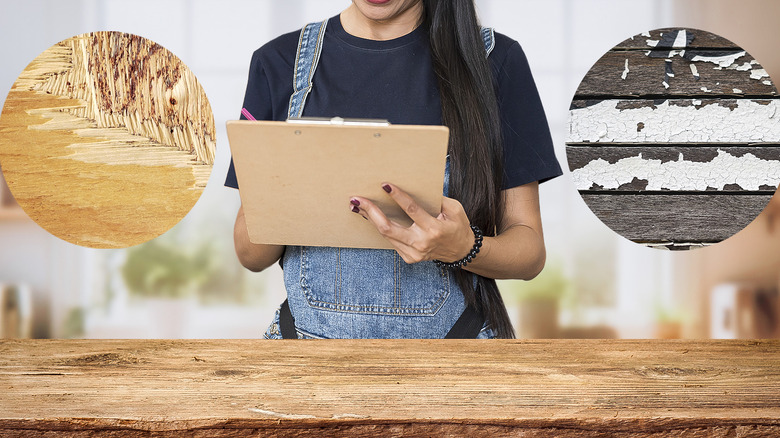
Is your cutting board scratched and chipped? You’re not alone.
Over time, your trusted kitchen tool can start to show signs of wear. But don’t worry—these marks don’t mean it’s time to toss it out just yet. In fact, understanding why your cutting board gets damaged and how to fix it can save you money and keep your kitchen safe.
Keep reading, and you’ll discover simple tips to restore your board and prevent further damage. Your cooking experience will thank you.
Types Of Cutting Boards
Cutting boards come in different materials. Each type has its own benefits and drawbacks.
Choosing the right cutting board helps keep your knives sharp and your kitchen clean.
Wooden Boards
Wooden cutting boards are popular for their natural feel. They are gentle on knives and last a long time.
These boards can get scratched and chipped over time. Regular oiling helps protect the wood.
Plastic Boards
Plastic cutting boards are lightweight and easy to clean. They work well in busy kitchens.
- Often dishwasher safe
- Can get deep scratches
- May need replacement more often
- Come in many colors to avoid cross-contamination
Bamboo Boards
Bamboo boards are eco-friendly and harder than most wood boards. They resist moisture well.
| Feature | Benefit | Consideration |
| Hardness | Durable and resists cuts | Can dull knives faster |
| Water Resistance | Less warping and cracking | Needs oiling to stay smooth |
| Eco-Friendly | Made from fast-growing plant | May be heavier than plastic |
Glass Boards
Glass cutting boards look modern and are easy to clean. They do not absorb odors or stains.
Glass boards have some drawbacks:
- Can chip or crack if dropped
- Hard surface dulls knife edges quickly
- Slippery when wet

Credit: www.painteradam.co.uk
Common Causes Of Damage
Cutting boards often show scratches and chips after use. These damages reduce their lifespan and can affect food safety.
Understanding the common causes helps in taking better care of your cutting board. This protects it from damage and keeps it in good condition.
Knife Usage
Using knives on a cutting board creates scratches and chips over time. Hard or serrated knives can cause more damage than smooth blades.
- Cutting with excessive force can chip the board’s surface.
- Using the wrong knife type may deepen scratches.
- Repeated cutting in the same spot wears down the material.
- Chopping bones or hard foods can cause cracks and chips.
Moisture And Heat
Moisture and heat damage wooden or composite boards easily. Water causes swelling, and heat can dry out or warp the board.
| Cause | Effect on Board |
| Excess Water | Swelling and warping |
| High Heat | Drying and cracking |
| Prolonged Dampness | Mold and soft spots |
Improper Cleaning
Cleaning the board incorrectly leads to damage and shortens its life. Harsh cleaners and scrubbing tools wear down the surface.
Common cleaning mistakes include:
- Using strong chemicals that erode the board
- Scrubbing with abrasive pads that scratch deeply
- Soaking the board in water for hours
- Failing to dry the board completely after washing
Assessing The Damage
When a cutting board is scratched and chipped, it may affect its safety and use. Checking the damage helps decide if you can fix it or need a new one.
Look closely at the board surface. Some marks are normal, but deep damage can cause problems.
Identifying Scratches
Scratches are small lines or grooves on the cutting board. They happen from knives cutting on the surface.
Light scratches usually do not harm the board. Deep scratches can trap food and bacteria.
- Check if scratches go deep into the wood or plastic
- Look for rough edges inside the scratches
- Note if scratches cover large areas or are few and small
Spotting Chips
Chips are small pieces missing from the board edges or surface. They happen if the board is dropped or hit hard.
Chips can be sharp and dangerous. They also make the board harder to clean.
- Look around all edges for missing pieces
- Check the surface for small holes or gaps
- Feel for sharp or rough spots where chips appear
Repairing Wooden Boards
Wooden cutting boards can get scratched and chipped over time. Repairing them can bring back their smooth surface and extend their life.
This guide covers simple ways to fix your wooden boards using sanding, filling, and sealing techniques.
Sanding Techniques
Sanding smooths out scratches and removes rough spots from the wood surface. Use sandpaper with different grits to get the best finish.
- Start with coarse grit sandpaper (80-100 grit) to remove deep scratches and chips.
- Switch to medium grit (150-180 grit) to smooth the surface further.
- Finish with fine grit (220 grit) to get a polished feel.
- Always sand in the direction of the wood grain to avoid new scratches.
Filling Chips With Wood Filler
Use wood filler to fix chips and deep dents on your cutting board. It fills gaps and creates a level surface before sanding.
| Type of Wood Filler | Drying Time | Best Use |
|---|---|---|
| Water-based | 30 minutes | Indoor boards |
| Epoxy-based | 1-2 hours | Heavy damage |
| Latex-based | 1 hour | Small chips |
Apply the filler with a putty knife and let it dry fully. Then sand it smooth with fine grit sandpaper.
Oiling And Sealing
Oiling protects the wood and keeps it from drying out. Sealing adds a layer to resist stains and moisture.
- Choose food-safe mineral oil or beeswax for cutting boards.
- Apply oil evenly with a clean cloth and let it soak in for several hours.
- Wipe off excess oil to avoid sticky surfaces.
- Repeat oiling regularly to maintain the board’s condition.
- Use a wood sealant for extra protection if desired.
Fixing Plastic Boards
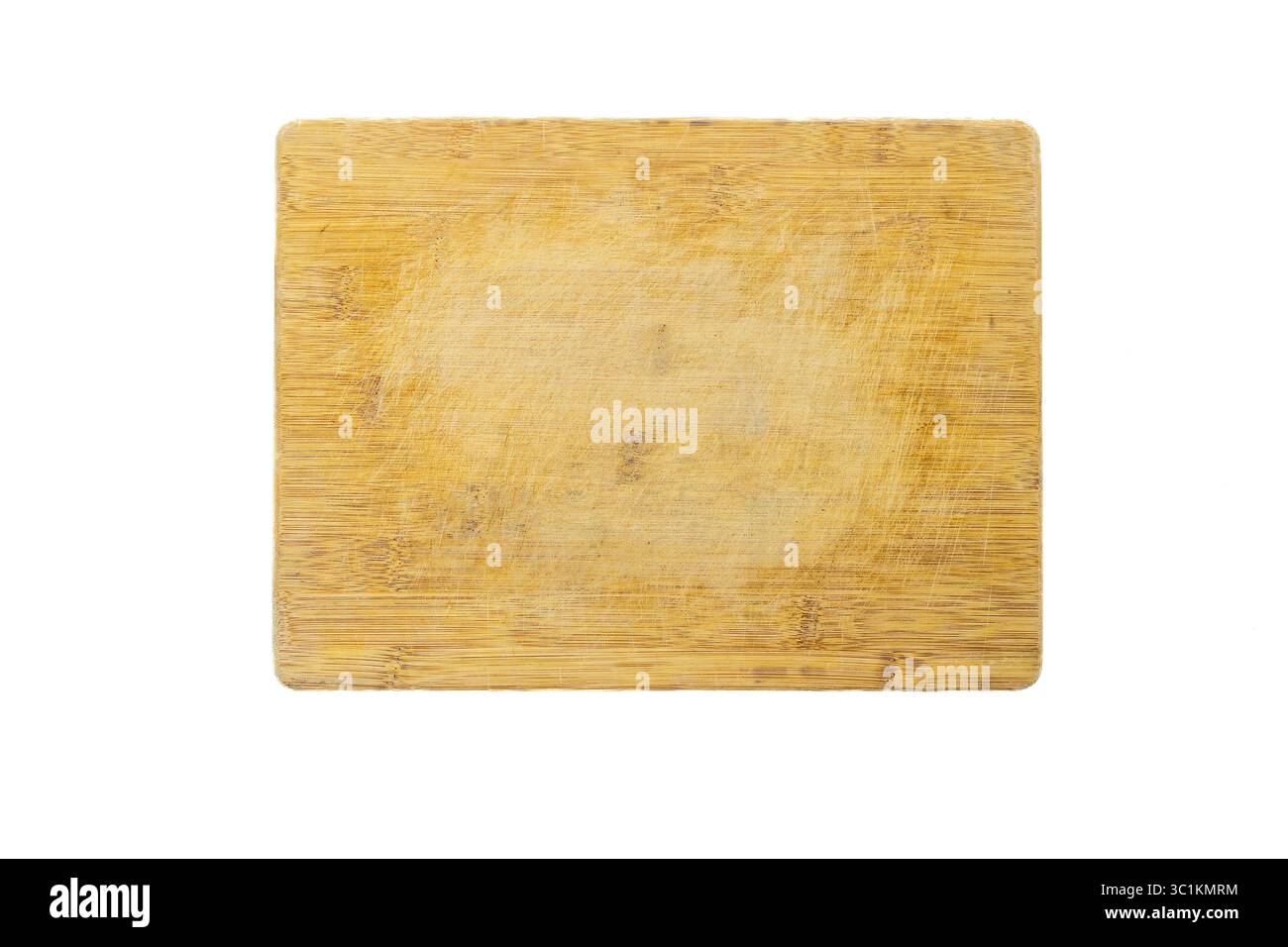
Plastic cutting boards can get scratched and chipped after use. Fixing them helps keep the board safe and clean.
There are simple ways to smooth scratches and fill chips. These repairs extend the life of your plastic board.
Smoothing With Sandpaper
Use sandpaper to smooth out scratches and rough spots on the board. Start with coarse grit, then use fine grit for a smooth finish.
Sanding removes marks and helps the surface feel even. Always clean the board after sanding to remove dust.
- Choose 100-150 grit sandpaper for deep scratches
- Use 220-320 grit sandpaper for finishing
- Sand in a circular motion
- Wash the board with soap and water after sanding
Using Food-safe Epoxy For Chips
Fill chips and deep dents with food-safe epoxy. This repairs the surface and stops bacteria from hiding in cracks.
Mix the epoxy carefully and apply it to the chipped area. Let it dry fully before using the board again.
- Choose a clear, food-safe epoxy
- Mix equal parts of resin and hardener
- Apply epoxy smoothly to the chip
- Let it cure for the time on the package
- Sand the epoxy after drying for a flat surface
Credit: www.alamy.com
Maintaining Bamboo Boards
Bamboo cutting boards can get scratched and chipped over time. Proper care helps keep them smooth and strong.
Taking simple steps can extend the life of your bamboo board and keep it safe for food.
Sanding And Oil Treatment
Light sanding removes scratches and chips from the board’s surface. Use fine-grit sandpaper and sand evenly.
After sanding, apply food-safe mineral oil. This seals the bamboo and stops it from drying out.
- Sand the board gently with 220-grit sandpaper.
- Wipe off dust with a damp cloth.
- Apply mineral oil with a soft cloth.
- Let the oil soak in for several hours or overnight.
- Wipe off any excess oil before use.
Prevent scratches and chips by handling your board carefully and cleaning it properly.
| Tip | How it Helps |
| Use sharp knives | Reduces force needed, less damage |
| Clean by hand | Avoids warping and cracking |
| Do not soak in water | Prevents swelling and splitting |
| Store dry and flat | Keeps shape and strength |
| Oil regularly | Keeps bamboo hydrated and strong |
Caring For Glass Boards
Glass cutting boards look clean and modern. They are easy to clean but can get scratched or chipped. Proper care helps keep them safe to use and looking good.
This guide shares tips to prevent damage and clean glass boards safely. Follow these steps to extend the life of your board.
Preventing Scratches And Chips
Glass boards can crack or chip if used roughly. Avoid these common causes to keep your board smooth and safe.
- Use knives with care and avoid chopping hard items directly on the board.
- Do not drop the board or hit it against hard surfaces.
- Place the board on a stable, flat surface before use.
- Do not use metal utensils that can scratch the surface.
- Store the board away from heavy objects that could fall on it.
Safe Cleaning Practices
Cleaning glass boards properly stops stains and keeps them hygienic. Use gentle methods that avoid damage.
| Cleaning Method | Instructions | Tip |
| Dish Soap and Water | Wash with warm water and mild soap. | Use a soft sponge only. |
| Vinegar Solution | Mix equal parts vinegar and water for disinfecting. | Rinse well after use. |
| Baking Soda Paste | Use baking soda and water to scrub stains gently. | Do not scrub hard to avoid scratches. |
| Dishwasher | Check if your glass board is dishwasher safe. | Place on top rack to avoid heat damage. |

Credit: www.shutterstock.com
Preventing Future Damage
Cutting boards often get scratched and chipped from daily use. Taking care of your board stops damage from getting worse. Simple habits keep it safe longer.
Focus on how you use and maintain your board. Choose the right type for your kitchen needs. These steps help your cutting board stay in good shape.
Proper Knife Techniques
Using the right knife techniques reduces stress on your cutting board. Avoid pressing too hard or cutting with the tip only. Move the knife smoothly to protect the surface.
- Use a sharp knife to cut cleanly without force.
- Cut with a rocking motion instead of chopping straight down.
- Keep your knife blade away from the edges of the board.
- Do not use knives for prying or opening items on the board.
Regular Maintenance Tips
Clean and care for your cutting board often. This keeps the wood or plastic strong. Use oil and proper cleaning to prevent cracks and chips.
| Maintenance Task | Frequency | Details |
| Wash with warm water and soap | After each use | Remove food and bacteria |
| Dry completely | After washing | Avoid moisture that causes warping |
| Apply mineral oil | Once a month | Keep wood hydrated and sealed |
| Sand lightly | Every 6 months | Remove small scratches and smooth surface |
Choosing The Right Board For Your Needs
Pick a cutting board that fits your cooking style. Some materials handle knives better and last longer. Size and weight also matter for ease of use.
- Wood:Gentle on knives but needs regular oiling.
- Bamboo:Harder than wood, eco-friendly, may dull knives faster.
- Plastic:Easy to clean, affordable, but can scratch deeply.
- Composite:Durable and knife-friendly, often dishwasher safe.
Frequently Asked Questions
Why Is My Cutting Board Scratched And Chipped?
Cutting boards get scratched and chipped from frequent knife use. Hard knives and improper cutting techniques increase damage. Over time, regular chopping causes visible wear and tear on the surface. Wooden boards are more prone to chips if not maintained properly.
How Can I Repair A Scratched Cutting Board?
Light scratches can be sanded down with fine-grit sandpaper. For deeper chips, fill gaps with food-safe wood filler. After repairs, apply mineral oil to restore moisture and protect the surface. Regular maintenance prevents further damage and keeps the board smooth.
Is It Safe To Use A Chipped Cutting Board?
Small chips can harbor bacteria, making the board unsafe. Deep cracks increase contamination risk and should be repaired or replaced. Always clean and sanitize cutting boards after use to maintain food safety. Consider replacing heavily damaged boards for hygiene.
How To Prevent Cutting Board Scratches And Chips?
Use sharp knives and proper cutting techniques to reduce damage. Avoid cutting on hard surfaces or with excessive force. Regularly oil wooden boards to keep them hydrated and less prone to cracking. Rotate your cutting board to distribute wear evenly.
Conclusion
Scratches and chips on a cutting board are common over time. They can make food preparation unsafe and unhygienic. Regular cleaning and sanding help keep the board smooth. Using both sides can extend its life. Replacing very damaged boards protects your kitchen health.
Taking simple care steps saves money and effort. A well-maintained board makes cooking more enjoyable and safe. Keep an eye on wear and act early. Your cutting board deserves attention to stay useful and clean.