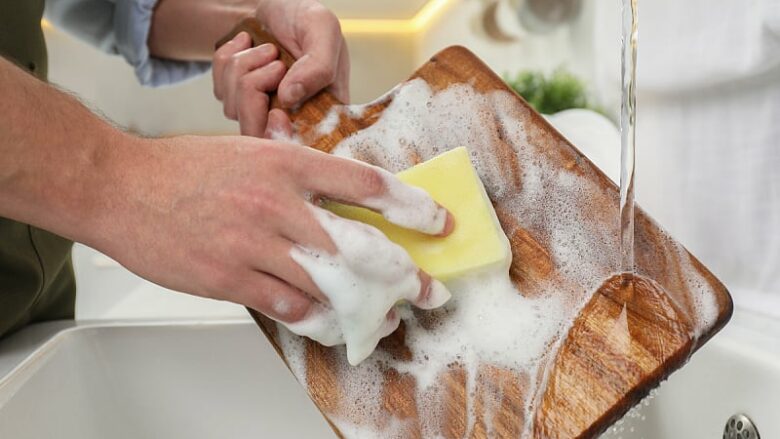
You use your cutting board every day to prepare meals, but do you really know how clean it gets after washing? When a cutting board is washed in detergent and then rinsed, it might seem clean, but is it truly free from germs and food residue?
Understanding the right way to wash and rinse your cutting board can protect your health and keep your kitchen safe. Keep reading to discover simple tips that will make a big difference in your food prep routine.

Credit: www.food-safety.com
Choosing The Right Detergent
Cleaning your cutting board well keeps it safe to use. The detergent you pick matters a lot. It should clean without harming the board or your health.
Using the right detergent helps remove germs and food smells. It also protects the board from damage over time.
Types Of Detergents Suitable For Cutting Boards
Not all detergents work well on cutting boards. Some are too harsh and can ruin the surface. Gentle detergents clean effectively and keep the board safe.
- Mild dish soap is safe and cleans well
- Natural detergents with plant-based ingredients are gentle
- Unscented detergents avoid leaving strong smells
Always check if the detergent is safe for food contact surfaces. This helps avoid harmful residues on your cutting board.
Avoiding Harmful Chemicals
Some detergents have chemicals that can harm your health or damage the board. Avoid detergents with bleach, ammonia, or strong fragrances.
- Bleach can weaken wood and plastic boards
- Ammonia is toxic and can irritate skin
- Artificial fragrances may leave harmful residues
Choose detergents with simple ingredients. This keeps your cutting board clean and safe for food preparation.

Credit: www.slobodenpecat.mk
Proper Washing Techniques
Cleaning a cutting board well is important for safety and hygiene. Using detergent and rinsing properly removes germs and food residue.
Following the right steps keeps your cutting board clean and ready for the next use.
Step-by-step Cleaning Process
Start by scraping off leftover food from the cutting board. Use a sponge or cloth with detergent to scrub all surfaces.
Make sure to clean the edges and any grooves where food can hide. After scrubbing, rinse the board under running water to wash away soap and dirt.
- Remove food scraps
- Apply detergent with a sponge
- Scrub all surfaces, including edges
- Rinse thoroughly with water
Using Hot Water Effectively
Hot water helps kill bacteria and removes grease better than cold water. Use warm or hot water during washing and rinsing.
Be careful not to use water that is too hot to avoid damaging wooden boards. For plastic boards, hot water is safe and cleans deeply.
- Use warm or hot water with detergent
- Avoid boiling water on wooden boards
- Rinse well with hot water to remove soap
- Dry the board completely after washing
Sanitizing After Washing
Cleaning your cutting board with detergent and rinsing removes dirt and food particles. Sanitizing kills germs that washing may miss. It helps keep your kitchen safe and clean.
There are natural and commercial ways to sanitize a cutting board after washing. Each option can help reduce bacteria and keep your board ready for use.
Natural Sanitizers To Use
Natural sanitizers are safe and easy to use. They use simple ingredients found at home to kill bacteria on your cutting board.
- White vinegar: Spray or wipe the board, then rinse after 5 minutes.
- Lemon juice: Apply lemon juice and let it sit for a few minutes before rinsing.
- Hydrogen peroxide: Use 3% solution to spray the surface and rinse well.
- Baking soda paste: Mix with water, scrub the board, then rinse.
Commercial Sanitizing Options
Commercial sanitizers are made to kill germs quickly and effectively. Use them according to the instructions on the label.
| Sanitizer Type | Usage | Notes |
|---|---|---|
| Bleach solution | Mix 1 tablespoon bleach in 1 gallon water. Soak or spray, then air dry. | Effective but use with care and rinse well. |
| Quaternary ammonium compounds | Apply as spray or wipe. Let air dry. | Common in food service; follow label instructions. |
| Commercial food-safe sprays | Spray on surface and wipe or air dry. | Ready to use and safe for kitchen tools. |

Credit: en.brilio.net
Drying And Storing Safely
After washing your cutting board with detergent and rinsing it, drying it properly is important. Storing it safely helps keep it clean and free from bacteria.
Proper drying and storage extend the life of your cutting board and keep your kitchen safe.
Best Practices For Drying
Always dry your cutting board right after rinsing. Leaving it wet can cause damage and encourage bacteria to grow.
Use a clean towel or let it air dry in a well-ventilated area. Standing boards upright helps air reach all sides.
- Wipe with a clean, dry cloth immediately
- Place the board in a dish rack upright
- Avoid stacking boards while wet
- Ensure good air flow around the board
Preventing Bacterial Growth In Storage
Store your cutting board in a dry, clean place. Moisture and tight spaces let bacteria grow quickly.
Keep the board away from sinks and damp areas. Use shelves or hooks that allow air to circulate.
- Store boards separately to avoid cross-contamination
- Keep in a dry, ventilated cupboard or rack
- Do not cover boards with cloth or plastic while stored
- Clean storage areas regularly to prevent mold and germs
Maintaining Cutting Board Hygiene
Keeping your cutting board clean is important to prevent germs. A clean board helps you prepare safe food every time.
Washing the board with detergent and rinsing it well removes food particles and bacteria. You should also deep clean the board regularly.
Regular Deep Cleaning
Deep cleaning removes hidden bacteria that normal washing misses. Use these tips to clean your board properly.
- Sprinkle coarse salt on the board.
- Rub the surface with a lemon half to disinfect.
- Let it sit for five minutes before rinsing.
- Wash with hot soapy water and rinse thoroughly.
- Dry the board completely before storing.
When To Replace Your Cutting Board
Cutting boards wear out and can become unsafe. Look for these signs to know when to replace your board.
| Damage Type | Reason to Replace |
| Deep grooves or cracks | Bacteria hide in scratches |
| Warping or bending | Surface no longer flat or safe |
| Strong odors | Board may have absorbed bacteria |
| Discoloration | Possible mold or stains |
Frequently Asked Questions
Why Wash A Cutting Board With Detergent?
Washing a cutting board with detergent removes bacteria, food residue, and oils. It ensures cleanliness and prevents cross-contamination. Detergents break down grease and kill germs effectively. This step is essential for food safety and maintaining hygiene in the kitchen.
How To Properly Rinse A Cutting Board?
Rinse the cutting board with warm water after detergent washing. This removes soap residues that could affect food taste and safety. Use running water to ensure thorough rinsing. Proper rinsing prevents chemical buildup and keeps the board safe for food preparation.
Can Detergent Damage Cutting Boards?
Using mild detergent does not damage cutting boards. Harsh chemicals or abrasive scrubbing can harm wood or plastic surfaces. Always choose gentle detergents and clean with soft sponges. Proper care extends the board’s lifespan while maintaining hygiene.
How Often Should Cutting Boards Be Washed?
Cutting boards should be washed after every use. This prevents bacteria buildup and food contamination. For raw meat or fish, wash immediately to avoid cross-contamination. Regular washing keeps your kitchen safe and cutting boards in good condition.
Conclusion
Washing a cutting board with detergent and rinsing keeps it clean and safe. It removes germs and food particles well. Always use warm water and soap for best results. Let the board dry completely before storing it. Clean boards help prevent food contamination.
Simple steps make your kitchen healthier. Regular washing protects your family from illness. Keep your cutting board fresh and ready for use. Clean boards make cooking easier and safer.