Imagine cutting your energy bills while helping the environment. An active solar heating system can do just that by using the sun’s power to warm your home efficiently.
But how exactly does it work? A clear diagram of an active solar heating system can show you step-by-step how sunlight transforms into cozy heat inside your space. Understanding this simple yet powerful setup will give you the confidence to consider solar heating for your own home.
Keep reading, and you’ll discover how this smart technology puts you in control of your comfort and savings.

Credit: browardsolar.com
Active Solar Heating Basics
Active solar heating uses sunlight to warm buildings. It moves heat with pumps or fans.
This system collects solar energy and shares it inside homes or offices. It helps save energy and reduce bills.
How Active Solar Heating Works
Solar collectors gather heat from the sun. A pump or fan moves the warm air or liquid inside.
The heat spreads through pipes or ducts to warm the building. Controls help keep the right temperature.
- Sunlight hits the solar collector
- The collector heats air or liquid
- A pump or fan moves the heat indoors
- Heat spreads through the building
- Thermostats control the system
Key Components
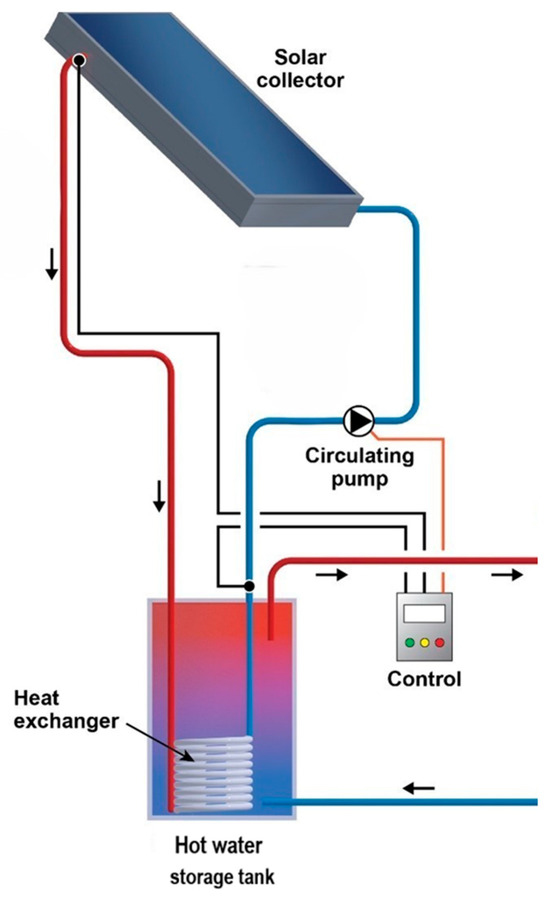
Active solar heating has parts that work together to collect and move heat. Each part is important.
Main parts include solar collectors, heat transfer systems, storage tanks, and controls.
- Solar Collectors:Capture sunlight and turn it into heat.
- Heat Transfer Systems:Pumps or fans that move heat inside.
- Storage Tanks:Hold warm water or air for later use.
- Controls:Manage the system to keep comfort and save energy.
Credit: www.mdpi.com
Solar Collectors
Solar collectors are the key parts of an active solar heating system. They collect sunlight and turn it into heat.
The heat from collectors warms air or liquid. This heat moves into your home or water system.
Types Of Collectors
There are several types of solar collectors. Each type works best for different heating needs.
- Flat-plate collectors: Large, flat panels that absorb sunlight.
- Evacuated tube collectors: Tubes that reduce heat loss and work well in cold climates.
- Integral collector-storage systems: Combine collection and storage in one unit.
Collector Materials
Collector materials affect how well the system collects and keeps heat. Good materials last longer.
- Absorber plate: Usually made of copper or aluminum for good heat conduction.
- Glazing: Glass or plastic covers to keep heat inside.
- Insulation: Keeps heat from escaping the back and sides.
- Frame: Often made from aluminum or steel to support the collector.
Installation Tips
Correct installation helps solar collectors work well all year. Position and angle matter most.
- Place collectors facing true south for best sunlight.
- Angle collectors equal to your location’s latitude.
- Keep collectors free of shade from trees or buildings.
- Ensure good sealing to avoid heat loss and water leaks.
- Use sturdy mounts to withstand wind and weather.
Heat Storage
Heat storage is a key part of an active solar heating system. It holds the heat collected during sunny periods. This stored heat can be used when sunlight is not available.
Proper heat storage improves system efficiency and comfort. It helps maintain a steady indoor temperature by releasing heat slowly.
Storage Methods
There are several ways to store heat in active solar heating systems. The choice depends on cost, space, and climate.
- Water Tanks:Water holds heat well and is easy to use.
- Phase Change Materials:These absorb and release heat by changing state.
- Rock or Gravel Beds:They store heat by absorbing it during the day.
- Concrete or Brick Walls:Thick walls can act as heat storage.
Insulation Importance
Good insulation keeps stored heat from escaping too fast. It helps save energy and reduces heating costs.
| Insulation Material | R-Value | Use |
| Fiberglass | 3.1 – 4.3 | Walls and ceilings |
| Foam Board | 4.0 – 6.5 | Under floors and exterior walls |
| Spray Foam | 6.0 – 7.0 | Sealing gaps and cavities |
| Mineral Wool | 3.0 – 3.3 | Fire resistant insulation |

Credit: www.researchgate.net
Distribution Systems
Distribution systems move heat from solar collectors to the home. They are key parts of active solar heating. These systems use either air or liquid to carry heat.
Choosing the right system depends on the building and climate. The design affects efficiency and cost.
Air Vs. Liquid Systems
Air systems use fans to move warm air through ducts. Liquid systems use pumps to circulate heated water or antifreeze. Each has pros and cons.
| Feature | Air Systems | Liquid Systems |
|---|---|---|
| Heat Transfer | Warm air | Hot water or antifreeze |
| Components | Fans, ducts | Pumps, pipes, heat exchangers |
| Installation Cost | Lower | Higher |
| Maintenance | Simple | More complex |
| Efficiency | Moderate | High |
Pumps And Fans
Pumps and fans move heat through the distribution system. Pumps push liquid through pipes. Fans blow air through ducts. Both need power to run.
- Pumps control liquid flow speed and pressure.
- Fans adjust airflow to spread heat evenly.
- Energy use depends on system size and design.
- Proper sizing keeps the system efficient.
- Regular checks prevent breakdowns and save energy.
Control Mechanisms
Active solar heating systems rely on control mechanisms to function efficiently. These controls manage heat flow and system operation. They help keep the temperature comfortable and prevent energy waste.
Two main types of control mechanisms are used: thermostats and sensors, and automated controls. Each plays a key role in system performance.
Thermostats And Sensors
Thermostats and sensors monitor temperature changes within the system. They send signals to activate or stop heating components. This keeps the indoor space at the desired temperature.
- Thermostats measure indoor temperature
- Solar sensors detect sunlight intensity
- Temperature sensors monitor fluid or air heat
- Freeze sensors protect the system from cold damage
Automated Controls
Automated controls use data from thermostats and sensors to operate valves, pumps, and fans. They adjust system settings without manual input. This keeps the solar heating system running smoothly.
| Control Device | Function | Benefit |
| Automatic Pump Controller | Starts or stops fluid circulation | Prevents overheating or freezing |
| Motorized Valves | Direct heat flow | Optimizes energy use |
| Fan Controllers | Regulate air movement | Maintain steady indoor temperature |
| System Controller Unit | Processes sensor data | Coordinates all components |
System Efficiency Factors
Active solar heating systems use sunlight to heat a building. Their efficiency depends on many factors. Understanding these helps improve performance.
Efficiency shows how well the system converts solar energy into heat. Good design and proper care keep the system working well.
Design Considerations
The system design affects how much heat it can collect and use. Choose the right materials and layout to get the best results.
Solar collector placement is very important. It should face the sun directly for most of the day. Insulation around pipes stops heat loss.
- Use high-quality solar collectors with good absorption
- Place collectors facing south in the northern hemisphere
- Insulate pipes and storage tanks well
- Choose the right pump size for water circulation
- Include a backup heating system for cloudy days
Maintenance Tips
Regular maintenance keeps the system efficient. Check all parts often to find problems early. Clean solar collectors to remove dust and dirt.
Look for leaks in pipes and repair them quickly. Test the pump and controls regularly to ensure smooth operation. Replace worn parts as needed.
- Clean solar collectors at least twice a year
- Check pipes and valves for leaks or damage
- Test pump and control systems every few months
- Drain and flush the system to remove sediment
- Replace damaged insulation promptly
Common Installation Challenges
Installing an active solar heating system has many challenges. These issues can affect how well the system works.
Knowing these challenges helps prepare for a smoother installation process and better system performance.
Site Assessment
Choosing the right site is very important for an active solar heating system. The area must get enough sunlight during the day.
Shade from trees or buildings can block sunlight and reduce system efficiency. The roof type and angle also matter for placing solar collectors.
- Check for shade from nearby objects
- Measure roof angle and strength
- Consider space for pipes and equipment
- Evaluate access for maintenance
Weather Impact
Weather affects how well an active solar heating system works. Cold or cloudy days lower the heat collected from the sun.
Heavy snow or ice can damage system parts or block sunlight. Wind can cool pipes and reduce heat transfer.
- Plan for snow removal on solar panels
- Use insulated pipes to reduce heat loss
- Choose durable materials for strong winds
- Monitor system during extreme weather
Cost And Savings
An active solar heating system uses solar energy to warm your home. It helps lower energy bills by reducing the need for other heating sources.
Understanding the costs and savings can help you decide if this system fits your budget and needs.
Initial Investment
The start-up cost includes solar collectors, pumps, and storage tanks. Installation fees also add to the total price.
Costs vary based on system size and home needs. A professional estimate gives a clearer picture of expenses.
- Solar collectors absorb sunlight
- Pumps move heated fluid through the system
- Storage tanks hold warm water or air
- Installation involves labor and materials
Long-term Benefits
Active solar heating reduces monthly energy bills. It uses free sunlight, which lowers fuel costs over time.
The system can increase home value and reduce carbon footprints. Maintenance costs are usually low compared to savings.
- Lower heating bills each month
- Less reliance on gas or electricity
- Possible tax credits or rebates
- Increased property value
- Reduced environmental impact
Frequently Asked Questions
What Is An Active Solar Heating System Diagram?
An active solar heating system diagram visually explains how solar energy heats a building. It shows components like solar collectors, pumps, and heat storage, illustrating the energy flow and system operation clearly.
How Does An Active Solar Heating System Work?
It collects solar energy using collectors, circulates heated fluid via pumps, and transfers heat to storage or indoor spaces. This process efficiently warms buildings using renewable energy.
What Are Key Components In An Active Solar Heating Diagram?
Key parts include solar collectors, heat transfer fluid, pumps, heat exchangers, and storage tanks. Each component plays a vital role in capturing, circulating, and storing solar heat.
Why Use A Diagram For Active Solar Heating Systems?
Diagrams simplify complex system layouts, aiding understanding and design. They help homeowners and installers visualize energy flow and identify each component’s function easily.
Conclusion
Active solar heating systems use the sun’s energy to warm buildings. The diagram shows how each part works together. Solar collectors capture sunlight and turn it into heat. A pump moves the heated fluid through pipes. This heat then warms the air or water inside.
These systems save energy and reduce bills. They also help protect the environment. Understanding this system makes it easier to choose solar heating. Clean, simple, and efficient. A smart step toward greener living.