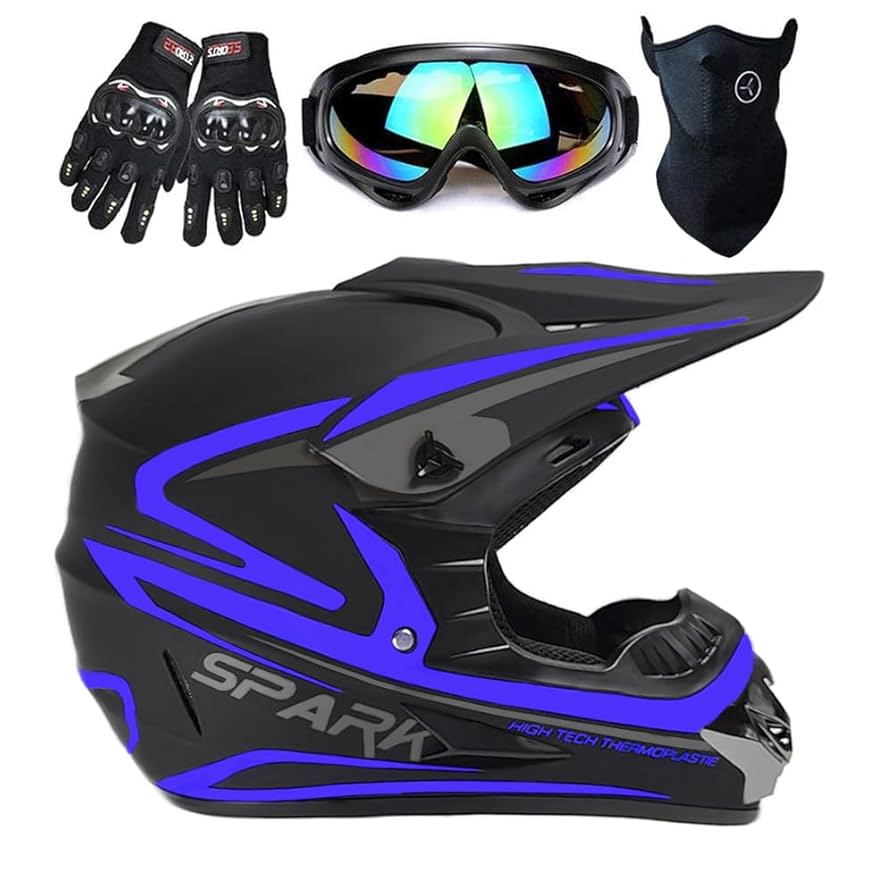
When you’re out on your dirt bike, the thrill of the ride is unbeatable. But have you ever stopped to think about how important your helmet is?
A dirt bike helmet isn’t just gear – it’s your shield, your safety net. Choosing the right one can protect you from serious injuries and keep you riding longer and stronger. If you want to know how to pick the best helmet for your needs and what features really matter, keep reading.
Your head will thank you.
Helmet Types For Dirt Bikes
Riding a dirt bike can be fun and fast. Wearing the right helmet keeps you safe. Different helmets suit different riders and styles.
Choosing the right helmet helps protect your head during falls and crashes. Learn about the main helmet types for dirt biking.
Full-face Helmets
Full-face helmets cover your entire head and face. They have a strong chin guard to protect your jaw. These helmets offer the best protection for dirt bike riding.
They also have a visor to block dirt and sun. Many riders choose full-face helmets for tough trails and races.
- Complete head and face protection
- Strong chin guard
- Visor blocks dirt and sun
- Good for high-speed riding
Open-face Helmets
Open-face helmets cover the top and sides of your head. They leave the face open for better air and view. These helmets are lighter but offer less face protection.
Riders who want more airflow or easier communication may pick open-face helmets. You should wear goggles to protect your eyes.
- Covers head but leaves face open
- Better airflow and visibility
- Requires goggles for eye protection
- Lighter than full-face helmets
Modular Helmets
Modular helmets combine features of full-face and open-face helmets. The chin bar can flip up to open the face area. This lets riders switch between full and open coverage.
They offer good protection and convenience. Some riders use modular helmets for trail rides or casual dirt biking.
- Chin bar flips up to open the face
- Mix of full and open-face features
- Easy to talk or eat without removing helmet
- Good protection with flexibility
Key Safety Features
A dirt bike helmet protects your head in crashes. It reduces the risk of serious injuries. Safety features make helmets reliable and strong.
These features include impact protection, secure chin straps, and good ventilation. Each part helps keep you safe and comfortable.
Impact Protection
Impact protection is the helmet’s main job. It absorbs energy from crashes and reduces force on your head.
Helmets use a hard outer shell and a soft inner liner. The shell breaks or spreads impact, while the liner cushions your skull.
- Outer shell made from strong materials like polycarbonate or fiberglass
- Inner foam liner absorbs shock to protect the brain
- Designs tested to meet safety standards
Chin Straps And Buckles
Chin straps keep the helmet firmly in place. They stop the helmet from falling off during a ride or crash.
Buckles secure the straps and allow easy tightening or release. A good buckle is strong and simple to use, even with gloves.
- Adjustable straps for a snug fit
- Durable buckles made from metal or high-strength plastic
- Quick-release systems for fast removal
Ventilation Systems
Ventilation keeps air flowing inside the helmet. It helps riders stay cool and dry during long rides.
Good airflow reduces fogging on the visor and prevents discomfort from heat and sweat.
- Multiple vents at front, top, and rear
- Channels inside the helmet guide air through
- Some helmets have removable vent covers for dusty conditions
Materials And Construction
Dirt bike helmets protect riders from impacts and debris. Their materials and build affect safety and comfort.
Understanding the parts helps choose the right helmet for your ride and safety needs.
Outer Shell Materials
The outer shell is the helmet’s first line of defense. It spreads impact forces and resists penetration.
- Polycarbonate:A tough plastic that is lightweight and affordable.
- Fiberglass composite:Offers good strength and impact absorption.
- Carbon fiber:Very strong and light but usually costs more.
- Kevlar:Used with other fibers to increase durability and resistance.
Inner Padding And Liners
The inner padding cushions the head and helps absorb shock. It also adds comfort and fits the helmet snugly.
| Material | Purpose |
| Expanded Polystyrene (EPS) Foam | Absorbs impact energy to reduce head injury |
| Comfort Foam | Provides soft cushioning and fit adjustment |
| Moisture-Wicking Fabric | Keeps sweat away and improves comfort |
| Removable Liners | Easy to clean and replace |
Weight Considerations
Lighter helmets reduce neck strain and make riding easier. Weight depends on shell and padding materials.
Typical weight ranges:
- Polycarbonate shells: 1400-1600 grams
- Fiberglass shells: 1200-1400 grams
- Carbon fiber shells: 1000-1300 grams

Credit: www.ebay.ca
Style And Design Options
Dirt bike helmets come in many styles and designs. Riders can find helmets that fit their personality and needs.
Choosing the right style helps with both safety and comfort while riding off-road.
Color And Graphics
Colors and graphics make a dirt bike helmet stand out. You can pick simple colors or bold designs with patterns.
- Matte or glossy finishes
- Fluorescent or neon colors
- Racing stripes or camo patterns
- Custom logos and decals
- Limited edition artist designs
Visor And Face Shield Styles
Visors and face shields protect you from dirt, sun, and wind. They come in different shapes and sizes.
| Style | Purpose | Features |
|---|---|---|
| Fixed Visor | Sun and debris protection | Stays in place, wide coverage |
| Adjustable Visor | Custom fit and angle | Can be moved up or down |
| Clear Face Shield | Full face protection | Scratch-resistant, anti-fog |
| Tinted Shield | Reduces glare | UV protection |
Customizable Features
Many helmets offer parts you can change or add. This helps you make the helmet fit your style and needs.
Popular Customizable Features
- Replaceable cheek pads for comfort
- Interchangeable liners for fit and hygiene
- Detachable chin guards
- Vent covers to control airflow
- Custom paint or airbrushing options
Helmet Fit And Comfort
A dirt bike helmet must fit well to protect you properly. Comfort is important for long rides.
A helmet that fits right keeps you safe and feels good on your head. Let’s look at how to check fit and comfort.
Measuring Head Size
Use a soft tape to measure around your head. Place it above your eyebrows and ears.
Measure the widest part of your head for the best fit. Note the size in centimeters or inches.
- Wrap tape around head, above eyebrows
- Keep tape level and snug, not tight
- Write down the measurement
- Compare to helmet size chart
Adjustable Components
Many helmets have parts you can adjust for a better fit. These parts help the helmet stay secure.
Look for adjustable straps and removable padding. They help you customize comfort and fit.
- Chin straps with easy clips
- Removable cheek pads
- Adjustable vents for airflow
- Replaceable liners for fit changes
Breathability And Moisture Control
Good airflow keeps your head cool while riding. Moisture control stops sweat from building up.
Helmets with vents and moisture-wicking liners improve comfort. They help you ride longer without discomfort.
- Multiple vents for air circulation
- Moisture-wicking fabric inside
- Removable, washable liners
- Designs that reduce fogging

Credit: foxracing.ca
Safety Standards And Certifications
Dirt bike helmets must meet safety standards. These rules protect riders in crashes.
Certifications show helmets passed strict tests. They ensure helmets are strong and safe.
Dot Certification
DOT means Department of Transportation. It is a US government safety standard.
Helmets with DOT certification meet impact and penetration tests. They also have proper straps.
- Tests include impact absorption
- Shell penetration resistance
- Retention system strength
Snell Certification
Snell is a private group that tests helmets. It has higher safety standards than DOT.
Snell tests include multiple impacts and shell strength. It focuses on extra rider protection.
- More rigorous impact testing
- Stronger shell requirements
- Testing for chin strap durability
Ece Certification
ECE stands for Economic Commission for Europe. It is used in Europe and other places.
ECE helmets pass tests for impact, shell quality, and strap strength. The tests repeat over time.
- Impact absorption tests
- Penetration resistance
- Retention system checks
- Tests done on multiple helmets
Maintenance And Care Tips
Taking care of your dirt bike helmet keeps it safe and comfortable. Regular maintenance helps the helmet last longer. Clean it often and check for worn parts.
Store your helmet properly to protect it from damage. Follow these tips to keep your helmet in top shape.
Cleaning The Helmet
Clean your helmet gently to avoid damage. Use mild soap and warm water. Avoid strong chemicals that can harm the materials.
- Remove the inner padding before washing
- Use a soft cloth or sponge to clean the shell
- Rinse with clean water and let it air dry
- Do not use a hair dryer or direct sunlight to dry
- Clean the visor with a microfiber cloth only
Replacing Worn Parts
Check your helmet parts often. Replace any worn or damaged pieces to keep safety high. Common parts to watch include straps and padding.
| Part | Replacement Signs |
| Straps | Fraying, loose buckles |
| Padding | Flat, torn, or smelly |
| Visor | Scratches, cracks, or cloudiness |
Storage Best Practices
Store your helmet in a cool, dry place. Avoid spots with direct sunlight or high heat. Keep it away from heavy objects that can cause dents.
- Use a helmet bag or soft cloth cover
- Place on a helmet stand or flat surface
- Keep away from chemicals or fuel
Choosing The Right Helmet For Your Riding Style
Wearing the right helmet keeps you safe while riding a dirt bike. Different riding styles need different helmets. It is important to pick one that fits your style and protects well.
Here we explain how to choose helmets for trail riding, motocross racing, and freestyle riding. Each style has special needs for comfort and safety.
Trail Riding
Trail riding is often slow and long on rough paths. You need a helmet that is light and well-ventilated. It should protect from branches, dust, and falls.
- Look for helmets with good airflow to keep cool.
- Choose a helmet with a visor to block sun and debris.
- Make sure the helmet fits snug but is not too tight.
- Check for certifications that prove safety standards.
Motocross Racing
Motocross racing is fast and rough. Helmets must be very strong and fit tightly. They also need a face guard to protect your mouth and chin.
| Feature | Reason | Example |
|---|---|---|
| Strong Shell | Protects head from hard impacts | Polycarbonate or fiberglass |
| Full Face Guard | Shields face from dirt and crashes | Chin bar included |
| Secure Fit | Prevents helmet from moving in crashes | Adjustable straps and padding |
| Good Ventilation | Keeps rider cool at high speeds | Multiple vents |
Freestyle And Stunt Riding
This style needs helmets that protect against many falls and flips. They must be strong but also allow good vision and movement.
Important helmet features for freestyle riding:
- Extra padding for shock absorption
- Wide eye port for clear view
- Lightweight design for easy head movement
- Strong chin protection
Budgeting For Safety And Style
Choosing a dirt bike helmet means balancing safety and style. You want protection without spending too much. Knowing your budget helps find the right helmet.
Helmets come in many price ranges. Each range offers different features and designs. Let’s explore options for every budget.
Entry-level Options
Entry-level helmets provide basic safety features. They suit beginners and casual riders. These helmets often weigh a bit more but meet safety standards.
- Affordable price for tight budgets
- Simple designs with fewer vents
- Meets essential safety certifications
- May lack advanced padding or lightweight materials
Mid-range Helmets
Mid-range helmets blend safety and style better. They use lighter materials and offer more comfort. Riders get improved ventilation and better fit options.
| Feature | Entry-Level | Mid-Range |
| Weight | Heavier | Lighter |
| Ventilation | Basic | Improved |
| Padding | Standard | Comfort Enhanced |
| Price Range | Low | Moderate |
Premium Models
Premium helmets offer top safety features and style. They use advanced materials like carbon fiber. These helmets are lightweight and come with extra protection.
- Superior impact resistance
- High-end ventilation systems
- Custom fit and comfort options
- Stylish designs with graphics
- Longer warranty periods

Credit: foxracing.ca
Frequently Asked Questions
What Is The Best Dirt Bike Helmet Material?
The best dirt bike helmet material is usually a composite of fiberglass, carbon fiber, or polycarbonate. These materials offer a strong balance of protection, durability, and weight. Fiberglass and carbon fiber helmets are often lighter and more expensive, while polycarbonate is more affordable and still provides good protection.
How Do I Choose The Right Helmet Size?
To choose the right helmet size, measure the circumference of your head just above your eyebrows. Compare your measurement to the manufacturer’s sizing chart. The helmet should fit snugly without causing discomfort. It’s important to try on different brands, as sizing can vary.
A proper fit ensures maximum safety.
How Often Should I Replace My Helmet?
You should replace your dirt bike helmet every five years, or after a significant impact. Even if it looks undamaged, inner materials may degrade over time. Regularly inspect your helmet for cracks or other damage. Replacing it ensures optimal protection, especially for frequent riders.
Are More Expensive Helmets Safer?
More expensive helmets often use advanced materials and technology, offering better protection and comfort. They may include features like improved ventilation and reduced weight. However, all helmets must meet safety standards. It’s crucial to find a helmet that fits well and meets your safety needs, regardless of price.
Conclusion
Choosing the right dirt bike helmet keeps you safe on every ride. A good helmet fits well and feels comfortable. It protects your head from injuries and dust. Always check for quality and safety standards before buying. Riding without a proper helmet is risky and unwise.
Stay alert, ride smart, and protect yourself. Your safety matters more than anything else. A helmet is a small gear with a big job. Keep it clean and replace it after any crash. Enjoy the ride with peace of mind.