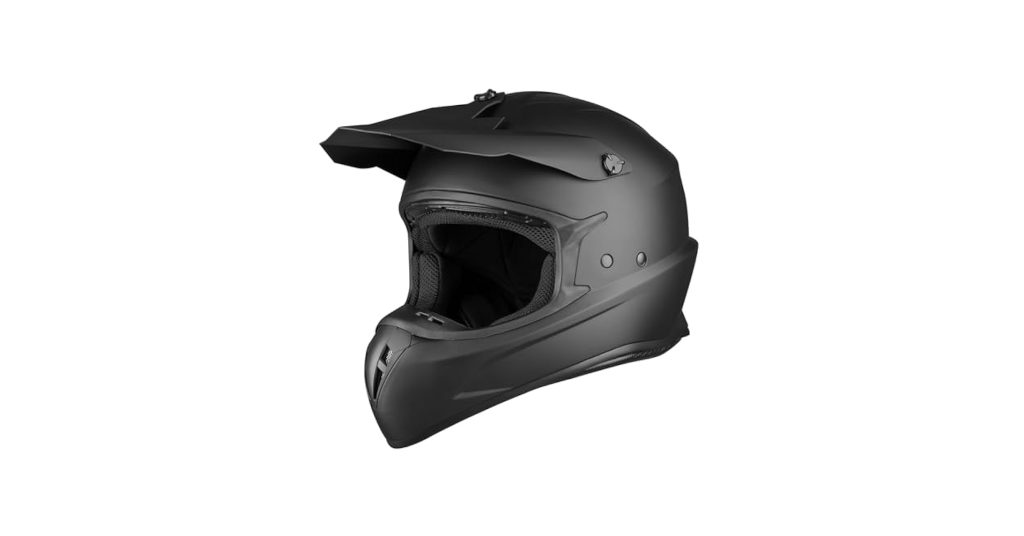
When you’re out on your dirt bike, nothing is more important than your safety. A dirt bike helmet isn’t just gear—it’s your shield against serious injuries.
Choosing the right helmet can protect your head, boost your confidence, and keep you riding longer. But with so many options out there, how do you find the one that fits you perfectly? Keep reading to discover what makes a dirt bike helmet essential and how to pick the best one for your rides.
Your safety depends on it.

Credit: www.amazon.com
Why Dirt Bike Helmets Matter
Dirt bike helmets protect riders during crashes and falls. They reduce the risk of serious head injuries.
Wearing a helmet is a smart choice for safety and peace of mind on rough trails.
Protecting Against Head Injuries
Helmets absorb the shock from impacts to the head. They lower the chance of brain injury in accidents.
Good helmets have a hard outer shell and soft inner padding. This design helps protect your skull and brain.
- Prevents skull fractures
- Reduces brain trauma
- Protects face and jaw
Legal Requirements And Safety Standards
Many places require dirt bike riders to wear helmets by law. This rule helps reduce injuries and deaths.
Helmets must meet safety standards set by organizations. These tests check for strength and impact resistance.
- DOT certification in the USA
- ECE approval in Europe
- Snell safety standards for impact
Enhancing Rider Confidence
Wearing a helmet makes riders feel safer. This confidence helps them focus on riding well.
When riders trust their gear, they can enjoy the ride more and take on challenges safely.

Credit: www.bellhelmets.com
Key Features Of Dirt Bike Helmets
Dirt bike helmets protect riders during off-road riding. They keep the head safe from impacts and debris. Choosing the right helmet helps prevent injuries.
These helmets have special features designed for rough conditions. The main parts include the shell, liner, ventilation, and fit. Each part plays a role in safety and comfort.
Durable Shell Materials
The helmet shell is the outer layer. It must be strong to protect against crashes and hits. Most dirt bike helmets use tough plastic or composite materials.
Common materials include polycarbonate, fiberglass, and carbon fiber. These materials resist cracks and spread impact forces. A strong shell reduces injury risk.
- Polycarbonate: Lightweight and impact-resistant
- Fiberglass: Strong and flexible
- Carbon fiber: Very light and durable
Impact-absorbing Liner
The liner is inside the helmet shell. It absorbs shock during impacts. This layer helps reduce the force that reaches the head.
Most liners are made from expanded polystyrene (EPS) foam. The foam crushes on impact to protect the brain. Some helmets have multi-density liners for better protection.
- EPS foam absorbs energy from crashes
- Multi-density liners improve shock absorption
- Replace liners if the helmet takes a big hit
Ventilation Systems
Dirt bike helmets have vents to keep air flowing. Good ventilation stops overheating and sweat build-up. This helps riders stay cool and focused.
Vents are placed at the front, top, and rear. Air enters through front vents and exits through rear vents. Some helmets have adjustable vents for control.
- Front vents bring fresh air in
- Rear vents let warm air out
- Adjustable vents customize airflow
Comfort And Fit
A helmet must fit well to protect properly. It should feel snug but not tight. Comfort helps riders wear the helmet longer without pain.
Most helmets have removable, washable pads. These pads help with fit and hygiene. Adjustable straps keep the helmet secure during rides.
- Snug fit prevents helmet movement
- Removable pads improve comfort and cleaning
- Adjustable straps keep helmet in place
Types Of Dirt Bike Helmets
Dirt bike helmets protect riders during off-road riding. They come in different styles for various needs.
Choosing the right helmet helps keep you safe and comfortable on the trail.
Full-face Helmets
Full-face helmets cover the entire head and face. They have a chin bar for extra protection.
These helmets are good for high-speed riding and rough terrain. They protect from debris and impacts.
Open-face Helmets
Open-face helmets cover the top and sides of the head. They leave the face open.
These helmets provide more airflow and a wider view. They offer less face protection than full-face helmets.
Motocross Helmets
Motocross helmets are designed for off-road racing and jumps. They have strong shells and extra padding.
They include a large visor to block mud and sun. They also have a chin guard for impact safety.
- Lightweight for better control
- Good ventilation to keep cool
- Strong chin bar for protection
- Visor to shield eyes from dirt
Dual-sport Helmets
Dual-sport helmets work on and off the road. They combine features of full-face and motocross helmets.
These helmets have a face shield and a visor. They offer good protection and comfort for many uses.
Choosing The Right Helmet
Choosing the right dirt bike helmet is very important for safety. A good helmet protects your head during rides.
There are many types of helmets. Picking one that fits well and suits your riding style is key.
Measuring For Proper Fit
Measure your head size to find the right helmet. Use a tape measure around the largest part of your head.
The helmet should feel snug but not too tight. Make sure it covers your forehead and does not move when you shake your head.
- Measure 1 inch above your eyebrows
- Check helmet fit by wearing it for a few minutes
- Try different sizes if unsure
Considering Riding Style And Terrain
Your riding style affects the helmet you need. Different terrains also require different helmet features.
For off-road trails, use helmets with good ventilation. For motocross, choose helmets with strong face protection.
- Trail riding: lightweight, ventilated helmets
- Motocross: full-face helmets with chin guards
- Enduro: helmets with removable visors
Budget And Brand Options
Set a budget before buying your helmet. There are good helmets at different price points.
Choose brands known for safety and quality. Check reviews to find helmets that last and protect well.
- Budget helmets offer basic protection
- Mid-range helmets balance price and features
- High-end helmets have advanced materials and comfort
Maintaining And Replacing Helmets
A dirt bike helmet protects your head during rides. Keeping it clean and checking for damage is very important. This helps the helmet work well and keeps you safe.
Knowing when to replace your helmet can prevent injuries. This guide shows how to care for your helmet and when to get a new one.
Cleaning And Care Tips
Clean your helmet regularly to remove dirt and sweat. Use gentle soap and warm water. Avoid strong chemicals that can damage the shell or padding.
- Remove the inner padding and wash it by hand.
- Wipe the helmet shell with a soft cloth.
- Dry the helmet naturally, away from direct sunlight.
- Store your helmet in a cool, dry place.
- Check the visor and replace if scratched or cloudy.
Signs Of Wear And Damage
Look for cracks, dents, or deep scratches on the helmet shell. Check if the straps are frayed or loose. The inner foam should not be crushed or broken.
| Damage Type | What to Check |
| Shell | Cracks, dents, deep scratches |
| Straps | Fraying, broken buckles, looseness |
| Padding | Compression, tears, bad odor |
| Visor | Scratches, cracks, cloudiness |
When To Replace Your Helmet
Replace your helmet after any crash, even if damage is not visible. Helmets wear out over time and lose protection. Most experts say to replace every five years.
- Replace after a crash or impact.
- Replace if you see cracks or damage.
- Replace if the straps or padding are worn out.
- Replace if the helmet is over five years old.

Credit: www.ebay.com
Additional Safety Gear To Complement Helmets
A dirt bike helmet protects your head, but other gear keeps you safer. Using extra safety equipment helps reduce injuries during rides.
Learn about goggles, neck braces, and body armor that work with helmets for full protection on the track or trail.
Goggles And Eye Protection
Goggles protect your eyes from dust, dirt, and debris. They also help you see clearly in bright sun or bad weather. Choose goggles with good ventilation to avoid fogging.
- Shatterproof lenses for safety
- UV protection for bright sunlight
- Comfortable foam padding around edges
- Adjustable straps to fit well with helmets
Neck Braces And Guards
Neck braces help protect your neck from strong impacts. They limit extreme head movement during crashes. Neck guards add extra padding to reduce injury risks.
| Type | Benefit | When to Use |
| Rigid Neck Brace | Limits head tilt and rotation | High-speed riding |
| Soft Neck Guard | Protects skin and soft tissue | Trail riding |
| Integrated Neck Support | Works with body armor | Competitive racing |
Body Armor And Pads
Body armor protects your chest, back, and shoulders. Pads shield your knees, elbows, and shins. This gear absorbs shocks and prevents cuts or bruises.
- Chest protectors guard vital organs
- Back protectors reduce spine injuries
- Knee and elbow pads improve joint safety
- Lightweight materials allow easy movement
Frequently Asked Questions
What Makes A Dirt Bike Helmet Different From Regular Helmets?
Dirt bike helmets offer enhanced ventilation and a lightweight design. They provide better protection against off-road impacts and debris. Their extended chin guard protects the face during rough rides. These features suit the unique demands of dirt biking.
How Do I Choose The Right Size Dirt Bike Helmet?
Measure your head circumference with a tape measure above the eyebrows. Compare measurements to the helmet sizing chart. The helmet should fit snugly but comfortably without pressure points. Proper fit ensures safety and comfort during rides.
Are Full-face Dirt Bike Helmets Safer Than Open-face Ones?
Yes, full-face helmets offer more protection by covering the entire head and face. They shield against impacts, dust, and flying debris. Open-face helmets provide less coverage and are less safe for dirt biking.
How Often Should I Replace My Dirt Bike Helmet?
Replace your helmet every 3 to 5 years or after a crash. The materials degrade over time, reducing protection. Regular replacement ensures maximum safety on every ride.
Conclusion
Choosing the right dirt bike helmet keeps you safe on every ride. A good helmet fits well and feels comfortable. It protects your head from injuries and dust. Always check for strong materials and proper ventilation. Remember, safety should be your top priority.
Wearing a helmet helps you enjoy dirt biking with peace of mind. Stay safe, ride smart, and have fun on the trails.