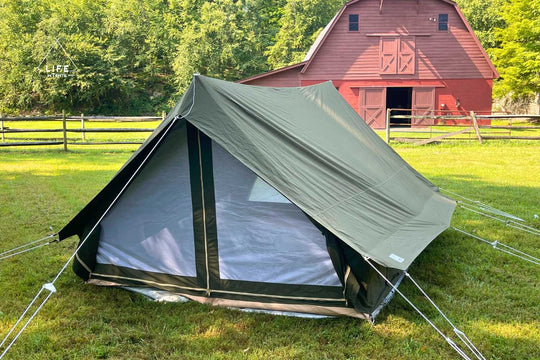
Are you planning an outdoor event and want a shelter that’s both sturdy and stylish? An A Frame Tent might be exactly what you need.
This type of tent offers a simple yet strong design that can protect you and your guests from sun, rain, or wind. Imagine having a space that’s easy to set up, versatile for any occasion, and looks great too. Keep reading to discover why an A Frame Tent could be the perfect choice for your next gathering and how it can make your event more comfortable and memorable.

Credit: www.amazon.com
Choosing The Right Frame Tent
Frame tents are a great choice for many outdoor events. They offer strong support and a clean look without center poles.
Picking the right frame tent means thinking about size, type, and materials. This helps you get the best fit for your needs.
Types Of Frame Tents
Frame tents come in different styles. Each style suits a certain kind of event or space.
- Standard Frame Tents: Have a simple frame and walls.
- Clear Span Frame Tents: Offer wide open spaces without inside poles.
- High Peak Frame Tents: Feature tall, pointed roofs for extra headroom.
Choose a type that fits your event size and style.
Size And Capacity Options
Frame tents come in many sizes. It is important to pick a tent that fits your guest count and activities.
- Small Tents: Good for 10 to 30 people.
- Medium Tents: Fit 40 to 100 people.
- Large Tents: Hold over 100 guests.
Measure your space and think about tables, chairs, and other needs before choosing size.
Material Considerations
Materials affect how strong and weatherproof the tent is. Look for durable fabrics and frames.
- Frame Material: Aluminum is light and rust-resistant. Steel is very strong.
- Fabric Material: Polyester is common. Vinyl offers better water resistance.
- Coatings: Some fabrics have fire retardant or UV protection coatings.
Choose materials that match your budget and event conditions.
Essential Tools And Equipment
Setting up a frame tent requires specific tools and equipment. This guide will help you know what you need.
Having the right tools makes the setup process easier and safer. Let’s explore what’s essential.
Basic Setup Tools
For a frame tent, basic tools are crucial. They help in assembling and securing the tent effectively.
- Hammer: Used for driving stakes into the ground
- Tape Measure: Ensures correct spacing and alignment
- Wrench: Tightens bolts and screws
- Level: Checks that the frame is even
Safety Gear
Safety gear protects you from injuries while setting up the tent. Always wear the recommended items.
- Gloves: Protect hands from cuts and blisters
- Safety Glasses: Shield eyes from debris
- Hard Hat: Guards head from falling objects
- Steel-Toe Boots: Prevents foot injuries
Additional Accessories
Some accessories enhance the tent’s functionality and comfort. They are useful for different events and weather conditions.
- Sidewalls: Provide protection from wind and rain
- Lighting: Illuminates the space for evening events
- Flooring: Offers a stable and clean surface
- Anchors: Keep the tent secure in windy conditions
Step-by-step Setup Process
Setting up an A frame tent can be simple with clear steps. Follow this guide to set it up safely.
Each step helps ensure the tent is strong and ready for use.
Site Selection And Preparation
Pick a flat area free of rocks, sticks, and debris. This will make the setup easier and the tent stable.
Clear the ground and check for any sharp objects. Make sure the spot has good drainage if it rains.
- Find a level surface
- Remove stones and sticks
- Check for water drainage
- Avoid low spots where water collects
Assembling The Frame
Lay out all frame parts and identify each piece. Follow the instructions to connect the poles securely.
Start by joining the base poles, then add the top ridge pole. Use the connectors to lock poles in place.
- Sort frame parts by size
- Connect base poles first
- Attach the ridge pole last
- Ensure all joints are tight
Attaching The Tent Fabric
Unfold the tent fabric and spread it over the frame. Align the tent so doors and windows face the right way.
Secure the fabric to the frame using straps, clips, or Velcro. Make sure the fabric is tight but not stretched too much.
- Unfold fabric carefully
- Position doors and windows correctly
- Attach fabric to frame securely
- Check for wrinkles or loose spots
Securing And Anchoring
Use stakes or pegs to anchor the tent to the ground. Insert them at an angle for better hold.
Tighten all guy lines and ropes to keep the tent stable in wind. Double-check all anchors before use.
- Drive stakes into the ground firmly
- Attach guy lines to anchor points
- Tighten all ropes evenly
- Inspect anchors regularly

Credit: www.amazon.com
Maintenance And Storage Tips
Taking care of your A Frame Tent keeps it strong and ready to use. Good maintenance helps the tent last longer. Proper storage stops damage during off-season times.
Follow these simple tips to clean, check, and store your tent properly. This protects your investment and ensures safe camping trips.
Cleaning The Tent
Always clean your tent after each use. Dirt, mud, and sweat can break down the fabric over time. Use mild soap and water for cleaning.
- Set up the tent outside and brush off loose dirt.
- Use a sponge or soft cloth with mild soap and cold water.
- Rinse well with clean water to remove soap residues.
- Do not use harsh detergents or bleach.
- Let the tent air dry fully before packing it away.
Inspecting For Damage
Check your tent for tears, broken zippers, or damaged poles. Early repair stops small problems from getting worse. Look carefully at seams and corners.
| Part | What to Check | Fix Tips |
| Fabric | Tears, holes, or worn spots | Patch with repair tape or kit |
| Zippers | Stuck or broken teeth | Clean with brush, apply zipper lubricant |
| Poles | Bent or cracked sections | Replace or tape damaged areas |
| Seams | Loose stitching or gaps | Sew or use seam sealer |
Proper Storage Techniques
Store your tent in a dry, cool place. Avoid direct sunlight and moisture. Keep it loose in a large bag or container instead of tightly packed.
- Make sure the tent is completely dry before storing
- Fold or roll the tent loosely to avoid creases
- Use a breathable storage bag to prevent mold
- Keep away from pests and rodents
- Check the tent periodically during storage
Advantages Of Frame Tents
Frame tents are a popular choice for many outdoor events. They offer several benefits that make them useful in different situations.
These tents provide a strong and flexible shelter. They can fit many types of events and weather conditions.
Versatility In Events
Frame tents work well for weddings, parties, markets, and sports events. Their open design allows easy setup on grass, concrete, or sand.
The tents come in many sizes and shapes. This helps match the tent to the event’s needs.
- Suitable for small or large gatherings
- Can be decorated to fit any theme
- Allows clear walls for better views
Durability And Weather Resistance
Frame tents use strong metal frames and tough fabric covers. These materials resist wind and rain well.
The tents protect guests and equipment from sun and bad weather. This makes events more comfortable and safe.
- Metal frames resist rust and bending
- Waterproof covers keep rain out
- Wind-resistant designs improve stability
Easy Installation And Mobility
Frame tents are quick to set up and take down. They do not need poles in the middle, which saves time.
The lightweight frame parts can be moved easily. This makes the tents good for traveling events.
- No center poles block the space
- Parts fit in compact storage cases
- Can be installed by small teams
Credit: www.ebay.com
Common Challenges And Solutions
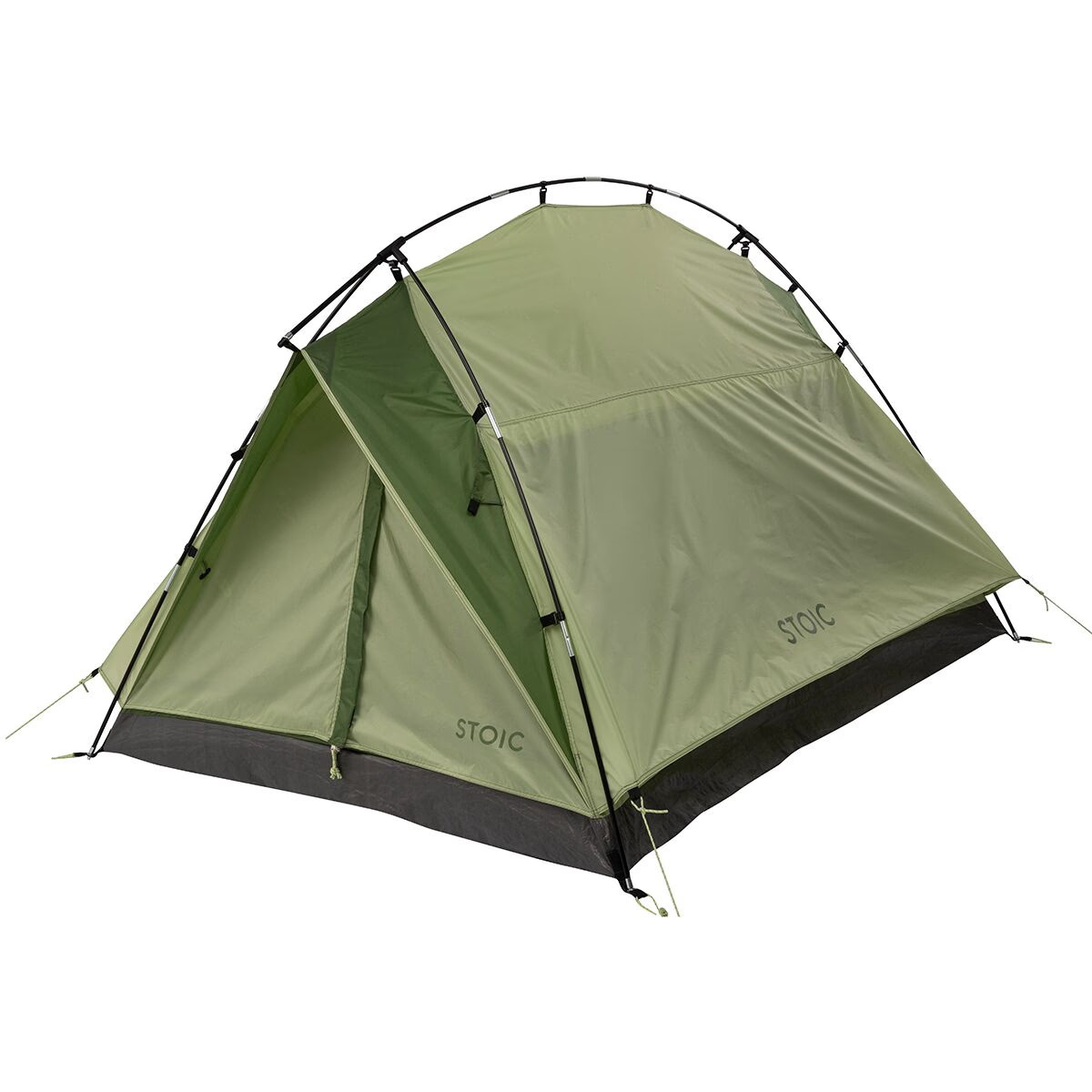
A frame tents are popular for many outdoor events. They offer great shelter but come with some challenges. Knowing how to handle these issues can make your experience better.
This guide covers common problems like wind, setup troubles, and care tips. Each section gives clear advice to help you manage your tent well.
Dealing With Wind And Weather
Wind and bad weather can make using an A frame tent hard. Strong winds may cause damage or even collapse the tent. Rain can cause leaks and muddy ground around the tent.
- Use heavy-duty stakes and secure all ropes tightly.
- Place windbreaks like fences or bushes on the wind side.
- Check weather forecasts before setting up the tent.
- Angle the tent so the narrow side faces the wind.
- Use waterproof covers or tarps to keep rain out.
Troubleshooting Setup Issues
Setting up an A frame tent can be tricky for first-timers. Common problems include poles not fitting, fabric wrinkles, or uneven tension.
| Problem | Cause | Solution |
| Poles don’t fit | Wrong assembly or damaged parts | Check the instruction and inspect poles for damage |
| Fabric wrinkles | Uneven tension or wrong pole placement | Adjust poles and tighten ropes evenly |
| Tent leans to one side | Uneven ground or loose stakes | Level the ground and secure stakes firmly |
Extending Tent Lifespan
Keeping your tent in good shape helps it last longer. Simple habits protect the fabric and frame from damage.
- Always dry the tent before storing it to avoid mold.
- Clean dirt and debris from the fabric after use.
- Store the tent in a cool, dry place away from sunlight.
- Inspect poles and fabric for damage after every use.
- Repair small tears or holes quickly with patch kits.
Frequently Asked Questions
What Is An A Frame Tent Used For?
An A Frame Tent is ideal for camping, events, and outdoor shelter. Its sturdy design offers good protection from weather. It’s easy to set up and transport, making it popular for recreational and temporary uses.
How Do You Set Up An A Frame Tent?
To set up, first stake the tent corners firmly. Then, attach the poles to create the A shape. Secure the tent fabric tightly and adjust for stability. Proper setup ensures durability and weather resistance.
What Materials Are A Frame Tents Made Of?
A Frame Tents are typically made from durable polyester or canvas fabric. The frames are often aluminum or fiberglass poles. These materials provide strength, weather resistance, and lightweight portability for outdoor use.
Are A Frame Tents Waterproof?
Most A Frame Tents feature waterproof coatings or treated fabrics. Sealed seams and water-resistant materials keep rain out effectively. However, always check product specifications to ensure full waterproof protection.
Conclusion
A frame tents offer strong support and easy setup. They fit many outdoor events and protect from weather. Their simple design makes them reliable and practical. Choose the right size for your needs and space. A frame tent keeps guests comfortable and safe.
It’s a smart choice for any occasion. Consider one for your next event and enjoy the benefits. Simple, sturdy, and versatile—perfect for outdoor gatherings.