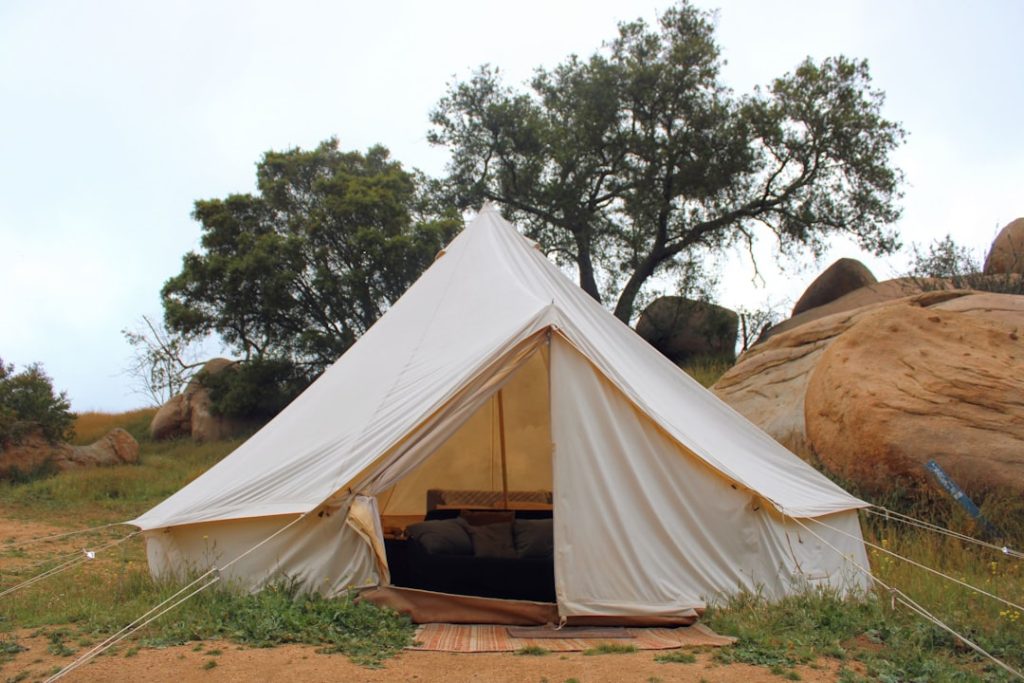
Imagine stepping back in time to the Civil War era, surrounded by the sights and sounds of history. Now, picture yourself under a sturdy A Frame tent, just like the soldiers used.
If you’ve ever wondered how these simple yet strong tents played a crucial role during the Civil War, you’re in the right place. This article will take you inside the world of A Frame tents—showing you why they mattered, how they were built, and how they shaped life on the battlefield.
Keep reading, and discover the surprising story behind this iconic piece of history.

Credit: www.amazon.co.uk
Civil War Tent Types
Civil War armies used different tents for shelter. These tents kept soldiers safe from weather. Each type had its own design and use.
Understanding tent types helps us learn how soldiers lived during the war. Let’s look at common designs and materials used.
Common Shelter Designs
The most common tent was the A-frame tent. It had two poles and a ridge pole across the top. This shape helped rain slide off easily.
- A-frame tents were easy to set up and take down.
- Shelters like wedge tents were narrow and simple.
- Shelter tents came in canvas material to keep dry.
- Some soldiers used wall tents for more space and comfort.
Material And Construction
Tents were mostly made from canvas, a strong cotton fabric. It was water-resistant when treated with oils or wax.
| Material | Purpose | Notes |
|---|---|---|
| Canvas | Main tent fabric | Durable and water-resistant |
| Wood Poles | Support frame | Lightweight and easy to carry |
| Rope | Secures tent to ground | Made from hemp or cotton |
Frame Tent Features
The A Frame tent was a common shelter during the Civil War. Soldiers used it for rest and protection. Its design made it easy to set up and move.
This tent helped soldiers stay dry and safe from the weather. It was strong and simple, fitting many needs on the battlefield.
Structural Components
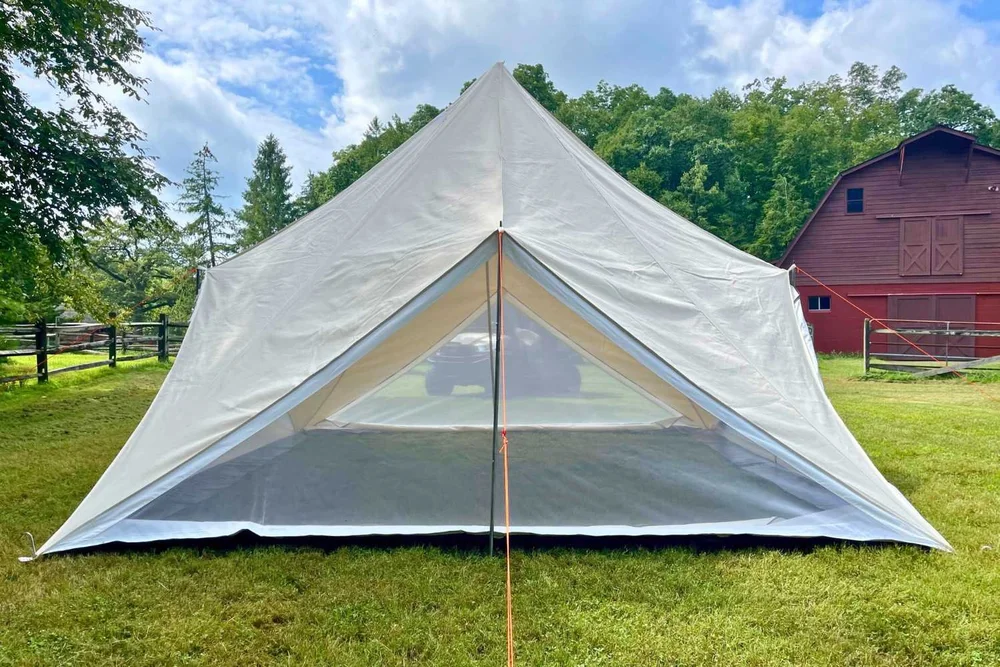
The A Frame tent had a simple structure. It used two main poles shaped like an “A” to hold up the fabric. This design gave the tent its name.
The fabric was usually made of canvas. It stretched over the frame and was tied down with ropes and stakes. This kept the tent stable in wind and rain.
- Two vertical poles form the “A” shape
- Canvas fabric covers the frame
- Ropes tied to stakes secure the tent
- Wooden or metal stakes hold ropes in place
- Compact size fits a small group of soldiers
Advantages In Battle
The A Frame tent was easy to carry and set up quickly. Soldiers could move camps fast after battles or during marches.
This tent protected soldiers from rain and wind. It also gave shade during hot days. The simple design saved time and effort.
- Lightweight and easy to transport
- Quick to pitch and take down
- Strong against wind and rain
- Small size allowed for fast setup
- Provided shelter in many weather conditions
Battlefield Shelter Uses
The A Frame Tent was a vital shelter during the Civil War. Soldiers and commanders used it for many purposes on the battlefield. It offered quick protection from weather and a safe space to work.
This tent was light and easy to set up. It helped armies stay mobile and ready. Its design made it useful in different roles, from medical aid to housing troops.
Medical Stations
Medical teams used A Frame Tents as field hospitals. They treated wounded soldiers close to the fighting. The tents kept patients sheltered and provided space for surgeries.
- Protected patients from rain and sun
- Offered a clean area for medical care
- Helped organize medical supplies and tools
- Allowed quick evacuation if needed
Command Posts
Commanders used these tents as mobile offices. The tents gave space to plan and give orders. Maps and documents were kept safe inside the shelter.
- Room for maps and communication tools
- Protected leaders from weather and view
- Quick assembly and breakdown for movement
Soldier Quarters
Soldiers rested inside these tents during downtime. The shelter provided a dry, warm place to sleep. It helped keep morale higher by offering privacy and comfort.
| Benefit | Description |
|---|---|
| Protection | Shields from rain, wind, and sun |
| Comfort | Dry and warm resting area |
| Privacy | Separate space from other troops |
| Portability | Easy to carry and set up |
Surviving Tent Artifacts
A Frame tents were common during the Civil War. Some tents and their parts still exist today. These artifacts help us learn about soldier life.
Many items like tent poles, canvas pieces, and stakes have survived. Museums and collectors keep these artifacts safe.
Preserved Examples
Several A Frame tent pieces are kept in museums across the United States. Some tents are almost complete, showing how soldiers lived.
Examples include canvas fabrics with original stitching and wooden poles. These tents often show signs of wear from battle and weather.
- Canvas tents with original buttons and ties
- Wooden poles carved by soldiers
- Metal tent stakes used in camp
- Personal marks or initials on tent parts
Restoration Efforts
Restoring Civil War tents is careful work. Experts clean and repair old fabrics and wood to stop decay.
They use special tools and materials to keep the tents as close to original as possible. This helps show history accurately.
- Gentle cleaning to remove dirt without damage
- Repairing torn canvas with matching fabric
- Stabilizing wooden poles to prevent cracking
- Documenting all restoration steps for records
Recreating Historic Tents
Recreating A Frame tents from the Civil War helps us see history clearly. These tents show how soldiers lived during the war.
Building these tents today means careful work. We want to match the old tents as closely as possible.
Modern Materials Vs. Originals
Original Civil War tents used heavy canvas and wooden poles. These materials were strong but heavy and hard to carry.
Today, we use lighter fabrics and metal poles. These materials last longer and are easier to set up.
- Original tents: thick cotton canvas, wooden poles
- Modern tents: synthetic canvas, aluminum poles
- Modern materials resist water better than originals
- Original materials offer authentic look and feel
Challenges In Reconstruction
Finding the right size and shape is hard. Old tents did not have standard designs.
Matching the color and texture of the old canvas is also tough. Weathering changes fabric color over time.
- Limited records of exact tent measurements
- Weathered fabric colors hard to copy
- Balancing durability with historical accuracy
- Making tents easy to build for reenactors

Credit: mimbles.com
Impact On Military Strategy
The A Frame Tent was a vital asset during the Civil War. It changed how armies moved and stayed ready for battle. Understanding its impact helps us see how military strategies evolved.
These tents offered simple but strong shelters. They allowed soldiers to set up camps quickly. This affected planning and execution on the battlefield.
Mobility And Deployment
The A Frame Tent was light and easy to carry. Soldiers could move faster and camp wherever needed. This flexibility was key for fast attacks and retreats.
- Quick to assemble and dismantle
- Compact size for easy transport
- Durable against weather conditions
- Allowed troops to camp in rough terrain
Communication Advantages
Clear communication was vital in war. The A Frame Tent helped by serving as command posts and signal stations. Leaders could plan and send orders without delay.
| Communication Use | Benefit |
| Command Centers | Protected space for planning |
| Signal Stations | Better visibility for signaling |
| Message Storage | Safe place for important documents |
Stories From The Field
The A Frame tent was a common shelter during the Civil War. Soldiers used it for rest and protection. These tents shaped many moments on the battlefield.
Stories from the field reveal how these tents helped soldiers survive tough conditions. They also show the tents’ role in daily camp life.
Soldier Accounts
Many soldiers wrote about their time living in A Frame tents. They described the tents as easy to set up and sturdy against wind and rain. The tents gave them a small comfort after long marches.
Some soldiers shared stories of nights spent inside these tents, listening to distant gunfire. The tents were often crowded but offered shelter and a place to rest.
- “Our tent kept us dry during the heavy rain,” one soldier said.
- “It was small but better than no cover at all,” another wrote.
- Soldiers used the tents to store weapons and supplies safely.
Notable Battles Involving Frame Tents
Frame tents were used in many key Civil War battles. Camps near battlefields had rows of these tents for soldiers and officers. The tents helped armies stay organized and ready.
During battles like Gettysburg and Antietam, tents stood close to the front lines. They served as places for planning and treating wounded soldiers.
- Battle of Gettysburg:Tents housed soldiers before and after fights.
- Battle of Antietam:Field hospitals used tents to care for the injured.
- Battle of Fredericksburg:Officers held meetings inside frame tents.
Credit: www.beckelcanvas.com
Frequently Asked Questions
What Is A Frame Tent?
A frame tent is a type of tent that uses a metal frame to support its structure. Unlike traditional pole tents, frame tents have no center poles, offering unobstructed interior space. They are versatile, easy to set up, and ideal for various events, including historical reenactments like Civil War encampments.
Why Were Frame Tents Used In The Civil War?
Frame tents were used in the Civil War for their stability and portability. They provided shelter for soldiers and officers, offering space for meetings and planning. The sturdy frame design allowed them to withstand harsh weather conditions, making them essential during military campaigns.
How Do Frame Tents Differ From Pole Tents?
Frame tents differ from pole tents in structure and setup. Frame tents use a metal frame for support, eliminating center poles. This design offers more interior space and flexibility. Pole tents rely on central poles, which can obstruct the interior.
Frame tents are more versatile and easier to install.
Are Frame Tents Suitable For Outdoor Events?
Yes, frame tents are ideal for outdoor events due to their stability and versatility. They can be erected on various surfaces without needing additional staking. Their open interior space accommodates different layouts, making them perfect for weddings, festivals, and historical reenactments like Civil War events.
Conclusion
The A Frame Tent played a key role during the Civil War. Soldiers found it easy to set up and carry. Its strong frame stood firm in harsh weather. These tents helped armies stay organized and protected. Today, they remind us of history and survival.
Understanding their use adds depth to Civil War stories. Simple, sturdy shelters made a big difference back then. They show how smart design meets real needs. The legacy of the A Frame Tent lives on in history books and reenactments.